Last updated:


A trip to Sulcis Iglesiente can bring together mining history, caves and older settlements in the far southwest of Sardinia.
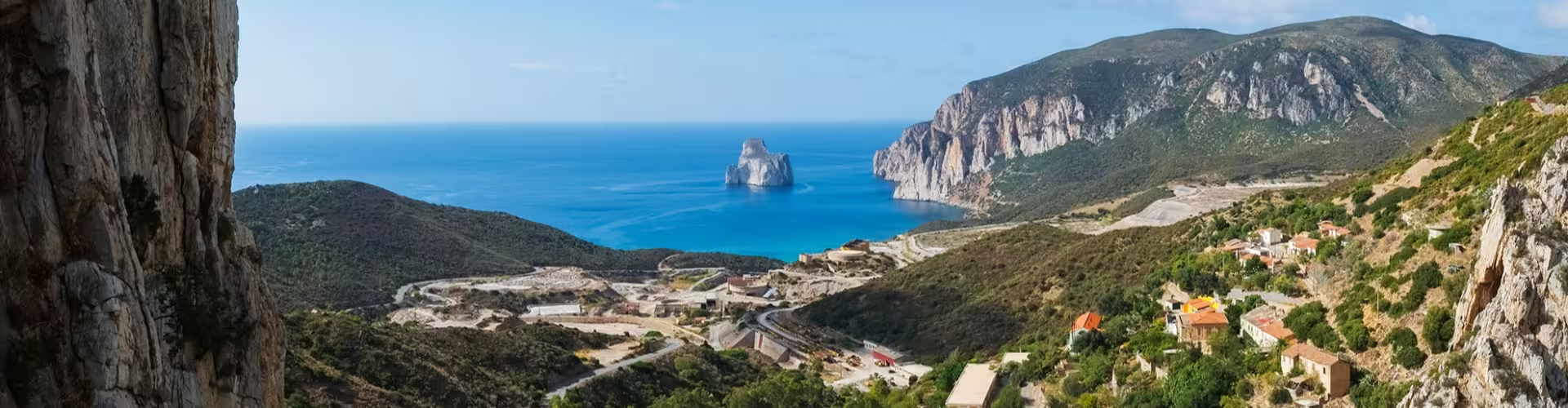
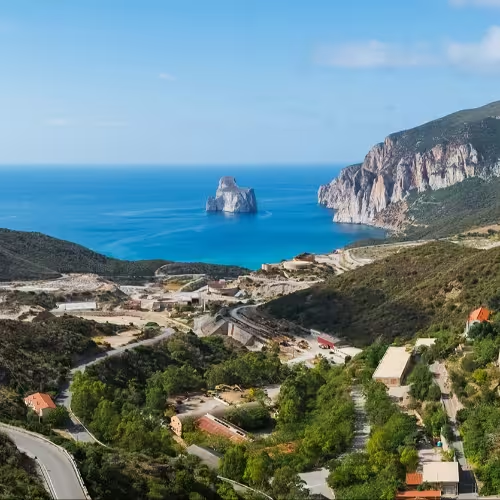
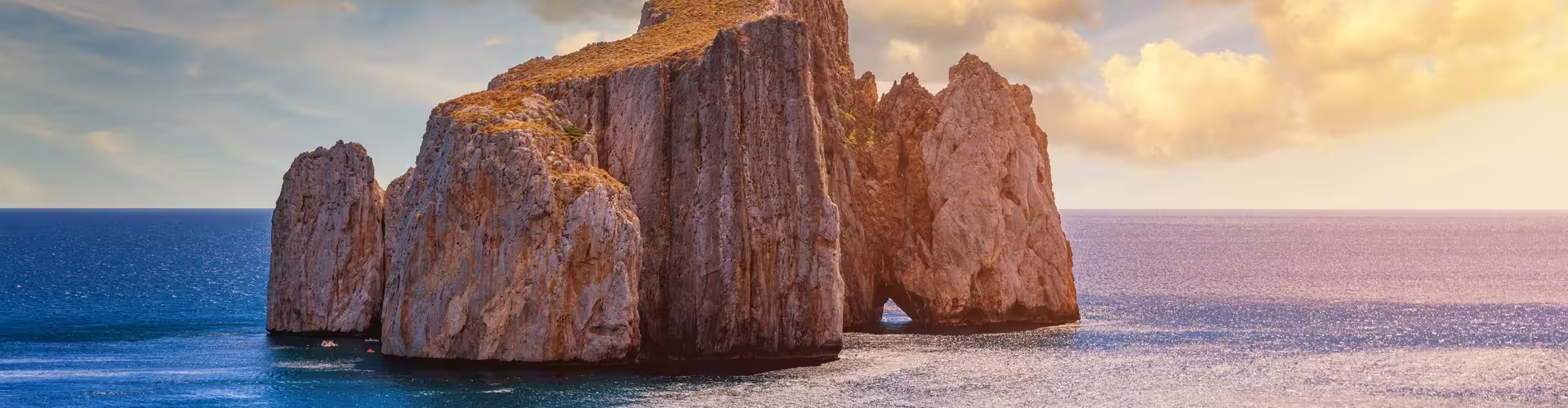
Mining heritage is a good focus if you want a thread connecting several visits. Porto Flavia, within the municipality of Iglesias, took shape from 1922 to 1924.
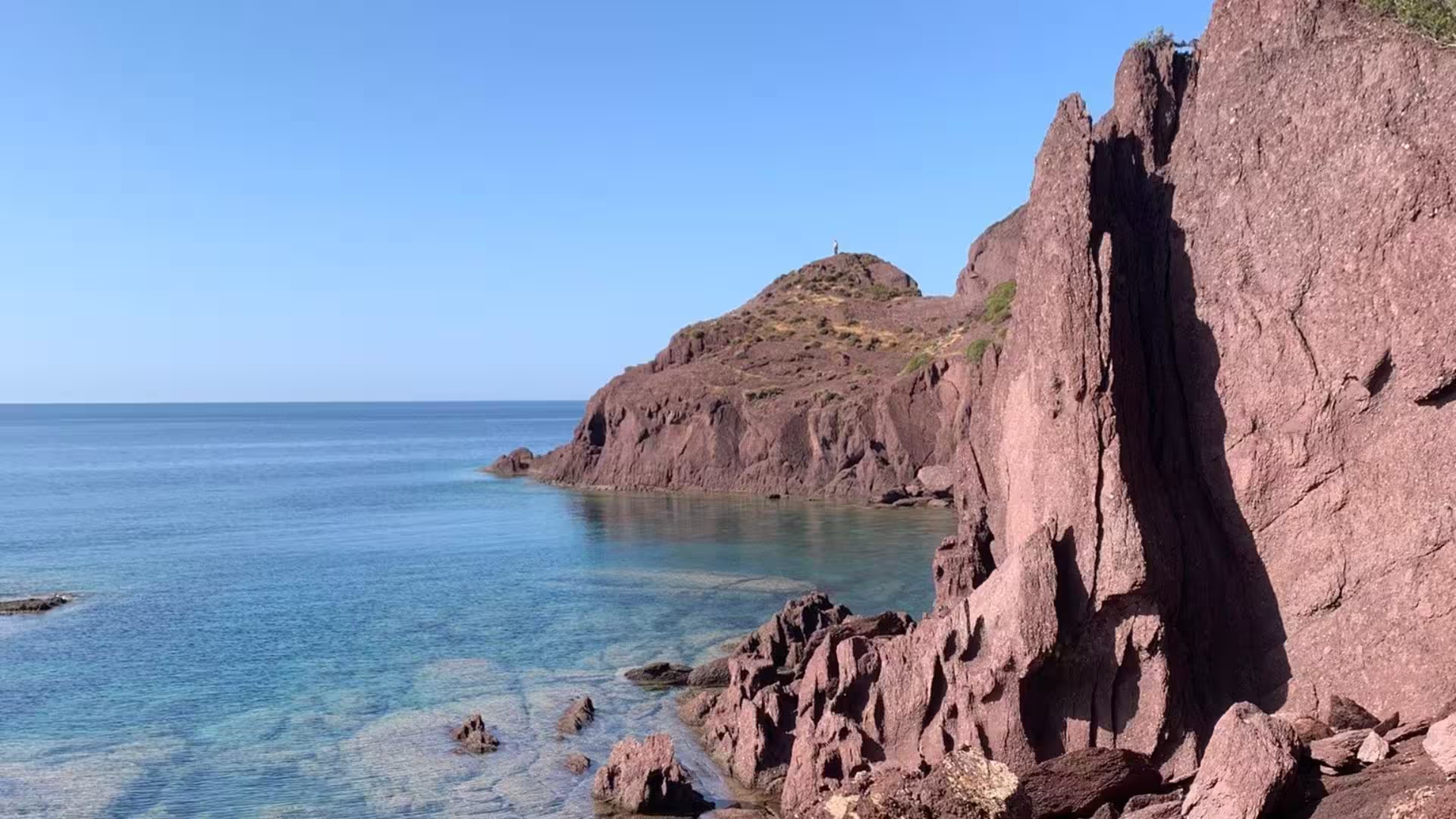
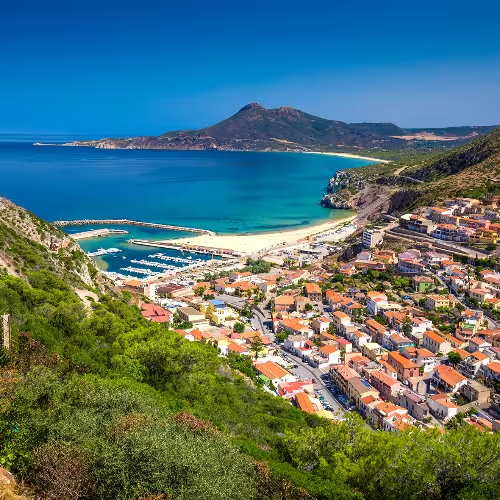
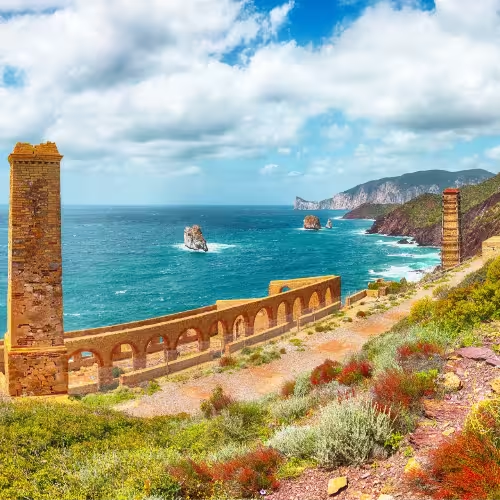
Nebida has surviving lead and zinc mining remains about 15 kilometres from Iglesias. At Buggerru, the Henry Tunnel once carried a steam train taking unprocessed minerals from underground to processing works.
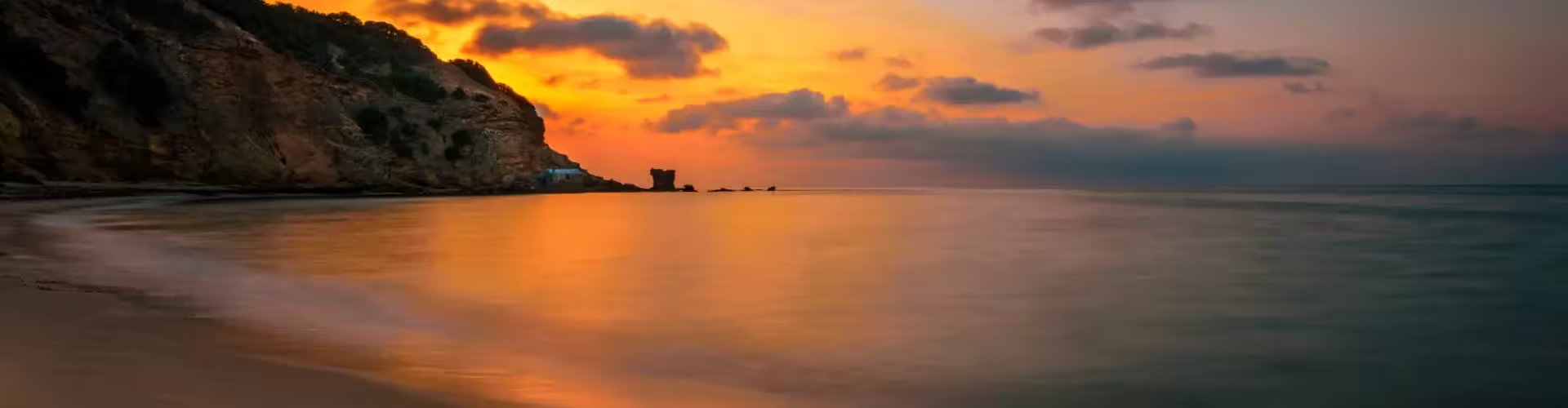
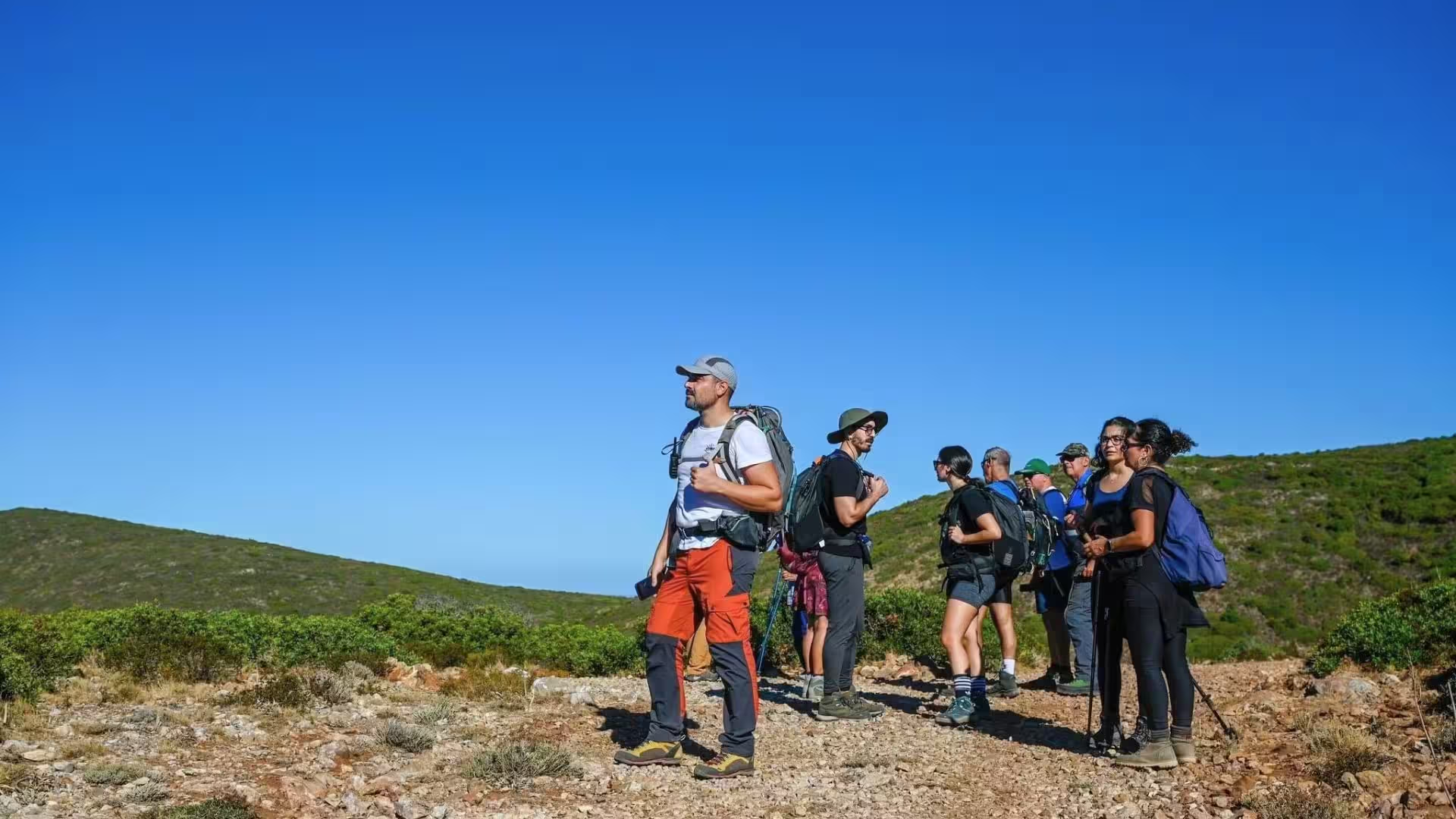
Cala Domestica adds the shipping side of that story: until 1940, minerals extracted from mines were loaded onto ships there. For a guided walk, the Nebida to Masua coastal hiking tour takes 5 hours, with a professional hiking guide, a route briefing and a beach aperitif with tomato focaccia and local wine.
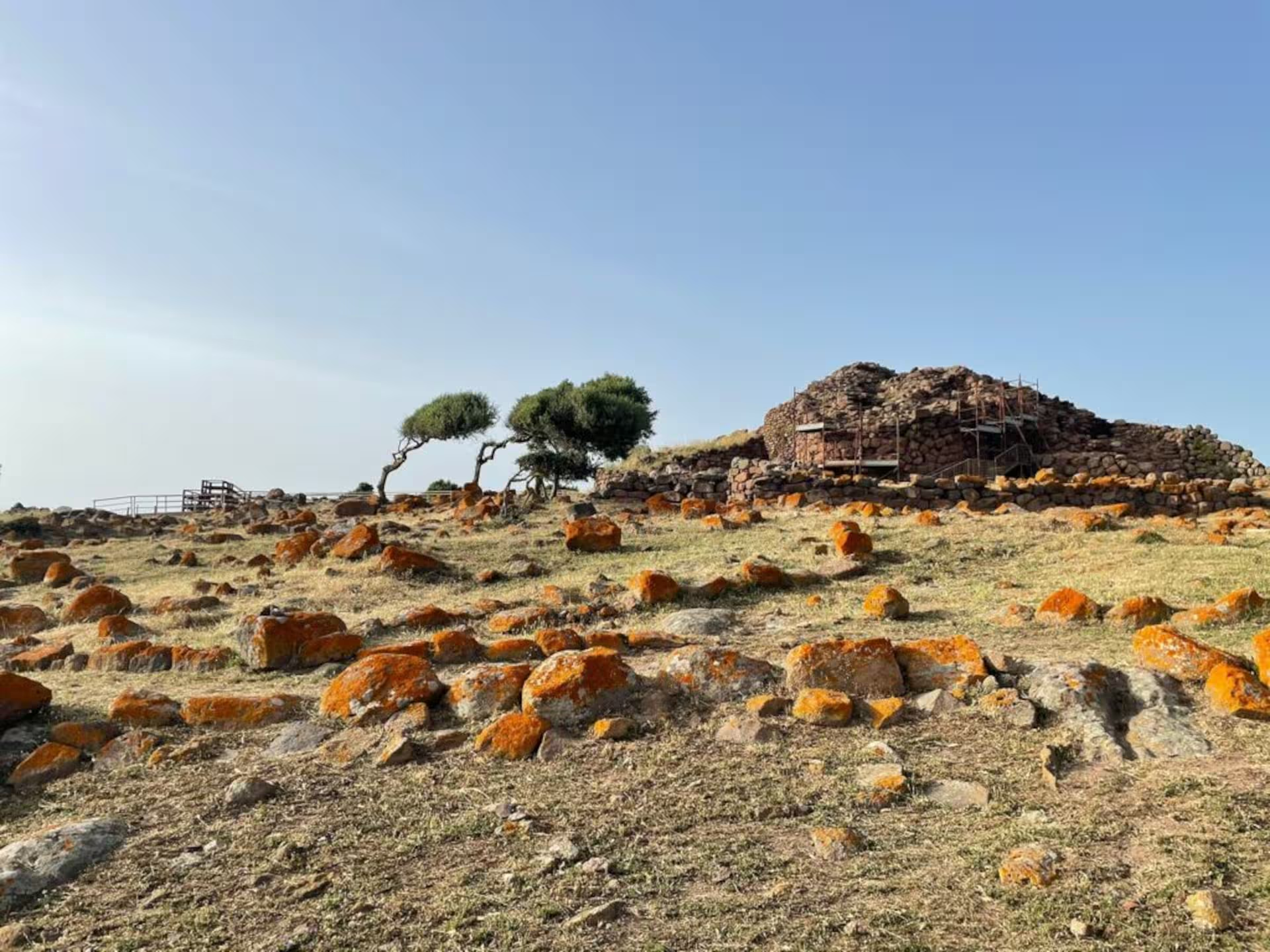
Ancient history offers a different focus at Sant'Antioco, where Phoenician settlers founded Sulky in 770 BC. Monte Sirai adds a Carthaginian chapter, with occupation dating to 520 BC.
At Montessu, about 40 tombs make the necropolis another option for an archaeology-led visit.
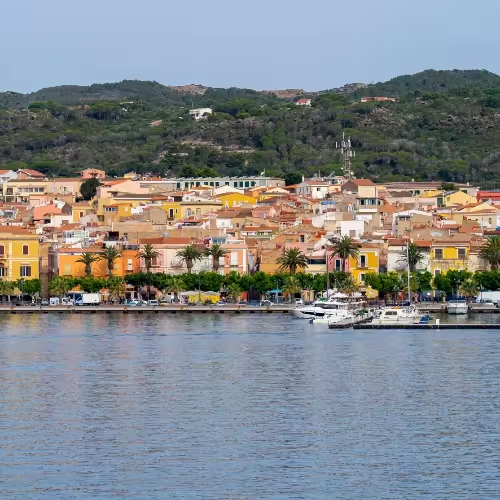
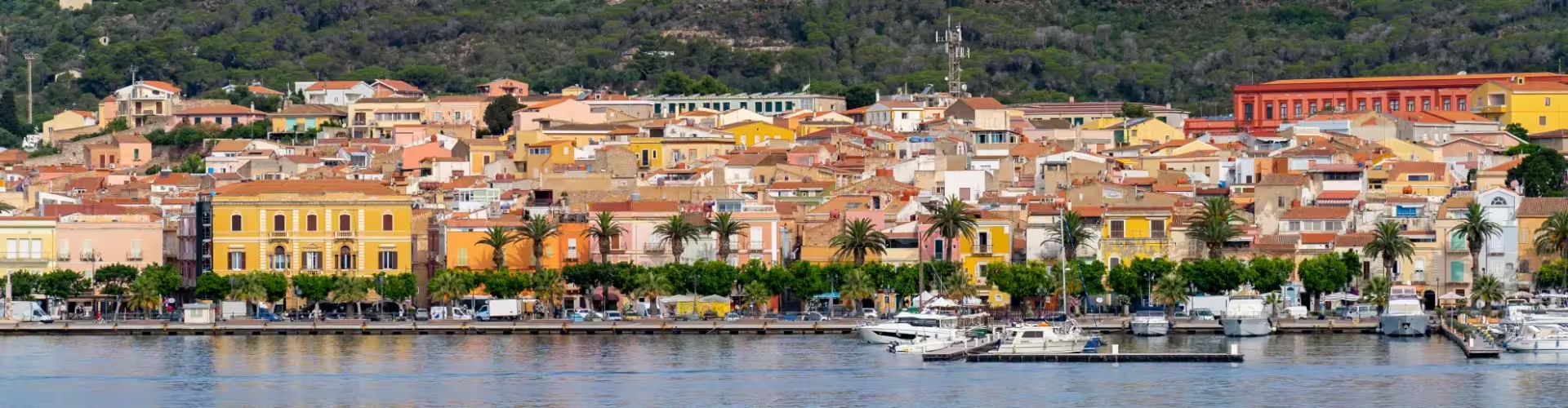
Carloforte is the place for living traditions: the town has kept the language and culture of its Ligurian founders. Its cascà is the local Tabarchino version of couscous, made from durum-wheat semolina. In Santadi, the local food thread continues with the traditional wood-fired breads civraxiu and su coccoi.
Two days make a useful starting plan: give one to mining around Iglesias and another to the ancient sites at Sant'Antioco or Montessu. On the mining day, Porto Flavia and Santa Barbara Cave offer contrasting subjects: miners found the cave inside the San Giovanni mine in 1952. Its chamber rises to more than 25 metres, bringing a natural feature into the mining story.
A longer stay allows a separate day for Carbonia and its Serbariu coal mine, where coal production officially began in 1939 and ended in 1964.
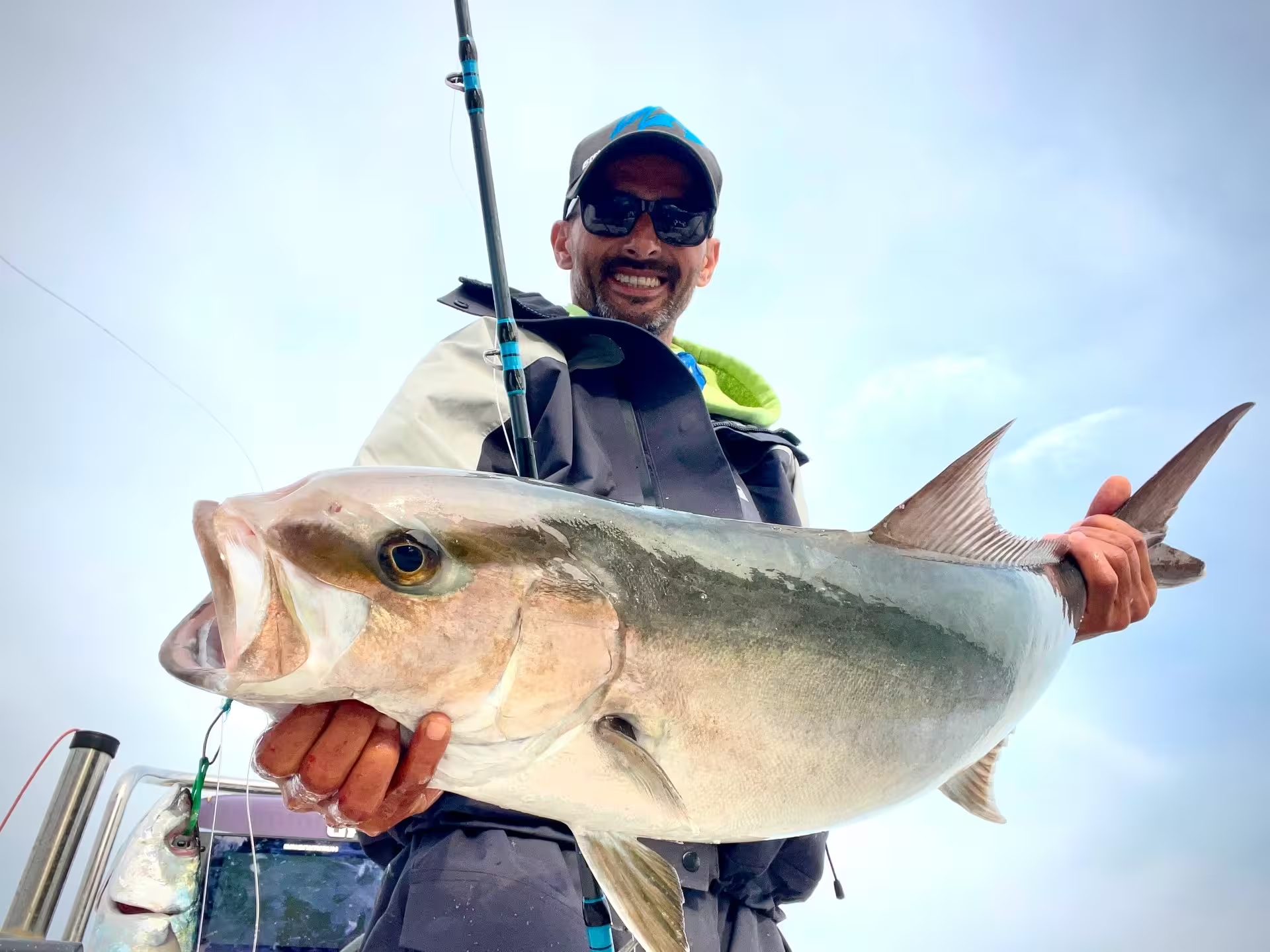
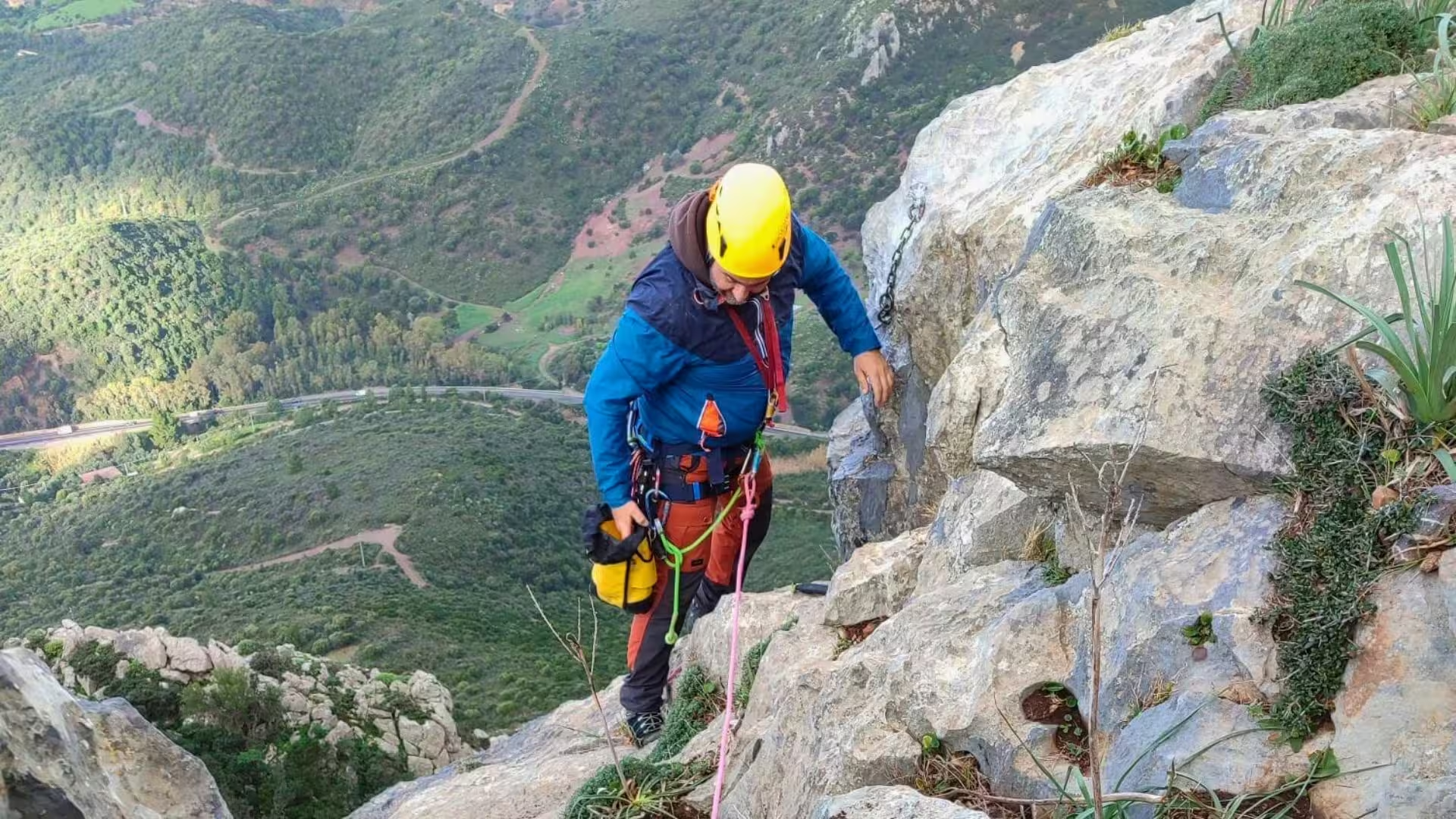
A fishing charter at Sant'Antioco on the Sardinia coast fills 7 hours, with a captain and fishing guide, fishing equipment, live bait collection, life jackets, onboard safety equipment, a freshwater shower and an awning included. For a shorter activity, dry canyoning at Monte San Giovanni takes 4 hours, with a professional canyon guide, helmet, harness, ropes, technical rigging and safety instruction.
Early August is the time for Santadi's Matrimonio Mauritano wedding celebration. For religious traditions, Holy Week in Iglesias offers another focus, with rites whose origins go back to the late 17th century.
Public transport links the main towns: ARST runs bus route 806 between Iglesias and Carbonia. For an arrival through Cagliari Airport, Elmas Aeroporto railway station is roughly 5 minutes away on foot from the terminal.
Porto Flavia's mining tunnel is about 600 metres long.
Su Mannau Cave has more than eight kilometres of passages.
Yes, Montessu is part of a UNESCO World Heritage Site listed in 2025 together with 16 other sites.