Gonnesa

logoBlack

Build your dream
experience

dreamimg

More to know about Gonnesa


Gonnesa Travel Guide

Gonnesa is a small coastal destination in southwestern Sardinia where beach time, mining heritage, and quiet village life come together. It appeals to travelers who want wide sands, straightforward logistics, and a slower rhythm that still feels distinctly Italian. Use this guide to plan what to do, when to go, how to get around, and how to turn a short stay into a well paced trip.


Snapshot

Gonnesa feels relaxed and outdoorsy, with a coastline that invites long walks and simple, sea focused days. The signature vibe is unhurried, with room to breathe even when Sardinia is busy elsewhere. Go now if you want a practical base in the Province of Sulcis Iglesiente for beaches, scenic drives, and day trips that do not require constant packing and unpacking.


🗺️ Geography and Logistics

📍 Orientation: Where is it within Province of Sulcis Iglesiente and Italy?

Gonnesa sits in southwestern Sardinia, within the Province of Sulcis Iglesiente, a part of the island known for dramatic coastal scenery and traces of industrial history. It works well as a base for exploring the Sulcis and Iglesiente area, with easy access to beaches and nearby towns by road. For arrival, most travelers route through Sardinia’s main air gateways and then continue by car, since this corner of the island is best explored with flexible road access.

🕒 When to Go: Seasonal breakdown

Plan your timing around the balance between weather and crowd levels. Summer brings the strongest beach conditions and the most visitors, especially on weekends when locals also head to the coast. Shoulder seasons are often ideal for travelers who prefer calmer beaches and comfortable temperatures for walking, short hikes, and scenic drives. In cooler months, the atmosphere turns quieter and more local, which can be perfect for a low key escape where the focus shifts from swimming to landscapes and heritage.

💰 Budget & Currency: Practical money tips

Italy uses the euro, and costs in smaller Sardinian destinations can feel more manageable than in major cities, especially if you prioritize simple meals and self guided days outdoors. Keep a mix of card and cash, since small businesses and beach area services can be more cash friendly depending on the setting. A practical approach is to budget for a rental car or regular taxis, then keep daily spending flexible for meals, beach essentials, and day trips.


⭐ Essential Things to Do List

Note: Experiences below focus on what travelers can reliably plan without relying on specific opening hours or ticket prices.

1) Beach Day on the Gonnesa Coast
The coastline is the headline, and a beach day here is about space, light, and the simple pleasure of slowing down. The wide horizon and changing sea tones create an easy, restorative rhythm. Practical tip: go early or later in the day for softer sun and better photos, and pack water and shade if you plan to stay for hours.

2) Coastal Walks for Views and Fresh Air
Walking along the shore is one of the best ways to understand the local vibe, because you experience the landscape at human pace. It is also a low cost way to fill a morning, especially if you are traveling as a couple or family. Practical tip: wear shoes that handle sand and uneven patches, and bring a light layer if the breeze picks up.

3) Explore the Village Atmosphere
Spending time in town helps you connect the beach setting to everyday Sardinian life. Small places reward observation, local routines, and unplanned pauses, like a coffee stop or a slow stroll. Practical tip: aim for a morning walk when the day feels most active, then return later for a calmer evening mood.

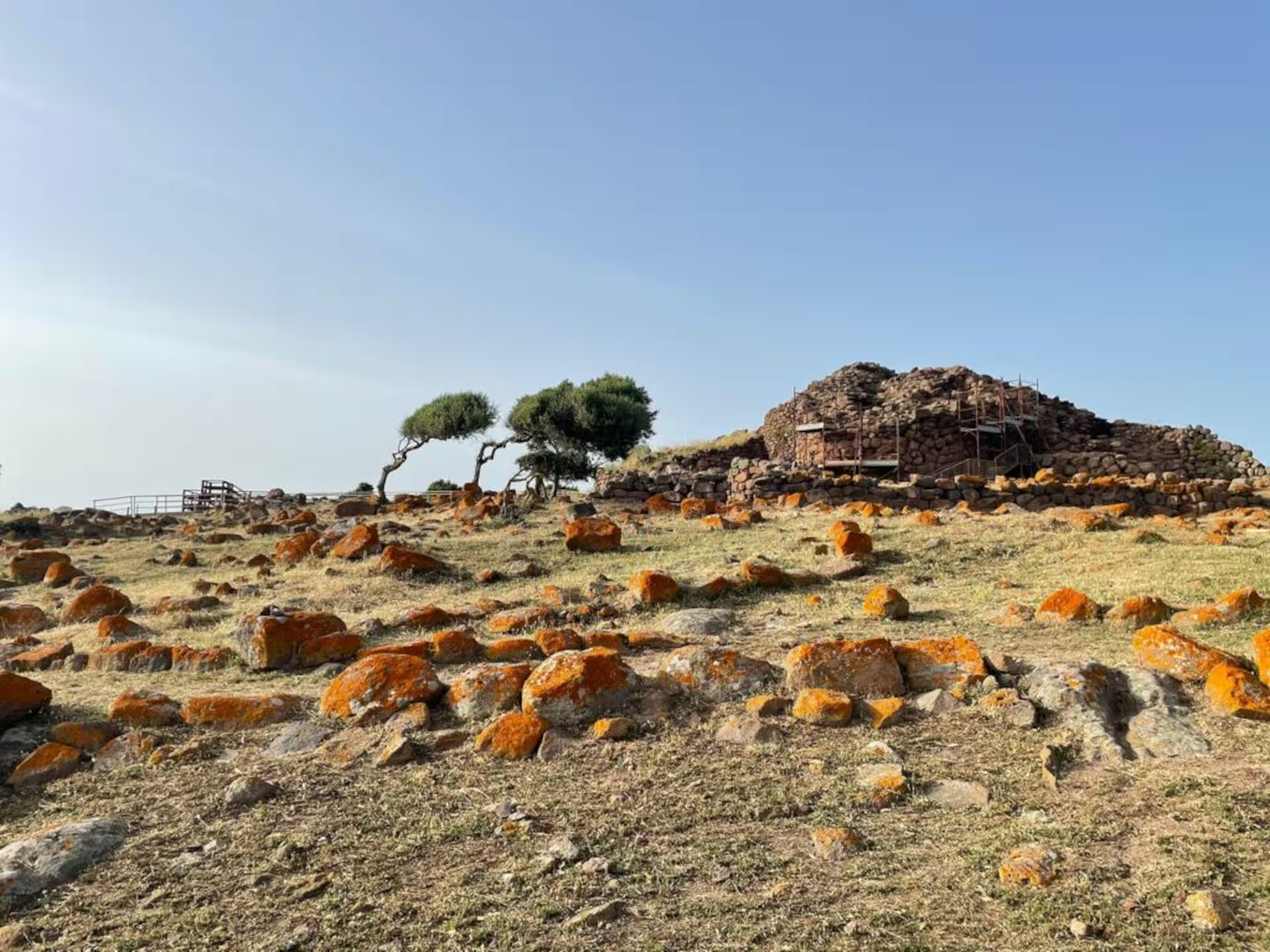
4) Discover the Mining Heritage of the Area
The Province of Sulcis Iglesiente is strongly tied to mining history, and that legacy shapes the identity of the wider landscape. Even without a formal itinerary, you can appreciate how industry and nature coexist in this part of Sardinia. Practical tip: pair a heritage focused stop with a scenic drive, so the day feels varied and not overly museum centered.

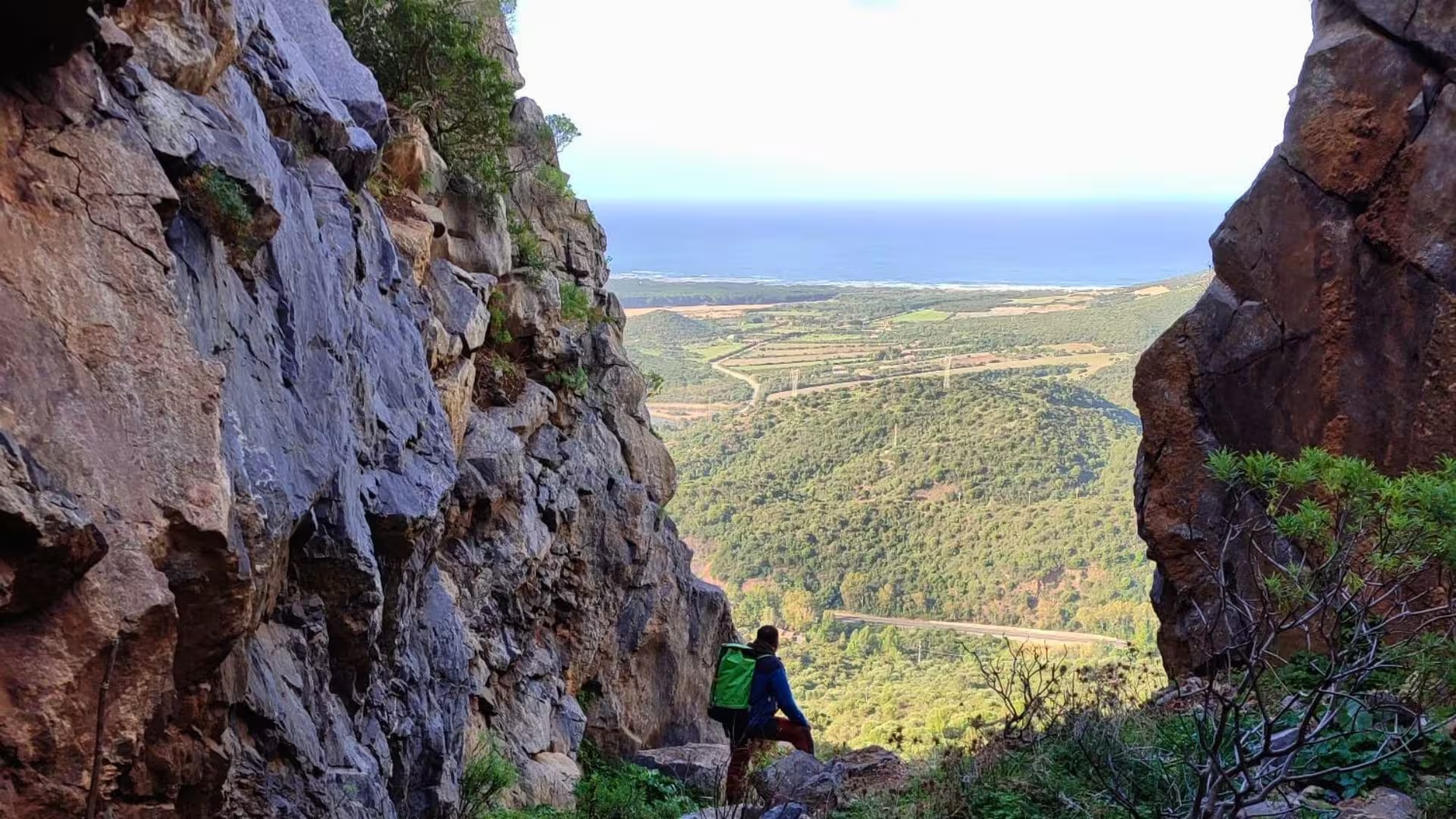
5) Scenic Drives Through Southwestern Sardinia
Road time here is not just transport, it is part of the experience, with coastal stretches and inland views that shift quickly. This is a great choice if you want variety without long hikes. Practical tip: keep your day plan loose and stop at viewpoints when the light looks best, especially in late afternoon.

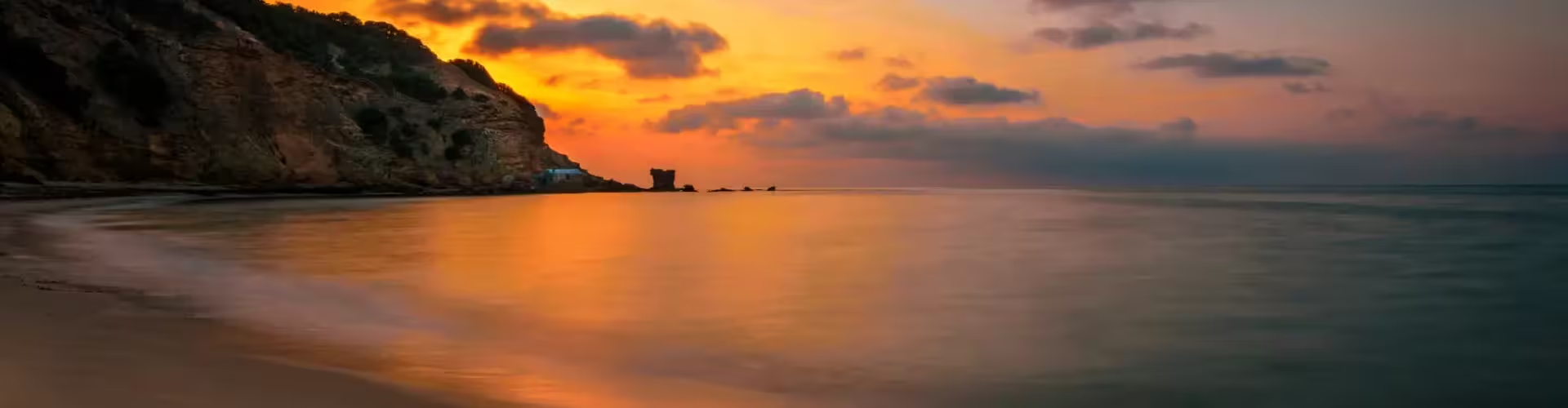
6) Sunset Viewing by the Sea
Sunset is a simple ritual that feels special in a quiet coastal setting like Gonnesa. The evening light changes the color of the water and makes even a short walk feel cinematic. Practical tip: arrive a bit early to choose a comfortable spot, then stay a few minutes after the sun dips for the best sky tones.

7) Slow Food Moments, Not Just Meals
In smaller Sardinian destinations, food is often about timing and atmosphere as much as the dish. A long lunch or an unhurried dinner becomes a travel highlight because it anchors the day. Practical tip: eat earlier or later than peak times if you prefer a quieter setting and more attentive service.

8) Use Gonnesa as a Base for the Sulcis Iglesiente
What makes Gonnesa practical is how it supports day trips without forcing constant hotel changes. You can keep one base and explore beaches, heritage areas, and nearby towns as the weather and mood dictate. Practical tip: cluster day trips by direction to reduce driving time and make the trip feel more relaxed.


🚶 Curated Itineraries

⏰ The Highlights (1 Day)

Start with a morning beach walk to get a sense of the coastline before the day warms up. Take a midday break in town for a simple meal and a short reset, then spend the afternoon alternating between swimming, reading, and photography. Finish with a sunset viewpoint by the sea, then choose a calm dinner pace so the day ends the way it began, unhurried.

⏰ Deep Dive (2-3 Days)

Day 1 focuses on the coast, mixing beach time with long walks and a sunset session. Day 2 adds context with a heritage themed loop through the surrounding Province of Sulcis Iglesiente, pairing landscape stops with traces of the region’s mining story. Day 3 stays flexible, either another beach day if conditions are perfect, or a longer day trip to nearby destinations for variety, then return to Gonnesa for an easy evening.


🍽️ Flavors of Gonnesa

Food in this part of Sardinia often balances sea influenced simplicity with rustic inland traditions. Exact menus vary by season and venue, but these are common regional directions to look for.

  • Seafood primi, often pasta centered and briny. Ordering tip: ask what is freshest today rather than chasing a specific dish name.
  • Grilled fish, clean flavors with olive oil and lemon. Ordering tip: request the catch of the day and keep sides simple.
  • Shellfish dishes, savory and coastal in character. Ordering tip: if you are unsure, start with a shared portion to gauge richness.
  • Pane carasau, crisp Sardinian flatbread that adds texture to meals. Ordering tip: use it as a base for small bites and sauces, it is meant for sharing.
  • Pecorino, sheep’s milk cheese that can range from mild to assertive. Ordering tip: ask for a tasting style portion if available to compare ages.
  • Local sweets, often simple and satisfying rather than heavily decorated. Ordering tip: pair with coffee for a classic, low effort dessert moment.
  • Sardinian wine, typically served as a natural companion to seafood and cheese. Ordering tip: ask for a regional glass recommendation to match what you ordered.

🚌 Navigation & Transport

Getting around Gonnesa and the wider Sulcis Iglesiente area is easiest with a car, since beaches, viewpoints, and day trip targets are spread out. Walking works well for short distances and relaxed town time, especially when you plan your day around cooler hours. If you prefer not to drive, plan a tighter itinerary and confirm transport options in advance, because spontaneous connections can be limited outside peak season.

For safety and comfort, pack sun protection and water for beach days, and keep a light layer for evenings when coastal breezes increase. If mobility is a concern, prioritize viewpoints and stops that allow close parking and short, manageable walks, since some coastal paths can be uneven.


🌄 Beyond the Center: Day Trips

Gonnesa is well placed for exploring southwestern Sardinia by road. Travel times depend on route and season, but these ideas are commonly paired with a stay in the area.

  • Iglesias, roughly 20 to 40 minutes by car, for a change of pace and a deeper sense of the region’s historic character.
  • Carbonia, roughly 25 to 45 minutes by car, for another perspective on the Sulcis area and its modern history.
  • Porto Flavia area, roughly 40 to 70 minutes by car, for dramatic coastal scenery linked to the mining story of southwestern Sardinia.
  • Nebida and the coastal viewpoints, roughly 35 to 60 minutes by car, for photogenic cliffs and sea panoramas.
  • Southwest beaches loop, variable timing, for a full day of comparing different sands and sea colors across the coast.

✅ Insider Tips for Travelers

  • Plan beach time early and late, then use the hottest hours for a long lunch or a rest.
  • Keep a small cash reserve, especially for small purchases and beach adjacent services.
  • Pack a light layer, coastal evenings can feel cooler than expected even after a hot day.
  • Build your itinerary around geography, group stops in the same direction to reduce driving fatigue.
  • For photos, prioritize golden hour, the coastline looks most dramatic in softer light.
  • If you are not driving, pre plan day trips and confirm transport options ahead of time.
  • Respect quieter local rhythms, keep noise low in residential areas and follow beach signage.

❓ Frequently Asked Questions, FAQ

Is Gonnesa a good base for exploring southwestern Sardinia?

Yes, it works well if you want a quieter coastal base with access to beaches and the wider Sulcis Iglesiente area. A car makes day trips and viewpoint stops much easier to manage.

How many days should I plan for Gonnesa?

One day covers a classic beach and sunset rhythm, but 2 to 3 days gives you time for a heritage focused loop and a couple of day trips. The slower pace is part of the appeal, so extra time rarely feels wasted.

What is the best time of year to visit Gonnesa?

Summer is best for dedicated beach weather, but it also brings more visitors. Shoulder seasons can be a strong choice if you want comfortable temperatures for walking and a calmer atmosphere in Gonnesa.

Do I need a rental car to get around?

A rental car is the most practical option because many coastal stops and nearby destinations are spread out. If you do not drive, plan a tighter schedule and confirm transport ahead of time.

What should I pack for a trip here?

Bring sun protection, water, and comfortable walking shoes for sand and uneven paths. Add a light layer for evenings when the coastal breeze picks up, especially after sunset.