Last updated:


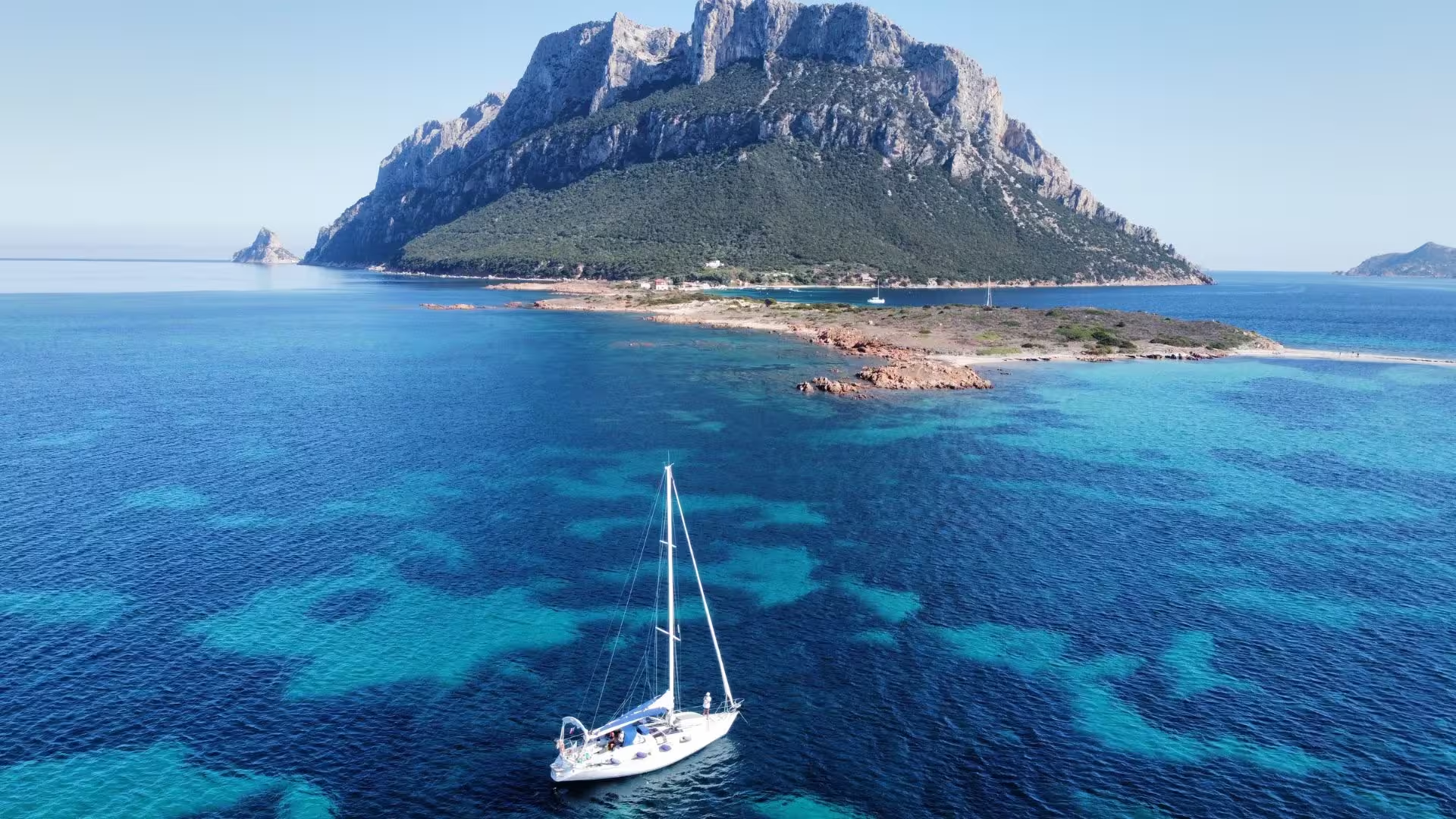
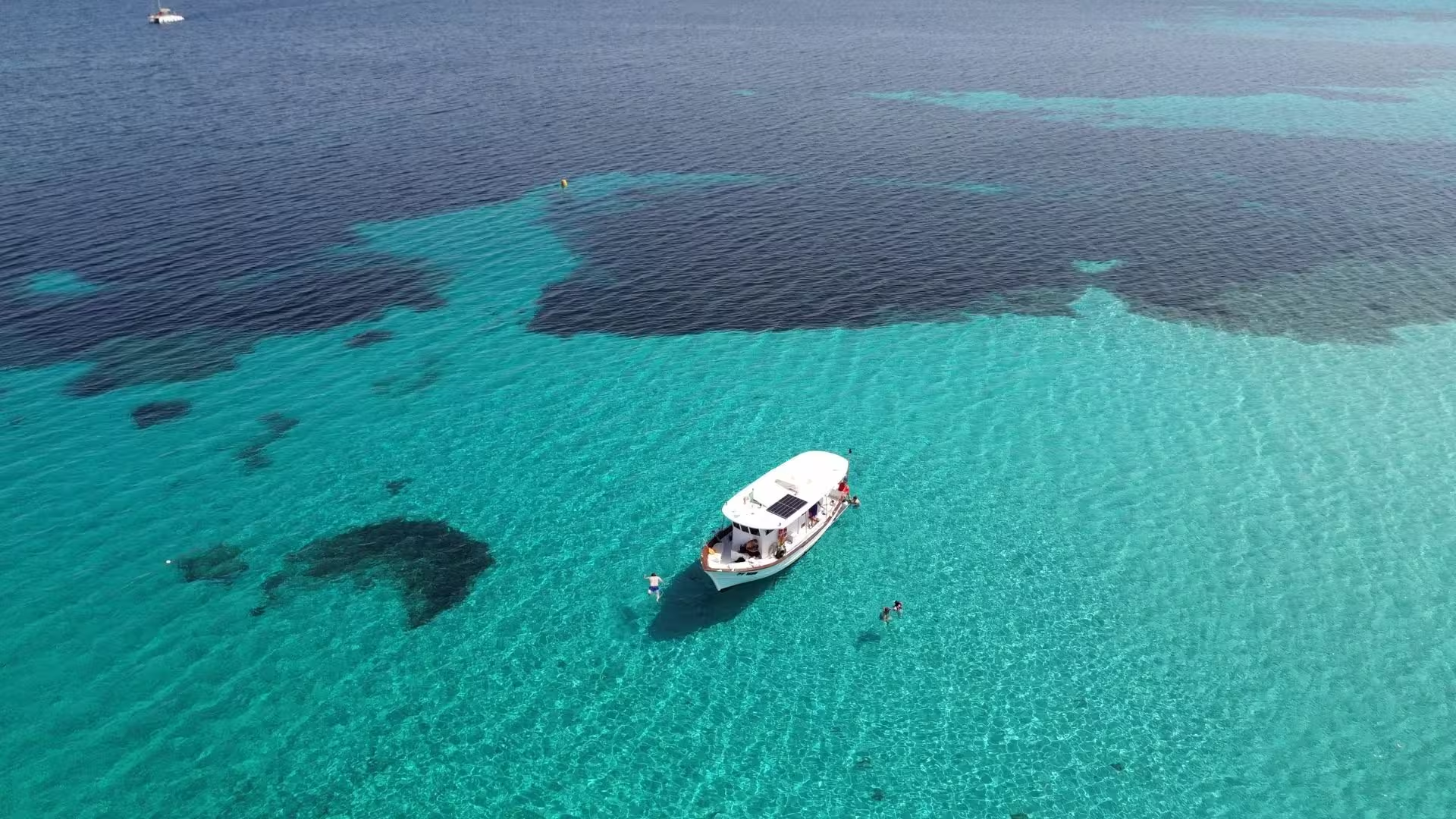
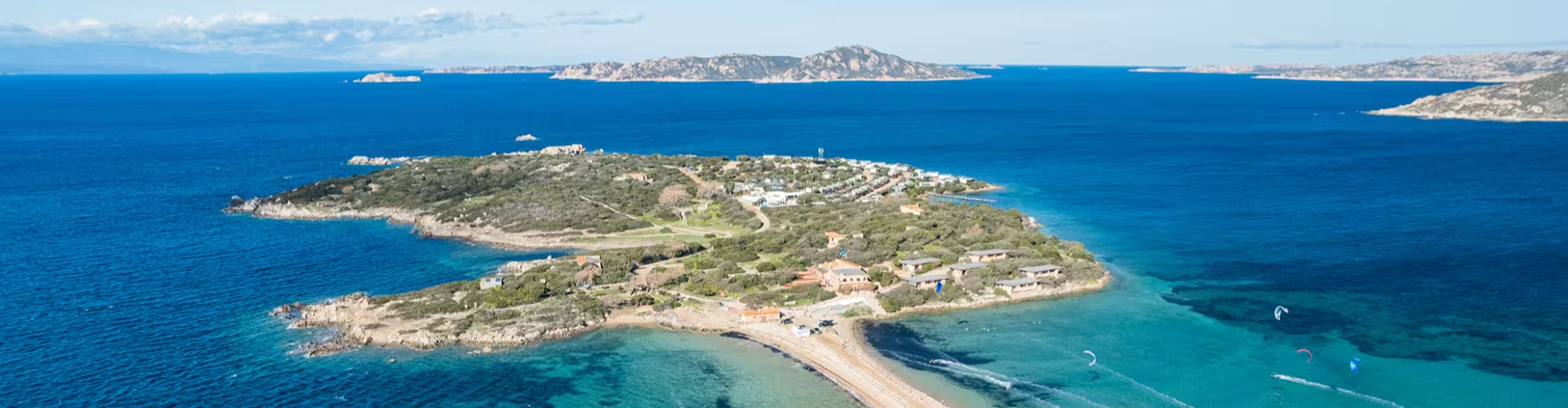
Tavolara suits a day trip that gives equal attention to the island and its surrounding sea. Boats connect it with Porto San Paolo on the Sardinian mainland, while the island and neighbouring waters belong to a marine protected area. Ashore, a trail explains the lime kilns; around the island, seabirds and coastal geology give the landscape another layer of interest.
A visit with some history ashore and time devoted to the sea gives the day a clear focus. The trail from Spalmatore di Terra has panels explaining the lime-kiln industry, so it offers a way to understand the remains rather than simply look at them. Those surviving kilns were still working in 1955. The small cemetery of the Bertoleoni family, the island's self-styled kings, adds a different strand of island history.
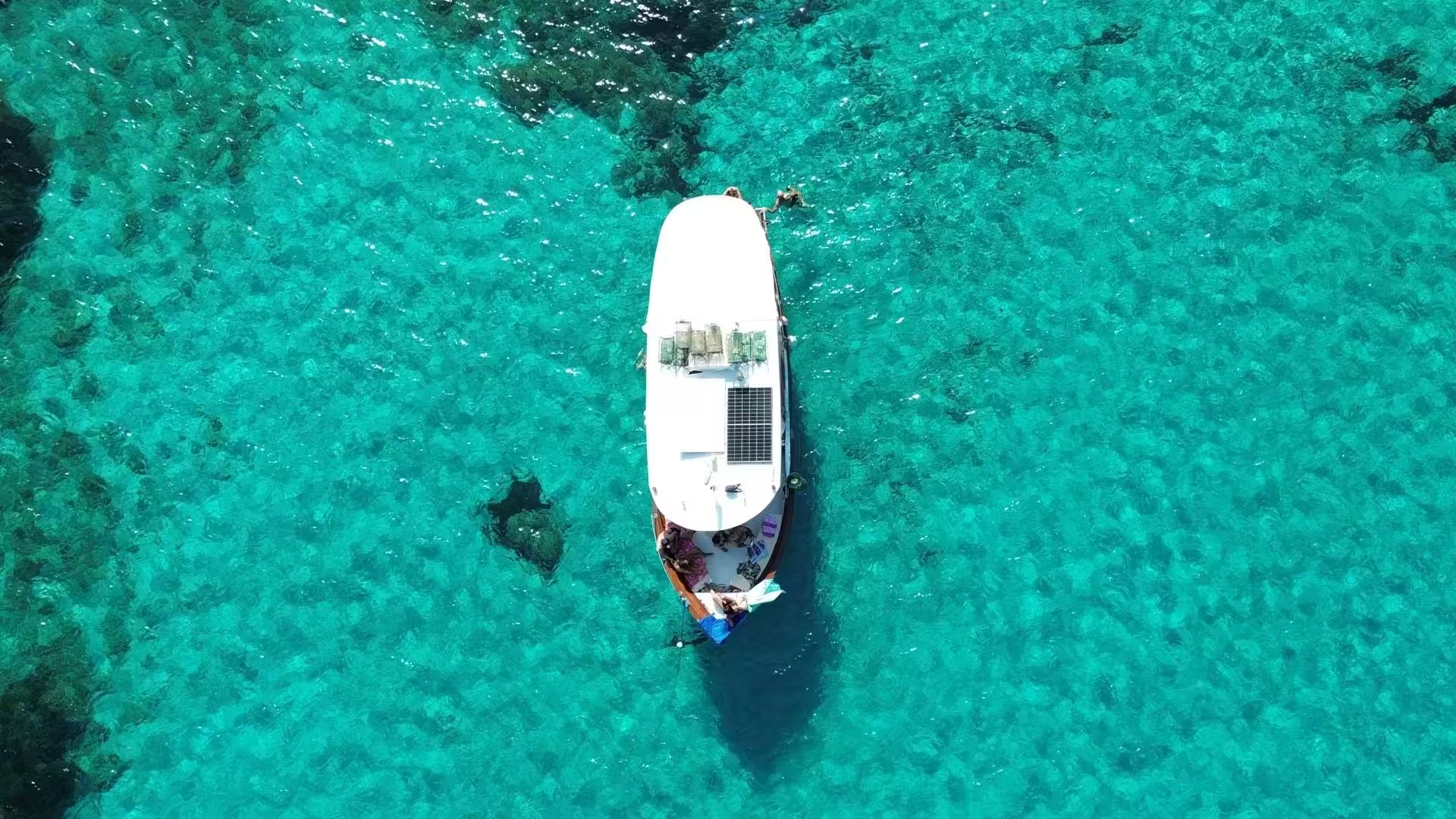
For a day centred on fishing, the fishing trip in Tavolara from San Teodoro lasts 7 hours. It includes a guided excursion aboard the Orsa Maggiore, creel retrieval with a local fisherman and at least 3 stops lasting about an hour each. An aperitif, a fresh fish course at lunch, water, wine and coffee are included, along with use of a SUP board and snorkelling masks, a freshwater shower, safety equipment and a first aid kit.
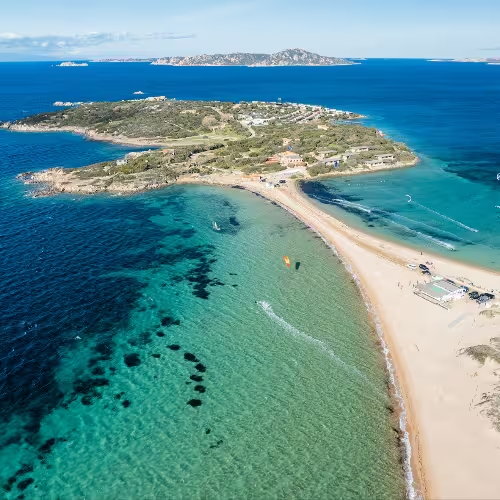
The rocks and wildlife make Tavolara worth looking at closely, beyond its outline from the sea. Much of the island is Mesozoic limestone resting on granite, which is exposed at Spalmatore di Terra. The granite formed around 300 million years ago during the Hercynian orogeny, while Tavolara became an island around 8,000 years ago. At Spalmatore di Terra, the sandy Passetto links the outer end to the island.
The natural arch near the old lighthouse survives from an ancient cavity formed in limestone. Above the coast, golden eagles use the high cliffs, while peregrine falcons breed on both Tavolara and Molara. Caves and cavities on those islands also shelter nesting Yelkouan shearwaters. These are nesting habitats, a reason to treat the landscape as a home for wildlife as well as a place to visit.
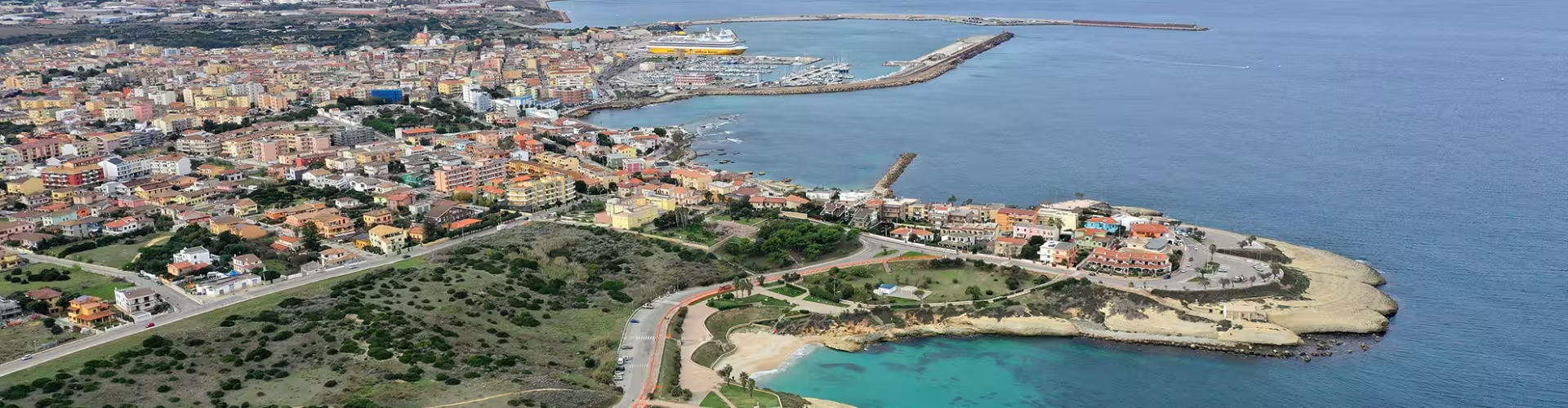
Porto San Paolo is the mainland departure point to plan around for a boat crossing to Tavolara. Tavolara itself belongs to the municipality of Olbia.
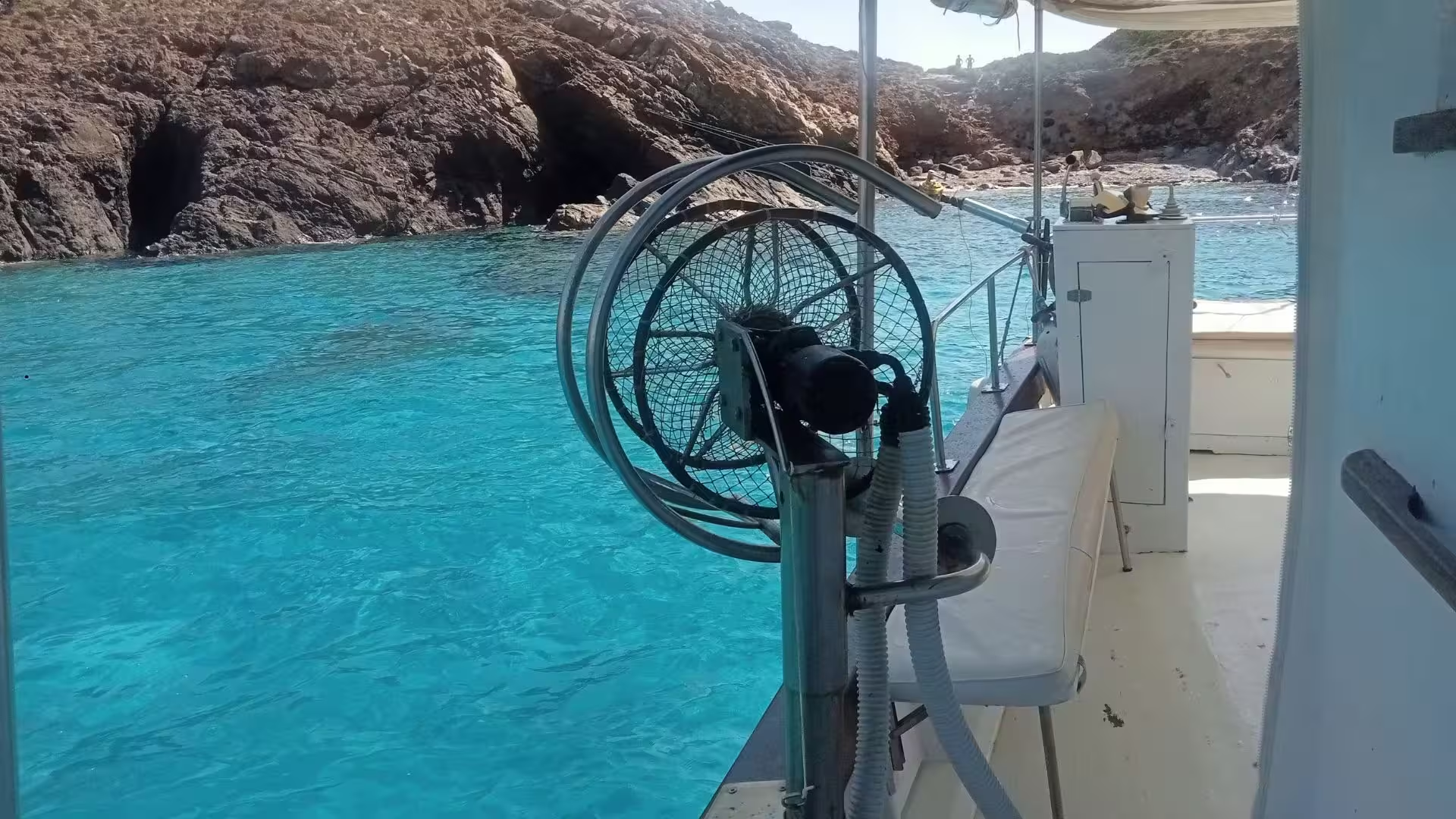
One day is a reasonable plan for a visit focused on Spalmatore di Terra and the trail past the lime kilns. That day can take in the exposed granite and the Passetto, with the kiln trail adding the story behind the island's industrial remains. The 7-hour fishing trip is an alternative way to fill a day, with fishing, stops and lunch included.
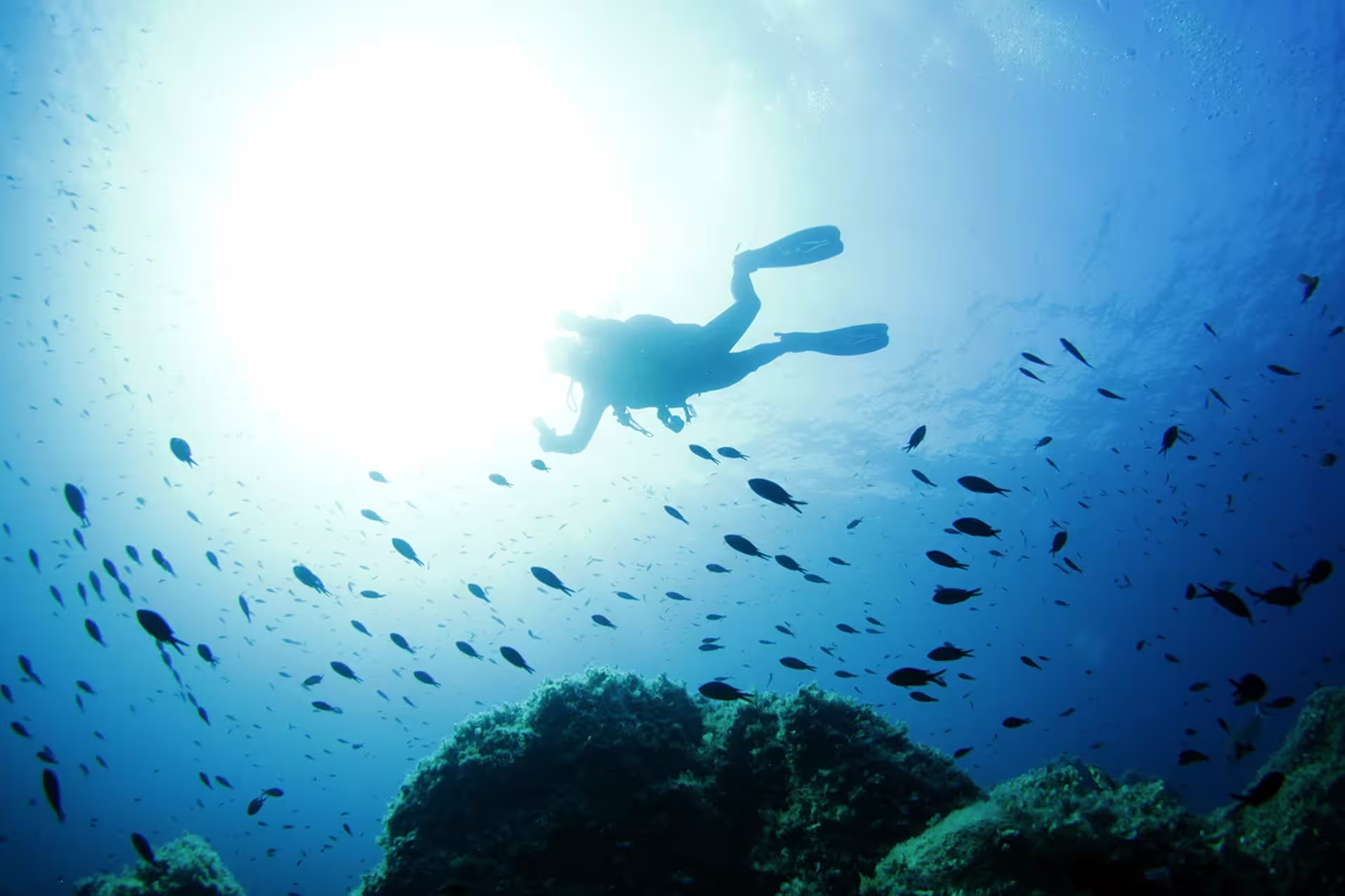
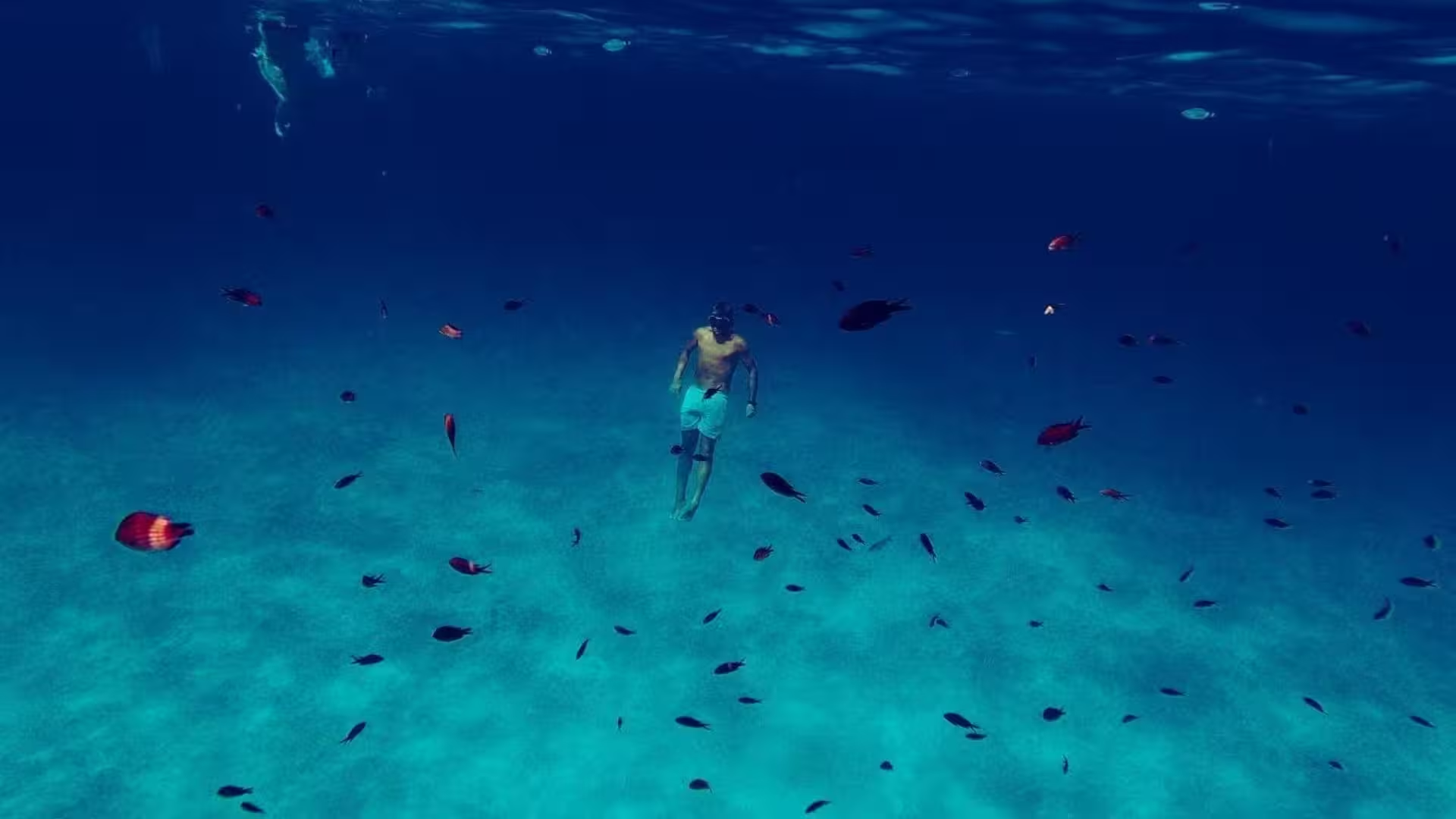
Protection rules matter when planning time on the water because the area has different levels of protection. Zone A has strict protection, Zone B general protection and Zone C partial protection. The reserve encompasses 15,357 hectares of sea and was created in 1997. Dusky grouper are abundant in its waters, and the coastal rims formed by the coralline alga Lithophyllum byssoides extend for several kilometres around Tavolara. On land, Tavolara is also a wildlife protection oasis where hunting is banned.
Tavolara is a narrow limestone island about 4 kilometres long.
Punta Cannone, Tavolara's summit, rises to about 565 metres above sea level.
Yes, with limits. Molara is a protected island; visits ashore are by guided tour, and boat trips stop at its coves and natural pools.