Epidaurus

Plan a smart trip to Epidaurus with practical logistics, top things to do, 1 to 3 day itineraries, local flavors, transport tips, and easy day trips across Argolis in the Peloponnese.

    logoBlack

    Build your dream
    experience

    dreamimg

    More to know about Epidaurus


    Epidaurus Travel Guide

    Epidaurus is one of the Peloponnese destinations that rewards travelers who care about atmosphere as much as landmarks. The area is best known for its ancient sanctuary landscape, sea and pine scented air, and an easygoing rhythm that makes it simple to slow down without feeling bored. This guide focuses on how to plan a smooth visit, what to prioritize, and how to connect the main sights with food, beaches, and nearby classics in Argolis.


    Snapshot

    Epidaurus feels like a blend of sacred history and coastal calm, where world famous archaeology sits close to small harbors and tavernas. Go now if you want a high impact cultural stop that can still fit into a relaxed Peloponnese road trip. The signature vibe is contemplative and sunlit, with evenings that invite slow dinners and early starts for quieter sightseeing.


    🗺️ Geography and Logistics

    📍 Orientation: Where is it within Peloponnese and Greece? Name key gateway airports or hubs.

    Epidaurus is in the Argolis region of the Peloponnese, a part of southern Greece known for major ancient sites and scenic coastal roads. Most travelers route through Athens as the main hub, then continue by road into the Peloponnese, often combining the area with Nafplio, Mycenae, and Corinth. If you are building a wider loop, it also pairs naturally with the Saronic Gulf coastline and other Argolis villages.

    🕒 When to Go: Seasonal breakdown. Weather patterns vs. crowd levels.

    Expect the classic Mediterranean pattern, with warmer months bringing the most reliable beach weather and the highest visitor numbers at headline archaeological sites. Shoulder seasons usually feel calmer, with softer light for photography and more comfortable temperatures for walking between ruins and viewpoints. In peak summer, plan earlier starts and longer breaks during the hottest part of the day, then return for late afternoon and evening meals when the pace becomes gentler.

    💰 Budget & Currency: Practical money tips, local price levels, and card vs. cash advice.

    Greece uses the euro, and you will find that a mix of cards and cash is useful across the region. Keep cash for small purchases, quick snacks, and smaller family run places where minimum card spend can be a factor. For budgeting, treat Epidaurus as a destination where your biggest variables are transport, guided experiences, and how often you choose sit down meals versus bakery style stops.


    ⭐ Essential Things to Do List

    1) Ancient Theatre Experience
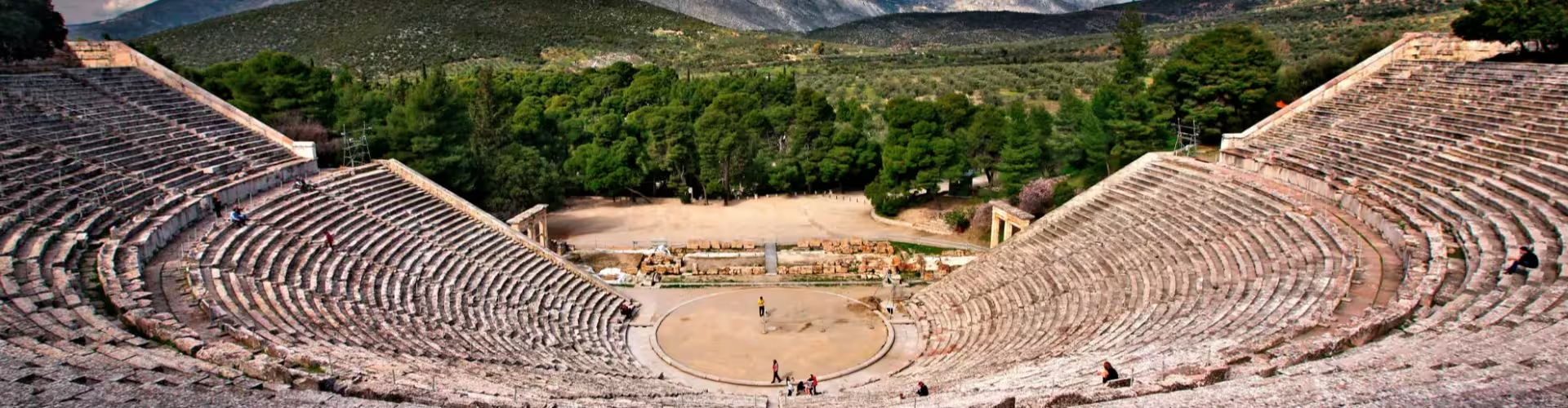
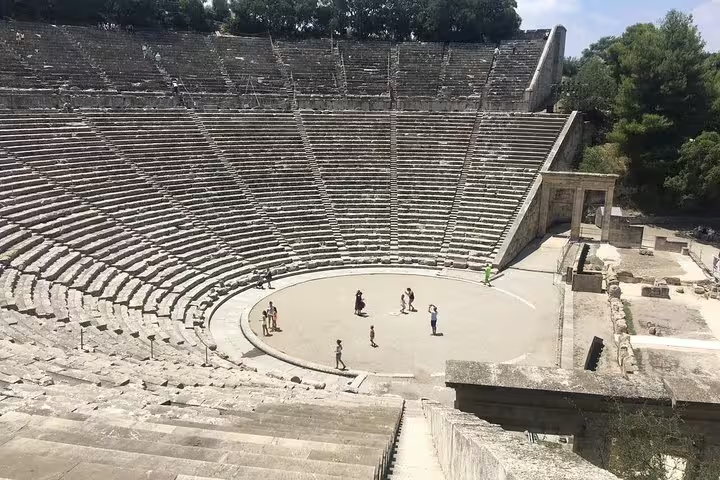
    This is the cultural anchor of Epidaurus, celebrated for its design and the way the surrounding hills amplify the sense of place. Even if you are not a specialist, the site communicates how performance, ritual, and landscape were connected in antiquity. Practical tip, arrive earlier in the day for a quieter walk and clearer photos, then linger to notice how the seating, stage area, and views align.

    2) Sanctuary and Archaeology Walk
    Beyond the headline theatre, the broader sanctuary setting helps you understand why people traveled here historically and how healing, worship, and community life overlapped. The experience is as much about the layout and atmosphere as it is about individual stones. Practical tip, bring water and sun protection, and take time to read interpretive signs slowly rather than rushing for a checklist visit.

    3) Coastal Reset at the Harbor
    The nearby coast gives Epidaurus its relaxed counterbalance to the archaeological intensity. A simple harbor stroll, a coffee with a sea view, and an unhurried swim can make the day feel complete rather than over programmed. Practical tip, schedule your coastal time after the main site visit so you can cool down and eat well without watching the clock.

    4) Scenic Drive Through Argolis
    This part of the Peloponnese is made for road trips, with short distances between major points of interest and frequent viewpoints where you can stop for photos. The drive itself becomes part of the travel story, especially if you enjoy olive groves, rolling hills, and flashes of coastline. Practical tip, download offline maps before you set out, since rural coverage can vary.

    5) Slow Food Taverna Evening
    Local dining is one of the most satisfying ways to experience Epidaurus, because it reinforces the destination’s unhurried rhythm. A long meal lets you try seasonal produce, grilled seafood, and classic Greek comfort dishes while watching the town settle into evening. Practical tip, aim for a later dinner time, and ask what is freshest today rather than ordering only from habit.

    6) Golden Hour Photography Walk
    The light in the Peloponnese can be transformative, and Epidaurus benefits from landscapes that look different hour by hour. Golden hour is ideal for softer shadows, warmer stone tones, and calmer coastal scenes. Practical tip, pack a light layer for evenings, and keep your route simple so you can focus on composition rather than logistics.

    7) Combine with Peloponnese Classics
    One reason travelers love this area is how easily it connects to the rest of Argolis. Pairing Epidaurus with nearby historic towns and major archaeological sites creates a fuller narrative of ancient Greece. Practical tip, cluster nearby stops on the same day to reduce backtracking, and leave time for a flexible lunch rather than strict time slots.

    8) Mindful Pace, Fewer Stops, Deeper Memory
    The most underrated experience here is choosing quality over quantity. When you give the theatre and sanctuary time, then balance it with sea air and a good meal, the destination feels coherent rather than rushed. Practical tip, plan one major cultural highlight and one restorative highlight per day, and you will likely enjoy the region more.


    🚶 Curated Itineraries

    ⏰ The Highlights (1 Day): A fast-paced Best Of route.

    Start early with the main archaeological visit, focusing on the theatre first, then walking the wider sanctuary area at a steady pace. Break for a simple lunch and a rest, then shift to the coast for a swim or harbor stroll as the afternoon cools. End with a taverna dinner, and keep the evening open for a short walk so the day closes gently rather than abruptly.

    ⏰ Deep Dive (2-3 Days): Adding neighborhood exploration and local secrets.

    Day one, dedicate your best energy to the theatre and sanctuary, then spend the late afternoon by the water. Day two, use Epidaurus as a base for a wider Argolis loop, adding a historic town and another major site, then return for a slower dinner. If you have a third day, keep it intentionally light, prioritize beach time, a scenic drive with photo stops, and one extra cultural visit based on your interests.


    🍽️ Flavors of Epidaurus

    Greek salad, horiatiki
    Crisp vegetables, briny feta, and olive oil that tastes peppery and green. Ordering tip, ask for local olive oil, and do not rush it, it pairs best with bread and conversation.

    Grilled fish or seafood
    Clean flavors, simple seasoning, and a focus on freshness rather than heavy sauces. Ordering tip, ask what arrived today, and choose based on the recommendation rather than the longest menu description.

    Souvlaki or grilled meats
    Smoky, savory, and satisfying after a day of walking. Ordering tip, if you want value, pair it with a simple side and a shared salad instead of ordering many separate starters.

    Meze plates
    Small dishes that let you sample textures and flavors, from creamy dips to fried bites and marinated vegetables. Ordering tip, order gradually, start with two or three, then add more once you see portion sizes.

    Feta and local cheeses
    Salty, tangy, and ideal with tomatoes, olives, and bread. Ordering tip, ask if there is a local cheese option beyond standard feta for a more regional taste.

    Bakery snacks
    Quick, practical, and perfect for travel days, often savory and easy to carry. Ordering tip, buy earlier in the day for the widest selection, and keep napkins handy for the car.


    🚌 Navigation & Transport

    The easiest way to connect Epidaurus with the wider Peloponnese is by car, since many travelers combine multiple sites and coastal stops in Argolis. Within the immediate area, short walks work well for harbors and town stretches, while archaeological visits are best approached with comfortable walking shoes and sun protection. If you prefer not to drive, consider building your trip around a limited set of stops, then using pre arranged transfers or organized tours to reduce friction. For safety and comfort, carry water in warm months, watch for uneven ground at ancient sites, and plan extra time if anyone in your group needs a slower pace.


    🌄 Beyond the Center: Day Trips

    Nafplio
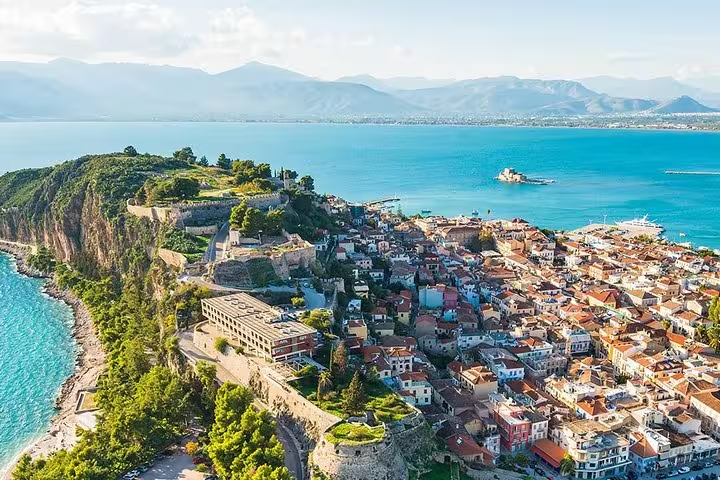
    A classic Argolis town for waterfront strolls and an elegant old town atmosphere. Travel time varies by route, but it is commonly combined with other stops on a single day. Primary reason to visit, a change of pace from ruins to lived in historic streets.

    Mycenae
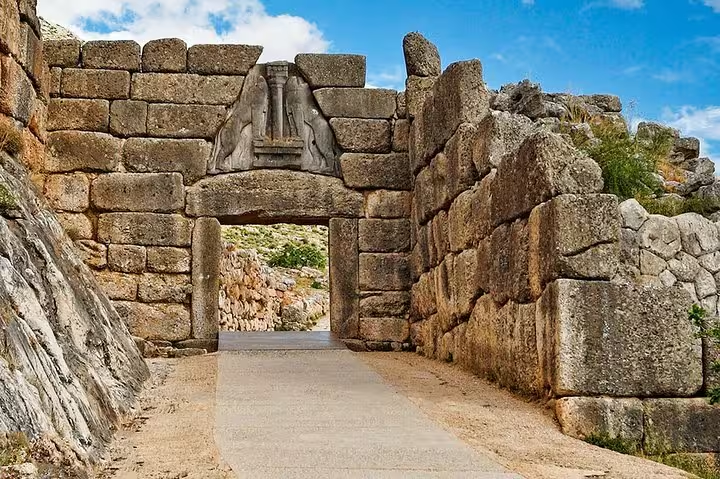
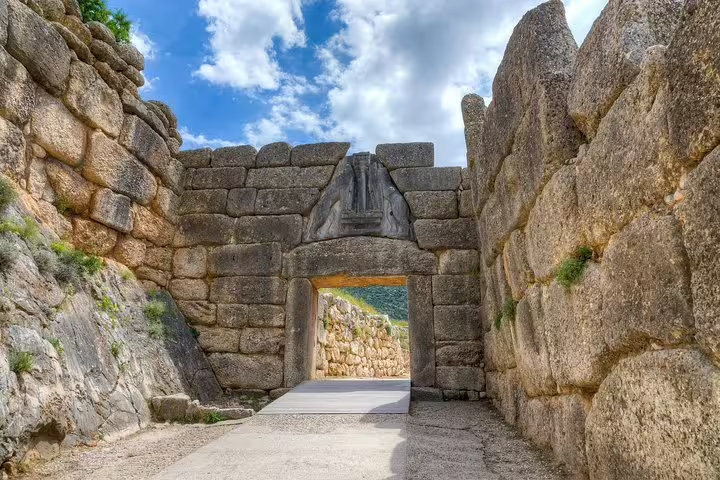
    One of the most important archaeological destinations in Greece, often paired with Argolis itineraries. Travel time varies, and it is best visited with enough time to walk slowly and absorb the setting. Primary reason to visit, a deeper layer of ancient history that complements Epidaurus.

    Ancient Corinth and the Corinth Canal area
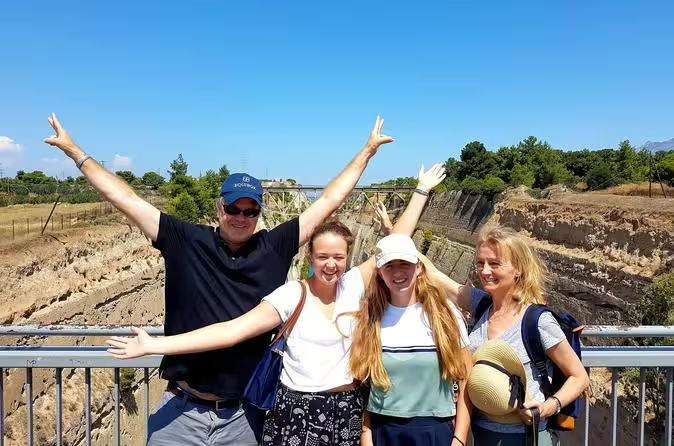
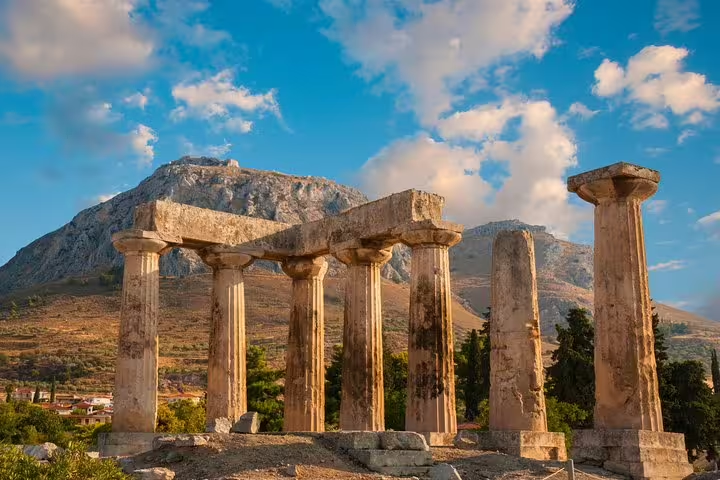
    A natural routing point if you are entering the Peloponnese from Athens. Travel time depends on your base, but it often fits well on arrival or departure days. Primary reason to visit, dramatic geography and another major ancient context.

    Hydra or other Saronic Gulf islands
    If your broader trip includes the Saronic Gulf, an island day adds a different visual palette and a break from driving. Travel time varies based on where you connect to boats. Primary reason to visit, a sea focused day that balances archaeological sightseeing.


    ✅ Insider Tips for Travelers

    • Start early for your main archaeological visit, then save coastal time for the afternoon when the heat is stronger.
    • Pack a hat, sunscreen, and water, especially in warmer months, shade can be limited at open sites.
    • Wear shoes with grip, ancient stones and paths can be uneven.
    • Keep cash for small purchases and tips, even if you plan to pay by card most of the time.
    • Build in buffer time between stops, the Peloponnese rewards spontaneous viewpoints and unplanned coffee breaks.
    • For photos, prioritize golden hour, stone surfaces and sea views look richer in softer light.
    • Order food based on what is freshest today, this is often the best value and the best meal.

    ❓ Frequently Asked Questions, FAQ

    How much time should I plan for Epidaurus?
    Most travelers find that a focused visit works well as a half day to full day, depending on pace and how long you stay by the coast. If you want a calmer rhythm, consider adding an overnight so you can split culture and seaside time.

    Is Epidaurus better as a day trip or an overnight stop?
    It works as a day trip if you are moving through Argolis quickly and prioritizing highlights. An overnight is better if you want a quieter evening meal, a slower morning, and less time pressure at the main site.

    Do I need a car to get around?
    A car makes it easier to connect multiple Argolis sites and beaches efficiently, especially on a 2 to 3 day plan. Without a car, you can still visit by focusing on fewer stops and using organized tours or pre arranged transfers.

    What should I wear for the archaeological areas?
    Choose comfortable walking shoes and breathable clothing, then add sun protection like a hat and sunscreen. Bring water, and plan for uneven ground in places.

    When is the least crowded time to visit Epidaurus?
    Earlier starts tend to feel quieter, especially at the most famous areas. Shoulder season travel usually brings a calmer atmosphere than peak summer, while still offering strong light and pleasant days.

    This guide to Epidaurus is created by Toursxplorer.com to help travelers plan routes, prioritize key experiences, and connect archaeological highlights with coastal downtime. It focuses on practical decision support for visiting Epidaurus within Argolis and the wider Peloponnese.
    Europe, Greece, Peloponnese, Argolis, Epidaurus