Pylos-Nestoras

A practical guide to Pylos-Nestoras with what to do, how to get around, when to go, food highlights, day trips, and ready-to-use 1 to 3 day itineraries.

logoBlack

Build your dream
experience

dreamimg

More to know about Pylos-Nestoras


Pylos-Nestoras Travel Guide

Pylos-Nestoras blends seaside calm with layers of Peloponnesian history, where harbor views, rural villages, and archaeological landmarks sit within easy reach of each other. This guide focuses on decision-ready planning, what to prioritize, how to pace your days, and how to move around efficiently without overcomplicating logistics. Expect a destination that feels both polished and grounded, with nature, culture, and food all competing for your attention.


Snapshot

Pylos-Nestoras delivers an Ionian-facing vibe that is relaxed, scenic, and quietly historic, with a strong sense of place shaped by sea routes and ancient kingdoms. It is ideal when you want a Peloponnese base that balances beaches, viewpoints, and major heritage sites without long daily transfers. Go now if you want a slower rhythm than big city Greece, plus the option to build days around sunlight, coastline walks, and meaningful ruins.


๐Ÿ—บ๏ธ Geography and Logistics

๐Ÿ“ Orientation: Where is it within Peloponnese and Greece?

Pylos-Nestoras is in the southwestern Peloponnese, facing the Ionian Sea and positioned within a wider cluster of coastal landscapes and inland archaeological areas. For most travelers, the practical gateways are major Greek hubs on the mainland and Peloponnese road connections, with onward travel typically handled by car or pre-arranged transfers. Once you are in the area, distances between beaches, viewpoints, and historical sites are manageable, which makes it well suited to a flexible, day-by-day plan.

๐Ÿ•’ When to Go: Seasonal breakdown

Travel timing in this part of Greece is usually a choice between warm-weather beach days and cooler, quieter sightseeing. In peak summer, expect the most vibrant atmosphere and the easiest beach conditions, with higher demand and fuller roads. Shoulder seasons tend to suit travelers who want comfortable walking temperatures and a calmer pace, especially if your priorities include archaeology, viewpoints, and longer meals rather than full beach days.

๐Ÿ’ฐ Budget & Currency: Practical money tips

Greece uses the euro, and your day-to-day spending in Pylos-Nestoras can range from simple seaside meals to more curated dining and organized excursions. Carry some cash for small purchases and rural stops, and use cards where accepted for lodging and larger bills. A practical approach is to budget with buffer room for spontaneous detours, such as an extra beach stop, a museum visit, or a longer lunch when the view is too good to rush.


โญ Essential Things to Do

These experiences are curated to help you decide what is truly worth your time, especially if you are balancing coast, culture, and comfort. Use them as building blocks for your itinerary, and cluster nearby sights to reduce backtracking.

  • Harbor and Waterfront Stroll
    Why it matters: The waterfront is where the destination’s rhythm becomes clear, with sea views that frame the day from morning light to evening calm. It is an easy way to orient yourself and get a feel for distances before committing to longer drives. Practical tip: Plan a first walk shortly after arrival, then return around sunset for softer light and a more atmospheric scene.

  • Coastal Viewpoints and Photo Stops
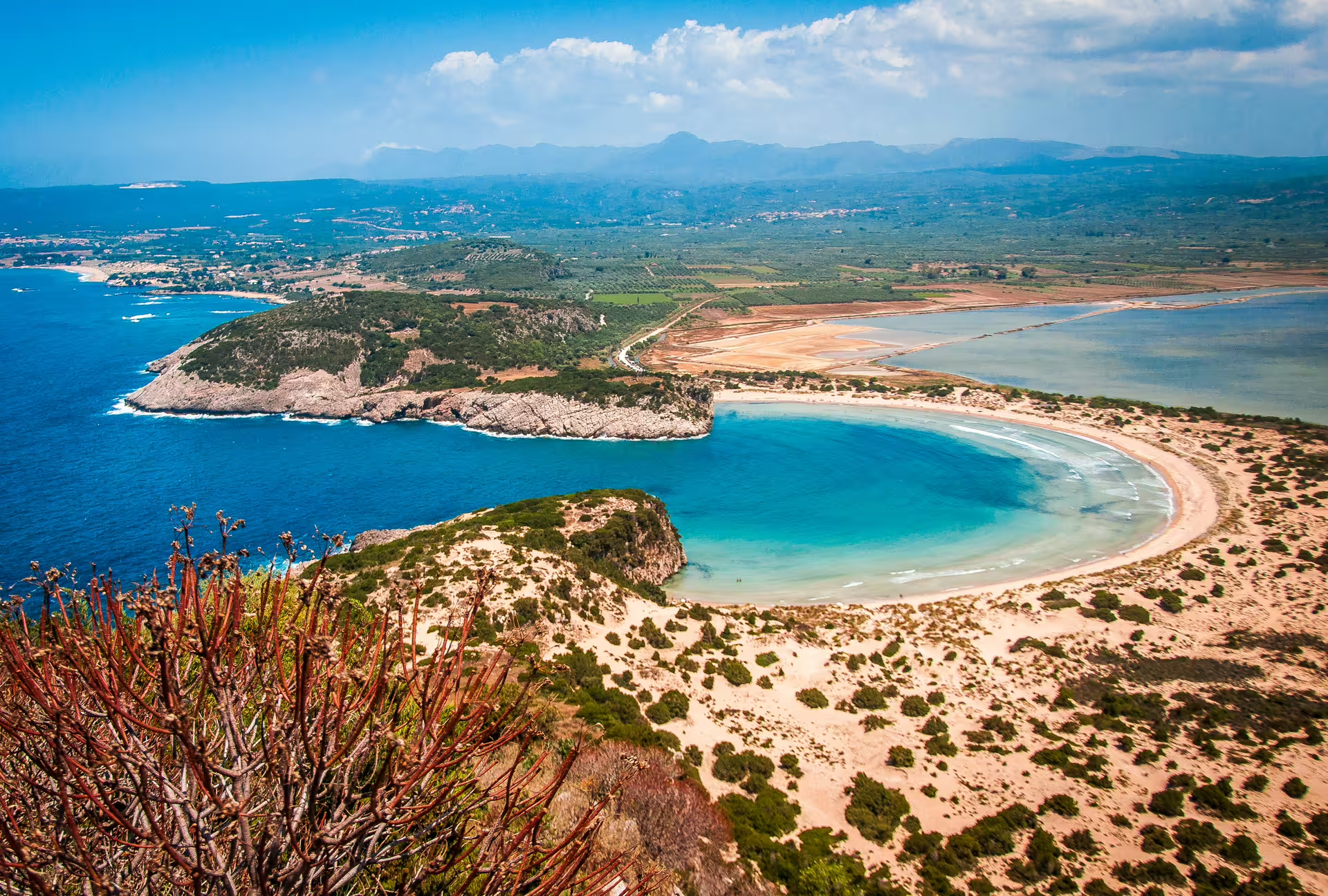
    Why it matters: Southwestern Peloponnese landscapes reward slow travel, especially where hills meet the Ionian coastline. Viewpoints help you understand the geography that shaped settlement patterns and sea travel. Practical tip: Keep your schedule loose so you can stop when visibility is clear, and pack water if you plan to linger.

  • Archaeology-Focused Half Day
    Why it matters: This region connects directly to major narratives of Mycenaean-era Greece, and nearby archaeological sites provide context that elevates the entire trip. Even if you are not a history specialist, the scale and setting make the past feel tangible. Practical tip: Go earlier in the day for more comfortable walking conditions, then follow with a long lunch to reset.

  • Beach Time with a Purpose
    Why it matters: The coast here is not only for swimming, it is part of the destination’s identity, shaping local food, daily routines, and the overall sense of space. A dedicated beach block prevents you from squeezing the sea into leftover time. Practical tip: Choose one beach for a full stretch rather than hopping, then add one short stop elsewhere for variety.

  • Local Village Loop
    Why it matters: Villages around Pylos-Nestoras highlight a quieter side of the Peloponnese, where everyday life is visible in small squares, cafés, and family-run tavernas. This is where you feel the difference between a coastal resort day and a lived-in region. Practical tip: Pair a village visit with a scenic drive, and avoid rushing, since the value is in the slow pace.

  • Food-First Evening in Town
    Why it matters: Local dining is one of the most reliable ways to connect with place, especially in coastal Greece where seafood, olive oil, and seasonal produce shape menus. An intentional evening out also helps you recover from active days of driving and sightseeing. Practical tip: Ask what is freshest today, then order a few shared plates so you can taste more without overcommitting.

  • Nature Walks and Light Hikes
    Why it matters: Even short walks shift the experience from sightseeing to immersion, especially when you move away from roads and into quieter coastal or rural scenery. These moments often become the memories that feel most personal. Practical tip: Wear stable shoes and bring sun protection, since shade can be limited depending on the route.

  • Slow Morning Routine
    Why it matters: This is a destination that rewards unhurried travel, and a slow morning helps you avoid turning a coastal base into a checklist. It also positions you to travel later when the light is better for photos and the day feels less compressed. Practical tip: Build one morning with no fixed plans, then decide your next stop based on weather and energy.


๐Ÿšถ Curated Itineraries

โฐ The Highlights (1 Day)

Start with a waterfront walk to get oriented, then commit to a single anchor experience, either a major archaeological visit or a signature beach block. Break midday with a long lunch, since the region’s pace is part of the appeal and it prevents fatigue. Finish with a viewpoint stop and a relaxed dinner, keeping the evening flexible so you can follow the best light and the best atmosphere.

โฐ Deep Dive (2 to 3 Days)

Day one works best as an orientation day, combining the harbor, an easy scenic drive, and an unhurried meal that sets your baseline for timing and distances. Day two can be your culture day, with archaeology and nearby heritage areas, followed by a calm evening in town. If you have a third day, dedicate it to a village loop and a longer beach session, then end with a final waterfront stroll to close the trip on a simple, memorable note.


๐Ÿฝ๏ธ Flavors of Pylos-Nestoras

  • Grilled Seafood
    Taste profile: Clean, briny, and lightly smoky, often enhanced with lemon and olive oil. Ordering tip: Ask what was caught or delivered most recently, and choose that rather than defaulting to the familiar.

  • Greek Salad
    Taste profile: Bright, crisp, and salty, with tomatoes, cucumber, feta, and oregano doing the heavy lifting. Ordering tip: Order it early in the meal so it arrives at peak freshness and sets up the rest of the table.

  • Meze Plates
    Taste profile: A mix of savory, tangy, and herbal flavors, designed for sharing and pacing. Ordering tip: Pick a few contrasting plates, then add more only after you see portion sizes.

  • Souvlaki or Grilled Meat Plates
    Taste profile: Simple, satisfying, and seasoned rather than heavily sauced, often paired with bread and salads. Ordering tip: If you want variety, order one meat dish and one seafood dish for the table.

  • Local Olive Oil Forward Dishes
    Taste profile: Fruity, peppery richness that carries vegetables, legumes, and grilled items. Ordering tip: Notice which dishes are dressed generously, then ask for extra bread to make the most of it.

  • Seasonal Fruit or Spoon Sweets
    Taste profile: Sweet, fragrant, and often served as a small finish to a meal. Ordering tip: If offered as a house treat, accept it and treat it as part of local hospitality rather than an add-on.


๐ŸšŒ Navigation & Transport

Getting around Pylos-Nestoras is typically easiest with a car, since many beaches, viewpoints, and archaeological areas are spread out across coastal and rural roads. Within town areas, walking is practical for waterfront routes and short errands, and it is often the best way to absorb the atmosphere without parking concerns. If you are not driving, consider arranging transfers for your highest priority day trips, and keep your daily plan compact so you are not dependent on frequent connections.

For safety and comfort, plan for sun exposure during walks, and drive with patience on smaller roads where visibility can vary. If accessibility is a concern, prioritize waterfront areas and viewpoints with straightforward access, and build in more breaks so the day remains enjoyable.


๐ŸŒ„ Beyond the Center: Day Trips

  • Coastal Beach Hopping Loop
    Travel time: Short to moderate drives depending on stops. Reason to visit: Variety of scenery, swimming conditions, and viewpoints, ideal when you want a nature-led day.

  • Archaeological Sites in the Wider Region
    Travel time: Moderate drive. Reason to visit: Adds depth and context to your understanding of the Peloponnese, especially if you want more than a beach holiday.

  • Rural Villages and Countryside Roads
    Travel time: Short to moderate drive. Reason to visit: A slower, more local perspective, plus opportunities for traditional meals and quiet scenery.

  • Scenic Viewpoint Circuit
    Travel time: Flexible. Reason to visit: Best for photographers and travelers who want a low-effort, high-reward route built around light and landscape.


โœ… Insider Tips for Travelers

  • Plan each day around one anchor activity, then add optional stops nearby to avoid overdriving.
  • Start cultural visits earlier, then reserve afternoons for the coast and slower meals.
  • Carry cash for small purchases and rural stops, and keep cards for larger bills.
  • Pack sun protection and water for viewpoint stops and nature walks, shade can be limited.
  • For food, ask what is freshest today, then order shared plates to taste more with less risk.
  • Build at least one unplanned morning, it helps you adjust to weather and energy levels.

โ“ Frequently Asked Questions, FAQ

How many days do you need to enjoy the area?

One day covers a quick mix of waterfront time plus one major activity, such as a beach block or archaeology. Two to three days feels more balanced, with room for villages, viewpoints, and slower meals.

Is it better to stay flexible or plan everything in advance?

A hybrid approach works best, lock in your lodging, then keep daily plans flexible for weather and energy. Flexibility also helps you follow the best light for viewpoints and photo stops.

Do you need a car in Pylos-Nestoras?

For most travelers, a car makes Pylos-Nestoras much easier, especially for beaches, rural villages, and archaeological visits. If you do not drive, keep your itinerary compact and consider arranging transfers for priority day trips.

What is the best time of day for sightseeing and photos?

Mornings are typically best for active sightseeing, especially if you plan to walk more. Late afternoon and sunset are ideal for waterfront scenes and viewpoints thanks to softer light.

What kind of trip is Pylos-Nestoras best for?

Pylos-Nestoras suits travelers who want a calm coastal base with meaningful cultural context nearby. It is especially good if you like alternating beach time with heritage sites and long, food-focused evenings.