
Build your dream
experience

More to know about Argolis
Argolis Travel Guide
Argolis is a standout corner of the Peloponnese where ancient sanctuaries, fortress towns, and sea edged promenades sit within easy reach of each other. This guide focuses on practical decisions, what to prioritize, how to route your days, and how to match experiences to your travel style. Expect a mix of big name heritage and slower coastal moments that make Argolis feel both iconic and livable.
Snapshot
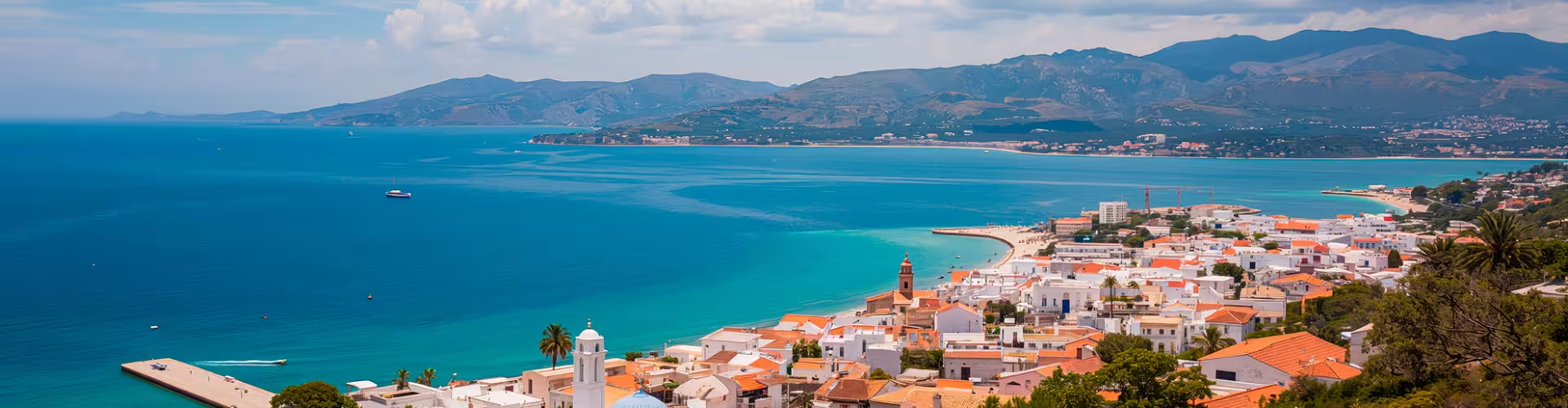
Argolis blends classical Greece with a relaxed coastal rhythm, so you can pair world famous archaeology with waterfront dining in the same day. The signature vibe is sunlit history, stone alleys, and quick drives between dramatically different landscapes, from plains to harbors. Go when you want maximum variety with minimal transit stress, because the region rewards short, well planned hops.
🗺️ Geography and Logistics
📍 Orientation: Where is it within Peloponnese and Greece?
Argolis sits in the northeastern Peloponnese, positioned as a natural bridge between mainland Greece and the southern peninsula. It is commonly approached via Athens and the wider Attica area, then continued by road into the Peloponnese, which makes it a popular first stop on a longer regional loop. The geography is defined by a mix of fertile inland plains and coastal towns, so your base choice shapes whether your days feel more archaeological, seaside, or balanced.
🕒 When to Go: Seasonal breakdown
Seasonality in this part of Greece typically follows a clear pattern, warmer months bring the highest demand, while shoulder seasons tend to feel calmer and easier for sightseeing. If your priority is comfortable walking for ruins and old towns, aim for periods when daytime heat is less intense and evenings are pleasant for waterfront dinners. If your priority is a beach forward itinerary, the warm season supports longer days outdoors, but you should plan earlier starts for major sites to reduce crowd friction.
💰 Budget & Currency: Practical money tips
Greece uses the euro, and most travelers find that a mix of card payments and some cash works best for daily flexibility. Keep small notes and coins for quick purchases, local snacks, and parking, especially in smaller towns or at informal stops. Budget levels can vary widely depending on whether you stay in a coastal hub or a quieter inland base, so decide early if you want to spend more for sea views and walkability or save by staying slightly outside the busiest areas.
⭐ Essential Things to Do
Ancient Mycenae. This is one of the key anchors for understanding Bronze Age Greece and the myths that shaped later storytelling. Walking through monumental stonework helps you visualize how power, trade, and defense intersected in early city states. Practical tip, go early in the day for cooler temperatures and clearer photos, and pair it with a second nearby site to make the drive feel efficient.
The Theater of Epidaurus. Known for its design and acoustics, this site shows how art, civic life, and sacred landscapes were woven together. Even without a performance, the scale and setting make it easy to imagine the social importance of theater in antiquity. Practical tip, bring water and take your time on the seating tiers, it is a better experience when you move slowly and pause for views.
Nafplio Old Town and Waterfront. A stroll here is about atmosphere, neoclassical facades, small squares, and a promenade that encourages lingering rather than rushing. It is also a strong base for travelers who want evenings that feel romantic and easy after day trips. Practical tip, wear comfortable shoes for polished stone streets, and plan a late afternoon walk when the light softens and shops feel lively.
Palamidi Fortress. The climb and the ramparts deliver a clear sense of why fortifications mattered in a region contested across centuries. The views help you read the landscape, harbor, hills, and the logic of defense. Practical tip, go with sun protection and allow extra time, because the most memorable part is exploring angles and viewpoints, not just reaching the top.
Bourtzi Castle. This small sea fortress is a visual symbol of Nafplio and a quick way to add variety to an itinerary heavy on ruins. It is less about long exploration and more about perspective, seeing the town from the water and understanding harbor protection. Practical tip, time it around golden hour for photos, and keep it as a light add on rather than a main event.
Ancient Tiryns. Often paired with Mycenae, Tiryns deepens the story with its massive Cyclopean walls and a more compact, focused visit. It is a strong choice if you enjoy architectural detail and want a site that feels less sprawling. Practical tip, combine it with a coastal stop for lunch, it creates a satisfying contrast between stone citadels and sea air.
Argos and its layered history. Argos is one of the oldest continuously inhabited areas in Greece, and its layers make it a rewarding stop for travelers interested in continuity rather than a single era. The appeal is the sense of everyday life around ancient remnants. Practical tip, keep expectations flexible and treat it as a contextual visit that enriches the bigger headline sites in Argolis.
Beach time on the Argolic Gulf. The coastline gives you a reset between cultural stops, with swimming and seaside tavernas as an easy reward after a morning of walking. Even a short coastal break can make a history heavy itinerary feel more balanced. Practical tip, pack a light beach kit in your day bag, so you can pivot when the weather is ideal.
🚶 Curated Itineraries
⏰ The Highlights (1 Day)
Start with a morning archaeological focus, choose Ancient Mycenae first while energy is high and light is clean for photos. Continue to Ancient Tiryns for a shorter, complementary visit that adds depth without overextending your schedule. Shift into the afternoon in Nafplio, take in the old town lanes, then finish with a waterfront walk and a relaxed dinner to close the day with atmosphere.
⏰ Deep Dive (2-3 Days)
Day one, anchor your trip with Mycenae and Tiryns, then spend the evening in Nafplio for an easy, scenic reset. Day two, prioritize The Theater of Epidaurus, then build in unstructured time for Nafplio, Palamidi Fortress, and the harbor, so the day feels immersive rather than rushed. Day three, add Argos for context and choose a coastal break on the Argolic Gulf, this is the day that makes Argolis feel like a region rather than a checklist.
🍽️ Flavors of Argolis
Greek salad with local olive oil. Crisp vegetables, briny feta, and herbal notes from oregano make it a clean, cooling counterpoint to warm weather sightseeing. Ordering tip, ask for it as a shareable starter, it pairs well with grilled mains.
Souvlaki and grilled meats. Simple, smoky, and satisfying, this is a reliable option when you need a fast meal between sites. Ordering tip, choose pita wrapped versions for portability on travel days.
Fresh seafood by the water. Expect clean flavors, lemon, olive oil, and a focus on freshness rather than heavy sauces. Ordering tip, ask what is fresh today, then build the meal around that suggestion.
Moussaka. A hearty baked dish with layered textures that feels especially comforting after a long day of walking. Ordering tip, it can be filling, consider sharing if you want room for dessert.
Meze plates. Small dishes encourage variety and a slower meal, which fits the region’s evening rhythm. Ordering tip, order in rounds, start light, then add favorites once you know what you like.
Local wine. The Peloponnese has a strong wine tradition, and a glass with dinner is an easy way to connect with regional identity. Ordering tip, ask for a local option by the glass if you want to sample without committing to a bottle.
🚌 Navigation & Transport
Getting around Argolis is typically easiest by car, because major archaeological sites and coastal towns are spread out and the best days often involve multiple stops. Within Nafplio and similar towns, walking is ideal, old town streets reward a slower pace and many areas feel more enjoyable without a vehicle. If you prefer not to drive, plan a hub based trip and use organized day tours or pre arranged transfers for key sites, and always leave buffer time because short distances can still take longer due to parking and town traffic.
🌄 Beyond the Center: Day Trips
Hydra. A popular island day trip concept from the wider region, known for a distinctive harbor atmosphere and a change of pace from mainland touring. Travel time varies by your starting point and the connection method, so treat it as a full day commitment. Primary reason to visit, a scenic island reset and photogenic waterfront.
Spetses. Another island style day that pairs well with a Peloponnese itinerary when you want sea views and a different rhythm. Travel time depends on connections and season, so plan logistics in advance. Primary reason to visit, coastal culture and a relaxed, walkable feel.
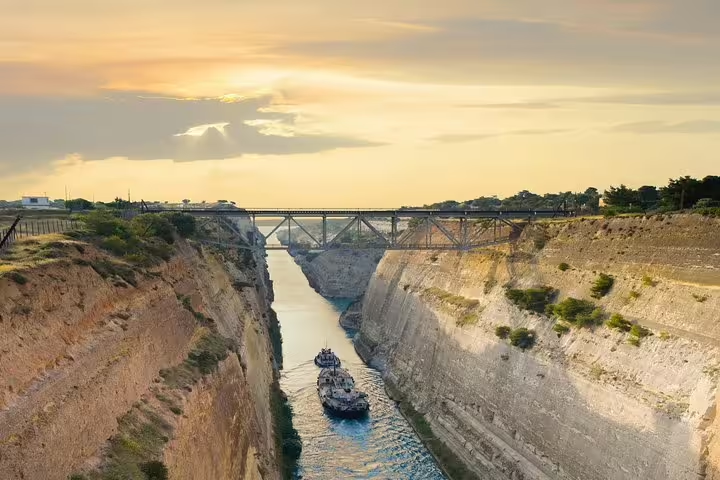
Corinth Canal area. Often approached on the way between Athens and the Peloponnese, it works as a quick stop that breaks up a road journey. Travel time is short if you are already transiting the corridor. Primary reason to visit, a dramatic engineering landmark and a convenient photo stop.
✅ Insider Tips for Travelers
- Start major sites earlier in the day for cooler walking conditions and easier photography.
- Bundle nearby ancient sites in one day to reduce backtracking and make driving time feel worthwhile.
- Carry small cash for quick purchases and parking, even if you plan to pay by card most of the time.
- Wear shoes with grip for fortress steps and old town stone streets.
- Pack sun protection and water, especially on days that combine archaeological parks and hilltop viewpoints.
- Plan dinners in a coastal base when possible, evenings are when the region’s atmosphere feels most rewarding.
❓ Frequently Asked Questions, FAQ
Is Argolis better as a day trip or an overnight stay?
It works as a long day trip if you focus on one or two major sites and a single town. An overnight stay makes the pace calmer and gives you time for an evening waterfront walk and a slower dinner.
Do I need a car to explore Argolis?
A car makes it easier to connect archaeological sites and coastal towns in one itinerary. If you do not drive, choose one base and use organized tours or transfers for the biggest highlights.
How should I combine Mycenae and Epidaurus?
They can fit into a two day plan comfortably, with Mycenae paired with Tiryns, then Epidaurus on a separate day. This keeps each visit enjoyable and reduces the feeling of rushing from site to site.
What is the best base for first timers in Argolis?
Nafplio is a common choice because it is scenic, walkable, and well positioned for day trips. It also offers an easy evening routine after exploring Argolis during the day.
What should I pack for a trip focused on ruins and fortresses?
Bring comfortable walking shoes, sun protection, and a reusable water bottle. A light layer for evenings is helpful if you plan to stay out for waterfront dining.
This guide was created by Toursxplorer.com to help travelers plan a practical, experience led trip through Argolis in the Peloponnese. It summarizes key sights, routing ideas, and on the ground considerations to support confident decisions.
Europe, Greece, Peloponnese, Argolis