Arcadia

Arcadia is the mountainous heart of the Peloponnese, ideal for scenic drives, village hopping, hikes, and slow taverna meals. Plan when to go, what to do, what to eat, and how to get around with practical tips.

logoBlack

Build your dream
experience

dreamimg

More to know about Arcadia


Arcadia Travel Guide

Arcadia is the mountainous heart of the Peloponnese, a region defined by stone built villages, deep forests, and high plateaus that feel a world away from Greece’s beach focused headlines. It is a destination for travelers who want cool air in summer, cozy tavernas in winter, and road trips that reward curiosity with dramatic scenery. Use this guide to plan a practical, experience rich trip that balances nature, culture, and local food without rushing.


Snapshot

Arcadia delivers a slow, alpine leaning Greece, think pine scented hikes, traditional settlements, and big sky viewpoints rather than crowded promenades. The signature vibe is outdoorsy and authentic, with a strong sense of place shaped by mountain life and seasonal rhythms. Go now if you want a quieter Peloponnese base that works across the year, especially if you enjoy road travel and village hopping.


🗺️ Geography and Logistics

📍 Orientation: Where is it within Peloponnese and Greece? Name key gateway airports or hubs.

Arcadia sits in the central Peloponnese, making it a natural crossroads for travelers linking coastal regions with the peninsula’s interior. The regional capital, Tripoli, is a common hub for moving around the area by road, and many routes radiate from it toward mountain villages and trailheads. Typical gateways for international and domestic arrivals include Athens and Kalamata, then onward travel by car or bus into the mountains.

🕒 When to Go: Seasonal breakdown. Weather patterns vs. crowd levels.

Spring and early summer bring green landscapes and comfortable temperatures for walking, hiking, and long lunches outdoors. Mid summer can still feel pleasant in the mountains compared with the coast, which is part of Arcadia’s appeal, although popular villages can be busier on weekends. Autumn is ideal for road trips and food focused travel, while winter suits travelers who enjoy crisp air, fireplaces, and a more local pace, with conditions depending on elevation.

💰 Budget & Currency: Practical money tips, local price levels, and card vs. cash advice.

Greece uses the euro, and in mountain areas it is smart to carry some cash for small purchases, especially in smaller villages. Cards are widely accepted in many restaurants and accommodations, but connectivity can be less reliable in remote spots, so a cash backup reduces stress. Budget wise, the value in Arcadia often comes from generous portions, simple local ingredients, and experiences that are nature based rather than ticket based.


⭐ Essential Things to Do

Arcadia rewards travelers who mix scenic drives with short walks, village time, and food stops. Use these curated ideas as building blocks, then adjust based on weather and your preferred pace.

  • Mountain Village Hopping
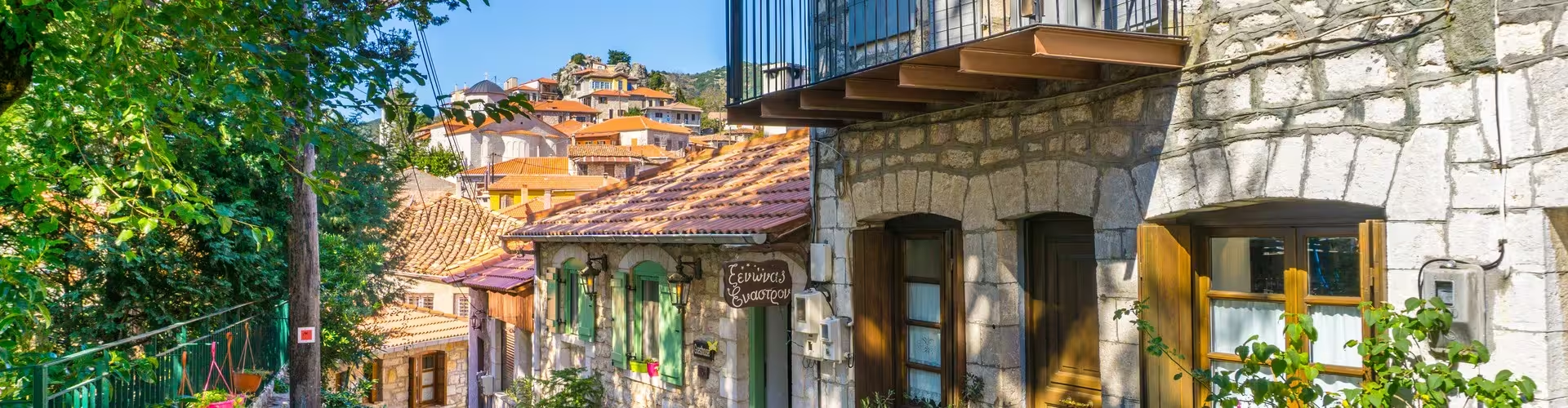
    Why it matters, the region’s character is best understood through its villages, where stone architecture, small squares, and local cafés create a lived in atmosphere. Each stop feels distinct because altitude, terrain, and local traditions shape what you see and taste. Practical tip, plan a loose loop and leave room for spontaneous viewpoints, then avoid over scheduling so you can linger when a place clicks.
  • Scenic Road Trip Through the Highlands
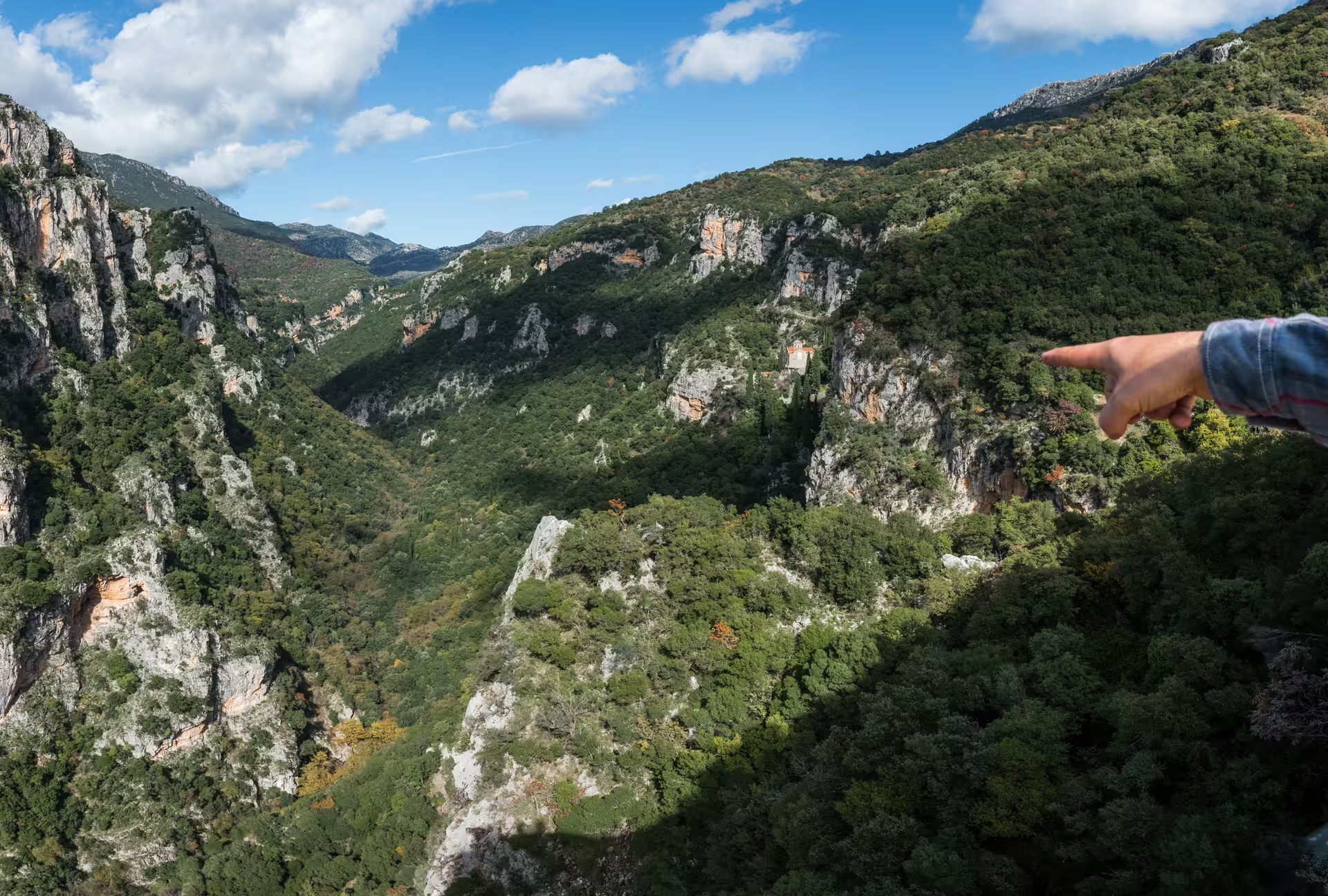
    Why it matters, the interior landscapes are the headline, with forests, ridgelines, and wide valleys that show a different side of Greece. A drive helps you connect multiple micro regions in one day without feeling rushed. Practical tip, start earlier in the day for clearer light and easier parking in popular stops, then keep water and layers in the car because conditions change with elevation.
  • Hiking and Nature Walks
    Why it matters, walking routes reveal the textures of Arcadia, from pine forests to open plateaus, and they offer a quiet counterpoint to busier coastal itineraries. Even short walks can feel immersive because the air is cooler and the scenery is expansive. Practical tip, choose routes that match your fitness and daylight, and ask locally about trail conditions after rain or winter weather.
  • Tripoli as a Practical Base
    Why it matters, Tripoli is central, so it can simplify logistics when you want day trips in multiple directions. It is also useful for stocking up on essentials before heading into smaller settlements. Practical tip, use Tripoli for one night if you want flexibility, then shift to a village stay once you know which landscapes you want most.
  • Local Tavernas and Slow Meals
    Why it matters, mountain food culture is built around hearty cooking, seasonal ingredients, and long social meals. Dining is a core experience, not just a refuel stop, and it is one of the easiest ways to connect with local rhythm. Practical tip, aim for an early lunch after a morning drive or walk, then ask what is cooked today rather than defaulting to the most familiar options.
  • Photography at Viewpoints
    Why it matters, the region’s scale is best captured from overlooks, where layers of hills and valleys create depth and drama. Light changes quickly in mountainous terrain, which can turn a familiar road into a new scene within minutes. Practical tip, plan one viewpoint stop near late afternoon for warmer light, and keep your camera accessible because the best moments are often unplanned.
  • Seasonal Atmosphere in Winter
    Why it matters, winter highlights the cozy side of Arcadia, with fireplaces, warm dishes, and a quieter, more local feel. It can be a refreshing alternative to city breaks if you want calm and nature. Practical tip, pack proper footwear and a warm layer, then build flexibility into your schedule in case higher roads are slower after cold nights.
  • Culture and Storytelling in the Landscape
    Why it matters, Arcadia is more than scenery, it is a name that carries cultural weight and a long association with pastoral Greece. Even without visiting a single museum, you feel how mountains shape settlement patterns, agriculture, and daily life. Practical tip, ask hosts or taverna staff about local traditions and seasonal products, then follow their suggestions for the most meaningful stops.

🚶 Curated Itineraries

⏰ The Highlights (1 Day): A fast-paced “Best Of” route.

Start with an early drive into Arcadia so you arrive while the light is clear and the roads are quieter. Spend the morning on a short nature walk or easy hike that matches your energy, then reward yourself with a long, local lunch in a village taverna. In the afternoon, continue village hopping with viewpoint stops, then return via a scenic route that lets you end the day with photos and a relaxed coffee before heading back to your base.

⏰ Deep Dive (2-3 Days): Adding neighborhood exploration and local secrets.

Day one is for orientation, a central base such as Tripoli can help you get your bearings, then you can push into the mountains for dinner and a village overnight. Day two focuses on landscapes, plan a longer hike or a sequence of short walks, then build a food trail of tavernas and cafés so the day feels layered rather than purely athletic. Day three is for flexibility, revisit your favorite area at a slower pace, add extra viewpoint stops, and shop for edible souvenirs that travel well, then depart with time to spare for mountain roads.


🍽️ Flavors of Arcadia

  • Hearty Mountain Stews
    Taste profile, slow cooked, warming, and rich, designed for cooler weather and active days. Ordering tip, ask what is simmering today, then choose the dish that locals mention first.
  • Grilled Meats and Rustic Roasts
    Taste profile, savory, simply seasoned, and satisfying, often paired with potatoes or greens. Ordering tip, if you are sharing, order a mix and add a salad, it balances the meal and stretches value.
  • Wild Greens and Seasonal Vegetables
    Taste profile, earthy and fresh, often dressed with olive oil and lemon. Ordering tip, ask for the seasonal greens, they are usually the most local item on the table.
  • Local Cheeses
    Taste profile, tangy to buttery, ideal with bread and a glass of wine. Ordering tip, request a small cheese plate to sample, then buy your favorite to take on the road.
  • Village Bread and Olive Oil
    Taste profile, simple and fragrant, the kind of pairing that makes a meal feel grounded. Ordering tip, notice what arrives first at the table, it often signals what the kitchen is proud of.
  • Honey and Sweet Spoon Desserts
    Taste profile, floral sweetness, often served in small portions after a meal. Ordering tip, accept the house sweet if offered, it is part of the hospitality culture and a good way to try local flavors.
  • Local Wine or Spirits
    Taste profile, varies by producer, but often feels rustic and food friendly. Ordering tip, ask for what pairs best with your main dish, and choose a small carafe if you want to taste without committing to a full bottle.

🚌 Navigation and Transport

Getting around Arcadia is easiest by road, since villages, viewpoints, and trail access points are spread across mountainous terrain. Walking works well within individual villages, especially for short strolls between cafés, small shops, and scenic streets, but distances between settlements usually require a vehicle. If you are driving, plan for winding roads and allow extra time, then prioritize daylight travel for comfort and better visibility. For accessibility, note that cobblestone streets and steep lanes can be challenging in older villages, so choose accommodations with easier access if mobility is a concern.


🌄 Beyond the Center: Day Trips

  • Coastal Peloponnese Escapes
    Travel time, varies by route and starting point within Arcadia. Why go, a coast day adds contrast, swapping mountain air for sea views and a different food rhythm.
  • Historic Towns in the Peloponnese
    Travel time, depends on your base and road conditions. Why go, pair mountain nature with architecture, markets, and a more urban café culture for a balanced trip.
  • Neighboring Mountain Regions
    Travel time, plan extra time for winding roads. Why go, extend the highland experience with new viewpoints and villages that feel distinct while staying in the same general landscape family.
  • Rural Food and Farm Country
    Travel time, short to moderate drives from central hubs. Why go, it is ideal for travelers who want edible souvenirs and a closer look at the agricultural backbone behind taverna menus.

✅ Insider Tips for Travelers

  • Build flexibility into your route, mountain weather can shift quickly and a slower pace often leads to better experiences.
  • Carry cash for small villages, and keep a card as backup for larger towns and accommodations.
  • Pack layers even in warmer months, evenings and higher elevations can feel cool after sunset.
  • Prioritize daylight driving, roads can be narrow and winding, and viewpoints are more rewarding with clear light.
  • At tavernas, ask what is cooked today, it is often the most local, freshest option.
  • If you plan a hike, check conditions locally, especially after rain or in winter when surfaces can be slippery.
  • In villages, expect uneven surfaces and steps, choose footwear with grip and support.

❓ Frequently Asked Questions, FAQ

How do I get to Arcadia from major gateways?

Most travelers route through Athens or Kalamata, then continue by road into the central Peloponnese. A car makes it easier to reach villages and viewpoints, especially if you want a flexible itinerary.

Is Arcadia better as a day trip or an overnight stay?

A day trip works if you focus on one area and keep driving time realistic. An overnight stay is better if you want unhurried meals, early morning light, and time for a hike.

What is the best time of year to visit Arcadia?

Arcadia works across seasons, with spring and autumn offering comfortable conditions for walking and road trips. Summer can be pleasant in the mountains, while winter emphasizes cozy village atmosphere, depending on elevation.

Do I need cash, or can I rely on cards?

Carry some cash for smaller villages and quick purchases, since card acceptance and connectivity can vary. Cards are commonly used in many restaurants and accommodations, especially in larger hubs.

Is it easy to get around without a car?

Within a village you can explore on foot, but distances between sights are usually best handled by road. If you want to see multiple areas of Arcadia, a car or organized transport plan will make the trip smoother.