Laconia

Plan a trip to Laconia in the Peloponnese with practical logistics, top experiences like Mystras and Monemvasia, food highlights, transport tips, and flexible 1 to 3 day itineraries.

logoBlack

Build your dream
experience

dreamimg

More to know about Laconia

Laconia Travel Guide


Snapshot

Laconia is a region of the Peloponnese where rugged mountains drop toward luminous coastlines, and stone built towns feel shaped by centuries of movement between sea and highland. The signature vibe is quietly powerful, think Byzantine echoes, fortress silhouettes, olive groves, and villages that reward slow travel rather than checklist sightseeing. Go now if you want a Greece experience that balances iconic history with breathing room, especially if you plan your days around early starts, long lunches, and golden hour drives.


🗺️ Geography and Logistics

📍 Orientation: Where is it within Peloponnese and Greece? Name key gateway airports or hubs.

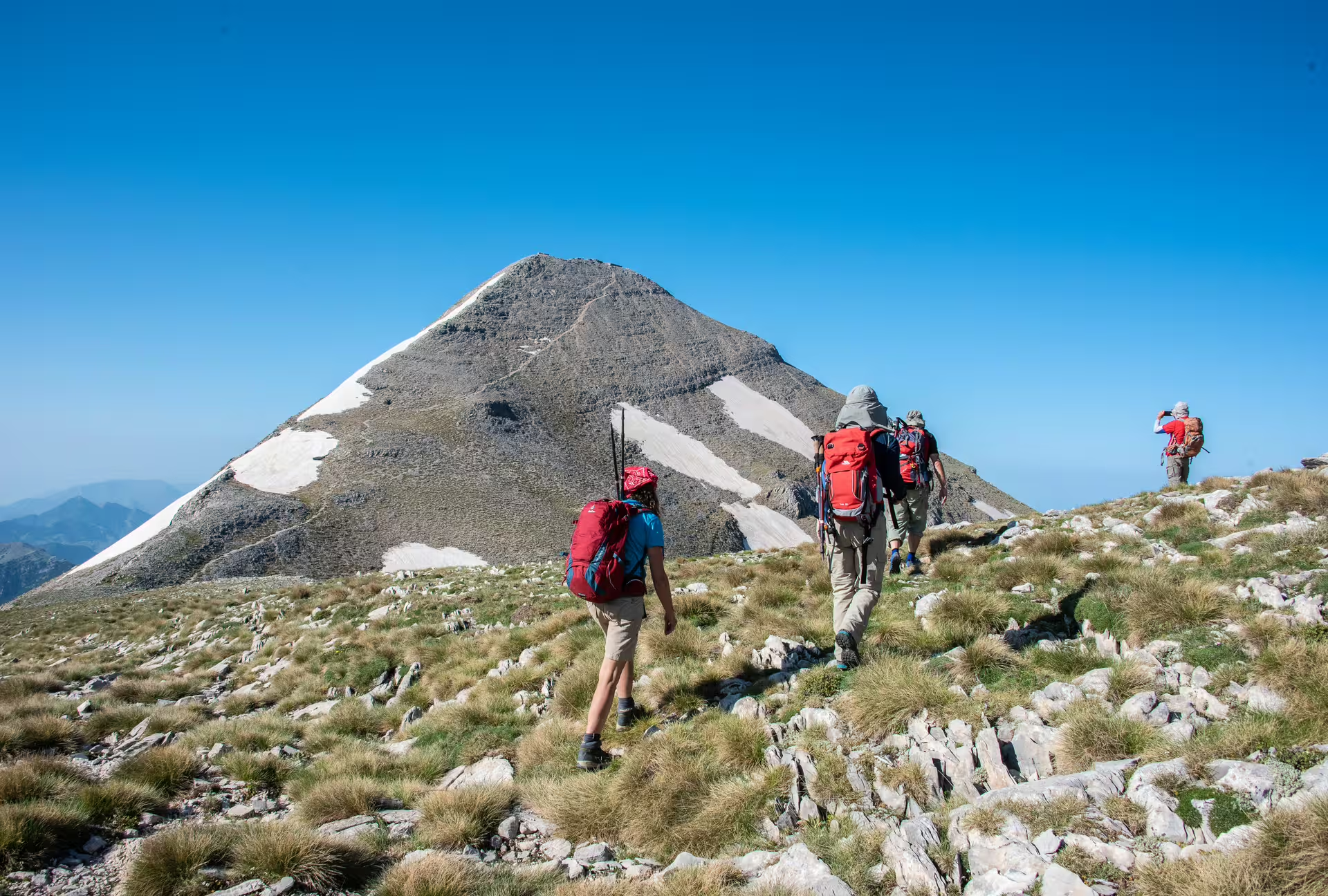
Laconia sits in the southeastern Peloponnese, with landscapes that range from the Taygetos mountain slopes to long stretches of coastline. For international arrivals, Athens is the primary gateway for most travelers, then onward by road into the Peloponnese. If you are already traveling around southern Greece, regional hubs in the Peloponnese can work as stepping stones, with road connections being the key to exploring towns, beaches, and historic sites at your own pace.

🕒 When to Go: Seasonal breakdown. Weather patterns vs. crowd levels.

Late spring and early autumn typically suit travelers who want comfortable days for walking, scenic drives, and outdoor meals without peak summer intensity. Summer brings the strongest beach energy and the longest daylight, but it can also mean higher demand for popular coastal areas and accommodations. Winter travel tends to feel more local and reflective, with fewer crowds and more emphasis on food, landscapes, and cultural sites rather than swimming focused days.

💰 Budget & Currency: Practical money tips, local price levels, and card vs. cash advice.

Greece uses the euro, and most travelers find a mix of card payments and cash works best, especially in smaller villages where card acceptance can be less consistent. Budget levels vary by season and location, with coastal hotspots often feeling pricier during summer compared with inland stops. Carry small denominations for cafés, bakeries, and quick purchases, and keep a backup payment method for fuel stations and rural areas where connectivity can affect card terminals.


⭐ Essential Things to Do List 6–10 curated experiences

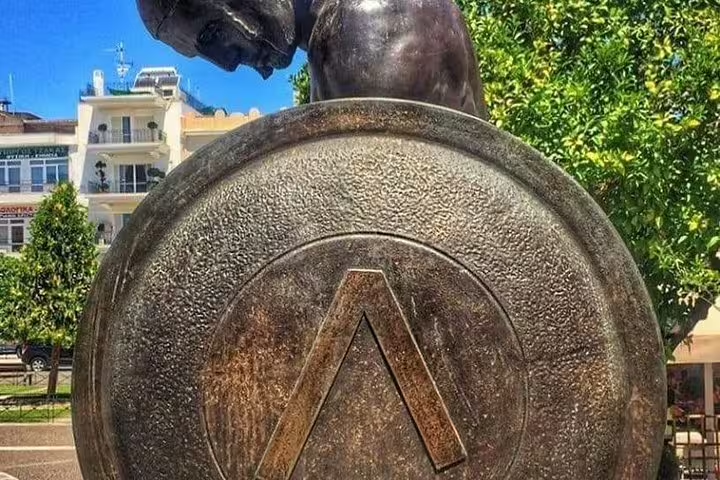
Explore Sparta and its legacy. The name alone carries weight, and visiting the area helps connect ancient history with the lived landscape of the modern Peloponnese. Even without a packed itinerary, simply orienting yourself around the story of Sparta adds meaning to nearby ruins, museums, and monuments. Practical tip, start early to leave space for a relaxed lunch and a scenic afternoon drive.

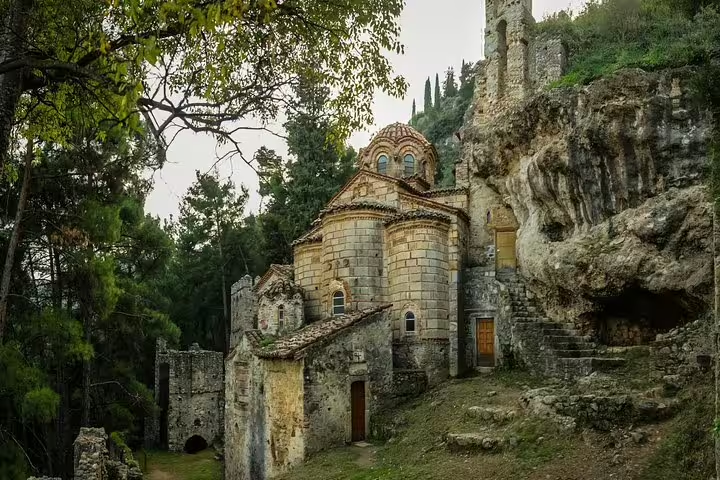
Walk the old lanes of Mystras. This Byzantine era site is known for its atmospheric stone structures and hillside setting that makes every turn feel cinematic. It is a place where the “why” is the mood, layered history, frescoed churches, and views that explain the strategic value of the terrain. Practical tip, wear grippy shoes and bring water, the paths are uneven and the climbs can be steady.

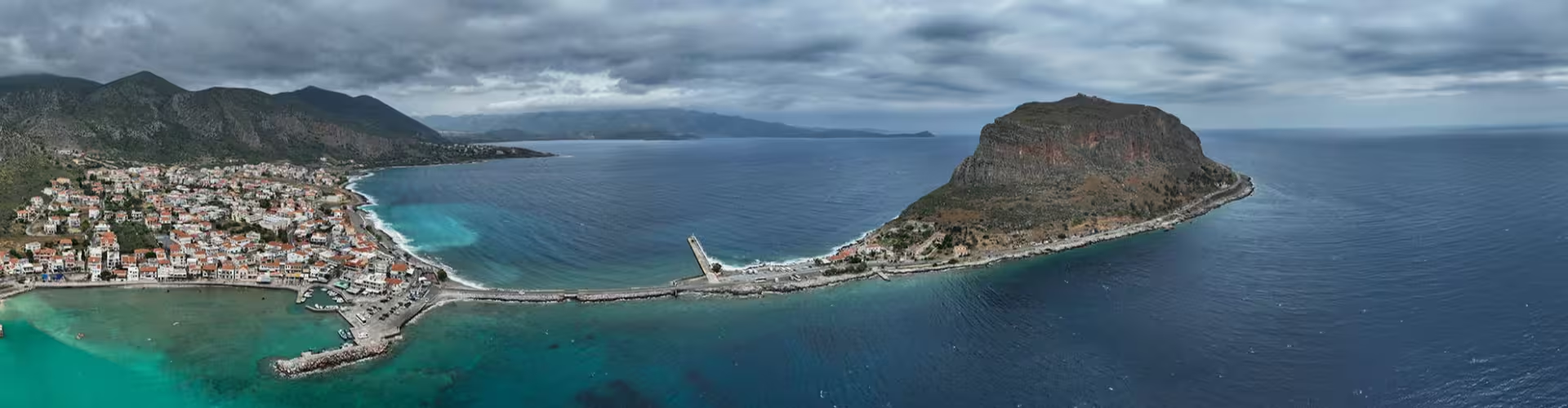
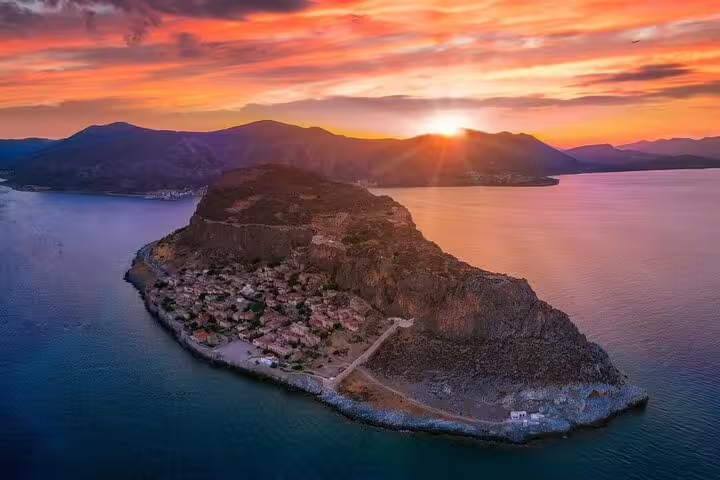
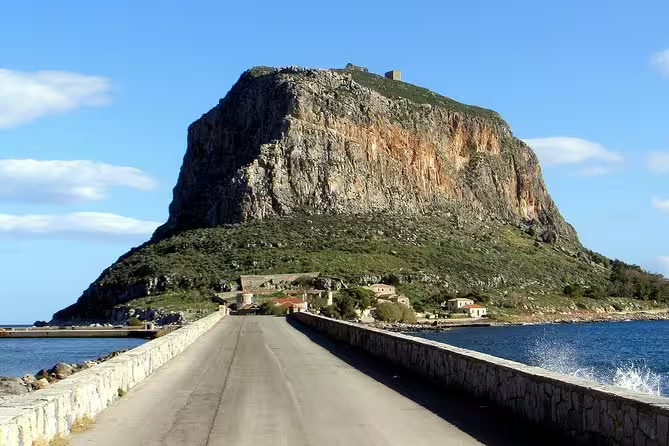
Chase fortress views at Monemvasia. This dramatic rock bound town is one of the most memorable places in the region, with a fortified feel and sea views that shift with the light. It matters because it shows how geography shaped defense, trade, and daily life, and it is also simply beautiful to wander. Practical tip, go late afternoon for softer light and stay for sunset if your schedule allows.

Drive the Mani Peninsula for stone tower villages. The Mani area is defined by austere beauty, rugged hills, and distinctive architecture that reflects local history and clan traditions. It is an ideal experience for travelers who love road trips and photogenic stops that are not overly curated. Practical tip, plan for frequent pull overs, and download maps ahead of time in case mobile coverage dips.

Swim and unwind on the Laconian coast. The coastline delivers the classic Greek pleasure of clear water, salty air, and long beach days, but with a calmer rhythm in many stretches. It matters because it balances the region’s heavy history with pure relaxation, especially after walking intensive sites. Practical tip, bring reef shoes for pebbly sections and arrive earlier in the day for easier parking.

Sample local olive oil culture. Olive groves are part of the everyday scenery, and tasting local olive oil connects you to the region’s agricultural backbone. It matters because food here is not a side activity, it is a way to understand place, season, and hospitality. Practical tip, ask for oil served with bread at tavernas and note differences in peppery finish and aroma.

Seek out small churches and hillside viewpoints. Beyond headline sites, Laconia rewards curiosity, a roadside chapel, a quiet square, a panoramic bend in the road. These moments matter because they create a sense of intimacy with the landscape that big attractions cannot always offer. Practical tip, keep a flexible schedule so you can stop when a view pulls you in.

Take a slow evening in a coastal town. The region’s evenings are made for promenades, seafood dinners, and unhurried conversation. It matters because the best memories often come from the in between hours, when the heat fades and locals reclaim the streets. Practical tip, eat later than you might at home, and choose a place where you can linger without rushing.


🚶 Curated Itineraries

⏰ The Highlights (1 Day): A fast paced “Best Of” route.

Start with an early cultural stop, such as Sparta or Mystras, to take advantage of cooler hours for walking and climbing. Continue with a scenic drive that lets you absorb the shifts from mountain to sea, then aim for an afternoon in Monemvasia for fortress views and wandering. Finish with a long dinner by the water, keeping the last hour for sunset light and a relaxed pace back to your base.

⏰ Deep Dive (2-3 Days): Adding neighborhood exploration and local secrets.

Day one, focus on inland history, pairing Sparta and Mystras with time for cafés and viewpoints so the day does not feel rushed. Day two, commit to the coast and Monemvasia, then add slower exploration, beach time, and a late evening stroll. Day three, if you have it, make it a road trip day through the Mani Peninsula, stopping for tower villages, photo breaks, and a long lunch that turns into an afternoon reset.


🍽️ Flavors of Laconia

Olive oil and olive based meze. Expect fruity aromas and a peppery finish that can vary by grove and harvest. Ordering tip, ask for bread with local oil at the start of the meal and notice how it changes the taste of simple tomatoes and cheese.

Seafood by the coast. Grilled fish and simple preparations let freshness lead, often paired with lemon and olive oil. Ordering tip, ask what is freshest that day and choose a simply grilled option if you want the purest flavor.

Greek salads with local produce. In warm months, tomatoes and cucumbers can taste intensely sun ripened, with feta adding salt and richness. Ordering tip, ask for the salad to arrive first so you can snack slowly while you decide on mains.

Slow cooked meat dishes. Inland tavernas often lean into hearty, comforting plates that match mountain air and long drives. Ordering tip, look for the day’s specials and choose one slow cooked dish to share if you want variety.

Local cheeses and pies. Savory pies and cheese plates make excellent road trip food, especially when you want something satisfying without a full sit down meal. Ordering tip, stop at a bakery earlier in the day and pack a pie for later when options are sparse.

Honey and yogurt style desserts. A simple bowl of yogurt with honey can feel like the cleanest finish after grilled seafood or rich stews. Ordering tip, ask for a light dessert if you plan to drive afterward and want to avoid feeling heavy.


🚌 Navigation & Transport

To explore Laconia efficiently, a car is often the most practical choice because many of the region’s highlights are spread across mountains, peninsulas, and coastal stretches. Within towns, walking is the best way to experience old quarters and scenic viewpoints, especially in places with narrow lanes and limited parking. For safety and comfort, keep water in the car, plan fuel stops, and drive cautiously on winding roads, especially after dark. If you have mobility considerations, prioritize sites and viewpoints that allow vehicle access and build in extra time for slower pacing.


🌄 Beyond the Center: Day Trips

Monemvasia. Allow a half day to a full day depending on how long you want to wander and dine. The primary reason to go is the fortress atmosphere and sea views that feel timeless.

Mystras. Plan a half day if you want to focus on the core site, longer if you prefer a slower pace and more photo stops. The main draw is Byzantine heritage, hillside drama, and a strong sense of layered history.

Mani Peninsula. Give it a full day for a road trip style loop with multiple stops. The reason is the distinctive stone tower villages and rugged landscapes that feel unlike the rest of Greece.

Sparta area. A half day works well as a cultural anchor, especially if you are pairing it with nearby sites. The reason is to connect with one of Greece’s most famous historical identities in the setting that shaped it.


✅ Insider Tips for Travelers

  • Start major walking sites early, then use midday for long lunches and scenic drives when the light is bright.
  • Bring sturdy footwear for uneven stone paths, especially in historic hill towns and fortress areas.
  • Keep a flexible schedule for spontaneous viewpoints and small churches, some of the best moments are unplanned.
  • Carry some cash in small notes for villages, bakeries, and quick roadside stops.
  • Download offline maps before heading into mountainous areas where coverage can be inconsistent.
  • For photos, prioritize late afternoon and sunset, stone architecture and sea views look softer and richer in warm light.

❓ Frequently Asked Questions, FAQ

What is the best way to get around the region?

A car is usually the most efficient option because many key places are spread out across mountains and coastline. Walking works best once you are inside old towns with narrow lanes and limited parking.

How many days do you need for Laconia?

One day can cover a highlights route, but 2 to 3 days gives you time for both inland history and coastal relaxation. A longer stay also makes scenic drives feel less rushed.

When is the least crowded time to visit?

Late spring and early autumn often balance comfortable weather with fewer peak season crowds. Winter can be quieter still, with a stronger focus on culture and food rather than beach time.

Is Monemvasia suitable for travelers who dislike steep walking?

Some areas involve uneven stone lanes and gentle to moderate inclines, depending on how far you explore. If you prefer an easier visit, focus on viewpoints and shorter strolls, then plan a long meal with a sea view.

What should you pack for a trip to Laconia?

Pack sturdy shoes for stone paths, sun protection for coastal days, and a light layer for evenings. It also helps to carry water and keep offline maps for road trips through mountainous stretches.