Last updated:


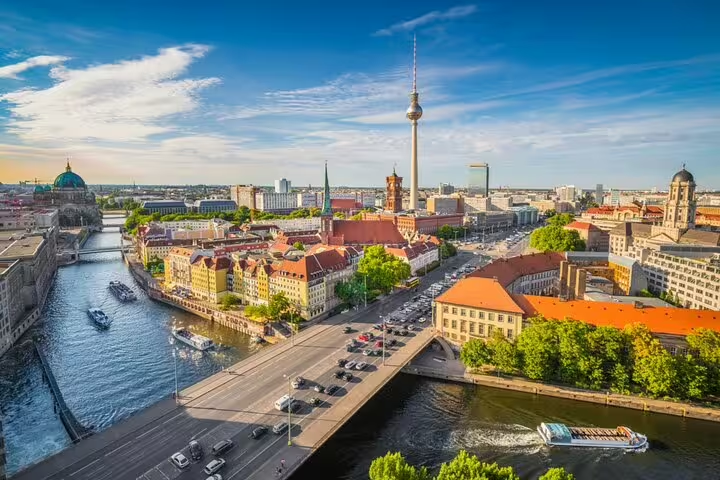
Berlin rewards a trip that leaves room for museums, the history of division and a break among trees. Woodland covers almost 20 percent of Berlin, and green space, woodland and water together make up more than a third of the city, so a visit need not revolve entirely around buildings.
Three days make a useful plan: spend the first on the Brandenburg Gate and Tiergarten, the second on Museum Island, and the third on the Berlin Wall and East Side Gallery. That separates the museum visit from the history of division and leaves space for the wooded grounds of the Tiergarten.
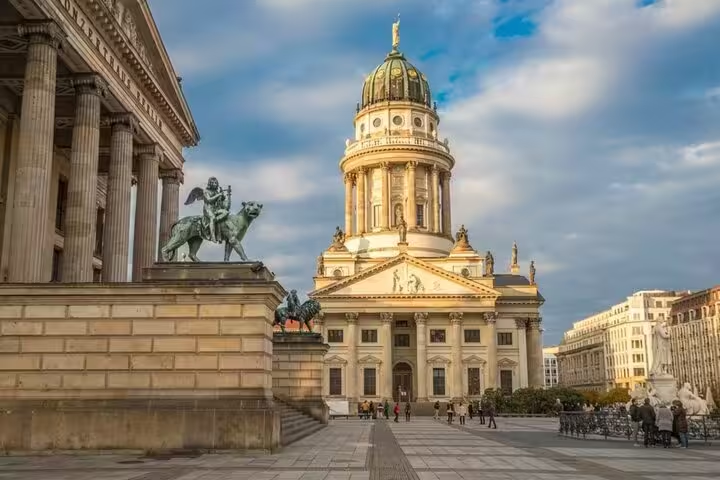
A four-hour private panoramic tour of Berlin includes a private vehicle and a professional driver and guide.
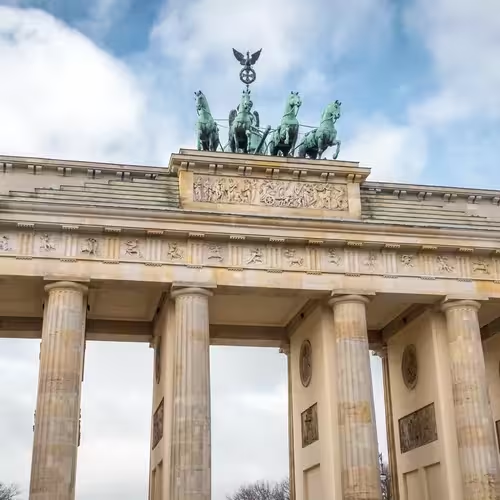
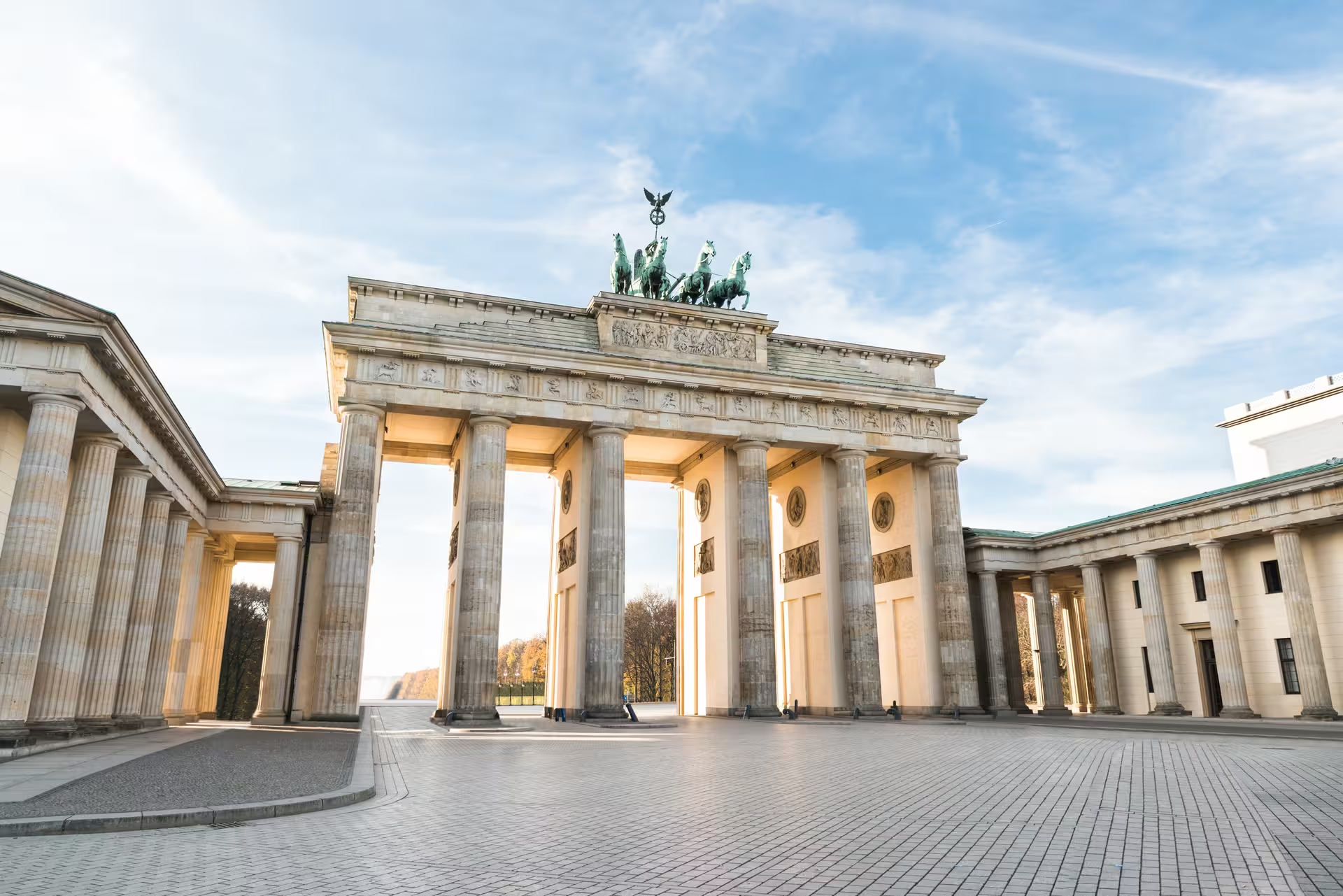
Look up at the Quadriga and then at the columns to appreciate the gate beyond its outline. The gate took shape between 1788 and 1791; Johann Gottfried Schadow designed the Quadriga added above it in 1793. Its Doric columns stand in two rows of six.
The Tiergarten gives this sightseeing day a change of pace, with 210 hectares of wooded grounds in central Berlin. Replanting began in 1949, supported largely by trees donated from across Germany.
The Neues Museum is a clear focus if you want to see the bust of Nefertiti rather than plan around every museum. The bust comes from Tell el-Amarna in Egypt and dates to approximately 1351 to 1334 BC. The museum reopened in 2009 after having been built between 1843 and 1855.
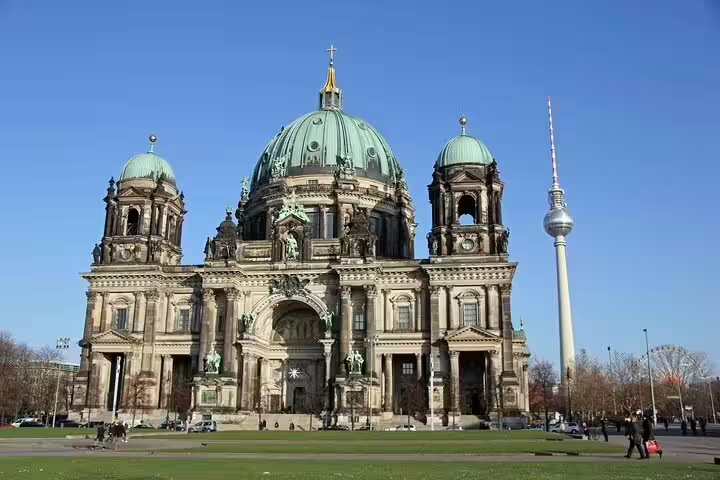
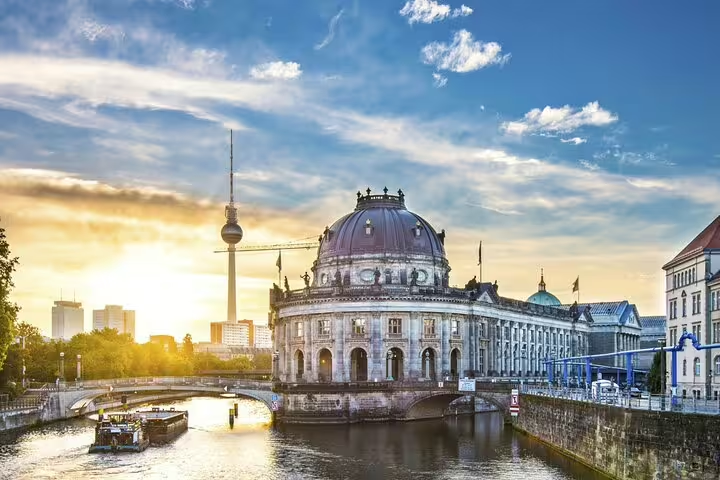
Museum Island brings together five museums in central Berlin, and its UNESCO World Heritage designation dates to 1999. A focused visit leaves room to absorb an individual collection instead of treating the ensemble as a checklist.
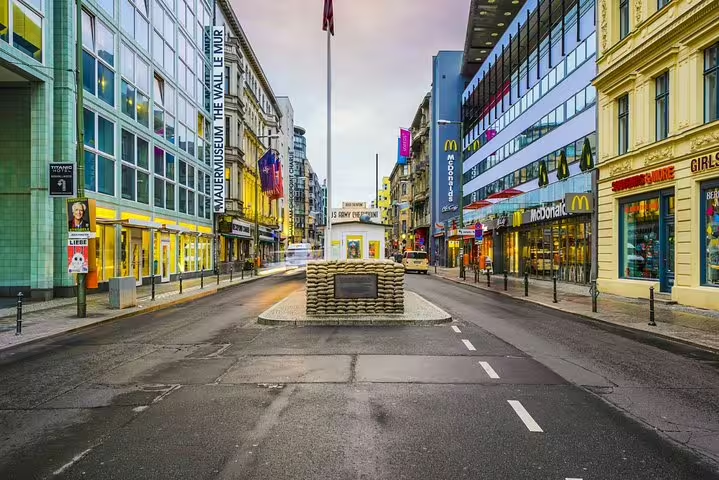
Give the Berlin Wall and East Side Gallery their own day to connect the history of division with the paintings on the surviving wall section. East and West Berlin remained separated by the Wall for over 28 years before its fall on 9 November 1989. The East Side Gallery extends along 1.3 kilometres of it, with paintings made in 1990 by 118 artists representing 21 countries.
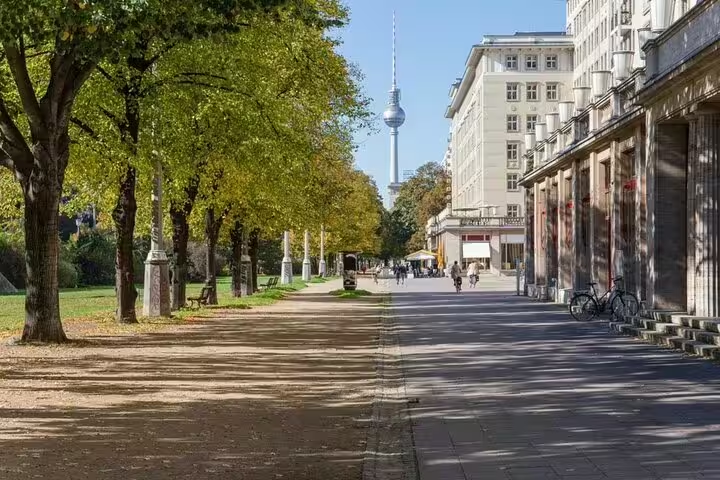
An East Berlin self-guided smartphone escape game tour lasts 1 hour and 30 minutes and includes game access, puzzle clues, directions and stories unlocked along the route.
A Christmas market trip gives you a seasonal reason to visit: Berlin hosts dozens of Christmas markets each year, more than 70 by recent counts. For sightseeing, keep a museum option alongside outdoor plans, since the city averages 106 rainy days a year and has about 170 museums. Mean annual precipitation in the 1991 to 2020 reference period was 581 millimetres, so allow flexibility between the Tiergarten and museum visits.
Combine the underground with walking rather than planning to cover the whole city on foot. Berlin stretches 45 kilometres from east to west, while its underground network covers about 155 kilometres. From Berlin Brandenburg Airport, S-Bahn lines S 9 and S 45 and the FEX Airport Express link the airport and the city centre.
A self-guided Berlin audio walking tour with a GPS map lasts 2 hours and 40 minutes and includes 30 audio commentaries in French, English and Spanish, plus an interactive 3D GPS map.
S 9 and S 45 services linking the airport with the city centre depart every 20 minutes.
The average annual temperature in Berlin was 10.1 degrees Celsius over the reference period from 1991 to 2020.
The Deutsche Oper, Staatsoper Unter den Linden and Komische Oper are the city's three state opera houses. Their combined seating capacity exceeds 4,700.