Hamburg

Plan a memorable Hamburg trip with waterfront highlights, smart itineraries, local flavors, transport tips, and easy day trips, all designed for efficient sightseeing and a deeper feel for the city.

logoBlack

Build your dream
experience

dreamimg

More to know about Hamburg


Hamburg Travel Guide

Hamburg is Germany’s great port city, shaped by water, trade, and a proud independent spirit. Expect canals and bridges, brick warehouses and bold modern architecture, and a nightlife scene that can swing from elegant concert halls to neon-lit streets in minutes. This guide helps you plan a smooth, experience-rich trip with practical routing, seasonal strategy, and neighborhood-focused ideas.


Snapshot

Hamburg feels maritime and metropolitan at the same time, with a skyline that mixes church spires, cranes, and glassy new builds along the Elbe. Come for the harbor energy, the culture calendar, and the city’s walkable districts that reward slow wandering between cafés, galleries, and waterfront promenades. It is especially compelling when you want a big-city break that still feels breezy and outdoorsy thanks to rivers, lakes, and green parks.


🗺️ Geography and Logistics

📍 Orientation: Where is it within Germany and Germany?

Hamburg sits in northern Germany, close to the North Sea and anchored by the River Elbe, which gives the city its working harbor identity. It is a major transport hub, so it is easy to combine with other northern cities by rail. For gateways, plan around Hamburg Airport and the city’s central rail connections, which make day trips and onward travel straightforward.

🕒 When to Go: Seasonal breakdown. Weather patterns vs. crowd levels.

Seasonality in Hamburg is closely tied to daylight and the waterfront. Warmer months tend to amplify harbor cruises, outdoor dining, and long evenings by the water, but they also draw larger crowds to the most famous viewpoints. Cooler months lean into museums, concerts, and cozy food halls, with fewer visitors in key areas and more availability for popular attractions.

💰 Budget & Currency: Practical money tips, local price levels, and card vs. cash advice.

Germany uses the euro, and Hamburg can feel pricier than smaller towns, particularly in central areas and for last-minute bookings. Cards are widely accepted, but carrying some cash helps for small bakeries, markets, and quick snacks. A practical approach is to set a daily transport and food baseline, then allocate extra for one or two paid highlights such as a concert, museum, or harbor experience.


⭐ Essential Things to Do

1) Speicherstadt and the warehouse district
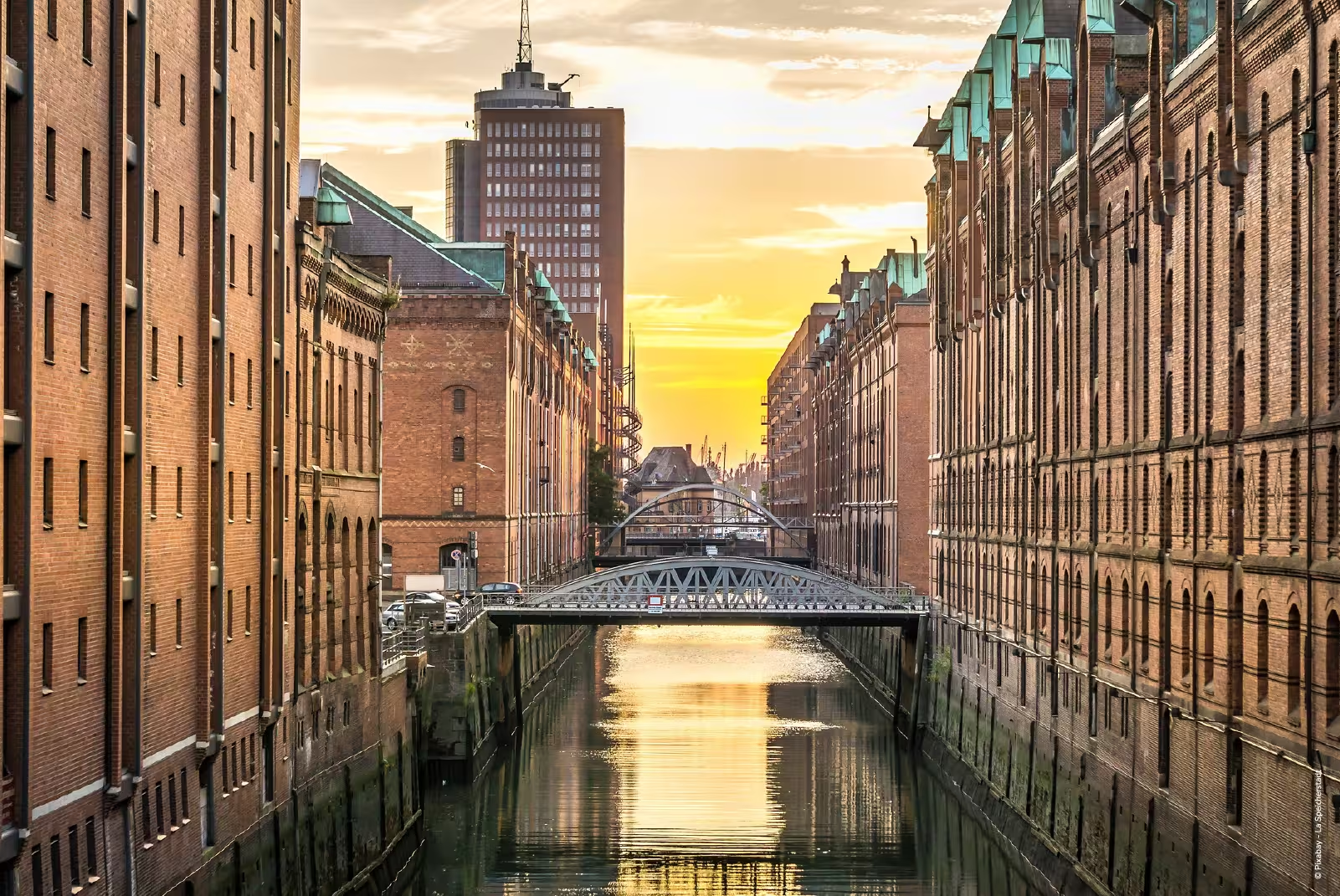
The red-brick warehouses and canals create one of the city’s most atmospheric walks, especially when reflections ripple in the water. It is a living reminder of Hamburg as a trading powerhouse, with photogenic bridges and courtyards that reward slow exploration. Practical tip: go early for cleaner photos and calmer paths, then pair it with a nearby café stop.

2) HafenCity and modern waterfront architecture
This area shows how Hamburg reinvents itself, with contemporary buildings rising beside historic port infrastructure. The vibe is airy and design-forward, ideal for travelers who like architecture, promenades, and waterfront views. Practical tip: plan a loop that ends near the water at golden hour for the best light.

3) Elbphilharmonie area viewpoints
The Elbphilharmonie has become a symbol of modern Hamburg, and the surrounding harbor scenery adds drama from multiple angles. Even without a concert ticket, the area is rewarding for skyline views and harbor watching. Practical tip: bundle this with Speicherstadt and HafenCity so you minimize transit time.

4) St. Pauli and Reeperbahn nightlife
This is the city’s most famous nightlife zone, loud, energetic, and culturally significant in the story of modern music and entertainment. It is not just about clubs, it is also about understanding the city’s edge and humor. Practical tip: go with a plan, choose one or two venues, and keep your route simple for a smoother night.

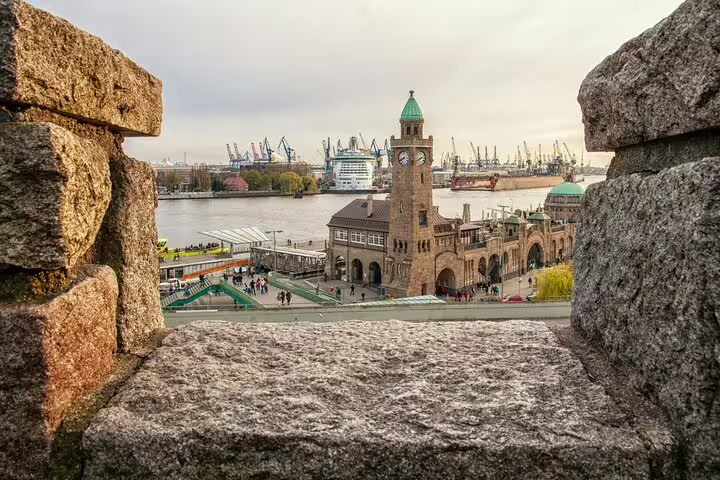
5) Landungsbrücken and harbor atmosphere
The waterfront at Landungsbrücken is where you feel the pulse of the port, with ferries, viewpoints, and a constant sense of movement. It is an easy place to start a harbor-focused day and a strong orientation point for first-time visitors to Hamburg. Practical tip: use public ferries as a budget-friendly way to get on the water.

6) Alster Lakes and city-center strolls
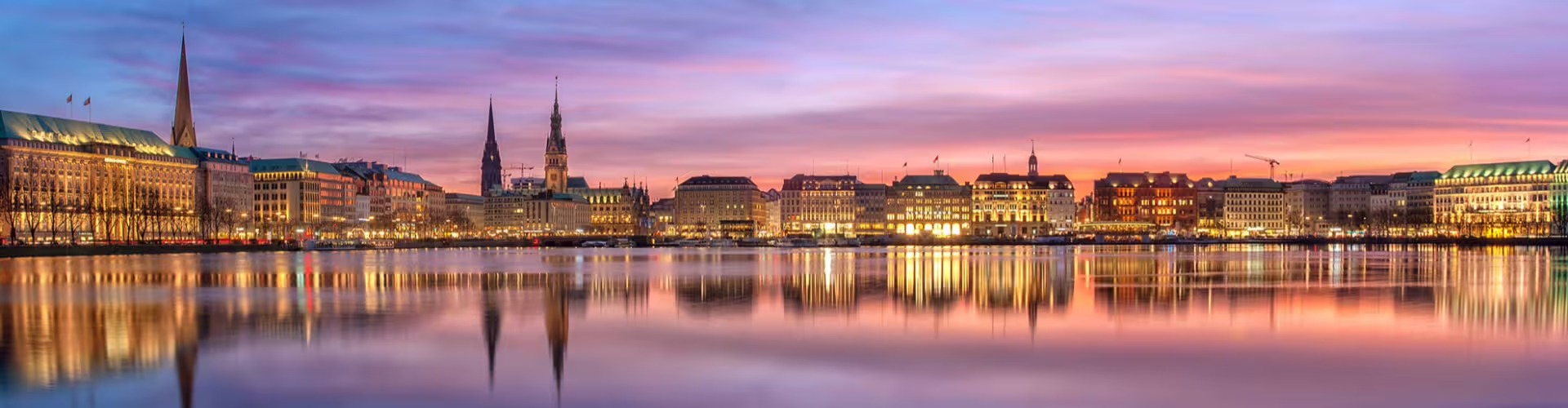
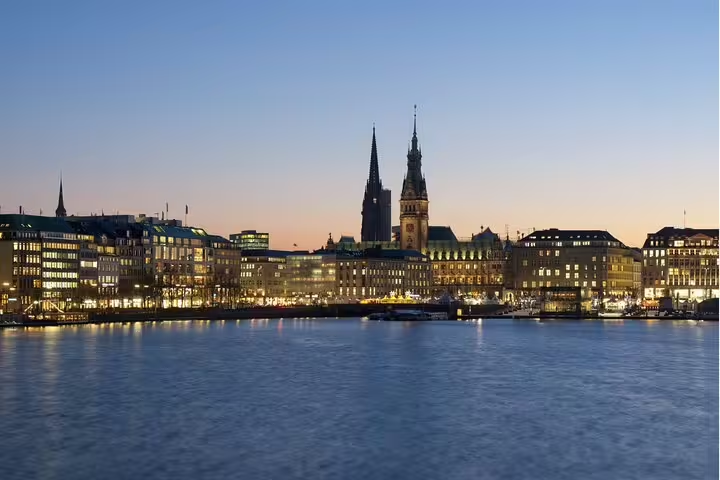
The Alster area offers a calmer, greener counterpoint to the harbor, with walking paths and classic city views. It suits travelers who want a scenic run, a relaxed stroll, or a break between museums and shopping. Practical tip: go in the morning for a quieter circuit and softer light.

7) Planten un Blomen park
This central park is a reset button, with landscaped gardens and open lawns that make the city feel surprisingly spacious. It is ideal for families, picnics, and anyone who wants a nature pause without leaving town. Practical tip: pack a small snack and treat it as a planned stop, not just a pass-through.

8) Fish Market mood and early-morning energy
The traditional fish market scene is part commerce, part theater, and it captures the city’s practical maritime soul. Even if you do not buy much, it is a memorable way to experience Hamburg at its most local and lively. Practical tip: go early, dress for wind, and keep expectations flexible since the atmosphere is the main event.


🚶 Curated Itineraries

⏰ The Highlights (1 Day): A fast-paced “Best Of” route

Start with a morning walk around the Alster for classic city views, then head toward the historic warehouse canals for photos and a short coffee break. Continue into HafenCity for modern architecture and waterfront promenades, then spend the afternoon around Landungsbrücken to watch ships and hop on a ferry for a quick water perspective. Finish the day in St. Pauli, keeping dinner nearby so you can ease into the evening without rushing between neighborhoods.

⏰ Deep Dive (2-3 Days): Adding neighborhood exploration and local secrets

Day one follows the highlights route, but with more time inside museums or design spaces around the waterfront. Day two focuses on parks and neighborhoods, start with Planten un Blomen, then explore shopping streets and café corners before a harbor-side sunset walk. If you have a third day, add a slower morning at the fish market vibe, then reserve the afternoon for a focused interest, architecture, maritime history, or a concert night depending on your travel style.


🍽️ Flavors of Hamburg

Fischbrötchen is the essential harbor snack, simple, briny, and satisfying, often built around fresh fish and a soft roll. Ordering tip: ask what is freshest that day and keep it classic for the best first impression.

Labskaus is a traditional sailor-style dish with a hearty, salty profile that reflects the city’s maritime past. Ordering tip: try it in a traditional restaurant setting where the staff can explain the components.

Franzbrötchen is a local pastry that is sweet, buttery, and cinnamon-forward, perfect with coffee on a walking day. Ordering tip: buy it in the morning when it is freshest, then take it to a park bench.

Aalsuppe is a classic soup associated with northern German cuisine, often served as a comforting option in cooler weather. Ordering tip: ask what style the kitchen serves, since recipes can vary by tradition.

Rote Grütze is a fruity dessert with a bright, tart-sweet balance, typically paired with a creamy element. Ordering tip: if you like less sweetness, ask whether it is more berry-forward that day.

Local beer and northern German drinks match the city’s casual dining culture, especially around the harbor and nightlife districts. Ordering tip: if you are unsure, ask for a local recommendation that pairs with your meal.


🚌 Navigation & Transport

Hamburg is easy to navigate with a mix of walking, public transit, and ferries that double as scenic transport. Central districts reward walking, especially around canals and waterfront promenades, while longer hops are best handled by rail and buses. Ride-sharing and taxis can help late at night, particularly after visiting St. Pauli, but it is smart to keep your pickup point on a main street for clarity and safety. If you have mobility needs, prioritize routes with fewer stairs and plan around major stations, which tend to be more accessible.


🌄 Beyond the Center: Day Trips

Lübeck is a classic nearby choice for medieval streets and a strong sense of Hanseatic history. Travel time is commonly around an hour by train, making it an easy cultural add-on.

Heligoland offers a distinctive North Sea experience and a true change of scenery from the city. It typically involves a longer journey by boat, so it suits a full-day plan with an early start.

Lüneburg is known for its charming old town atmosphere and makes a relaxed contrast to big-city pace. It is often reachable in about an hour by train, ideal for a low-stress day.

Schwerin appeals to travelers who want a picturesque setting and a landmark castle vibe. Rail connections make it feasible as a day trip, especially if you start in the morning.


✅ Insider Tips for Travelers

  • Bundle waterfront sights into one day so you avoid backtracking between Speicherstadt, HafenCity, and Landungsbrücken.
  • Use public ferries for budget-friendly harbor views, they can feel like a mini cruise without extra planning.
  • For nightlife in St. Pauli, decide your must-see spots first and keep your evening radius small.
  • Pack a light rain layer and a wind-resistant outer layer, the harbor weather can change quickly.
  • Start popular photo walks early for calmer canals and fewer people on narrow bridges.
  • Carry some cash for small snacks and market-style stops, even if you mainly pay by card.

❓ Frequently Asked Questions, FAQ

What is the best area to stay in for first-time visitors?

Staying centrally helps you minimize transit time and makes it easier to combine waterfront sights with parks and shopping streets. If nightlife is a priority, consider being within easy reach of St. Pauli while still choosing a quieter street for sleep.

How many days do you need to see the main highlights?

One day covers the big waterfront and core districts at a brisk pace. Two to three days lets you slow down for neighborhoods, parks, and a deeper cultural stop such as a museum or concert.

Is Hamburg easy to get around without a car?

Yes, Hamburg works very well with walking plus public transit, and ferries add a scenic option for harbor routes. A car is usually unnecessary for central sightseeing and can complicate parking.

What should you pack for changing weather near the harbor?

Bring layers, including a light rain jacket and something that blocks wind. Comfortable walking shoes help on cobbles, bridges, and long waterfront promenades.

Can you do a day trip while based in Hamburg?

Yes, Hamburg is a strong base for rail day trips, with places like Lübeck, Lüneburg, and Schwerin often reachable in about an hour. For North Sea scenery such as Heligoland, plan a full day and start early.