Rhineland-Palatinate rewards travelers who like their scenery dramatic and their culture close to the ground, vineyards on steep riverbanks, castle silhouettes on ridgelines, and small towns where a long lunch still matters. This western German state is shaped by the Rhine and Moselle valleys, with a rhythm that shifts from lively wine villages to quiet forest trails in a single day. Come for the river landscapes and historic city cores, stay for the slow travel feeling and the easy connections to neighboring regions.
Rhineland-Palatinate feels like a greatest hits of riverside Germany, wine country, medieval stonework, and walkable towns. The signature vibe is scenic and unhurried, with viewpoints, cellar doors, and promenades that make it simple to build days around nature and local flavors. It is a smart choice when you want variety without long transfers, because major routes follow the valleys and connect towns efficiently.
Rhineland-Palatinate sits in western Germany, bordering several other German states and lying close to international frontiers. Its geography is defined by major rivers, especially the Rhine and the Moselle, which create natural travel corridors lined with towns, vineyards, and hilltop fortifications. For gateways, many travelers route through big regional hubs and then continue by rail into river valley towns, which is often easier than driving in dense historic centers.
Spring is a comfortable time for walking routes and riverfront exploring, with fresh greenery and fewer crowds than peak summer. Summer brings the most outdoor energy along the rivers, longer daylight for viewpoints, and the busiest atmosphere in popular towns. Autumn is strongly associated with wine culture and harvest moods, while winter tends to be quieter and better suited to city museums, cozy dining, and scenic drives when conditions allow.
Germany uses the euro, and you will find a mix of card acceptance and cash preference depending on the size of the business and the town. Carry some cash for small purchases, local bakeries, and casual wine stops, especially in smaller villages. Budget levels vary by location and comfort style, but you can keep costs predictable by using regional rail passes where available, choosing set lunch menus when offered, and booking accommodations earlier for popular river stretches.
1) Cruise or promenade along the Rhine River
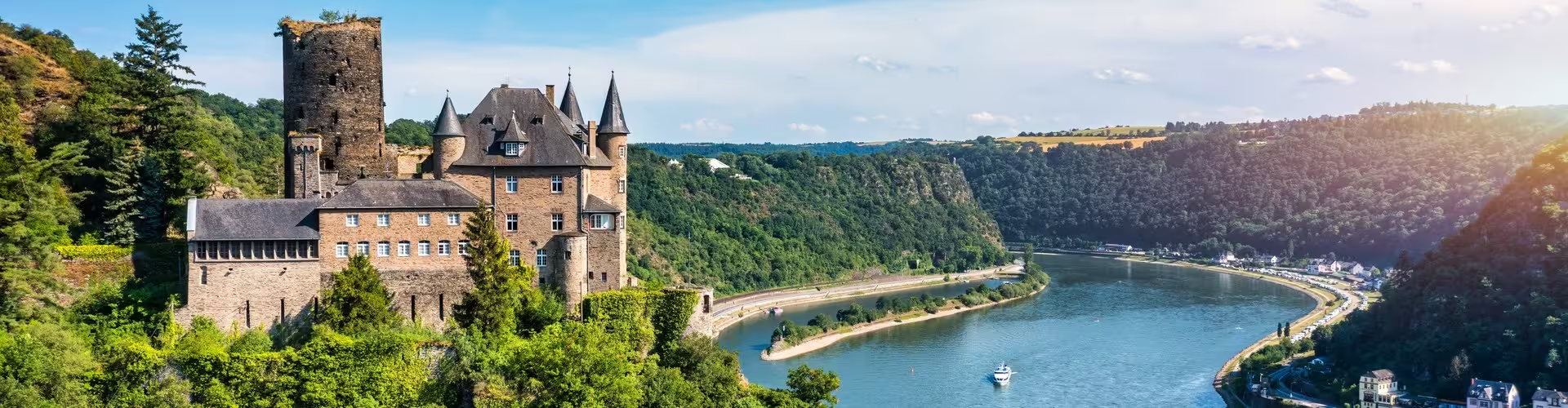
The Rhine is the classic scenic spine, and spending time on the water or on riverside paths helps you understand why this landscape has inspired painters, poets, and travelers for generations. The castles and vineyard slopes make even a simple walk feel cinematic. Practical tip, aim for late afternoon light for photos, and plan your return connection in advance if you are doing a point to point route.
2) Explore the Moselle Valley wine towns
The Moselle’s tighter bends and steep vineyard terraces create a more intimate, storybook scale than larger river stretches. It is ideal for slow travel, short hops between villages, and tasting the region’s signature styles in a relaxed setting. Practical tip, choose one base town and do short day excursions to avoid constant packing and check in times.
3) Visit hilltop castles and river fortifications
Castles here are not just backdrops, they are part of the region’s identity and a reminder of how rivers shaped trade and power. Many viewpoints are designed for that classic panorama, river below, rooftops clustered near the water, vineyards rising behind. Practical tip, wear shoes with grip, because approaches can be steep and uneven, especially after rain.
4) Walk a vineyard trail for a local perspective
A vineyard walk puts you inside the landscape rather than looking at it, and it reveals how demanding steep slope viticulture can be. You will often pass small shelters, stone walls, and lookout points that explain the practical side of wine culture. Practical tip, carry water and a light layer, because wind exposure can change quickly on open slopes.
5) Spend time in a historic old town core
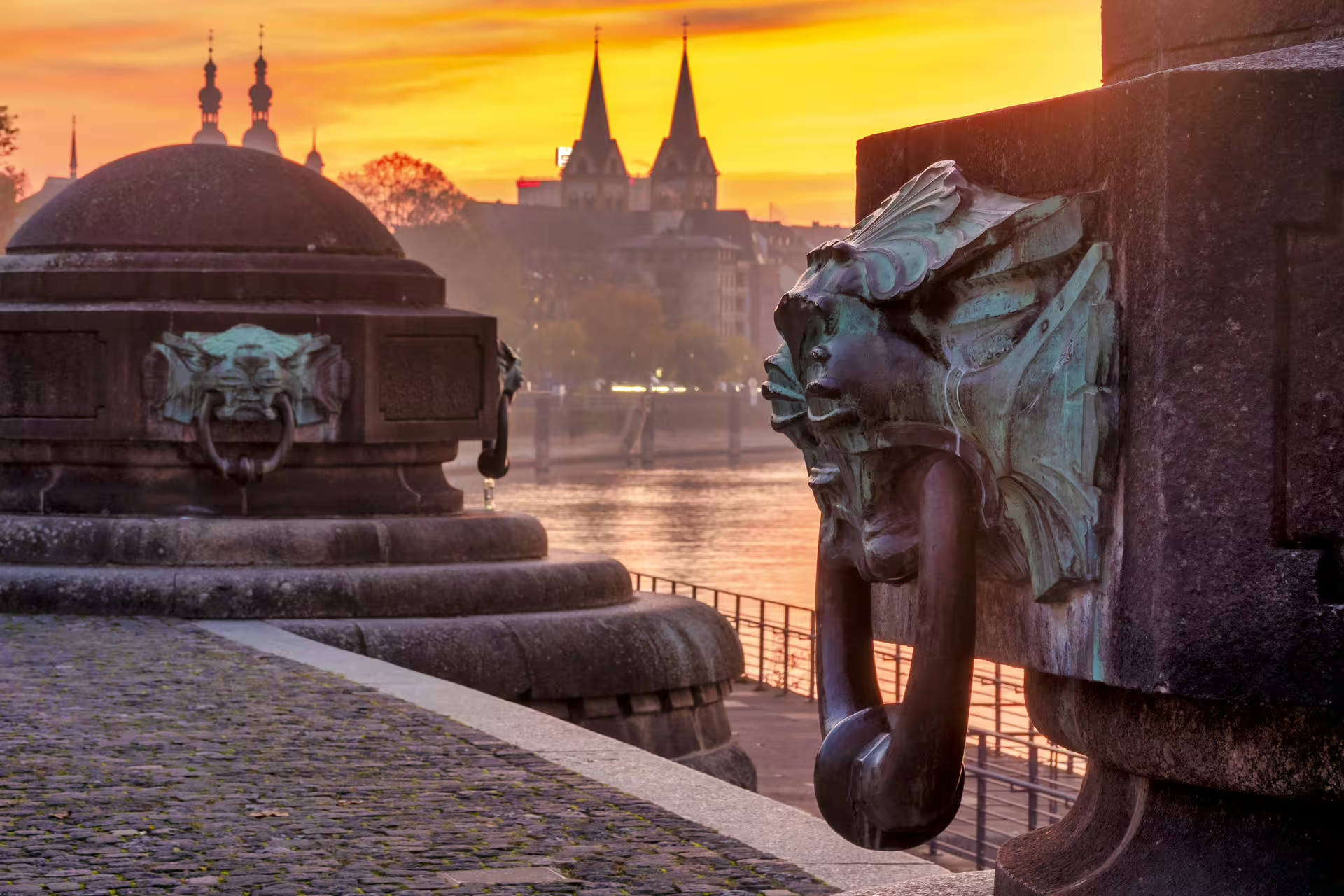
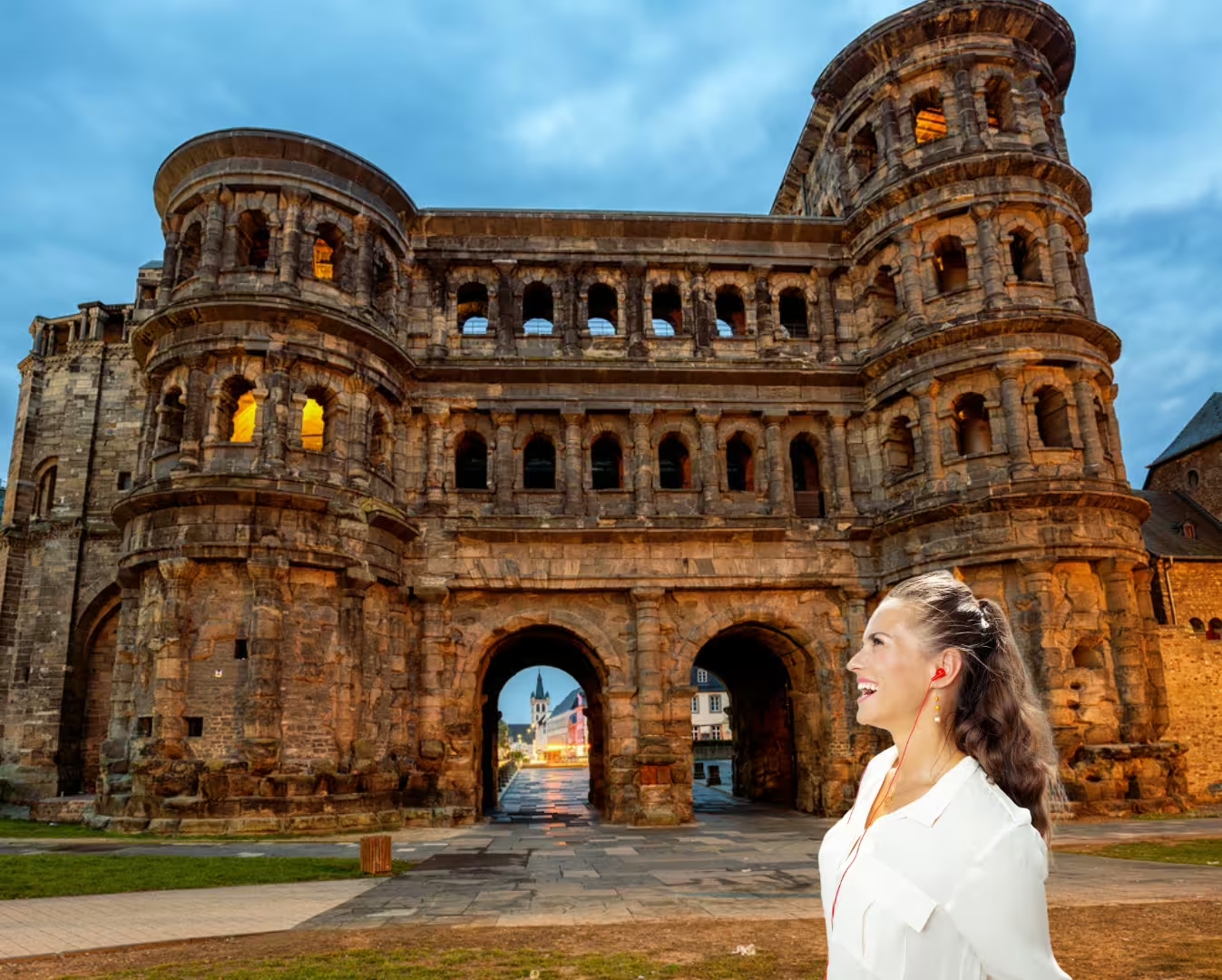
Across Rhineland-Palatinate, many towns have compact centers built for walking, with market squares, churches, and traditional façades that reward unplanned wandering. This is where you feel the everyday cadence, morning bakery runs, afternoon café breaks, and evening strolls. Practical tip, start early if you want quieter streets for photos, then return later when restaurants and wine bars become lively.
6) Follow a scenic drive through river bends and viewpoints
Even if you prefer trains, a short scenic drive can unlock viewpoints and small detours that are harder to reach on fixed schedules. The best sections are often those where the road rises above the river, giving layered views of water, vines, and rooftops. Practical tip, build in time for pull offs and short walks, and avoid rushing, because narrow roads and cyclists are common in good weather.
7) Pair nature with culture in the Palatinate Forest
The forested landscapes offer a different mood from the river valleys, cooler, greener, and more trail focused. It is a strong contrast day if you want to balance tastings and town time with hiking and fresh air. Practical tip, download offline maps before you go, because coverage can vary in dense woodland.
8) Plan a wine focused afternoon with tastings
Wine is a defining thread, and tastings are a low effort way to connect with local identity, seasonal rhythms, and regional styles. Even one structured tasting can sharpen your sense of what you like, and it makes souvenir shopping more meaningful. Practical tip, pace yourself, eat beforehand, and consider buying a bottle you can only find locally.
Start with a morning riverside walk in a historic town center, focusing on viewpoints and the market square atmosphere. Midday, prioritize a castle or elevated lookout, then follow with a relaxed lunch that includes a local wine or seasonal specialty. In the afternoon, shift to a short river cruise or a scenic rail segment between two towns, then finish with sunset photos from a promenade or hillside terrace.
Day 1, base yourself in a river town and explore on foot, alternating between old town lanes, waterfront paths, and a key viewpoint. Day 2, dedicate time to the Moselle or Rhine valley depending on your base, adding a vineyard trail and a tasting focused on learning the style differences rather than rushing through stops. Day 3, add a nature contrast with a forest hike or a slower day for museums, cafés, and shopping for regional products, then leave time for an unplanned detour, because the best moments here often come from a signposted lookout or a small village you did not expect.
Riesling
Often bright and aromatic, it can range from crisp and dry to lusciously sweet depending on style. Ordering tip, ask for dry if you prefer a sharper finish, and compare a river valley expression with a different subregion if offered.
Spätburgunder, Pinot Noir
This red can be elegant and food friendly, with a lighter structure than heavier reds, which suits many traditional dishes. Ordering tip, look for it by the glass at dinner to test the style before committing to a bottle.
Flammkuchen
A thin, crisp flatbread that is ideal for sharing, often served in casual wine taverns. Ordering tip, treat it like a tasting board, order one classic version first, then add a seasonal or regional variation.
Saumagen
A well known regional specialty with a hearty profile that pairs naturally with local wines and robust sides. Ordering tip, ask what it is served with on that day, because the accompaniments can shape the overall balance.
Dampfnudeln
A comforting, dough based dish that can lean sweet or savory depending on how it is served. Ordering tip, clarify whether it comes with a sweet sauce or a savory accompaniment so it matches your mood.
Local bakery culture
Bakeries are a practical travel tool here, quick breakfasts, picnic supplies, and an easy way to eat well on transit days. Ordering tip, go early for the best selection, and build a riverbank picnic when the weather cooperates.
Many town centers in Rhineland-Palatinate are compact and best explored on foot, especially around old town streets and riverfront promenades. For moving between towns, regional trains and buses are practical along major corridors, while a car helps with viewpoints, forest areas, and rural wineries where schedules can be limited. Ride sharing and taxis can fill gaps, but do not rely on instant availability in smaller towns, plan your last connection, especially in the evening. For safety and accessibility, expect cobblestones, slopes to viewpoints, and occasional stairs at historic sites, so comfortable shoes and a flexible pace make a noticeable difference.
1) Rhine Gorge viewpoints and castle clusters
Travel time varies by base, but it is commonly approached as a half day to full day outing along the river corridor. The reason to go is the concentrated scenery, river bends, steep vineyards, and frequent panoramic stops.
2) Moselle Valley village hopping
Often an easy day trip by rail and local connections, depending on where you stay. The main draw is the intimate scale of the towns and the strong wine identity tied to the steep slopes.
3) Palatinate Forest for hiking
A strong day trip when you want nature and quieter trails away from the busiest riverfront areas. The reason to visit is the woodland atmosphere and the change of pace from town sightseeing.
4) Regional city culture in nearby urban hubs
Depending on your route, you can add a day focused on museums, larger shopping streets, and transport connections. The main reason is variety, it complements the small town rhythm with a more urban cultural menu.
Is Rhineland-Palatinate easy to explore without a car?
Yes, many river towns are walkable, and regional trains and buses connect key corridors. A car becomes more useful for forest areas, rural viewpoints, and flexible winery stops.
How many days do I need for Rhineland-Palatinate?
One day covers a highlights loop with a river walk, a viewpoint, and a tasting. Two to three days lets you slow down, add a vineyard trail, and include a nature focused day.
What is the best season for river scenery and outdoor time?
Spring and autumn are popular for comfortable walking conditions and a calmer feel than peak summer. Summer offers the longest days and the liveliest riverfront atmosphere, with higher crowd levels.
Do I need cash in Rhineland-Palatinate?
Carrying some cash is helpful, especially in smaller villages and for quick purchases. Cards are common in many places, but relying on cash only or card only can be limiting.
What should I prioritize if I only have one day?
Focus on one river corridor, either the Rhine or the Moselle, then combine an old town stroll with a single major viewpoint. Add one tasting or a relaxed local meal to connect the scenery with regional culture.