Bavaria is Germany’s storybook south, a region where alpine peaks, baroque cities, and beer halls share the same cultural heartbeat. Think grand squares in Munich, lakes framed by mountains, and villages that still feel rooted in local tradition. This guide helps you plan a trip that balances iconic sights with practical logistics, so your time in Bavaria feels smooth, scenic, and genuinely local.
Bavaria blends polished city energy with postcard landscapes, shifting from museum afternoons to mountain air in a single day. The signature vibe is classic Germany with a southern accent, hearty food, folk culture, and a love of the outdoors. Go now if you want a destination that works in every season, from beer garden weather to festive winter markets, with efficient transport that makes multi stop trips realistic.
Bavaria sits in southern Germany, bordering Austria and the Czech Republic, and it is anchored by Munich as the main gateway city. Many travelers arrive via Munich Airport, then connect by regional trains to cities like Nuremberg, Regensburg, and Würzburg, or head south toward the Alps. If you are planning a loop, Munich works well as a start and finish point, while Nuremberg is a smart hub for northern Bavaria routes.
Late spring through early autumn suits lake days, hiking, and long evenings in beer gardens, and it is also the busiest period around major highlights. Winter brings a slower pace in many towns, plus seasonal events and a cozy indoor culture that pairs well with museums, spas, and hearty meals. Shoulder seasons often strike the best balance, you get comfortable sightseeing weather with fewer tour groups, especially outside Munich.
Germany uses the euro, and in Bavaria you can expect a wide range of costs depending on whether you base yourself in Munich or in smaller towns. Cards are widely accepted, but carrying some cash is still useful for small bakeries, rural guesthouses, and market stalls. A practical approach is to budget higher for central Munich and lower for day trips, then prioritize paid experiences that match your interests, such as a museum day or a castle visit.
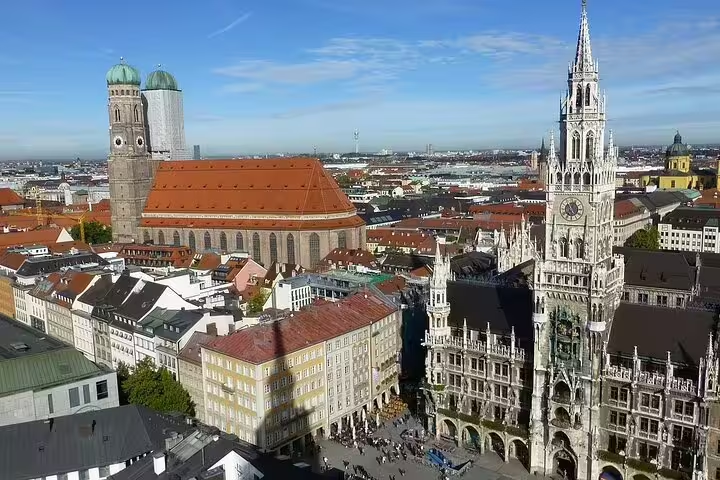
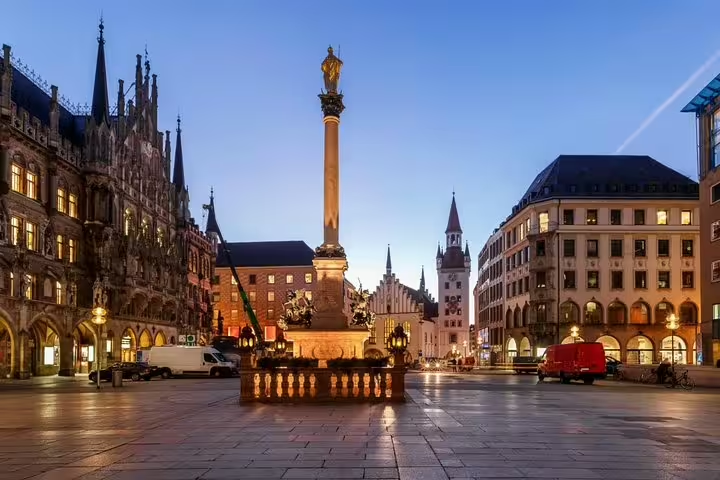
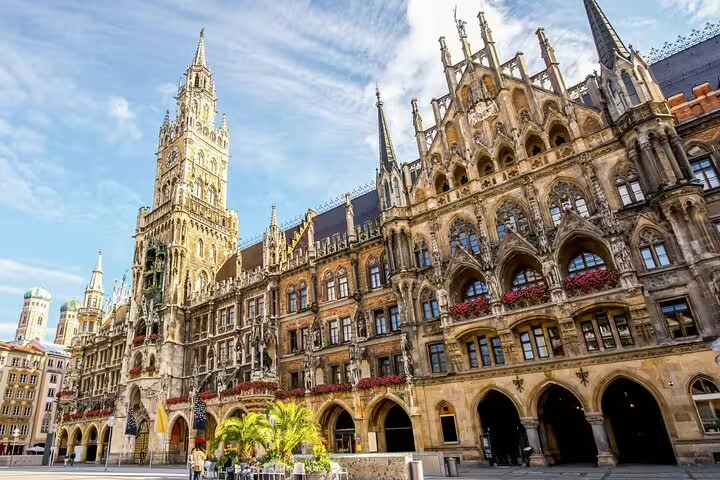
Marienplatz and Munich’s Old Town
This is the classic starting point for understanding the rhythm of the region’s capital, with historic facades, pedestrian streets, and a steady flow of locals and visitors. It is ideal for first time orientation because many major sights are walkable from here. Practical tip, start early for clearer photos and calmer streets, then return in the evening when the city feels more atmospheric.
English Garden and Beer Garden Culture
Few city parks feel as expansive as Munich’s English Garden, where cycling paths, riverside walks, and casual picnics define the mood. Beer gardens are not only about drinks, they are social spaces that reflect local etiquette and community. Practical tip, bring a light layer for cooler evenings and aim for off peak hours if you want easier seating.
Neuschwanstein Castle
This landmark is a key symbol of romantic era imagination, set against dramatic mountain scenery that makes the journey part of the experience. The appeal is the combination of architecture and landscape, which captures the fairytale image many travelers associate with southern Germany. Practical tip, book ahead when possible and plan your day around transport connections, since the area can be busy.
Nuremberg Old Town and Imperial Heritage
Nuremberg adds depth to a Bavaria itinerary with medieval streets, historic fortifications, and a strong sense of place. It is a rewarding contrast to Munich, with a more compact center that encourages slow wandering. Practical tip, give yourself time for a scenic walk along the city walls and bridges for varied viewpoints.
Regensburg on the Danube
Regensburg feels timeless, with a historic core shaped by trade routes and the Danube River setting. The city is a strong choice if you like architecture, river views, and a calmer pace than larger hubs. Practical tip, plan a relaxed afternoon here and prioritize walking, the old center is best experienced on foot.
Würzburg and the Romantic Road Gateway
Würzburg is known for grand architecture and makes a logical stop if you are linking Bavaria with classic scenic routes. It is especially appealing for travelers who enjoy formal gardens, panoramic viewpoints, and a more refined city vibe. Practical tip, consider an overnight stay to enjoy the city after day trippers leave.
The Bavarian Alps and Lake District
South of Munich, the landscape shifts to mountains and clear lakes, with outdoor activities that change by season. This is where LONG_TAIL_KEYWORDS style trips shine, combining nature with traditional villages. Practical tip, pack comfortable shoes and a weather layer, conditions can change quickly in alpine areas.
Museums and Palaces in Munich
Munich is one of the strongest cultural bases in Germany, with art, design, and history options that work well in any weather. Pairing a museum morning with a café break creates a balanced day that does not feel rushed. Practical tip, group indoor attractions on a rainy day and keep outdoor parks for clearer weather.
Start in central Munich with a walk through Old Town, then take time for a classic lunch that introduces local flavors. Spend the afternoon in the English Garden for a relaxed contrast to city sightseeing, then finish with an evening beer garden experience. If you prefer a more landmark focused day, swap the park for a museum or palace visit and keep the evening open for a neighborhood stroll.
Day one focuses on Munich’s core sights, plus a slower café culture rhythm that helps you settle into the city. Day two adds a day trip, choose Neuschwanstein Castle for iconic scenery, or pick Regensburg for heritage and river views. If you have a third day, add Nuremberg for a different city character, then return to Munich for a final evening that ties the trip together.
Weißwurst
A mild, delicate sausage often enjoyed with mustard and a soft pretzel, it is a classic introduction to local comfort food. Ordering tip, ask what the traditional pairing is and follow the house style.
Brezn
Bavarian pretzels are chewy, salty, and best when fresh, making them an easy snack between sights. Ordering tip, look for a busy bakery counter, turnover often signals freshness.
Schweinshaxe
Roasted pork knuckle is rich and hearty, typically served with sides that balance the savory flavors. Ordering tip, consider sharing if you want to sample multiple dishes in one meal.
Obatzda
This creamy cheese spread is tangy and satisfying, especially with bread or pretzels in a beer garden setting. Ordering tip, it pairs well with a lighter drink if you want balance.
Spätzle
Soft egg noodles that can be served as a side or a main, often leaning into buttery, comforting flavors. Ordering tip, ask if there is a house specialty version, many places have their own style.
Apfelstrudel
Apple strudel is sweet, warm, and often served with sauce or cream, ideal after a long walking day. Ordering tip, ask if it is served warm, it is usually at its best that way.
In Munich and other city centers, walking is often the most enjoyable way to experience architecture, markets, and small details you would miss on transit. Public transport is efficient for longer distances within cities, and regional trains are a strong option for linking major stops across Bavaria. For day trips, plan around train schedules and allow buffer time for connections, especially in peak travel periods. As a general safety and accessibility note, keep an eye on your belongings in crowded areas, and choose step free routes when available if you are traveling with luggage or mobility needs.
Neuschwanstein area
A classic day trip for castle scenery and alpine backdrops. Travel time varies by route, so plan connections carefully and keep the day structured around transport.
Regensburg
An easy cultural escape with Danube atmosphere and a walkable historic center. It is ideal when you want a slower paced day that still feels distinct from Munich.
Nuremberg
A strong choice for history and a different city vibe, with a compact old town that rewards wandering. It works well as a full day trip or an overnight add on.
Bavarian Alps and lakes
Perfect for fresh air, viewpoints, and seasonal outdoor activities. This is the trip to choose when you want nature to be the main event.
What is the best base city for a first trip?
Munich is the easiest base because it has strong transport links and a dense set of sights. It also makes day trips to castles, lakes, and historic towns more straightforward.
How many days do I need to see the main highlights?
One day gives you a strong taste of Munich’s core areas and beer garden culture. Two to three days lets you add at least one major day trip and a second city like Nuremberg or Regensburg.
Do I need a car to travel around Bavaria?
Bavaria is very doable without a car if you focus on cities and classic rail connected day trips. A car can help for remote countryside stops, but it also adds parking and navigation considerations.
Is it easy to pay by card, or should I bring cash?
Cards are common in cities, but cash is still useful for small bakeries, market stalls, and some rural places. Carry a modest amount so you are not forced to hunt for an ATM at inconvenient times.
When is the least crowded time to visit Bavaria?
Bavaria tends to feel less crowded in the shoulder seasons, when weather is still comfortable and tour volumes drop. Winter can also be calmer in many towns, with a more local, cozy atmosphere.