Baden-Württemberg

logoBlack

Build your dream
experience

dreamimg

More to know about Baden-Württemberg


Baden-Württemberg Travel Guide

Baden-Württemberg is Germany’s south western powerhouse for culture, castles, spa towns, and forested landscapes, where big name cities and storybook scenery sit within easy reach of each other. The region blends innovative design and engineering with old world lanes, vineyard hills, and half timbered towns that feel made for slow travel. Use this guide to choose the right bases, plan efficient routes, and build an itinerary that matches your pace, whether you want museums and food halls or lakeside walks and panoramic drives.


Snapshot

Baden-Württemberg feels polished yet outdoorsy, with a rhythm that shifts quickly from urban cafés to forest trails and lakeside promenades. Go now if you want a destination that supports both short breaks and longer road trip style travel, with plenty of variety in a compact area. It is especially satisfying for travelers who like to mix history, wellness culture, and scenic day trips without constantly changing hotels.


🗺️ Geography and Logistics

📍 Orientation: Where is it within Germany and Germany?

Baden-Württemberg sits in the south west of Germany, bordering France and Switzerland, which makes it a natural add on to cross border itineraries. Key gateways include major rail hubs and airports around Stuttgart, plus convenient connections via Frankfurt and Munich for long haul arrivals. Once you are in the region, trains link the main cities, while smaller towns and countryside areas are often easiest by car.

🕒 When to Go: Seasonal breakdown. Weather patterns vs. crowd levels.

Spring is a strong all round choice for city sightseeing and countryside walks, with lighter crowds and comfortable temperatures for museums, markets, and day trips. Summer brings the most outdoor energy, think lakes, beer gardens, and long evenings, but also higher demand in popular resort areas and scenic routes. Autumn suits vineyard landscapes and forest color, while winter shifts the focus to thermal baths, cozy dining, and seasonal events, with shorter daylight and more weather variability.

💰 Budget & Currency: Practical money tips, local price levels, and card vs. cash advice.

Germany uses the euro, and you will find a mix of card friendly businesses and places that still prefer cash, especially in smaller towns and traditional eateries. Budget expectations vary by base, larger cities and famous resort areas tend to cost more, while rural stays can offer strong value. Keep a small amount of cash for bakeries, kiosks, and local transport edge cases, and consider booking accommodation early if you are traveling in peak summer weeks.


⭐ Essential Things to Do

Explore Stuttgart’s cultural core. The region’s capital gives you a modern Germany lens, with museums, architecture, and an easy going café culture. It is a smart place to start if you want strong rail links and city comforts. Practical tip, group nearby sights into one walking loop, then use public transit for hillier districts.

Drive or tour the Black Forest. Forested ridgelines, lookout points, and traditional villages create the signature landscape many travelers associate with the south west. It is ideal for scenic drives, gentle hikes, and food focused stops. Practical tip, start early to enjoy quieter roads and better light for photos at viewpoints.

See Heidelberg’s romantic cityscape. A classic riverside setting and historic atmosphere make it a favorite for first timers, especially if you enjoy walking streets with layered history. It pairs well with nearby wine country and short breaks. Practical tip, plan for uphill walking and wear shoes with good grip on older stone surfaces.

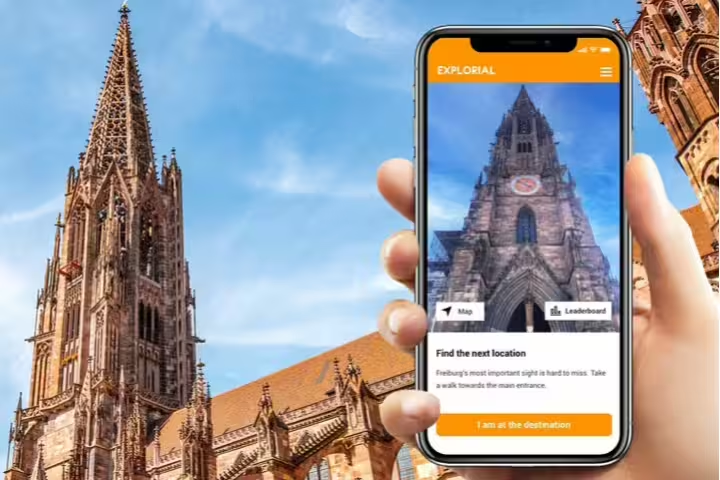
Spend time in Freiburg im Breisgau. This university city near the edge of the Black Forest feels bright and outdoors oriented, with a lively food scene and easy access to nature. It works well as a base if you want day trips without a car. Practical tip, aim for a morning stroll, then use the afternoon for a forest excursion when the city gets busier.

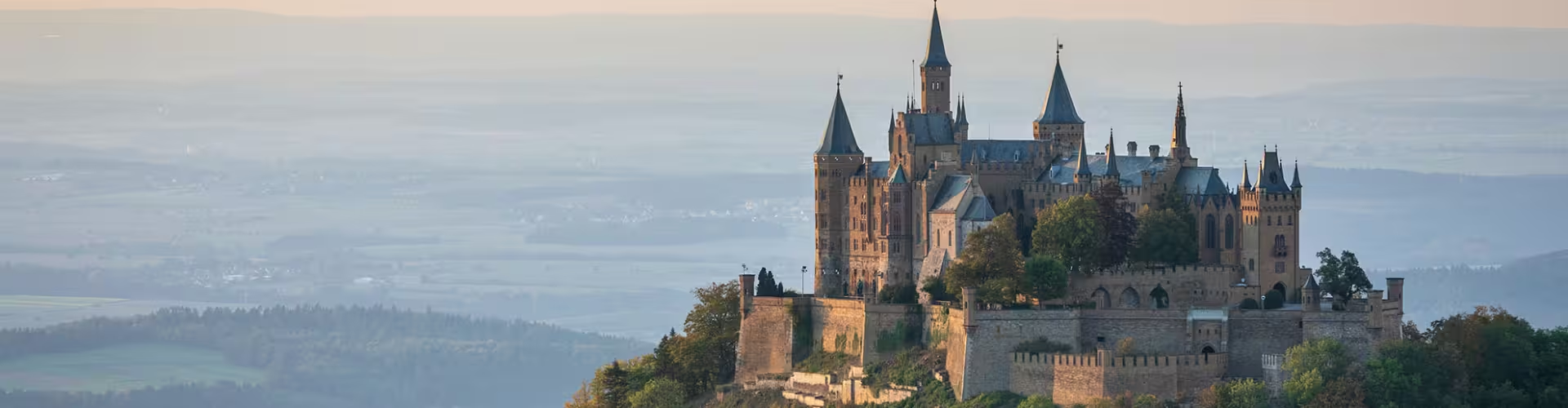
Follow the route of castles and palace towns. Baden-Württemberg rewards travelers who love royal history, fortifications, and old town viewpoints. Even without chasing every landmark, choosing one or two castle stops adds a strong sense of place. Practical tip, check local transit options in advance, some sites are simplest with a short taxi ride from the nearest station.

Unwind in Baden-Baden’s spa culture. The town is known for wellness tradition, elegant streets, and a slower pace that contrasts nicely with city hopping. It is a natural reset day in the middle of a busy itinerary. Practical tip, keep your schedule light, spa time works best when you are not rushing to a train.

Visit Lake Constance, Bodensee. Lakeside promenades, boat connections, and mountain views create a different side of the region, especially in warmer months. It suits families and couples who want relaxed scenery with flexible activities. Practical tip, build your day around the water, then explore nearby towns on foot to avoid parking stress.

Walk a half timbered town route. Smaller towns across the region deliver storybook streets, local bakeries, and photogenic squares that feel intimate compared with big cities. These stops add texture and a slower travel rhythm. Practical tip, arrive around lunchtime, then stay into late afternoon when day trippers thin out.


🚶 Curated Itineraries

⏰ The Highlights (1 Day): A fast-paced Best Of route.

Base yourself in Stuttgart or a well connected city, then start with a focused morning of museums or a historic center walk. Take a midday train to a nearby scenic town for lunch and a viewpoint stroll, then continue to an early evening stop that matches your interests, spa time, a lakeside promenade, or a castle panorama. Keep dinner close to your accommodation so you are not navigating late connections, and save longer countryside drives for another day.

⏰ Deep Dive (2-3 Days): Adding neighborhood exploration and local secrets.

Day 1, choose a city base and explore on foot, mixing a market or food hall style lunch with an afternoon museum or architecture walk. Day 2, dedicate time to the Black Forest or Lake Constance, Bodensee, focusing on one main area rather than trying to cover everything, then return for a relaxed dinner. Day 3, add a historic highlight such as Heidelberg or a spa focused day in Baden-Baden, and finish with a golden hour walk in a smaller town for quieter photos and a more local feel.


🍽️ Flavors of Baden-Württemberg

Maultaschen. These filled pasta pockets are comforting and savory, often served in broth or with a simple sauce. Ordering tip, ask for the classic preparation if you want a traditional first taste.

Spätzle. Soft egg noodles are a regional staple, rich and satisfying, and often paired with sauces or roasted meats. Ordering tip, look for house made versions, they are usually a sign of a kitchen that takes regional cooking seriously.

Käsespätzle. A heartier take on Spätzle with melted cheese and onions, it is the kind of dish that fits cool weather and long walking days. Ordering tip, share if you are sampling multiple dishes, portions can be filling.

Schwarzwälder Kirschtorte. Black Forest cake balances chocolate, cream, and cherry notes for a classic dessert moment. Ordering tip, pair it with coffee in the afternoon, many cafés treat this as a slow break rather than a quick bite.

Flammkuchen. Thin, crisp, and often topped with cream, onions, and bacon, it is a social food that works well with a drink. Ordering tip, order one classic and one seasonal topping to compare styles.

Local wines. Vineyard areas in the region produce approachable styles that match well with regional comfort food. Ordering tip, ask for a local pour by the glass, it is an easy way to taste without committing to a bottle.


🚌 Navigation & Transport

For city travel, walking and public transit cover most needs, with trams, buses, and regional trains making it easy to link neighborhoods and nearby towns. For countryside routes, especially the Black Forest and scattered castle areas, a car can save time and unlock viewpoints and smaller villages that are less practical by transit. Ride sharing and taxis can help bridge the last mile from stations to hilltop sights, and they are useful when you want a flexible evening without worrying about return schedules. As a general safety and comfort note, plan for variable weather, carry water for longer walks, and allow extra time for transfers if you are traveling with luggage or mobility needs.


🌄 Beyond the Center: Day Trips

Black Forest day trip. Travel time depends on your base, but it is commonly planned as a full day due to scenic stops. The reason to go is the iconic forest landscape and relaxed village atmosphere.

Baden-Baden. Often reachable in a couple of hours by rail from major hubs, it is ideal for wellness culture and elegant streets. The main draw is spa tradition and a slower pace between busier city days.

Heidelberg. Frequently doable as a day trip by train, it is a strong choice for historic ambience and classic viewpoints. The main reason is its romantic cityscape and walkable old town feel.

Lake Constance, Bodensee. This works best as a full day due to distances and the temptation to linger by the water. The reason to visit is lakeside scenery with flexible walking and boat oriented plans.


✅ Insider Tips for Travelers

  • Choose one main base city and one countryside base, then do day trips, it reduces packing and makes transport simpler.
  • Start popular scenic routes early in the day for calmer roads and more comfortable parking.
  • Keep a small amount of cash for traditional eateries and smaller town purchases.
  • Pack layers and a light rain option, weather can shift quickly between cities, hills, and lake areas.
  • Build in buffer time for rail connections, especially if you are combining multiple short hops in one day.
  • For viewpoints and castle areas, wear shoes suited to uneven surfaces and occasional steep paths.

❓ Frequently Asked Questions, FAQ

What is the best base for a first trip?

A well connected city base makes planning easier, especially if you want to mix museums, day trips, and dining without driving. Choose a place with strong rail links, then add one countryside overnight if you want a slower nature focused day.

Do I need a car to explore the region?

You can cover major cities and several classic stops by train and local transit. A car becomes more useful for the Black Forest and smaller villages where connections can be slower or less direct.

How many days should I plan for Baden-Württemberg?

Two to three days gives you time for one city focus plus one scenic day trip. If you want both the Black Forest and Lake Constance, Bodensee, add extra time so you are not rushing across the region.

When is the least crowded time to visit?

Spring and autumn often feel more relaxed than peak summer, while still offering good conditions for walking and sightseeing. Winter can be quieter in some areas, with a stronger focus on indoor culture and wellness.

What local foods should I try in Baden-Württemberg?

Start with Maultaschen and Spätzle, then try Käsespätzle if you want a richer comfort food option. For dessert, Schwarzwälder Kirschtorte is a classic café choice and pairs well with an afternoon coffee break.