Opatija
Plan a confident trip to Opatija with curated things to do, 1 to 3 day itineraries, local flavors, transport tips, and easy day trips around the Kvarner Gulf.

Plan a confident trip to Opatija with curated things to do, 1 to 3 day itineraries, local flavors, transport tips, and easy day trips around the Kvarner Gulf.

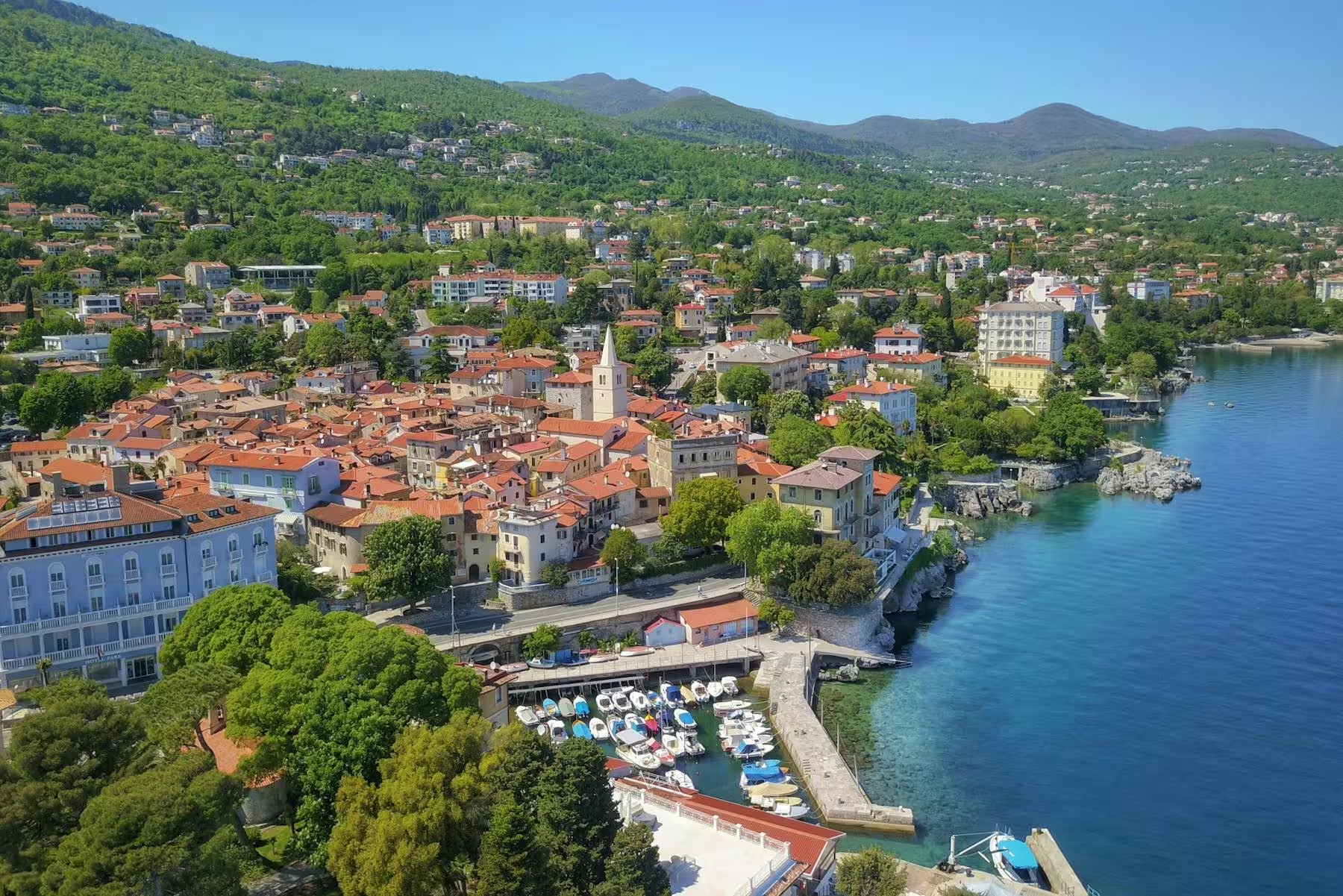
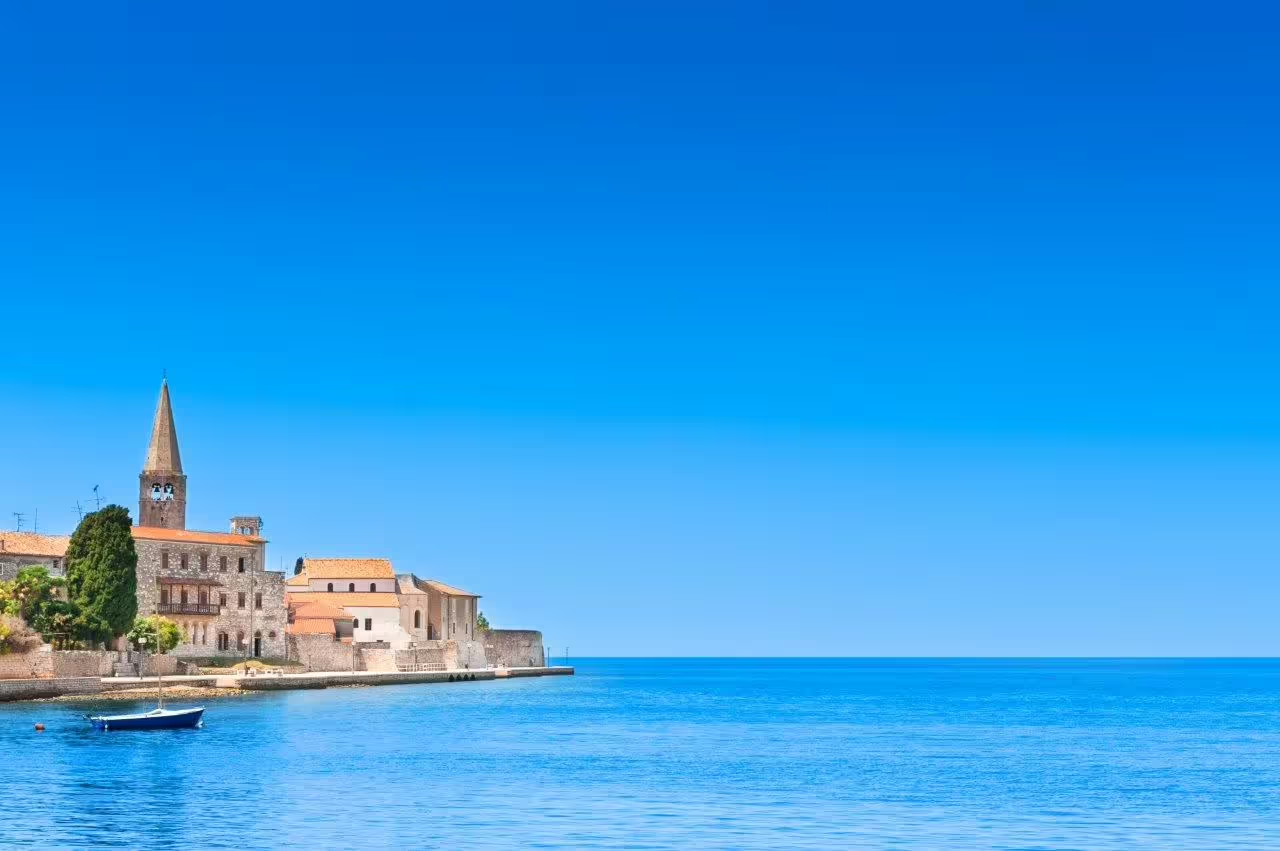
Opatija is a polished Adriatic resort town where Belle Époque villas, palm-lined promenades, and sea air set the tone for an easy, elegant escape. The city’s rhythm is built around waterfront walks, café culture, and scenic viewpoints that reward unhurried travel. Use this guide to plan a practical, high-confidence trip with clear logistics, curated experiences, and smart day-trip options.
Opatija feels like a classic seaside resort with a refined edge, think grand architecture, manicured parks, and a promenade made for lingering. It is ideal for travelers who want coastal scenery without sacrificing comfort, dining, and walkability. Go now if you want a destination that suits both short breaks and slow travel, with plenty to do even when the weather shifts.
Opatija sits in Primorje-Gorski Kotar County on the Kvarner Gulf, with the Adriatic on one side and green hills rising behind it. It is closely connected to nearby Rijeka, which functions as the main urban hub in the region. For most travelers, the easiest gateways are regional airports and major transport hubs in the wider Kvarner and Istria area, then onward by road to the coast.
Peak summer brings the liveliest atmosphere, the warmest sea conditions, and the highest demand for accommodation. Shoulder seasons are often favored for a calmer promenade experience, easier restaurant reservations, and comfortable walking temperatures. In cooler months, the town’s appeal shifts toward wellness-style breaks, long lunches, and scenic coastal walks when crowds are lighter.
Croatia uses the euro, and you will find card payments widely accepted in tourist-facing businesses, with cash still useful for small purchases and tips. Costs typically rise during peak season, especially for sea-view stays and popular dining times. A practical approach is to set a daily budget that separates accommodation from experiences, then keep a small cash buffer for parking, small kiosks, or quick snacks.
1) Lungomare Promenade Walk
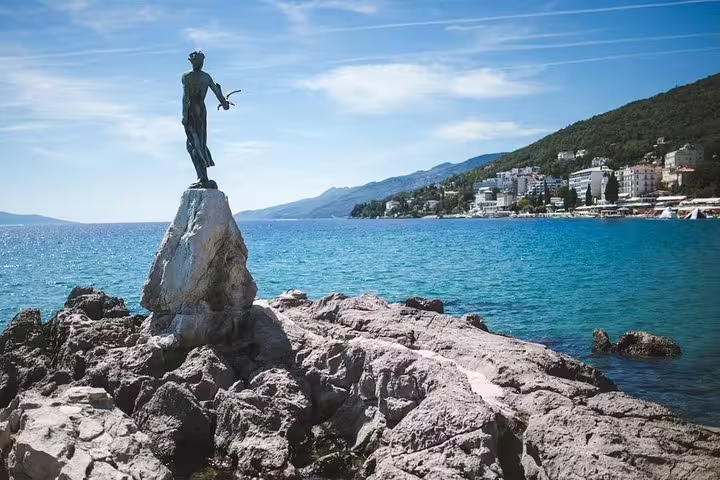
The seaside promenade is the signature Opatija experience because it ties together viewpoints, gardens, and the town’s elegant architecture into one continuous coastal story. It is the best way to understand the destination’s resort identity, which was built around sea air, leisure, and slow movement. Practical tip: go early for photos and a quieter pace, then repeat at sunset for softer light and a more romantic atmosphere.
2) Historic Villa Spotting and Architecture Stroll
The town’s villas and hotels reflect the era when the Adriatic became a fashionable retreat for Central European travelers. Even without entering properties, walking the streets reveals decorative facades, landscaped grounds, and a sense of curated grandeur. Practical tip: wear comfortable shoes and plan a loop that starts near the waterfront, then climbs slightly inland for different angles and fewer crowds.
3) Parks and Garden Breaks
Green spaces matter in Opatija because they balance the coastal setting with shade, calm, and places to pause between meals and walks. These gardens reinforce the town’s “health resort” heritage, where fresh air and gentle activity were part of the attraction. Practical tip: pack water and take a mid-day break in the shade during warmer months.
4) Café Culture with a Sea View
A big part of the local rhythm is sitting down, ordering something simple, and watching the promenade flow by. This is not just a break, it is how the destination is meant to be experienced, with time built into the day. Practical tip: choose a terrace slightly off the busiest stretch for better service pacing, then linger rather than rushing.
5) Beach Time and Swimming Stops
Coastal access points are central to any Opatija plan, whether you prefer a structured beach club feel or a quick swim from a rocky platform. The water and the views are the payoff after a morning of walking and sightseeing. Practical tip: bring water shoes for comfort on rocky entries and arrive earlier to claim a good spot in peak season.
6) Scenic Viewpoints Above Town
The hills behind the coast create natural lookouts that help you appreciate the Kvarner Gulf setting. A short climb changes the perspective from “resort town” to “coastline panorama,” which is often the most memorable photo moment. Practical tip: check the forecast and go on a clearer day for the best visibility.
7) Wellness-Style Slow Afternoon
Opatija’s resort DNA makes it a strong choice for a slower itinerary with time for spa-style relaxation, gentle walks, and long meals. This is especially valuable if you are combining destinations and want a restorative pause between busier cities. Practical tip: schedule your most active sightseeing in the morning, then keep afternoons flexible for recovery time.
8) Evening Promenade and Dinner Plan
Evenings are when the town feels most cinematic, with lights along the waterfront and a dressed-up, relaxed crowd. Pairing a promenade stroll with a planned dinner turns a simple night into a highlight. Practical tip: reserve ahead in high season and aim for an earlier walk, then a later dinner to avoid peak seating pressure.
Start with a morning walk on the Lungomare to get oriented and enjoy the quietest stretch of the day. Follow with a villa and architecture loop, then pause for a long café stop with a sea view. In the afternoon, fit in a swim stop or a shaded park break, then finish with an evening promenade and a planned dinner.
Day 1 focuses on the waterfront, the Lungomare, and the classic resort atmosphere, plus a relaxed dinner plan. Day 2 adds a slower pace, more time in parks and gardens, and a viewpoint excursion above town for a wider Kvarner perspective. If you have a third day, use it for a nearby day trip, then return to Opatija for a final sunset walk and a café-style farewell.
Seafood-focused plates
Coastal Croatia leans into clean, briny flavors, often highlighted with olive oil, herbs, and simple preparation. Ordering tip: ask what is freshest that day and choose grilled or lightly dressed options for a true seaside profile.
Scampi and shellfish styles
Kvarner is known for seafood traditions, and shellfish dishes often reflect a balance of sweetness and sea salinity. Ordering tip: if you see a local scampi preparation on the menu, consider it as a signature choice for the region.
Risotto and pasta with Adriatic flavors
These dishes typically carry the coast in every bite, with seafood, garlic, parsley, and a savory backbone. Ordering tip: choose a house specialty rather than a generic option, and pair it with a lighter local white wine style if available.
Grilled fish
Simple grilling lets freshness do the work, which is why it remains a staple along the waterfront. Ordering tip: ask about the catch and portion size so you can match it to your appetite, especially if you plan a long walk afterward.
Local pastries and dessert café stops
Dessert breaks fit the Opatija pace, especially in the afternoon when the sun is strongest. Ordering tip: split a dessert and add coffee so you can sample more than one thing without overcommitting.
Coffee and aperitif culture
Coffee breaks and pre-dinner drinks are part of the social rhythm, especially along the promenade. Ordering tip: take your time, choose a table with a view, and treat it as an experience rather than a quick stop.
Opatija is well suited to exploring on foot, especially if your accommodation is near the waterfront and the main promenade. For longer distances, road transport is the practical backbone, with taxis and local services commonly used for point-to-point trips, particularly when heat or elevation makes walking less appealing. If you are driving, plan ahead for parking strategies in busier periods, and keep footwear and sun protection in mind since many “short” distances expand once you start strolling and stopping for views.
Rijeka
A nearby urban hub that contrasts with resort calm, offering a more local city rhythm. Travel time is short by road, making it easy to combine with an afternoon return to the coast.
Istrian hill towns
The broader region includes inland towns known for stone streets, viewpoints, and a slower rural feel. Travel time varies by route, and it works best as a full or near-full day.
Kvarner Bay coastal stops
Short hops along the coast deliver new angles on the Adriatic and different promenade atmospheres. Travel time is typically manageable by car, making this a flexible option when you want variety without a long journey.
Nature and hillside viewpoints
The green slopes behind Opatija are ideal for a quick change of scenery and cooler air. Travel time is short, and the payoff is panoramic perspective over the gulf.
Yes, the waterfront and main promenade are very walkable, especially if you stay near the center. For hills, viewpoints, or nearby areas, taxis and local transport make the day easier.
One day covers the highlights like the promenade, architecture strolls, and a swim stop. Two to three days lets you add viewpoint time, slower meals, and a nearby day trip.
Shoulder seasons are typically calmer than peak summer while still offering a strong coastal atmosphere. Cooler months can also be appealing if your focus is walking, dining, and a slower pace.
Bring comfortable walking shoes, sun protection, and a light layer for evenings by the sea. Water shoes are helpful if you plan to swim from rocky coastal access points.
Yes, the location in Primorje-Gorski Kotar County makes it practical to combine coastal stops, hillside viewpoints, and nearby urban areas. Plan travel time by road and keep your return flexible for sunset on the promenade.