Krk
Plan a confident trip to Krk with practical logistics, top things to do, 1 to 3 day itineraries, local flavors, transport tips, and easy day trips around the Kvarner Gulf.

Plan a confident trip to Krk with practical logistics, top things to do, 1 to 3 day itineraries, local flavors, transport tips, and easy day trips around the Kvarner Gulf.

Krk is one of Croatia’s best known Adriatic islands, prized for easy access, sea views, and a mix of historic towns, beaches, and inland villages. The appeal is simple, you can swim in clear coves, explore old stone streets, and still be back at your base for a relaxed dinner. This guide helps you plan a practical, high confidence trip to Krk with logistics, what to do, and how to structure your days.
Krk feels like a greatest hits of the northern Adriatic, with coastal promenades, pine backed bays, and heritage you can see in the architecture and town layouts. Go for the balance, it suits beach days, light hiking, and café style evenings without complicated travel. It is also a strong choice when you want Croatia’s island atmosphere with straightforward connections from the mainland.
Krk sits in the Kvarner Gulf in Croatia, within Primorje-Gorski Kotar County, a region that also includes the coastal hub of Rijeka and nearby islands. The island’s location makes it a natural base for travelers who want sea time plus the option of quick mainland day trips. For gateways, the most relevant hub is Rijeka and the surrounding Kvarner transport network, with onward connections by road and local services.
Summer brings the classic Adriatic rhythm, beach focused days, lively waterfronts, and the highest crowd levels. Shoulder seasons are often the sweet spot for travelers who want comfortable sightseeing conditions and a calmer feel in town centers and along promenades. If your priority is swimming and long evenings outdoors, aim for peak summer, if your priority is walking, viewpoints, and a slower pace, choose shoulder months.
Croatia uses the euro, which simplifies planning for many European travelers and makes price comparisons easy. Budget expectations vary by season, accommodation and waterfront dining tend to rise in peak months, while inland choices can feel better value. Carry a small amount of cash for small purchases, but expect card payments to be common in most tourist facing businesses.
Use these curated experiences to build your plan around what makes the island memorable. For SEO focused trip planning, consider pairing town time with beach time and one inland detour for balance, especially if you are comparing Krk with other Croatian island travel options.
Explore Krk Town’s old streets
The island’s main town is a natural starting point because it layers history, cafés, and waterfront views in a compact area. Wandering on foot helps you notice details like stonework, small squares, and the way the town opens toward the sea. Practical tip, go early in the day for quieter photos, then return in the evening for a more atmospheric promenade.
Chase beaches and sheltered coves
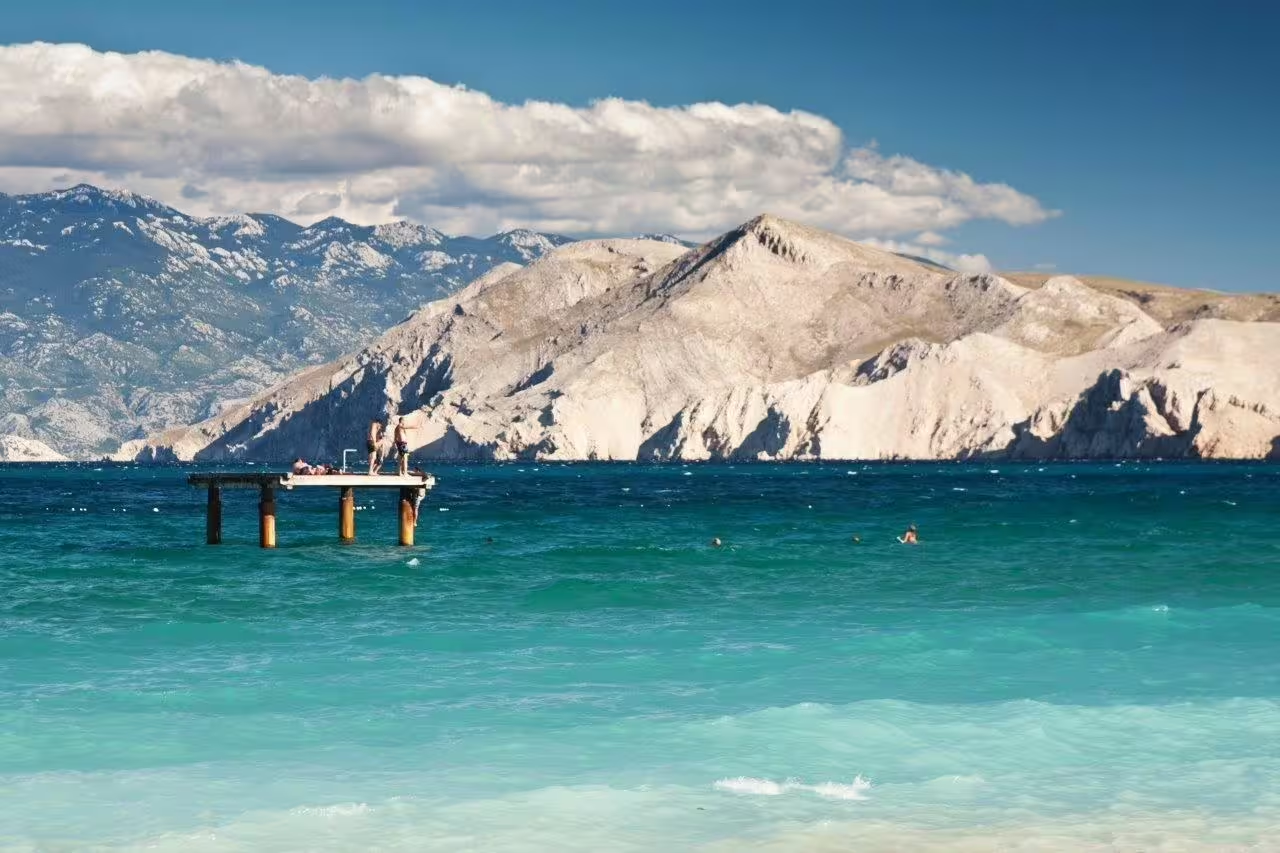
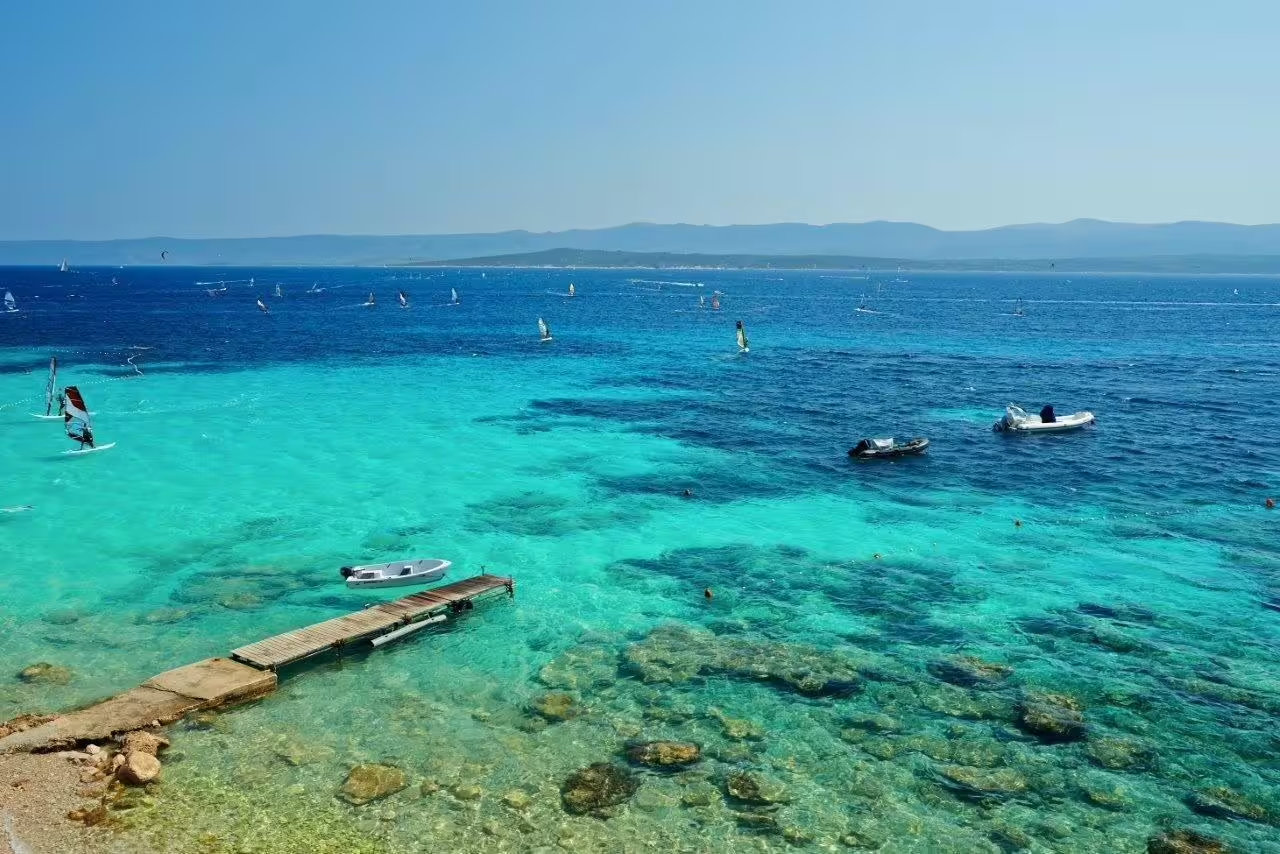
Beach time is central to the Krk experience, with a mix of pebbly shores and small coves where the water looks especially clear. The best plan is to rotate between one easy access beach day and one more secluded cove day for variety. Practical tip, bring water shoes for pebbles and pack shade, especially if you prefer longer beach sessions.
Take a coastal walk for viewpoints
Short coastal walks deliver the island’s signature scenery, blue water, rocky edges, and pine scented air. This is also a low effort way to add variety between swimming and meals. Practical tip, time a walk for late afternoon so the light softens, then stay out for sunset.
Visit a hilltop village inland
Inland villages shift the mood away from the waterfront and show a quieter side of island life. Stone houses, small churches, and local pace create a strong contrast with busier seaside strips. Practical tip, go in the warmest part of the day if you are visiting in shoulder season, when the coast can feel breezier.
Plan a tasting focused meal
Food is one of the easiest ways to understand place, and Krk rewards travelers who slow down for a proper sit down lunch or dinner. Look for seasonal seafood, grilled plates, and local olive oil notes that reflect the northern Adriatic. Practical tip, ask what is freshest that day and consider sharing starters so you can sample more.
Do a boat style half day on the water
Seeing the coastline from the sea changes your perspective, coves look more dramatic, and the water color becomes the main event. Even a short outing can deliver a standout memory if you prioritize swimming stops and a relaxed pace. Practical tip, choose calmer weather days if you are sensitive to motion.
Photograph the harbor at golden hour
Harbors and promenades are made for slow evenings, especially when the light warms the stone and water reflections sharpen. This is a simple, high reward activity that fits any itinerary. Practical tip, arrive a little before sunset so you can pick your angle and avoid rushing.
Build a beach to dinner rhythm
The classic island day is not about ticking boxes, it is about a smooth flow from swim to stroll to meal. This is where Krk excels, because you can keep logistics easy and still feel like you did a lot. Practical tip, keep one evening unplanned so you can follow the best vibe you find.
Start with a morning walk through Krk Town to get oriented, then shift to a nearby beach or cove for a swim and a relaxed midday break. In the afternoon, add a short coastal walk for viewpoints, then return to the waterfront for a sunset promenade. Finish with a tasting style dinner, focusing on seafood and local olive oil driven flavors.
Day one, focus on Krk Town and an easy access beach, then keep the evening for harbor photos and a slow meal. Day two, add an inland village detour for a different atmosphere, then spend the rest of the day in a quieter cove, finishing with a coastal walk timed for late light. Day three, if you have it, prioritize time on the water with a boat style half day, then leave space for spontaneous stops and revisiting your favorite swim spot.
Grilled Adriatic fish tastes clean and briny, often finished with olive oil and simple seasoning. Ordering tip, ask what was caught or delivered most recently and choose that.
Seafood risotto is typically rich and savory, with a sea aroma that pairs well with a long lunch. Ordering tip, consider sharing if you want to try multiple dishes.
Octopus salad is refreshing and light, a good start before grilled mains. Ordering tip, look for versions with plenty of olive oil and citrus for brightness.
Ćevapi offers a hearty grilled option when you want a break from seafood. Ordering tip, pair it with a simple side and keep it as a casual meal day choice.
Pašticada is a slow cooked, deeply flavored dish that leans comforting and traditional. Ordering tip, choose it for dinner when you have time for a full sit down meal.
Local olive oil adds peppery, green notes and often defines the table experience. Ordering tip, if olive oil is offered, taste it with bread before you order to set expectations for flavors.
Within town centers, walking is the most enjoyable way to move, especially along promenades and through old streets where parking can be limited. For beaches, coves, and inland villages, plan on short drives or local transport connections depending on your base, and build in buffer time in peak season when roads and parking areas can be busier. If you are using taxis or app based rides, confirm pickup points clearly, old town areas can have restricted access and narrow lanes.
Safety is generally a matter of common sense, watch your footing on rocky shorelines, wear suitable shoes for pebbles, and carry water on hot days. For accessibility, prioritize flatter promenades and larger beaches with easier entry, and consider staying close to the waterfront if minimizing steps is important.
Rijeka is a practical mainland hub for a change of pace, with an urban feel and transport links. Travel time depends on your starting point on the island and traffic, but it is typically manageable as a day trip. Go for city energy and a different dining and café scene.
Cres offers a contrasting island atmosphere in the Kvarner area, appealing if you want more island hopping variety. Travel time varies by connections and season. Go for a different coastline character and a fresh set of viewpoints.
Rab is another nearby island option, often chosen for beaches and a distinct old town ambience. Travel time depends on ferry routes and timing. Go if you want a classic island day with a different visual style.
Opatija is known for its coastal promenade culture and a more resort oriented feel. Travel time varies by road connections. Go for an elegant seaside stroll and a change from island rhythms.
How many days do I need in Krk?
One day is enough for a highlights loop with a town walk and a beach stop. Two to three days lets you add an inland village, a quieter cove, and time on the water without rushing.
Is Krk good for a beach focused trip?
Yes, the island is built for swim days, with a mix of easy beaches and smaller coves. Bring water shoes and plan early starts in peak season for the best experience.
Do I need a car to get around?
Walking works well in town centers and along promenades. A car or planned local transport helps a lot for coves, inland villages, and flexible day trip timing.
What is the best time of year to visit Krk?
Summer delivers the warmest sea and the liveliest atmosphere in Krk, but it also brings the biggest crowds. Shoulder seasons are better for sightseeing, coastal walks, and a calmer pace.
Can I do day trips from Krk?
Yes, the island’s position in the Kvarner area makes day trips realistic with the right planning. Rijeka, Opatija, and nearby islands can all work depending on connections and how early you start.