Cres

Plan a smarter trip to Cres with curated things to do, beach and food tips, 1 to 3 day itineraries, transport guidance, and easy day trip ideas across the Kvarner Gulf.

logoBlack

Build your dream
experience

dreamimg

More to know about Cres


Cres Travel Guide

Cres is a destination where Adriatic blues, stone-built old towns, and quiet coves set the pace for days that feel both simple and deeply restorative. This guide is designed to help you decide how long to stay, what to prioritize, and how to move around confidently, whether you are planning a quick highlights trip or a slower island break. Expect a practical, experience-led approach that balances scenery, culture, and logistics, so your time on Cres feels unhurried and well spent.


Snapshot

Cres delivers an island rhythm that leans calm, coastal, and outdoorsy, with a strong sense of place shaped by the northern Adriatic. Go now if you want a Croatia trip that feels less rushed, where swims, walks, and long meals can become the main event. The signature vibe is understated, nature-forward, and best enjoyed with a flexible plan that follows the light, the sea conditions, and your appetite for exploring.


🗺️ Geography and Logistics

📍 Orientation: Where is it within Primorje-Gorski Kotar County and Croatia? Name key gateway airports or hubs.

Cres sits in the Kvarner Gulf in Croatia, within Primorje-Gorski Kotar County, a region known for a mix of islands and mountainous mainland landscapes. The island is connected to the wider travel network through coastal hubs on the mainland and regional sea routes, which makes it a strong fit for travelers combining islands with Rijeka-area routes. For flight planning, typical gateways for this part of Croatia include nearby regional airports and larger hubs that connect onward by road and ferry, so it helps to map your arrival around your preferred balance of speed and scenery.

🕒 When to Go: Seasonal breakdown. Weather patterns vs. crowd levels.

On Cres, the travel experience shifts noticeably by season, largely due to swimming conditions and how busy the island feels. Warmer months generally bring the most beach time and the highest visitor levels, which can be ideal if you want a lively atmosphere and a full range of services. Shoulder seasons tend to feel more spacious and are well suited to walking, photography, and slow exploration, especially if you value quieter waterfronts and easier parking. Cooler months can be peaceful and introspective, a good match for travelers who prioritize coastal scenery and local life over sunbathing.

💰 Budget & Currency: Practical money tips, local price levels, and card vs. cash advice.

Plan for typical coastal Croatia pricing patterns, where peak season can increase accommodation demand and make early booking more important. Cards are widely used in many travel settings, but carrying some cash is still practical for smaller purchases and simple transactions, especially in less central areas. A helpful approach is to set a daily budget that separates essentials from experiences, so you can say yes to a boat day, a special seafood meal, or an extra taxi without disrupting the rest of your plan.


⭐ Essential Things to Do

Use these curated experiences to build your trip around the island’s strongest themes: old-town atmosphere, coastal nature, and unforced Adriatic pleasures. Where relevant, this section supports searches for things to do in Cres, Cres beaches, and where to stay in Cres.

1) Wander the historic core of Cres Town
Why it matters: The old town is where the island’s character is most concentrated, with stone lanes, small squares, and a waterfront feel that changes hour by hour. It is an easy way to understand the island’s maritime identity and its connection to the wider Kvarner region. Practical tip: Go early morning for quiet photos, then return at golden hour when the harbor light softens and the promenade feels most atmospheric.

2) Plan a beach and cove day focused on Cres beaches
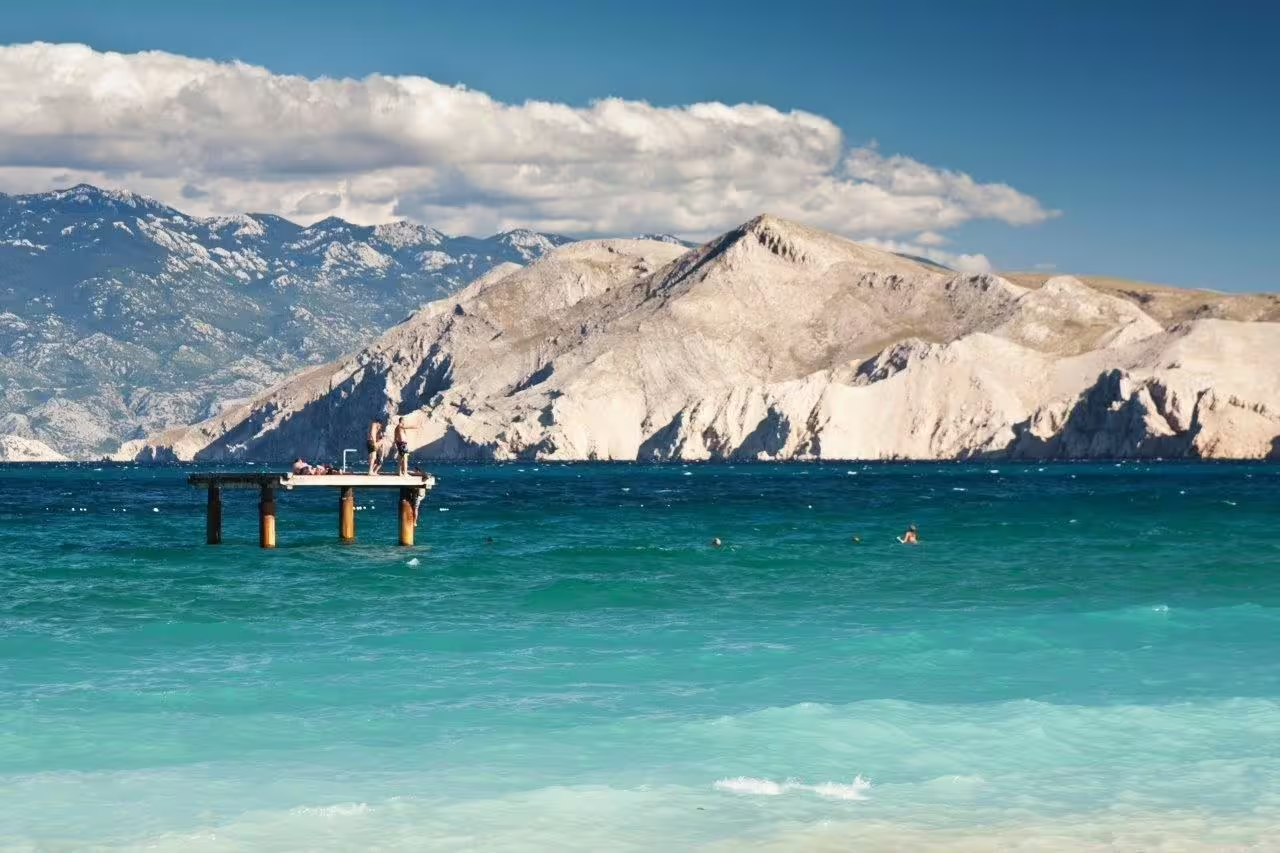
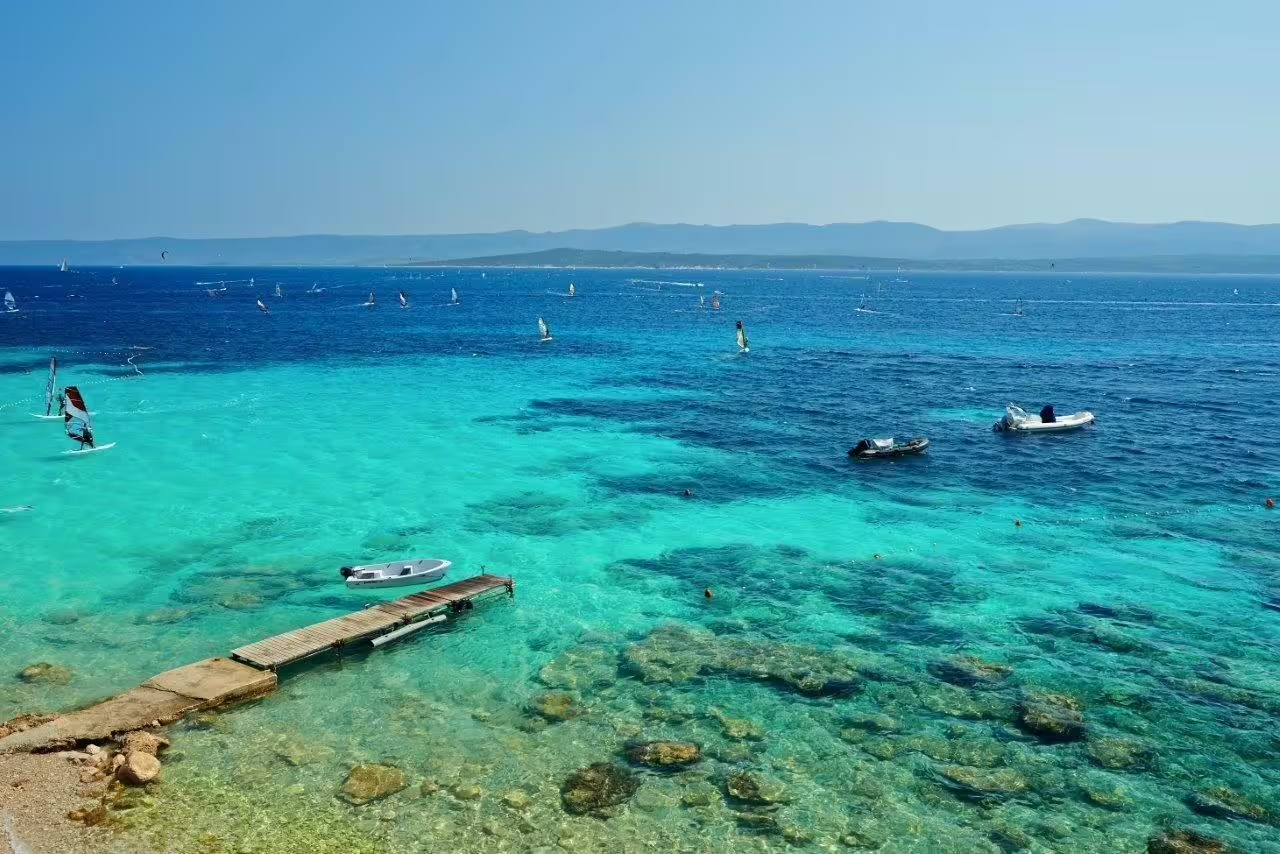
Why it matters: Swimming here is about clarity, rocky edges, and the satisfaction of finding your own patch of coast. The island rewards travelers who enjoy exploring, since some of the best spots feel a little removed from the main flow. Practical tip: Pack water shoes and a dry bag, and aim to arrive earlier in the day if you want easier access and calmer water near shore.

3) Take a scenic coastal drive for viewpoints and hidden bays
Why it matters: Road time on the island is not just transport, it is part of the experience, with changing sea angles and a sense of scale you do not get from town alone. You will notice how the landscape shifts between open views and sheltered inlets. Practical tip: Keep your schedule light and build in stops, because the best moments often come from pulling over safely for a short walk and a photo.

4) Choose a slow meal that leans into local seafood traditions
Why it matters: Island dining is one of the most reliable ways to feel the place, especially when you let the day’s catch and simple preparations lead. Long lunches or relaxed dinners fit the Cres pace, and they pair naturally with a waterfront stroll. Practical tip: If you are traveling in peak season, reserve ahead for popular terraces and ask what is freshest rather than ordering only from habit.

5) Do a walking-focused day for nature, light, and sea air
Why it matters: Even short walks can deliver that classic Adriatic combination of salt air, wild textures, and wide horizons. This is also one of the best ways to balance beach time with movement, especially if you are staying several nights. Practical tip: Start earlier to avoid the strongest midday sun in warmer months, and carry more water than you think you will need.

6) Build your base thoughtfully using where to stay in Cres logic
Why it matters: Where you sleep shapes your whole island experience, especially if you want to mix town evenings with beach days and drives. A town base can be convenient for dining and atmosphere, while a quieter base can maximize downtime and early swims. Practical tip: Decide what you want most, walkable evenings or quicker access to quieter coast, then book accordingly and keep one flexible day for spontaneous discoveries.

7) Consider a boat outing for a different perspective of the island
Why it matters: Seeing the coastline from the water reframes the island, turning cliffs, coves, and distant headlands into a single panorama. It is also a strong option if you want a swim day that feels special without needing to drive and park multiple times. Practical tip: Choose a day with stable weather and bring sun protection, because time on open water can feel stronger than you expect.

8) Treat sunset as a daily ritual, not a one-off event
Why it matters: Sunsets on Cres can make even a simple day feel cinematic, especially when you pair the light with a waterfront walk or a relaxed drink. The island’s mood shifts in the evening, from active to contemplative. Practical tip: Pick one reliable viewpoint near your accommodation, then keep one evening free to chase the best conditions when the sky looks promising.


🚶 Curated Itineraries

⏰ The Highlights (1 Day): A fast-paced best-of route

Start in Cres Town with an early walk through the old lanes and along the harbor, then pause for a simple coffee and people-watching. Late morning, head out for a focused swim session at a beach or cove that fits your comfort level with rocky entries. After lunch, take a scenic drive with a couple of short stops for viewpoints and photos, then return to town for a slow evening promenade and a seafood-forward dinner. Keep the day structured but not rigid, since the best island moments often come from lingering when the light looks right.

⏰ Deep Dive (2-3 Days): Adding exploration and local rhythm

Day 1, orient yourself with town time, a harbor walk, and a sunset routine so you quickly feel at home. Day 2, dedicate the core of the day to Cres beaches, choose one main swimming base and add a secondary cove if energy allows, then finish with a relaxed meal. Day 3, prioritize a longer nature walk or a boat perspective, depending on conditions, and leave space for a spontaneous return to your favorite spot. This pace works well for travelers who want the island to feel like a break, not a checklist.


🍽️ Flavors of Cres

Food on Cres tends to reward simplicity, freshness, and coastal timing. Use these ideas as a tasting roadmap, and let availability guide your final choices.

  • Grilled fish and seafood: Clean, briny flavors with olive oil and herbs doing most of the work. Ordering tip: Ask what is fresh today and choose that, instead of defaulting to the same species each time.
  • Seafood risotto: Creamy texture with a deep sea-sweetness, often richer than it looks. Ordering tip: If you want a lighter meal, share it and add a salad or grilled vegetables.
  • Octopus salad: Tender, citrus-leaning, and ideal in warm weather. Ordering tip: It pairs well with a simple white wine, and it is a smart starter before a grilled main.
  • Black cuttlefish risotto: Savory and intense, with an unmistakable Adriatic identity. Ordering tip: Choose it when you want a signature coastal dish, and wear something you do not mind being careful with.
  • Local lamb specialties: A deeper, more aromatic counterpoint to seafood, often associated with island and regional traditions. Ordering tip: If you have had several fish meals in a row, this is a satisfying reset.
  • Olive oil and simple seasonal sides: Peppery, green notes that lift bread, salads, and grilled plates. Ordering tip: Treat good olive oil as part of the meal, not a garnish, and use it to taste.

🚌 Navigation & Transport

Getting around Cres is typically a mix of walking for town areas and short drives for beaches and viewpoints. Walking is ideal for historic lanes and waterfront promenades, where the best details appear at a slow pace. For exploring multiple coves or doing a scenic loop, a car can make the day far easier, especially if you want to carry beach gear and water. If you plan to rely on taxis or private transfers, build in extra buffer time, since island logistics can be slower than mainland city travel, particularly during high-demand periods.

For comfort and safety, pack sturdy footwear for rocky entries and uneven coastal paths, and keep sun protection handy even on breezy days. If accessibility is a priority, focus your planning around flatter waterfront areas and confirm terrain expectations before committing to longer walks.


🌄 Beyond the Center: Day Trips

Use day trips to widen your sense of the Kvarner Gulf while keeping Cres as your calm base. Travel times vary by route and season, so treat these as flexible options rather than fixed commitments.

  • Lošinj: A natural pairing with the island-hopping mood, known for seaside scenery and a relaxed coastal atmosphere. Travel time: typically reachable by local connections depending on your exact starting point.
  • Krk: Another major Kvarner island, good for comparing landscapes and town styles across the region. Travel time: varies, plan around ferry and road links.
  • Rijeka: A mainland hub that adds an urban layer, useful for transport links and a different cultural rhythm. Travel time: depends on ferry schedules and onward road travel.
  • Opatija: A classic Adriatic resort town feel, often associated with elegant promenades and coastal views. Travel time: varies, best planned as a full-day outing.

✅ Insider Tips for Travelers

  • Book the base first: In busier months, locking in where to stay in Cres early makes the rest of planning easier and keeps your options open.
  • Pack for rocky coastlines: Water shoes, a small first-aid kit, and a dry bag can upgrade your beach days significantly.
  • Use a two-cove strategy: Choose one primary swimming spot, then keep a backup cove in mind in case of wind, shade, or crowd changes.
  • Build your day around light: Do viewpoints and town photos early or late, then use midday for swimming and long lunches.
  • Carry cash as a backup: Even if you plan to pay by card, small purchases can be smoother with cash on hand.
  • Drive with patience: Island roads reward slower travel, and the best stops are the ones you allow time for.
  • Respect quiet zones: Keep noise low in residential lanes, especially in the evening, and treat the old town like a lived-in place, not a backdrop.

❓ Frequently Asked Questions, FAQ

Is Cres better for a short trip or a longer stay?
It works well for both, depending on your travel style. One day covers the highlights, while 2 to 3 days lets you add beach time, a nature walk, and a slower dining rhythm.

Do I need a car to explore beaches and coves?
A car makes it easier to reach multiple swimming spots and carry gear. If you stay central and focus on one main beach day, you can still do a lot with walking plus occasional rides.

When is the least crowded time to visit?
Shoulder seasons generally feel quieter than peak summer months. You will often get a calmer atmosphere for town walks, viewpoints, and relaxed meals.

What should I pack for Cres beaches?
Bring water shoes for rocky entries, sun protection, and enough drinking water for longer days out. A dry bag is useful if you plan to hop between coves or take a boat outing.

Are day trips from the island realistic?
Yes, day trips can work well if you plan around ferry and road connections. Keep your schedule flexible and treat travel times as variable, especially in high-demand periods.