Primorje-Gorski Kotar County
A practical, E-E-A-T travel guide to Primorje-Gorski Kotar County, Croatia, covering Rijeka, Opatija, Kvarner islands, Gorski Kotar, top things to do, itineraries, local food, transport, day trips, and traveler tips.

A practical, E-E-A-T travel guide to Primorje-Gorski Kotar County, Croatia, covering Rijeka, Opatija, Kvarner islands, Gorski Kotar, top things to do, itineraries, local food, transport, day trips, and traveler tips.

Primorje-Gorski Kotar County is a Croatia-in-one-region blend of Adriatic islands, a lively port city, and forested highlands where the air turns cooler and pine-scented. The signature vibe shifts quickly, seaside promenades and café culture on the coast, then quiet mountain villages and deep green landscapes inland. It suits travelers who want variety without long transfers, especially if you enjoy mixing beaches, local food, and nature-focused days.
In Primorje-Gorski Kotar County, you can pair saltwater mornings with mountain afternoons, then end the day with seafood and local wine. The region feels both maritime and alpine, with island life, coastal towns, and the rugged calm of Gorski Kotar all within reach. Go when you want Croatia’s Adriatic energy plus breathing space, nature trails, and cooler evenings away from the busiest strips.
Primorje-Gorski Kotar County sits in western Croatia, stretching from the Kvarner Gulf and its islands into the mountainous interior of Gorski Kotar. The main urban hub is Rijeka, a key Adriatic port with strong transport links. For gateways, travelers commonly route via major Croatian and nearby regional airports, then continue by road or bus to Rijeka and the coastal towns, or by ferry to the islands.
Warm-season travel centers on coastal swimming, island hopping, and long evenings on promenades, and it is also when crowds are highest. Shoulder seasons are often preferred for hiking in Gorski Kotar and for exploring coastal towns with fewer lines and easier parking. Cooler months suit travelers who prioritize food, culture, and forest landscapes, with the understanding that sea-focused activities become less central.
Croatia uses the euro, and cards are widely accepted in cities and established tourist areas. Carry some cash for smaller cafés, local markets, and rural stops in the mountains where card terminals can be less consistent. Budget levels vary, islands and prime waterfront locations tend to cost more, while inland towns and simple konoba-style dining can offer better value.
Rijeka Old Town and Korzo Stroll
Rijeka brings an urban, working-port edge that feels different from resort towns, with a walkable center and a café rhythm that locals actually use. It is a good place to anchor your trip because transport connections are strong and the city makes a practical base. Practical tip, go early in the day for a calmer feel, then return in the evening when terraces fill up.
Island Hopping in the Kvarner Gulf
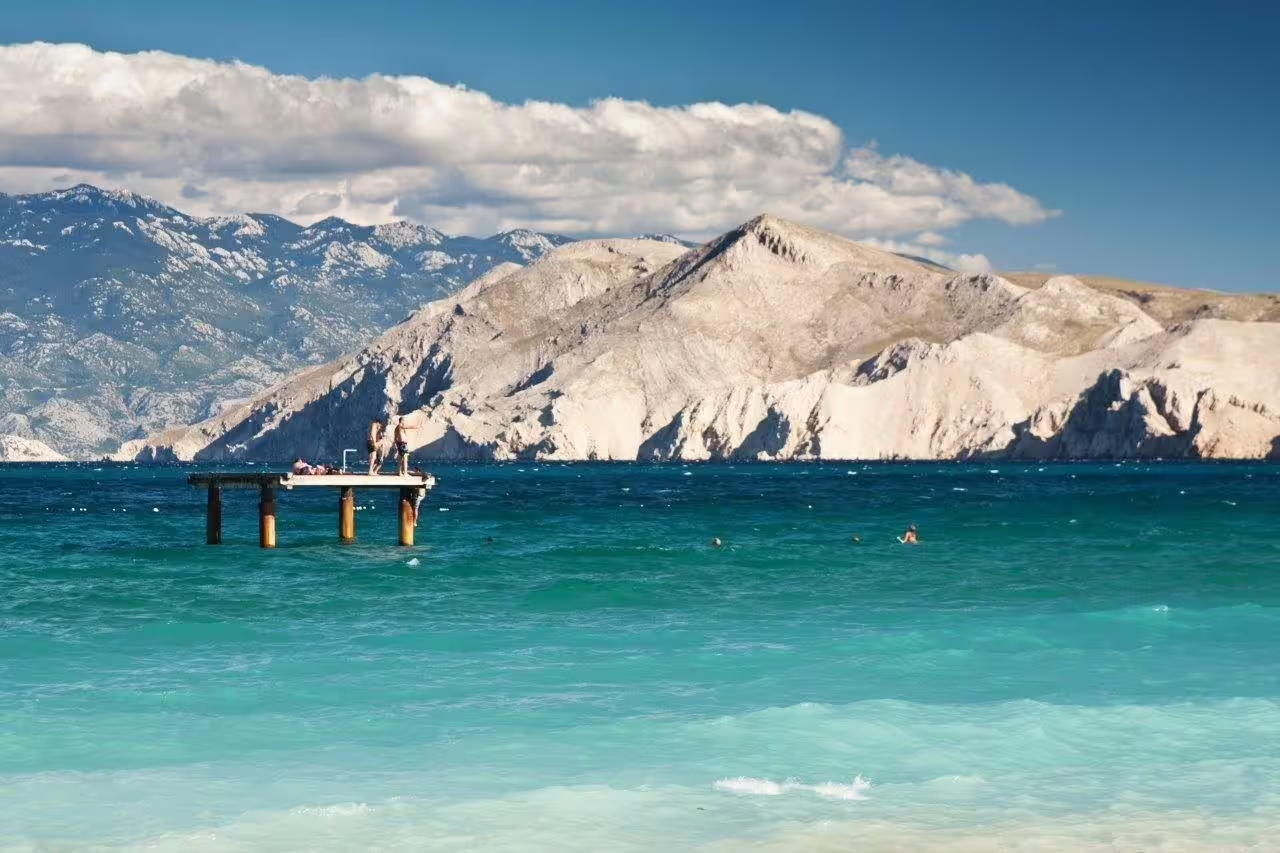
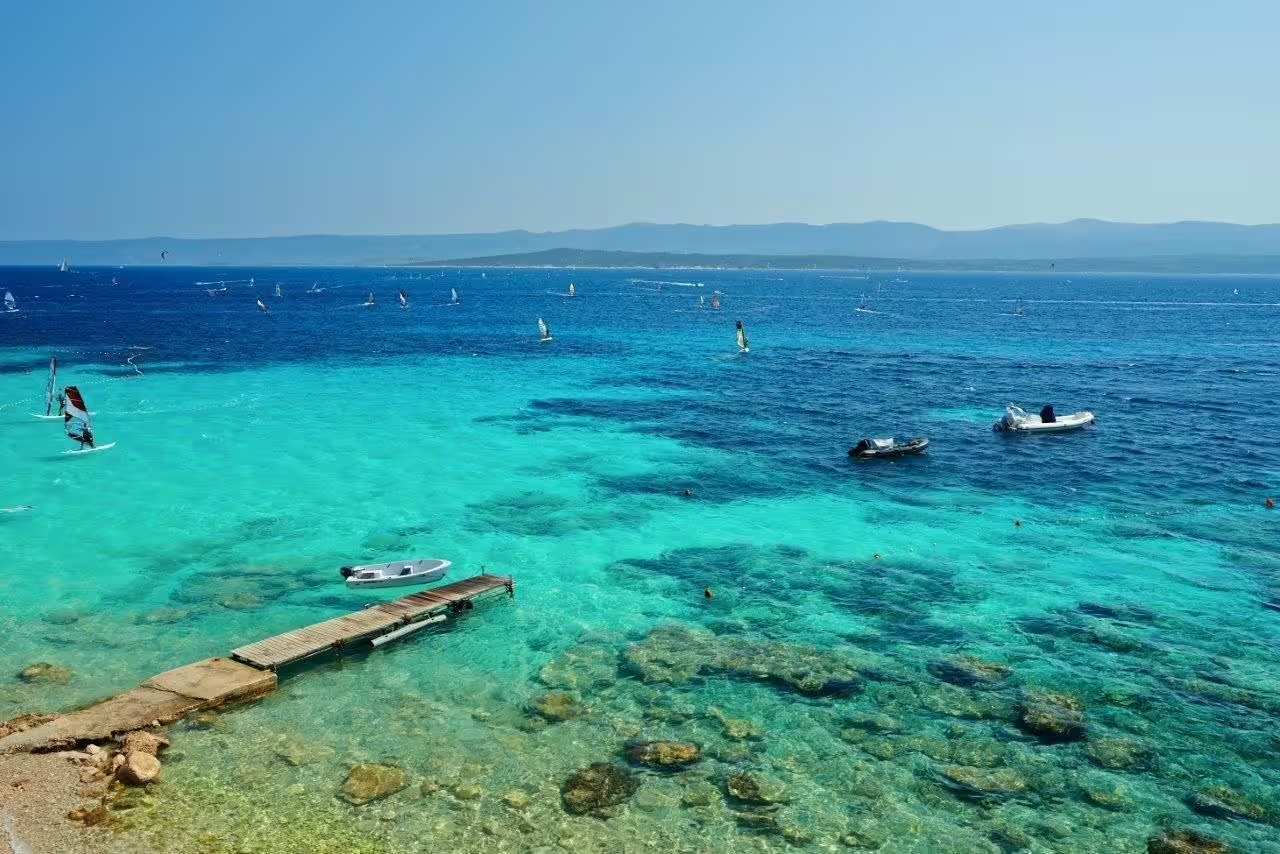
The Kvarner islands deliver classic Adriatic scenery, stone villages, coves, and a slower pace that contrasts nicely with Rijeka. Island time is about simple pleasures, swimming breaks, short scenic drives, and long lunches. Practical tip, check ferry routes in advance and plan one island per day if you want breathing room.
Krk Island Coastal Towns and Beaches
Krk Island is often chosen for its mix of accessible beaches, historic cores, and easy logistics once you arrive. It suits families and first-time visitors who want variety without complicated planning. Practical tip, aim for early beach time, then shift to town exploration later to avoid peak heat and parking pressure.
Cres and Lošinj Slow Travel Loop
Cres and Lošinj are ideal when you want quieter coves, pine-lined walks, and a more nature-forward island mood. The appeal is the unhurried rhythm, where the journey between small bays is part of the experience. Practical tip, pack water shoes and a light picnic so you can linger at less-serviced swimming spots.
Opatija Riviera Promenades
Opatija is known for elegant seaside architecture and a promenade culture that rewards slow walking and people watching. It feels refined and nostalgic, a place for café stops, coastal viewpoints, and a polished resort atmosphere. Practical tip, walk the waterfront in the late afternoon for softer light and a more relaxed pace.
Gorski Kotar Nature Reset
Gorski Kotar offers a cooler, forested counterpoint to the coast, with a sense of space that makes the region feel like two trips in one. It is well suited to travelers who enjoy scenic drives, woodland hikes, and quieter evenings. Practical tip, bring a light layer even in warm months because temperatures can drop noticeably inland.
Local Food Trail: Seafood to Mountain Comfort
This county is a natural place to eat across landscapes, Adriatic seafood on the coast, then heartier inland plates influenced by mountain life. The “why” is contrast, you taste how geography shapes cooking. Practical tip, ask for seasonal recommendations and choose a simple house specialty rather than an overly broad tourist menu.
Sunset Viewpoints on the Coast
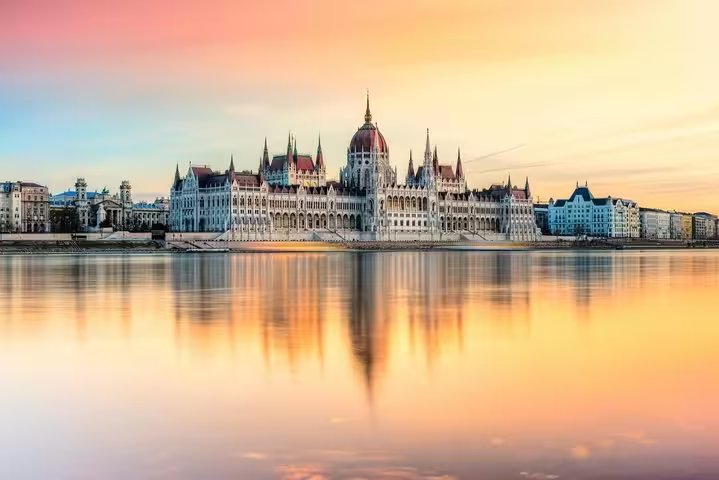
Coastal viewpoints and promenades shine at golden hour, when the Kvarner Gulf turns reflective and the atmosphere becomes calmer. This is an easy, high-reward activity that fits any itinerary and costs nothing. Practical tip, arrive a little earlier than you think, then stay through the color change for the best photos.
Start in Rijeka for a morning walk through the center and a coffee stop, then head to the Opatija Riviera for a promenade stretch and a seaside lunch. In the afternoon, choose one nearby island target in the Kvarner Gulf based on ferry timing, or stay mainland for a coastal viewpoint and a relaxed swim. Finish back in Rijeka or Opatija for dinner, focusing on a local seafood dish and a simple dessert.
Day 1, base yourself in Rijeka to get oriented, enjoy the city’s port energy, and plan ferry connections without rushing. Day 2, dedicate the day to one island, such as Krk Island for easy logistics, or Cres and Lošinj for a quieter, greener feel with coves and pine shade. Day 3, shift inland to Gorski Kotar for a nature reset, then return to the coast for a final sunset walk and a farewell meal that highlights the sea-to-mountain contrast.
Grilled Adriatic Fish
Clean, simple, and built around freshness, usually finished with olive oil, herbs, and a squeeze of citrus. Ordering tip, ask what was caught locally that day and choose the simplest preparation.
Scampi and Shellfish (Kvarner Style)
Kvarner seafood is prized for its sweet, briny profile and works well in brodet-style stews or simply grilled. Ordering tip, if you see a house specialty featuring scampi, it is often a safer bet than mixed tourist platters.
Black Risotto
Rich and savory with a deep sea flavor, typically colored with cuttlefish ink and balanced by garlic and olive oil. Ordering tip, pair it with a crisp local white wine and plan a lighter second course.
Šurlice Pasta
A regional pasta often associated with island cooking, hearty enough for meat sauces yet great with seafood too. Ordering tip, ask whether the pasta is house-made, the texture is the point.
Lamb Dishes (Island and Hinterland)
Often aromatic and satisfying, lamb reflects the pastoral side of the region and pairs naturally with potatoes and seasonal vegetables. Ordering tip, if you want a slower meal, choose lamb as a shared main and build the rest of the table around salads and simple starters.
Mountain-Style Comfort Plates from Gorski Kotar
Inland cooking tends to be fuller-bodied and warming, a good match after a forest walk or a cool evening. Ordering tip, ask for the most traditional option on the menu rather than an international dish.
Plan your movement in layers, city walking in Rijeka and coastal towns, road travel for flexibility between the coast and Gorski Kotar, and ferries for island days. Buses connect many hubs, but a car can make viewpoint stops and inland detours easier, especially if you want to combine sea and mountains in one day. For islands, build your schedule around ferry departures and keep buffer time, especially in peak season when lines and traffic can slow you down. For safety and comfort, wear grippy shoes on polished stone streets and bring sun protection for promenade walks, then add a light layer for the cooler inland air.
Opatija
A classic coastal day with promenades, elegant architecture, and a relaxed café culture. Travel time is short from Rijeka, making it an easy add-on when you want a low-effort scenic day.
Krk Island
A strong choice for a full beach-and-town day, with enough variety to mix swimming and sightseeing. Plan around your preferred pace, one main town plus one beach area is usually plenty.
Cres
Best for travelers seeking quieter landscapes and a slower island rhythm. Give yourself time for scenic stops and coves rather than trying to cover the whole island quickly.
Lošinj
A pine-scented, walk-friendly island feel that suits couples and nature lovers. It is ideal when you want coastal paths and a calmer, wellness-leaning atmosphere.
Gorski Kotar
A refreshing inland escape for forest scenery and cooler temperatures. It works well as a contrast day if your trip is mostly coastal.
Is Primorje-Gorski Kotar County better for beaches or mountains?
It is one of the few regions where you can realistically do both in a short trip. Plan coastal days for swimming and promenades, then add at least one inland day for the cooler forests of Gorski Kotar.
What is the best base for getting around?
Rijeka is a practical hub because it connects well to nearby coastal towns and island ferry routes. If you prefer a resort atmosphere, Opatija can work well for a slower, promenade-focused stay.
How many days do I need in Primorje-Gorski Kotar County?
One day covers a quick mix of Rijeka plus a coastal stop, but it will feel fast. Two to three days lets you add an island day and a Gorski Kotar nature reset without rushing.
Do I need a car to visit the islands?
You can do island visits without a car if you stay near ferry points and focus on one main town area. A car makes it easier to reach quieter coves and viewpoints, but you should still plan around ferry schedules.
When is the least crowded time to visit Primorje-Gorski Kotar County?
Shoulder seasons are generally calmer than the peak summer months, while still being good for walking and sightseeing. If your priority is fewer crowds, plan outdoor activities for earlier in the day and avoid the busiest waterfront strips at peak hours.