


Culinary Tours in Porto
Porto, Portugal
31 experiences

Last updated:


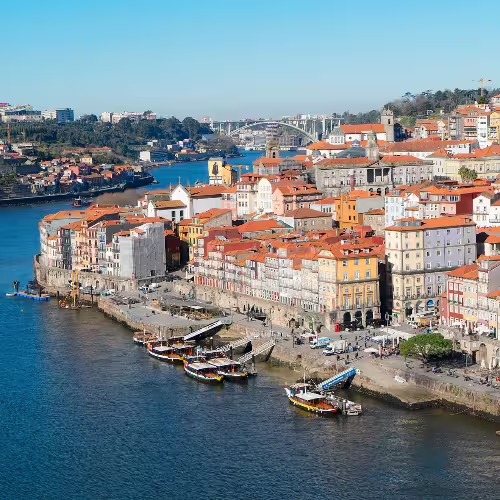
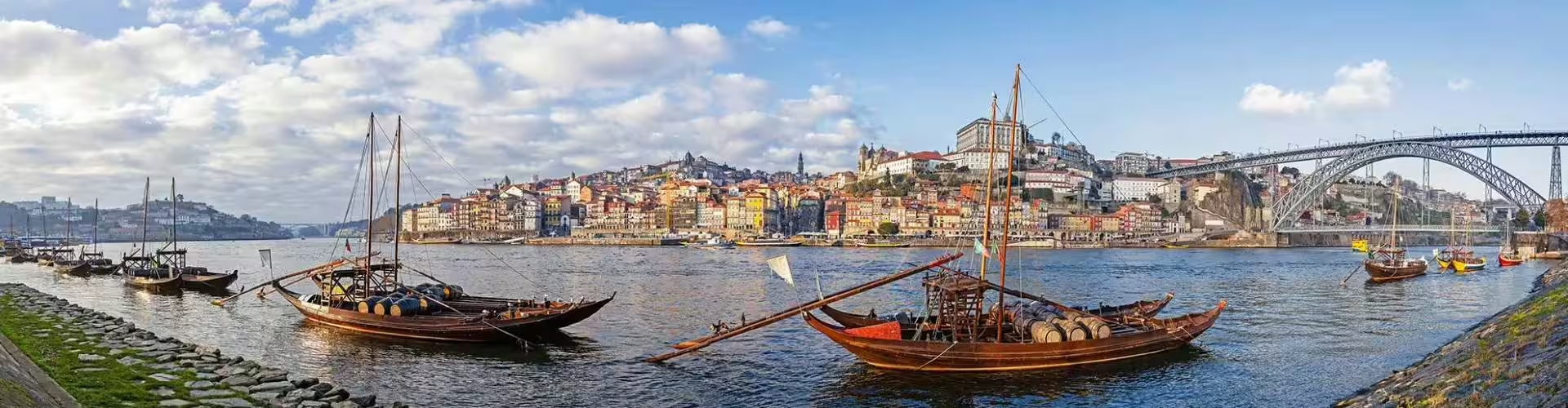
Porto suits a trip built around the historic centre, the Douro and Port wine. Ribeira brings the river into the World Heritage area, while the wine lodges in Vila Nova de Gaia offer guided visits and Port tastings.
A historic-centre visit followed by a Port tasting gives you a varied introduction to Porto. At São Bento, Jorge Colaço’s painted tiles tell stories of transport and Portuguese history across the station hall. A guided visit to the Palácio da Bolsa adds the Arab Room to that history-focused plan.
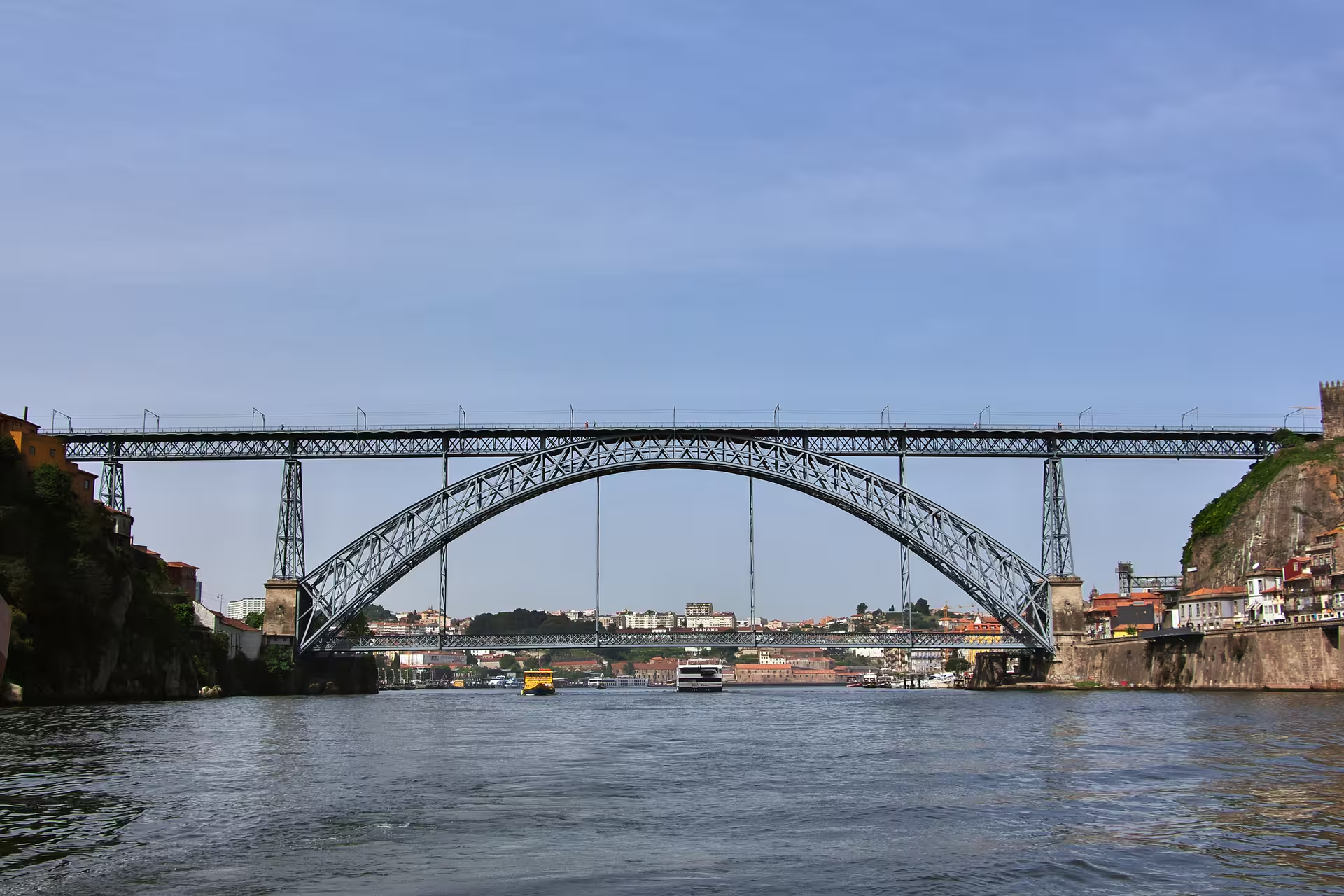
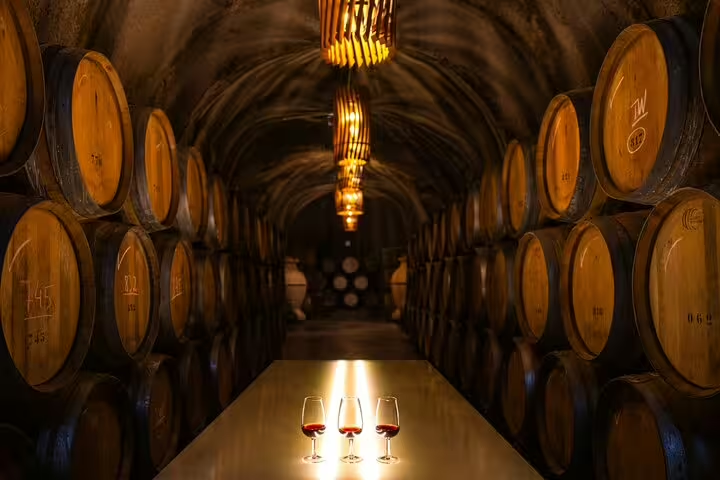
Clérigos is the climbing option: its tower rises 75 metres, with 225 steps to the top. For wine instead, Vila Nova de Gaia’s lodges offer guided visits and tastings in historic cellars where Port has been aged for centuries. The double-deck metal arch of the Dom Luís I Bridge links Porto and Vila Nova de Gaia across the Douro.
Two days make a workable plan for the historic centre and the wine lodges, with another day for an excursion. Day one can bring together São Bento, Clérigos and a guided visit to the Palácio da Bolsa. Day two can focus on Ribeira, the Dom Luís I Bridge and a tasting in Vila Nova de Gaia.
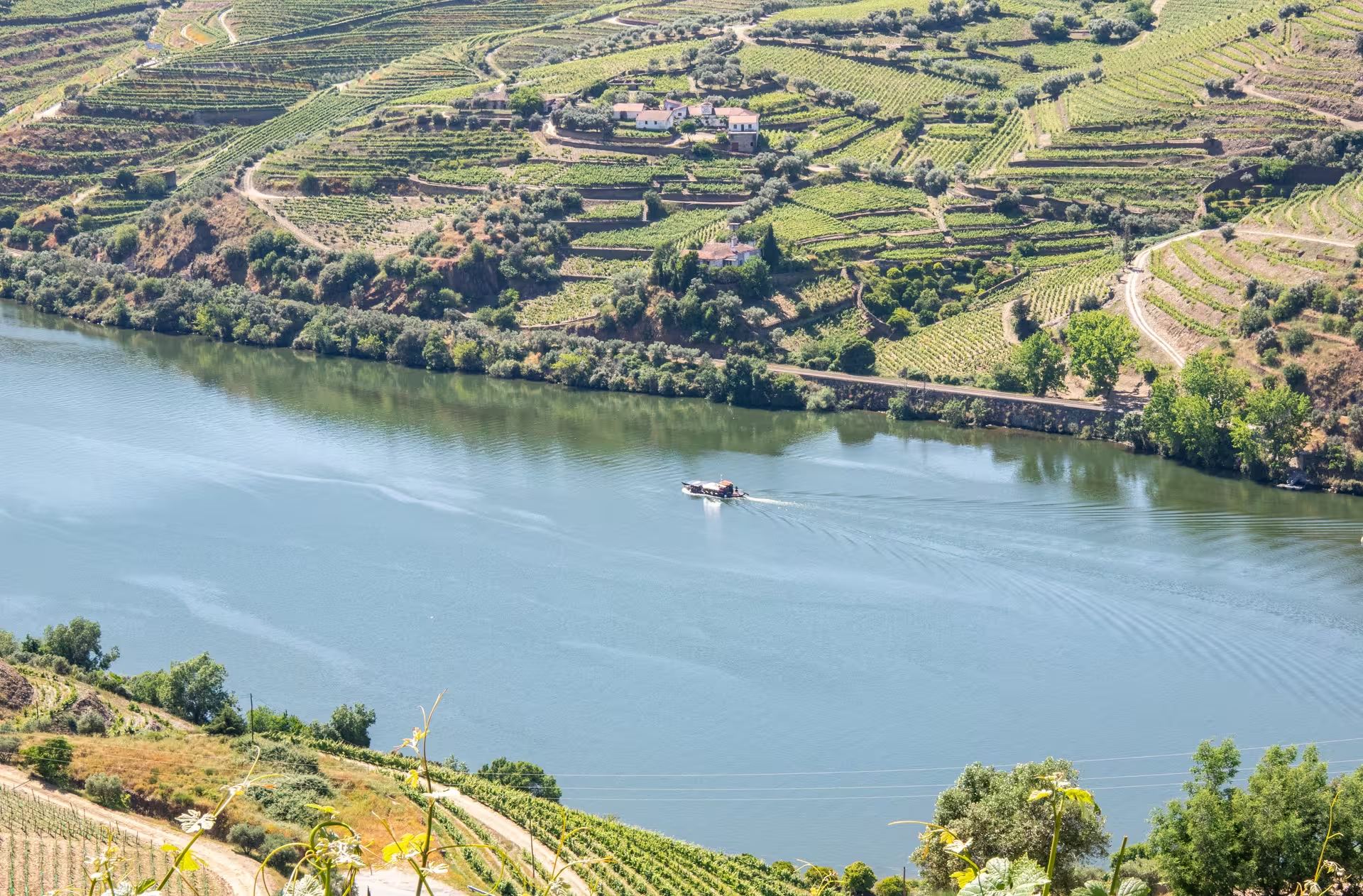
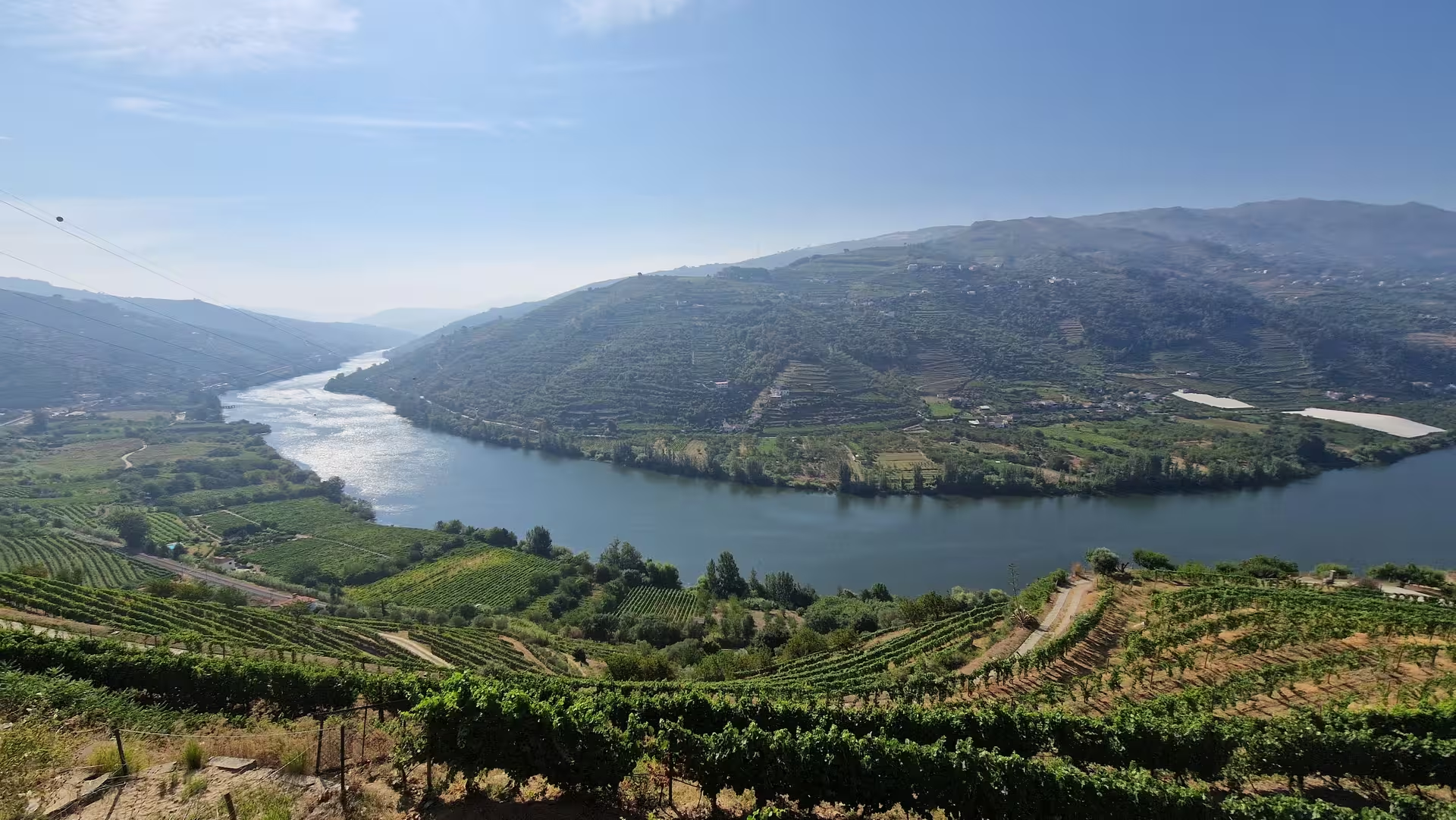
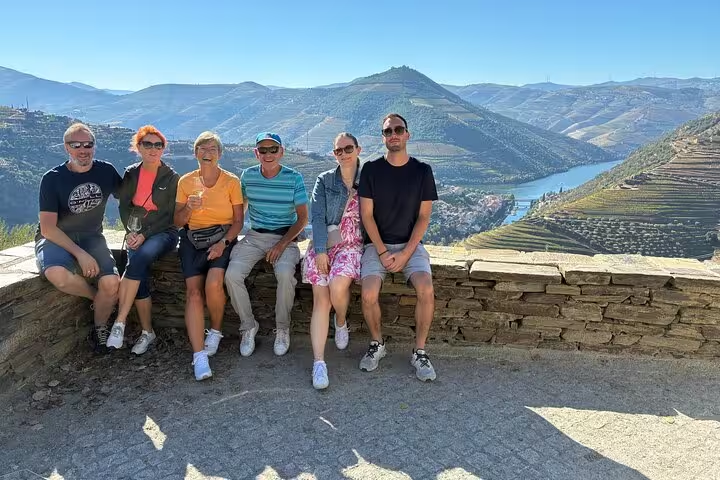
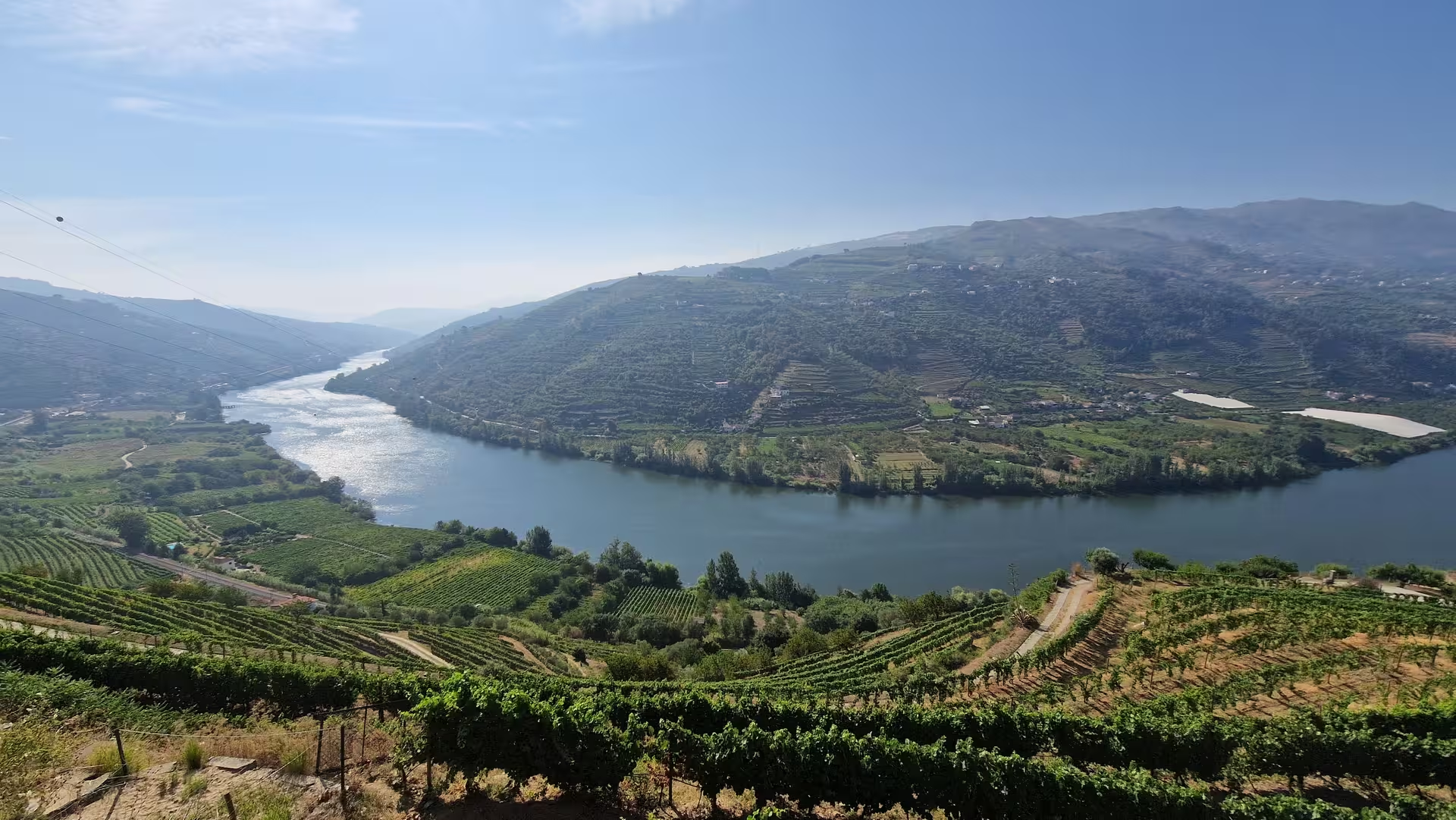
A private Porto tour with a local expert guide lasts four hours and includes a private guide and a drive through the city with several stops. A Douro Valley boat tour with wine tasting at two wineries takes nine hours, including a guide, an air-conditioned vehicle, a regional lunch, the tastings and a one-hour Douro River cruise.
May and September are reasonable walking-trip options if you prefer moderate daytime warmth. Based on 1991-2020 averages at Porto/Pedras Rubras, the average daily high is 20.3 °C in May and 23.5 °C in September, a guide to typical conditions rather than a guarantee.
August suits a warmer-weather preference: the 1991-2020 average daily high at that station was 24.8 °C, compared with 14.0 °C in January. Winter brings much of Porto’s rain, so a winter plan can lean on São Bento’s tiled hall and guided lodge visits rather than depend on outdoor walking.
The metro is an option for arriving from the airport and moving around the city. Line E connects the airport with central Porto, serving Francisco Sá Carneiro Airport at Aeroporto station. The wider network covers 70 km and has 85 stations. For Guimarães, a railway line connects the city with Porto, making a rail-based excursion an option too.
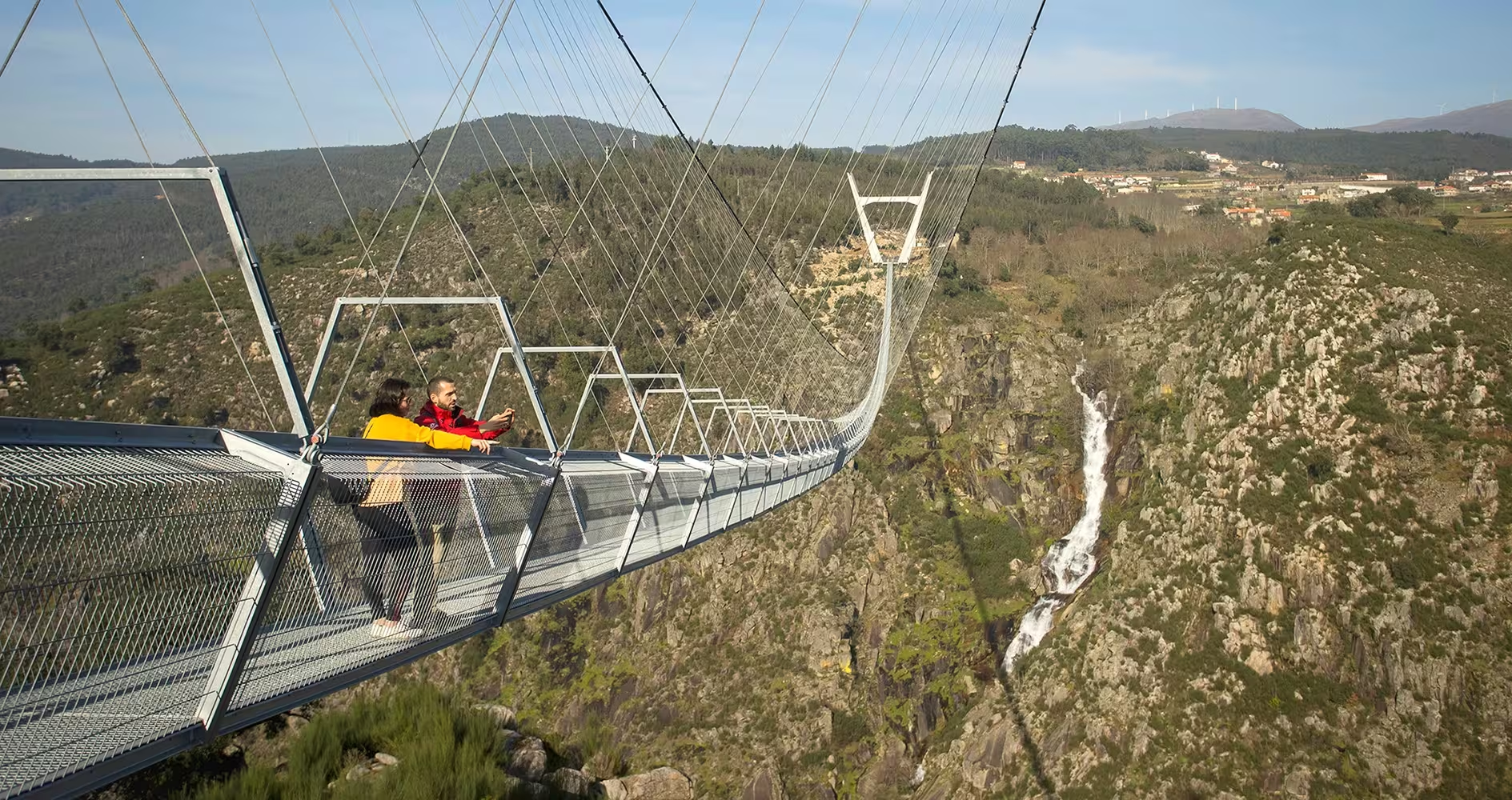
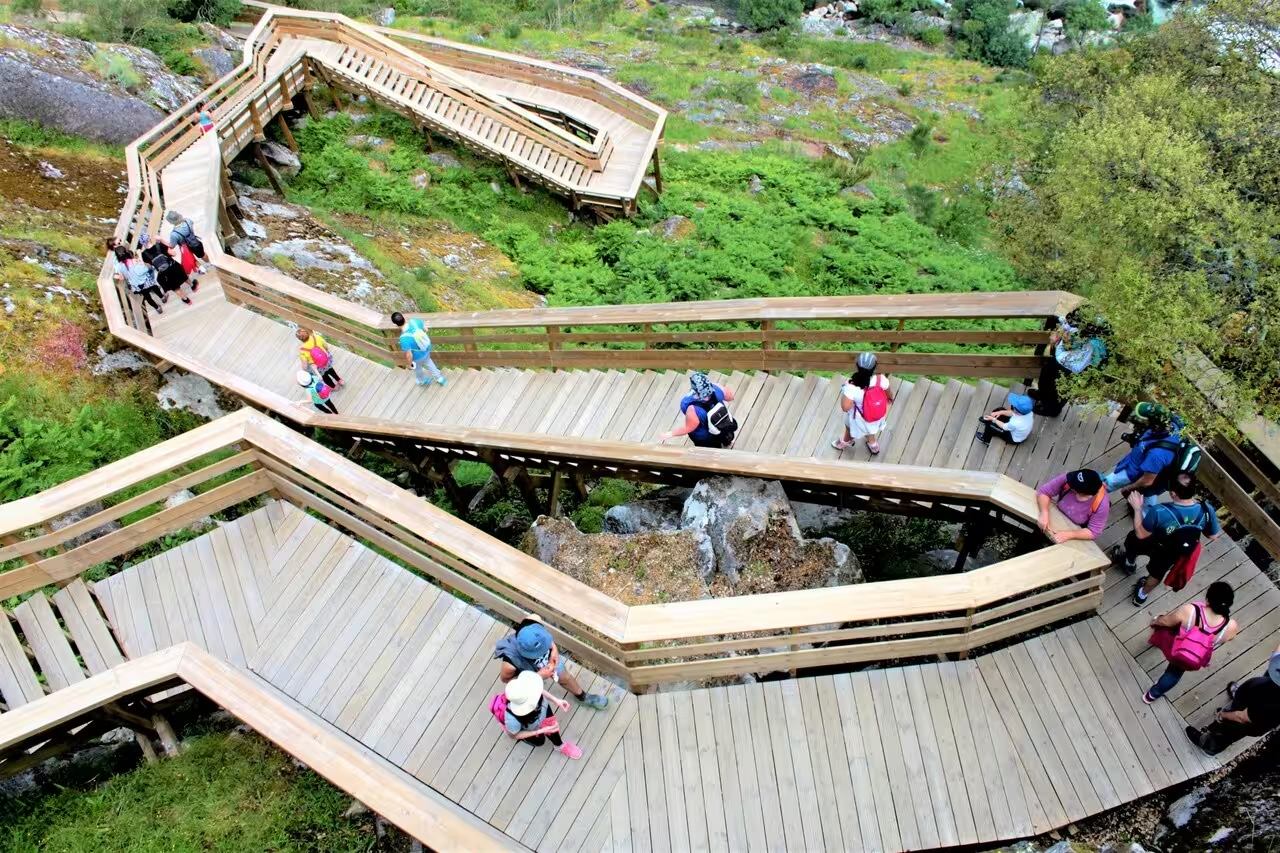
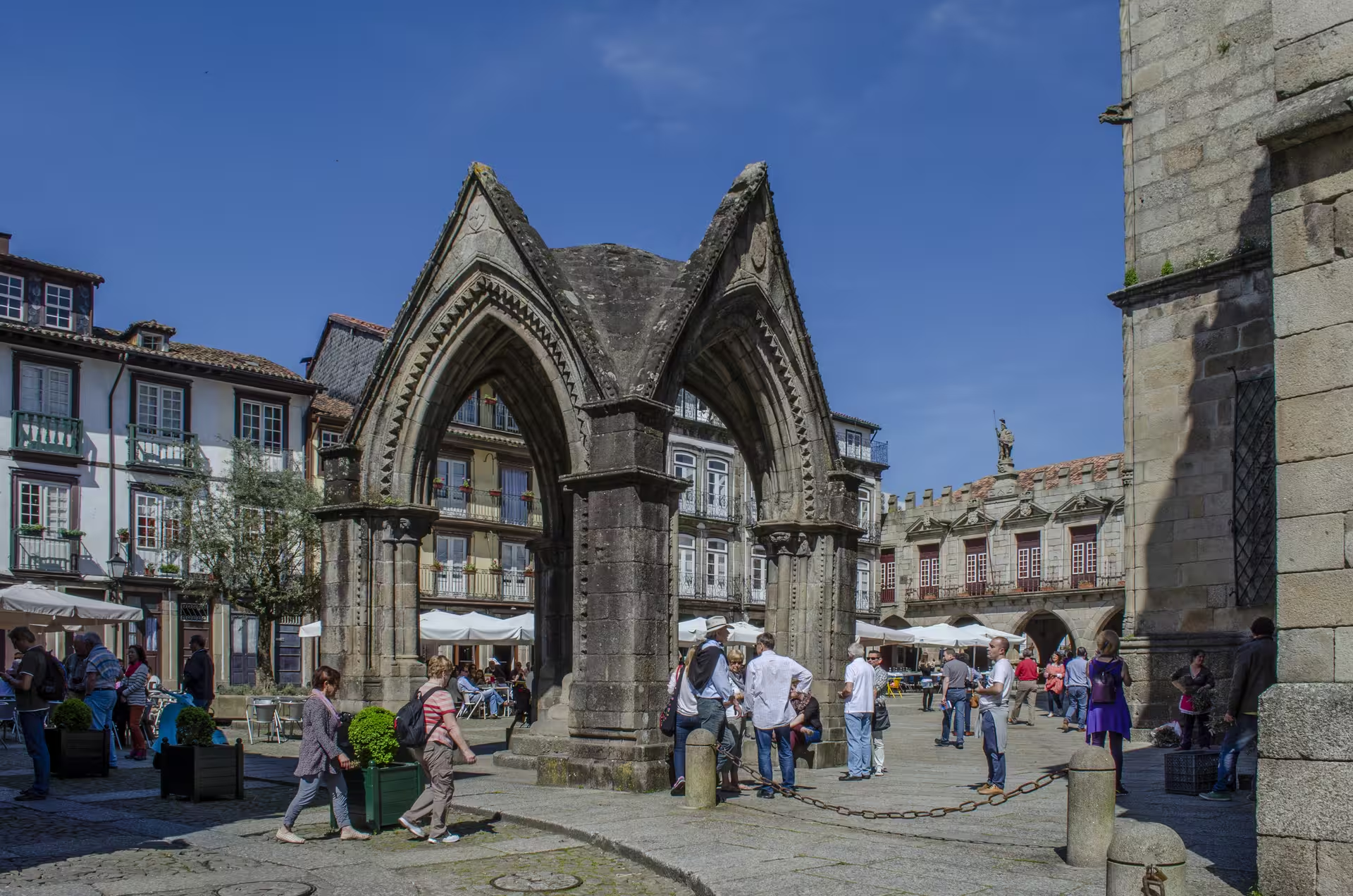
Guimarães suits a heritage-focused day, while Braga offers a sanctuary visit. Guimarães’ historic centre gained World Heritage status in 2001; near Braga, Bom Jesus do Monte joined the list in 2019. For a walking excursion, a Paiva Walkways day trip from Porto to Arouca Geopark lasts seven hours and includes air-conditioned transport.
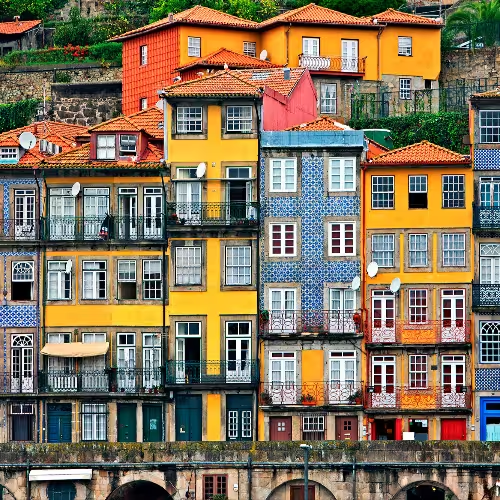
The historic centre suits a stay focused on heritage, with Ribeira worth looking at if the riverside matters to you. Clérigos stands within the historic centre, and Ribeira forms part of the World Heritage area beside the Douro.
How many days should I spend in Porto?
Two days allow the suggested split: São Bento, Clérigos and Palácio da Bolsa, then Ribeira, the bridge and Gaia’s wine lodges.
When should I visit Porto for walking?
May and September suit a preference for moderate warmth, based on long-term averages; winter brings much of the rain.
How can I get around Porto?
The metro serves the city, with line E linking the airport and central Porto.
What day trips can I take from Porto?
Guimarães offers a World Heritage historic centre and a rail connection; Braga offers Bom Jesus do Monte nearby.
Where should I stay for history and the river?
The historic centre suits heritage visits, with Ribeira an option for a riverside focus.