Eastern Region of Iceland: tours and travel choices
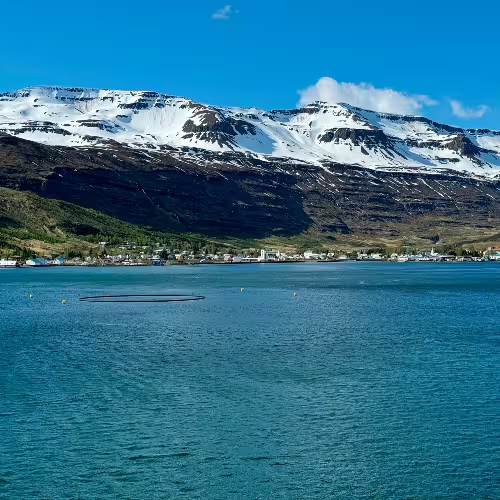
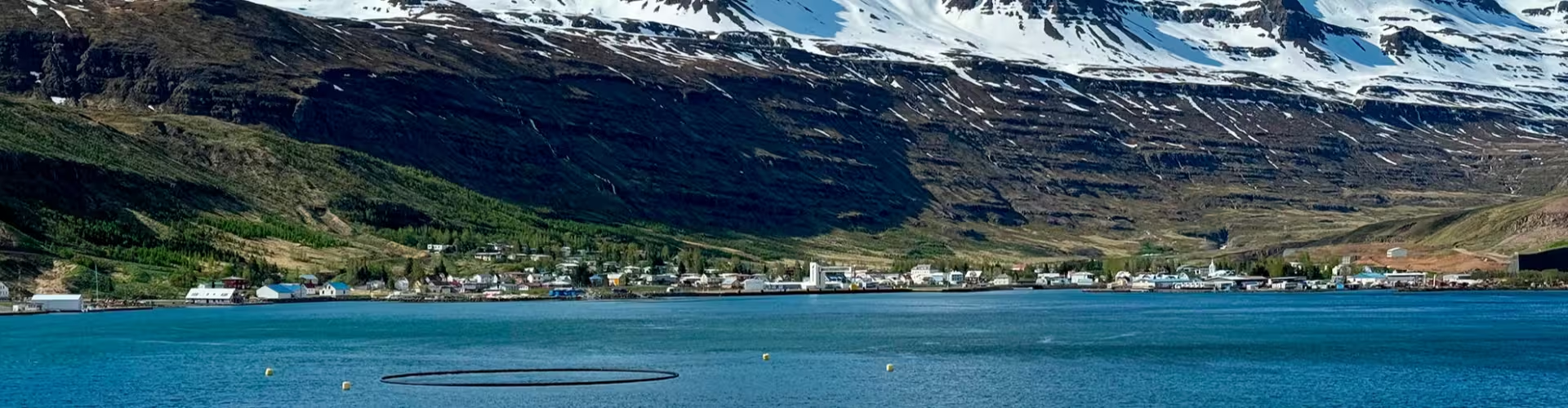
East Iceland suits a trip built around fjord villages, waterfalls and mountains. The Eastfjords name refers to its deeply indented fjord coastline, so village visits and landscape stops belong together here.
Which East Iceland tours fit your plans?
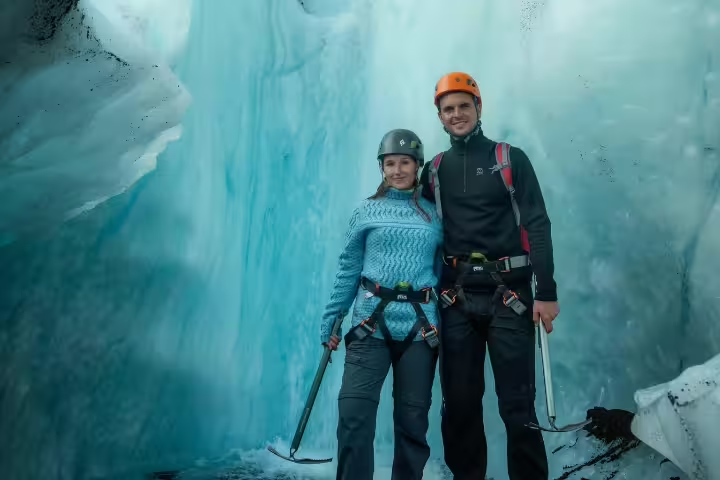
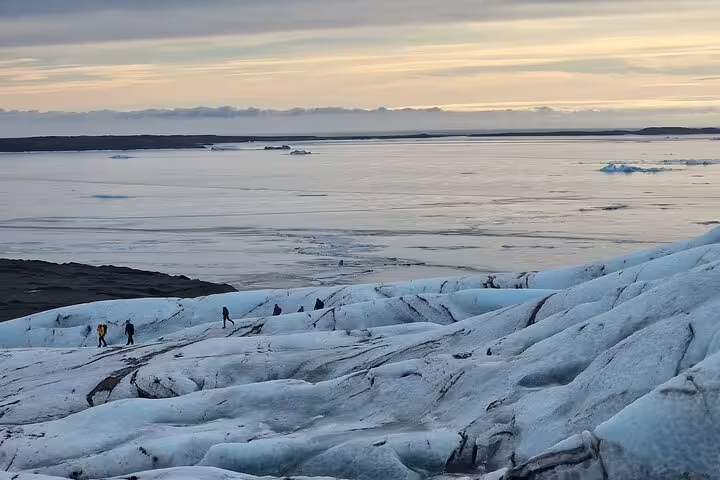
The private ice climbing experience in Skaftafell with a photo guide takes 5 hours and includes a certified private glacier guide, crampons, ice axes, harnesses, helmets and climbing instruction for all levels. Five professionally edited photographs per person are delivered digitally.
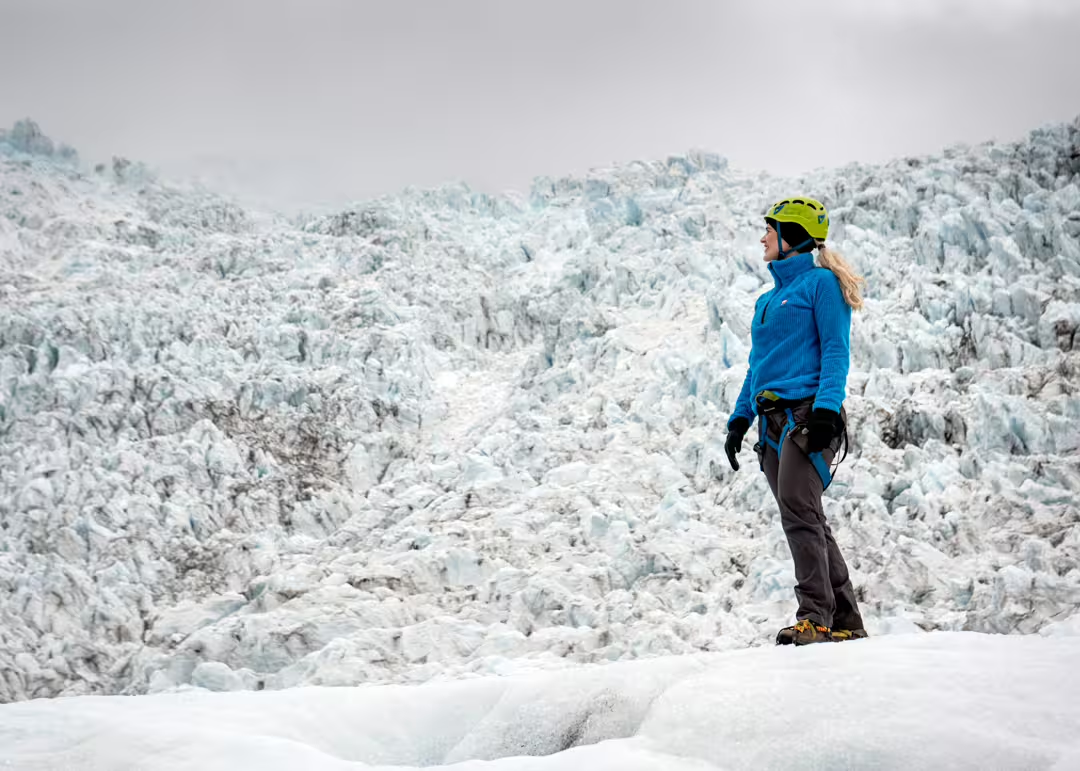
The private glacier hike on Falljokull with professional photos takes 3 hours, with a certified private glacier guide throughout, crampons, a helmet, safety equipment and a professional photography session. Five professionally edited photos are delivered digitally through Google Drive.
The Laki craters helicopter tour from Skaftafell takes 1 hour and 15 minutes, including pilot commentary, a highland landing near the Laki crater system and aerial views of Vatnajokull outlet glaciers.
Which things to do in East Iceland suit a nature trip?
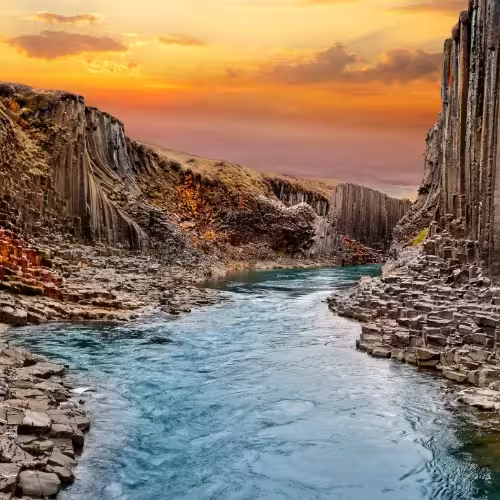
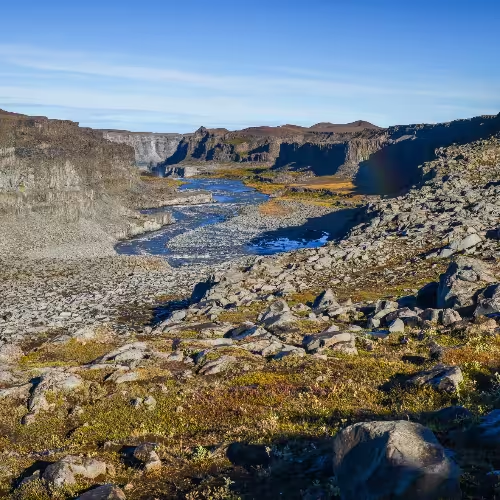
Stuðlagil and Hengifoss make a nature-focused pairing if you want contrasting rock formations and a waterfall. In the Jökuldalur valley, Stuðlagil has canyon walls formed from basalt columns. Hengifoss, in Fljótsdalshreppur, drops 128 metres amid basalt bands separated by thin seams of red clay.
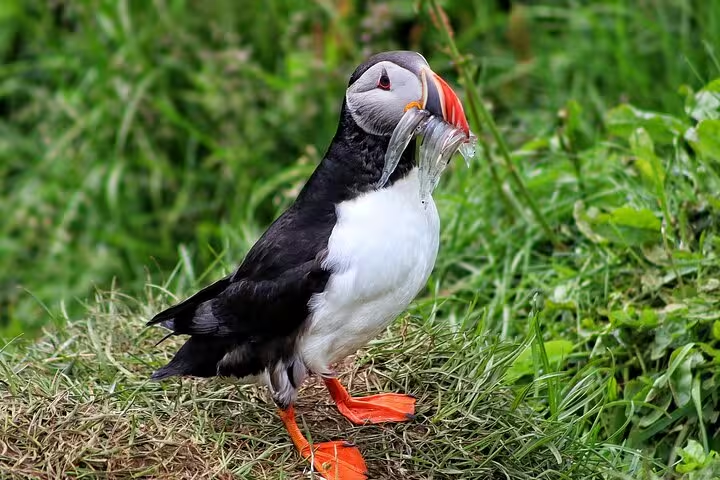
Borgarfjörður eystri suits a walking-focused visit: hiking draws visitors to this fjord, which also has a large puffin colony. For a different geological interest, the Helgustaðir mine is associated with Iceland spar.
Which villages suit an Eastfjords travel itinerary?
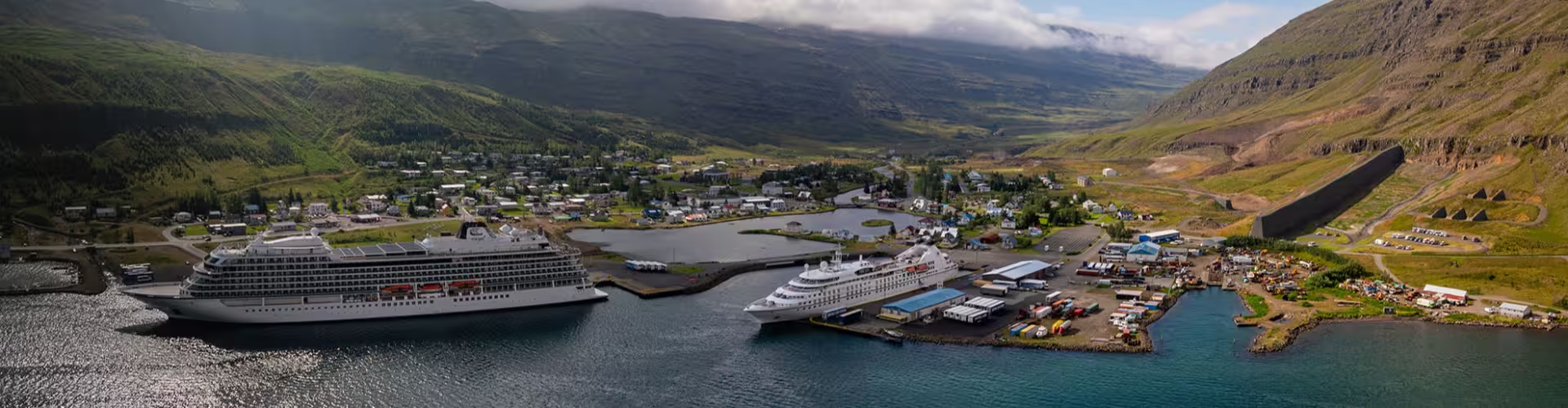
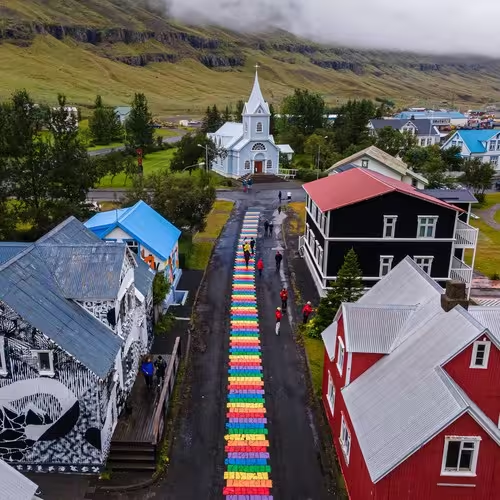
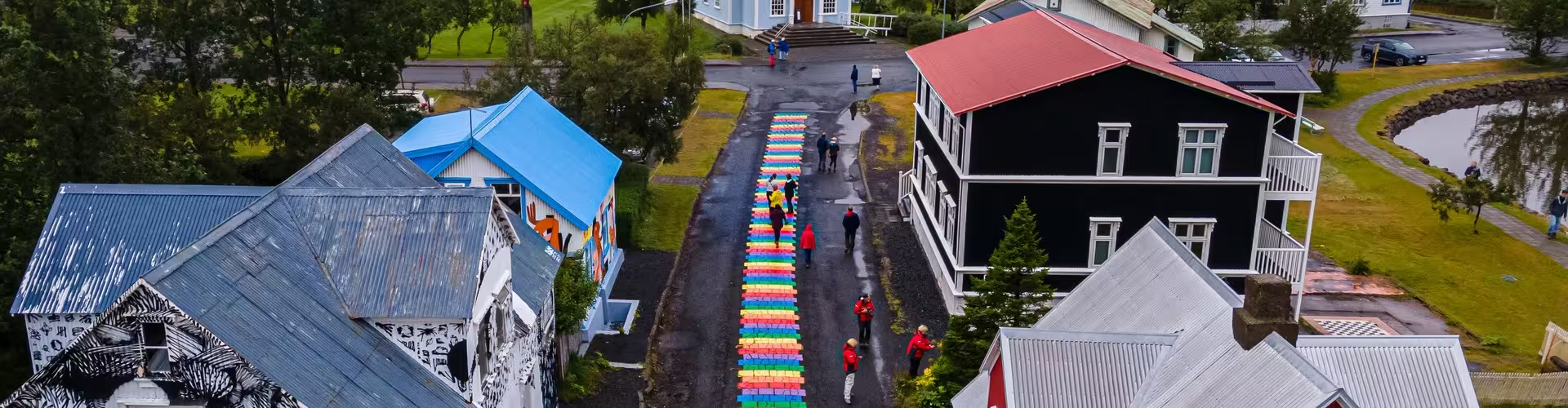
Seyðisfjörður suits an art-focused stop, while Eskifjörður and Fáskrúðsfjörður give a coastal itinerary a maritime theme. Colourful cottages and artist studios fill Seyðisfjörður, where Skaftfell Center focuses on visual art. Dieter Roth also had a residence and art studio there.
In Eskifjörður, the Maritime Museum of East Iceland occupies a former trading building dating from 1816. Fáskrúðsfjörður has street signs in French and Icelandic, plus a French cemetery holding 49 graves of fishermen from France and Belgium. Djúpivogur adds trading history to a village itinerary: its trading licence dates to 1589.
How many days should you spend in East Iceland?
Three days would let you give separate attention to nature, art and maritime heritage. A suggested first day pairs Stuðlagil with Hengifoss; the second focuses on Seyðisfjörður and its art studios; the third links the maritime themes of Eskifjörður and Fáskrúðsfjörður. For a walking-focused alternative, swap a village day for Borgarfjörður eystri.
Where should you stay and how can you get around?
Egilsstaðir is a logical base for a road-focused trip because the main regional roads converge near its bridge over Lagarfljót. Seyðisfjörður suits a stay centred on art and a fjord setting, with studios in a village at the head of its namesake fjord.
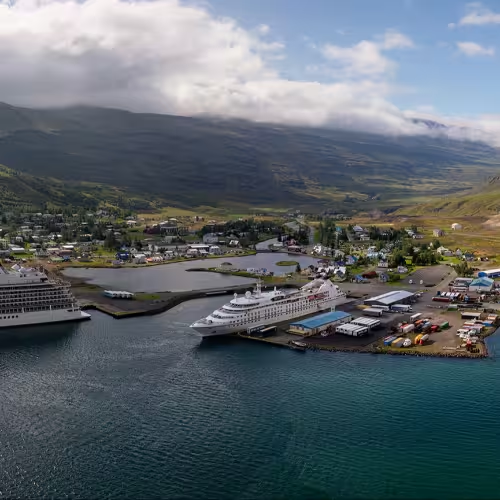
The Öxi mountain road (Route 939), a gravel shortcut usually open only in summer, links the Egilsstaðir area with Berufjörður near Djúpivogur, while the Ring Road passes directly through Stöðvarfjörður. For arrival by sea, MS Norröna links Seyðisfjörður with Hirtshals in Denmark via Tórshavn in the Faroe Islands.
When should you visit East Iceland?
Around October to April suits a trip focused on seeing wild reindeer, following the recommended winter-to-spring viewing period. For summer warmth, Egilsstaðir is worth keeping in mind: its summer temperatures often rank high within Iceland.
Frequently asked questions
Can I take my own car to Iceland by ferry from Denmark?
You can bring your own car from Denmark to Iceland aboard the Norröna.
How deep is Lagarfljót?
Lagarfljót reaches a depth of 112 metres at its deepest point.
How long is the fjord at Reyðarfjörður?
The fjord at Reyðarfjörður extends for more than 30 kilometres.