



Walking Tours in Paris
Paris, France
278 experiences

Last updated:


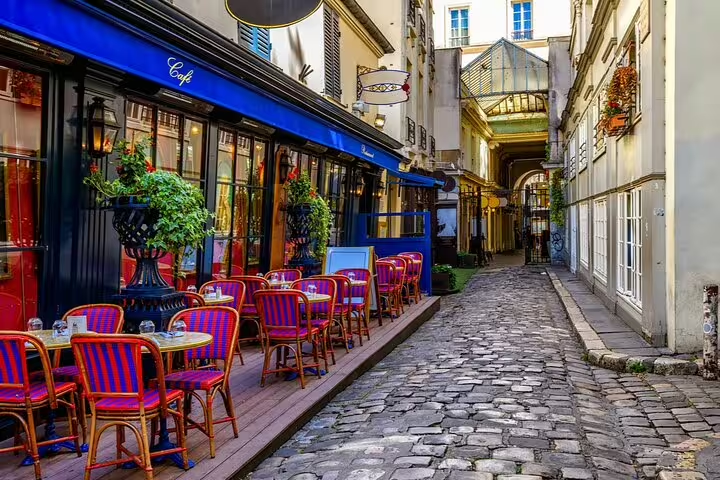
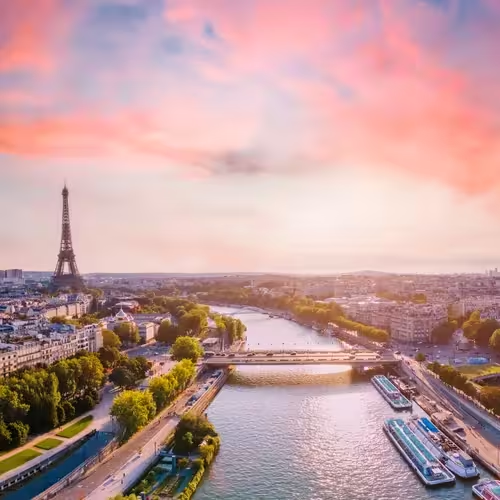
Art, riverside walks and Montmartre can each have their own day in Paris, leaving you time to follow your interests. This city in northern France follows a northward bend in the Seine, so the river offers a thread for an itinerary that also takes in museums and gardens.
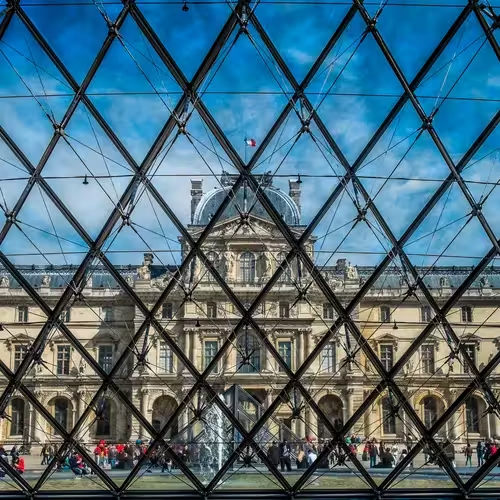
Your choice of art can shape the day: the Louvre for Leonardo da Vinci's Mona Lisa, the Musée de l’Orangerie for Claude Monet's Water Lilies, or the Musée Rodin for sculpture in a garden. At the Musée Rodin, the Hôtel Biron is part of the experience: Rodin selected this mansion for his museum, so it is worth thinking about the setting as well as the sculpture.
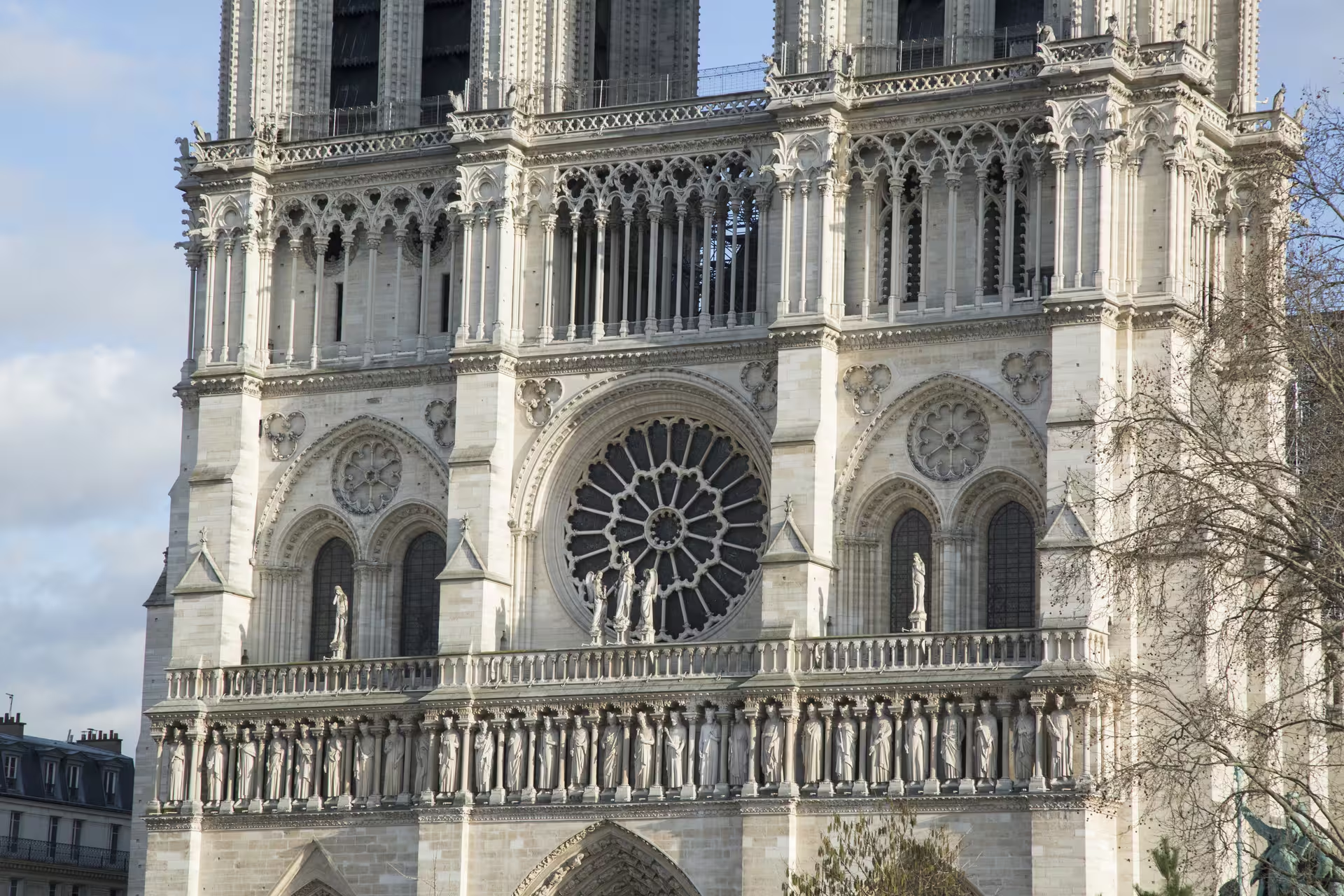
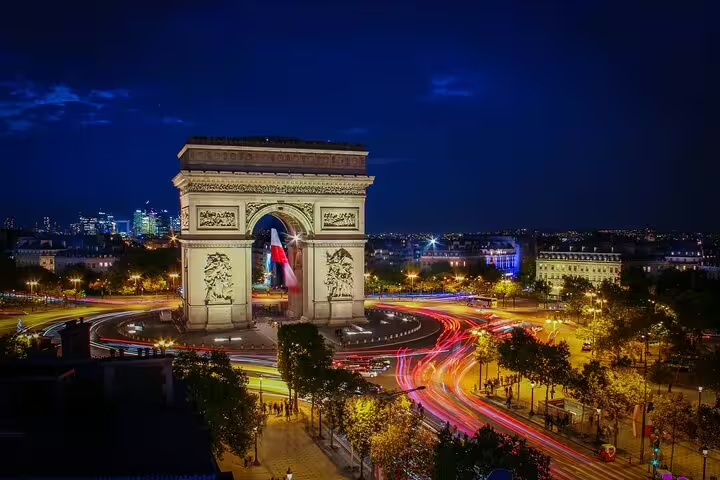
Architecture can guide your choices too: Notre-Dame de Paris has Gothic forms, rose windows and gargoyles, while Sainte-Chapelle brings Rayonnant Gothic architecture to the Île de la Cité. A painting interest can also lead you to the Palais Garnier auditorium, where Marc Chagall painted the ceiling. For a visit centred on remembrance, the Tomb of the Unknown Soldier lies at the base of the Arc de Triomphe.
If you want to leave your bags behind while you focus on art, luggage storage near the Louvre Museum offers storage for the day.
Allow three days for a plan that separates museum art, the river and Montmartre, rather than trying to fit those interests into the same day. The first day can centre on the Louvre or the Musée de l’Orangerie, depending on whether the Mona Lisa or Monet's Water Lilies draws you there.
Day two can bring together the pedestrianised Seine banks and the Jardin des Plantes, which stands beside the river on the left bank.
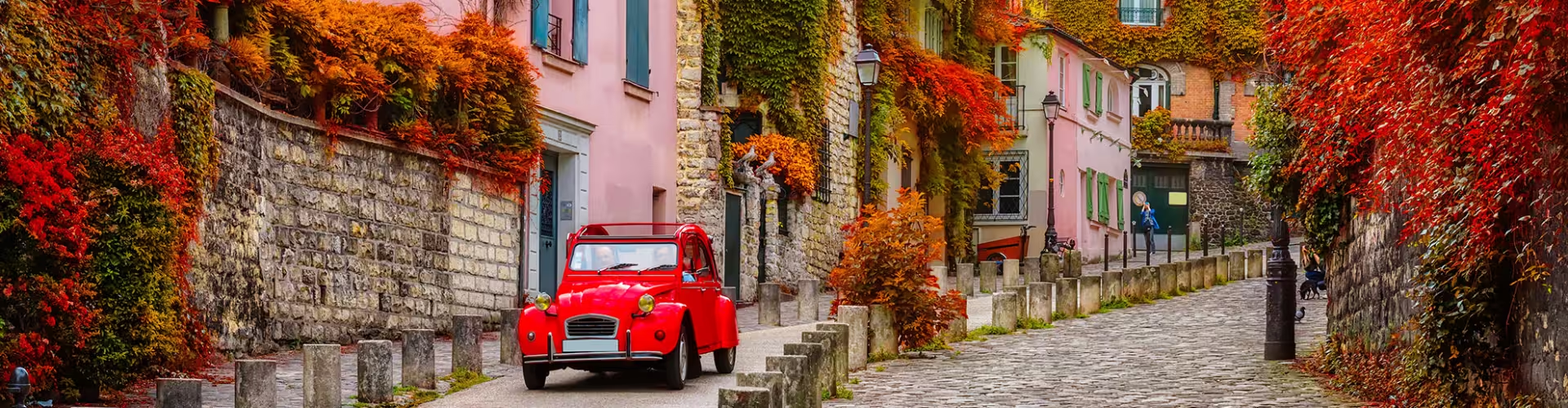
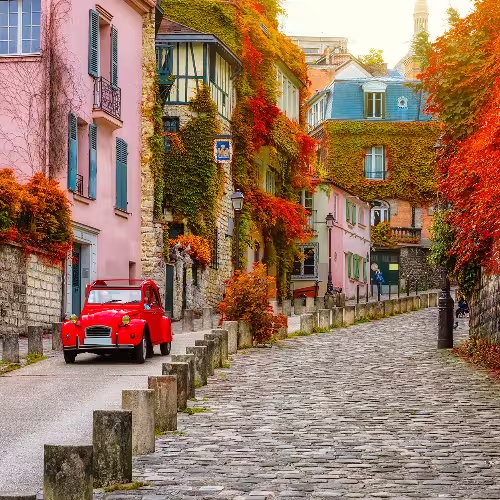
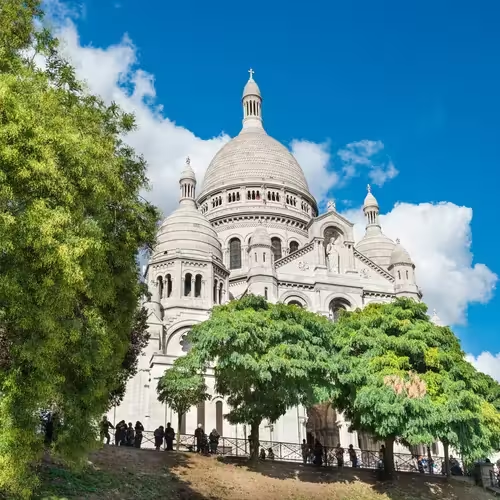
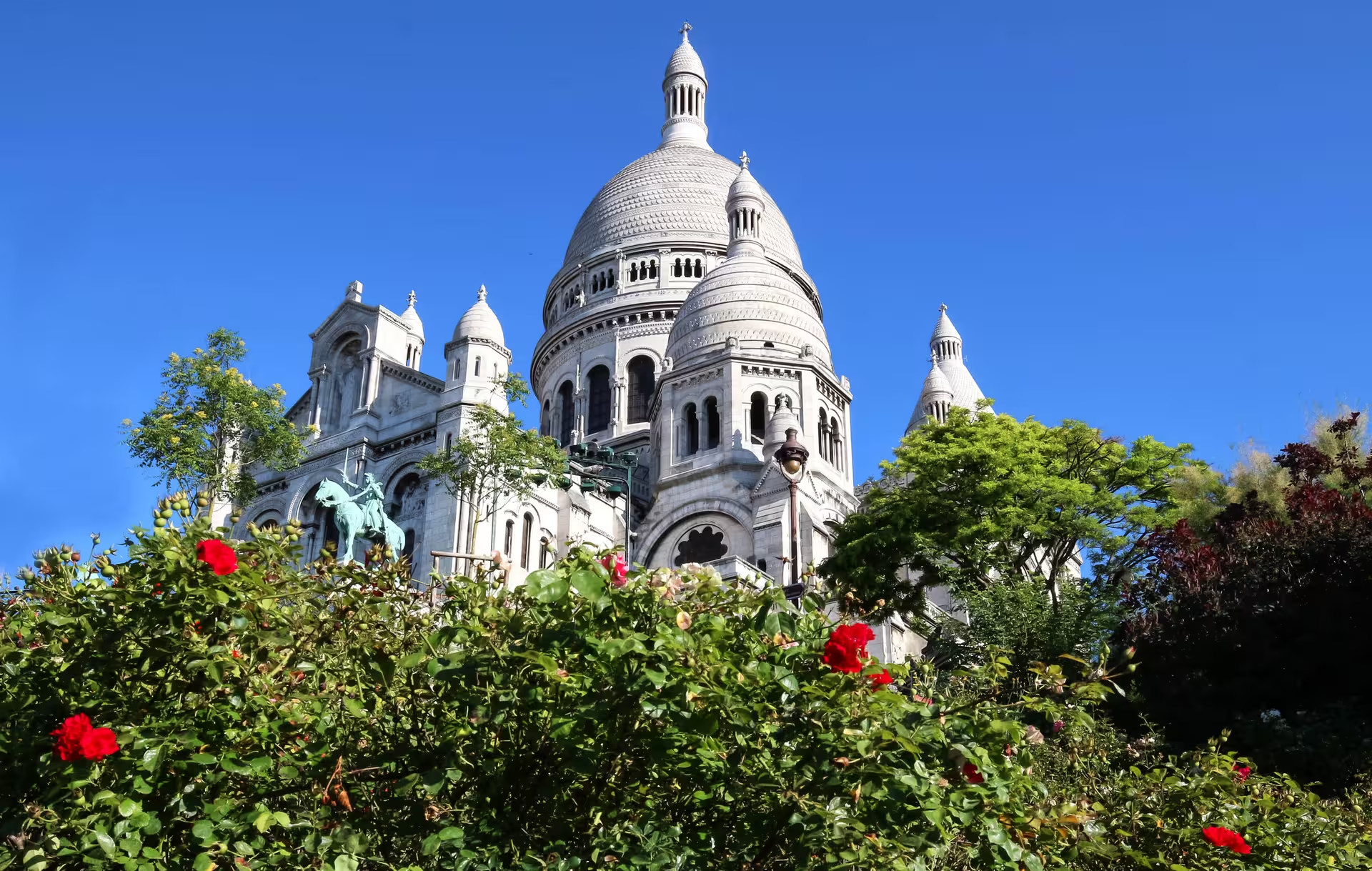
On the third day, Montmartre offers an art connection beyond museum collections: Picasso and Modigliani once lived at the Bateau-Lavoir.
If a story-led walk appeals between art visits, the self-guided Edith Piaf story walk in Paris brings puzzle stops with historical content into the walk.
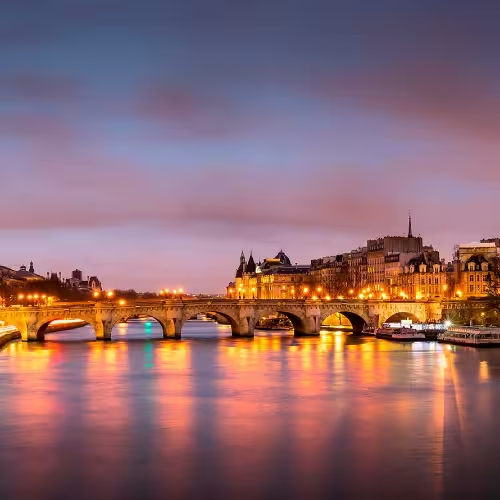
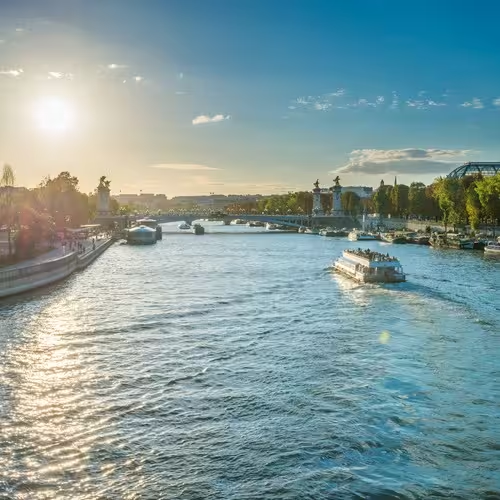
The Parc des Rives de Seine is a place to plan a riverside walk because it has pedestrianised stretches on both banks. The right-bank pedestrianised stretches extend 4.5 km, compared with 2.5 km on the left, so the right bank offers more ground for a walking-focused outing.
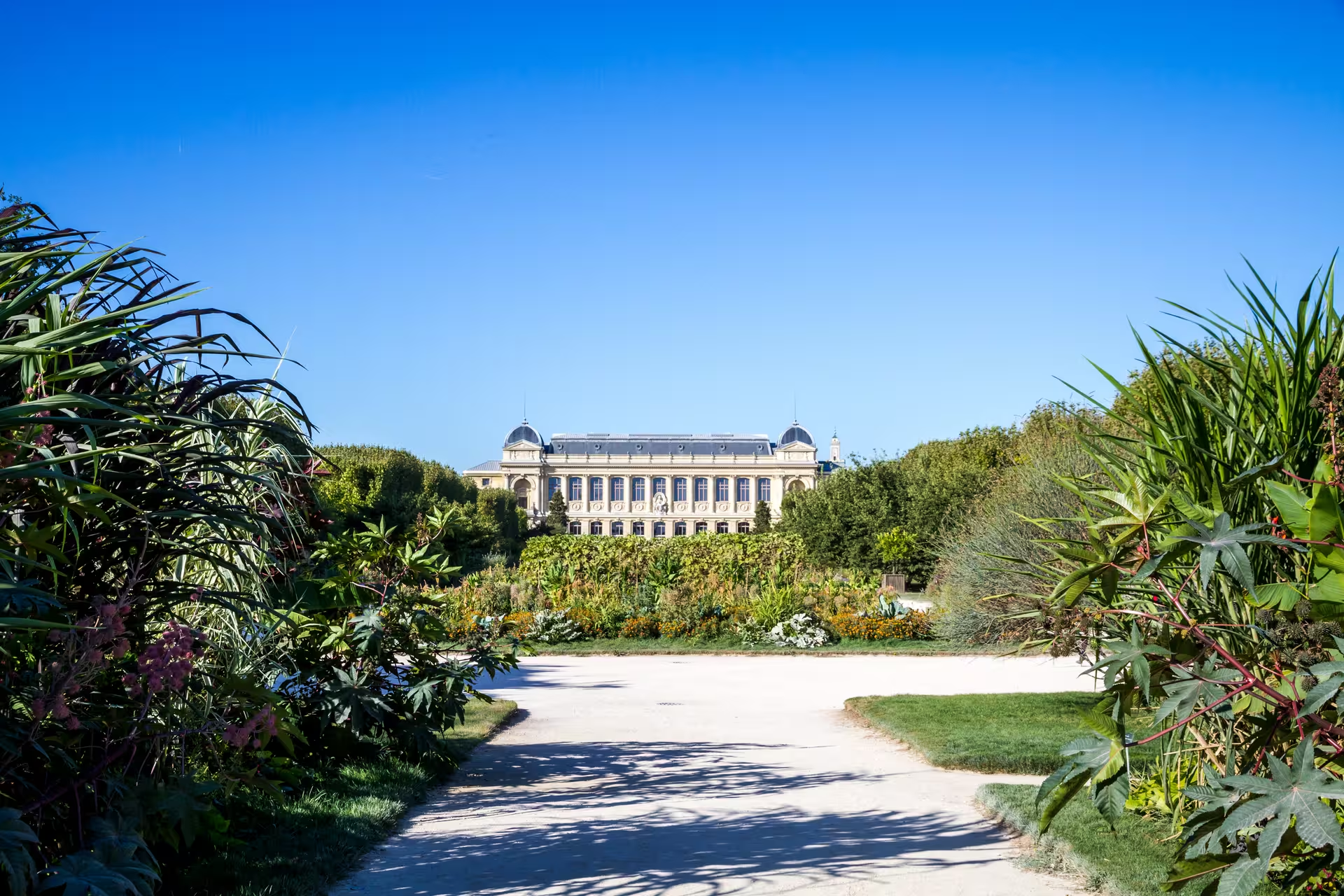
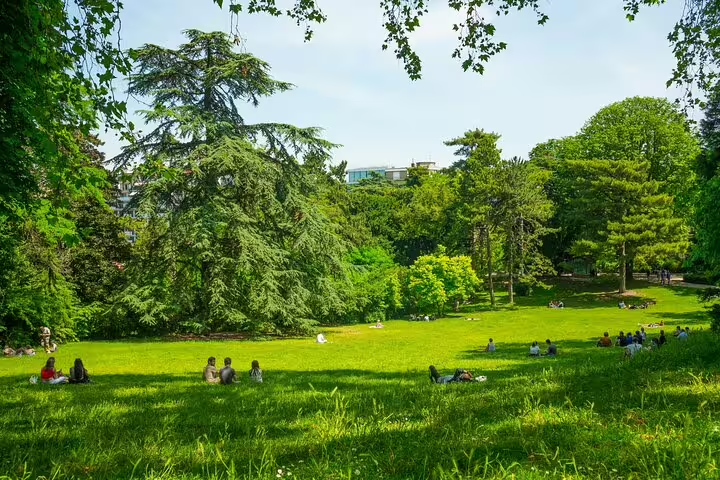
The Seine banks also carry UNESCO World Heritage status, making the river a cultural focus as well as a place for walking. The Jardin des Plantes can give that outing a garden focus, with areas devoted to roses, rock gardens and alpine plants. Plant enthusiasts can also put the Parc Floral de Paris on their list for its botanical garden.
If you prefer a mystery to structure your exploration, the self-guided Seine Death Case murder mystery in Paris provides a puzzle walk through the Questo app.
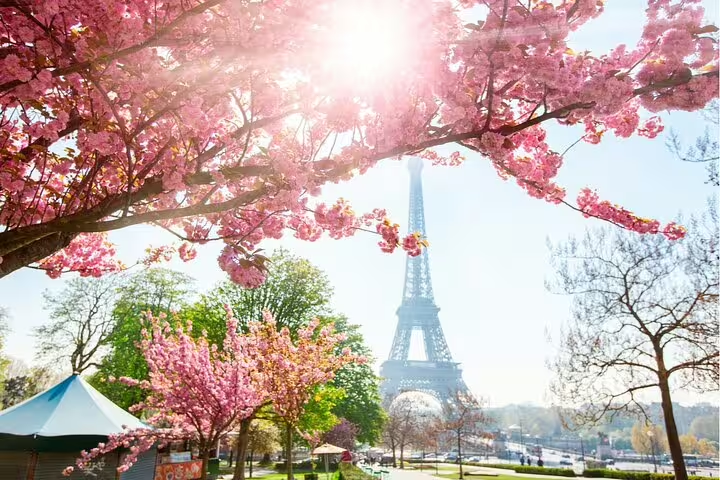
Yes, spring plans should leave room for warm weather: temperatures above 25 °C can arrive in April. A mix of museum visits and riverside walking leaves you a choice about how much of the day to spend outside.
Walking can anchor the riverside part of your visit, with rail links available for the airports. RER B connects Paris with Charles de Gaulle Airport, while Métro line 14 serves Orly Airport.
If you would rather follow commentary while walking, the self-guided Paris walk with a GPS audio guide and map includes an offline map that shows your location.
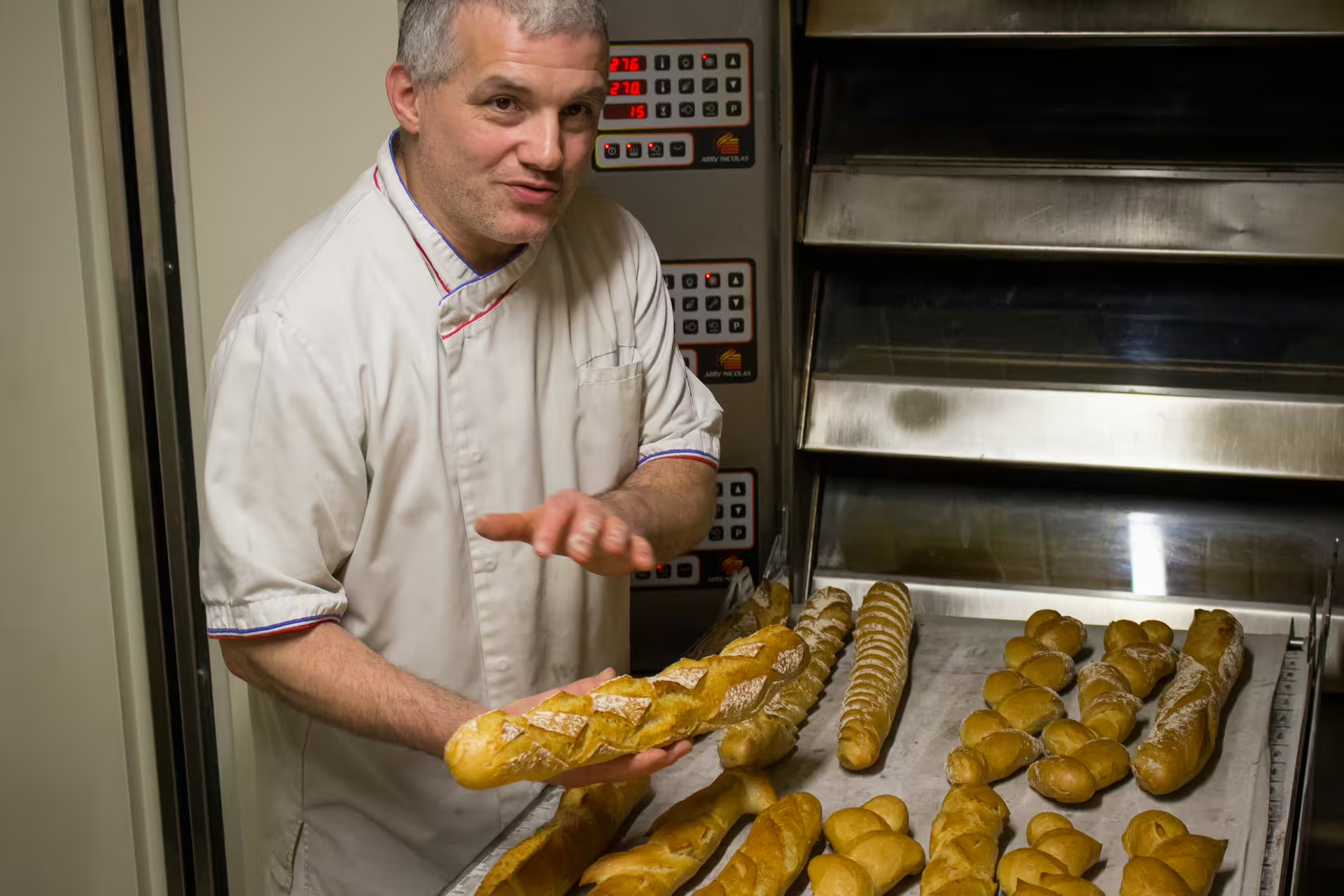
A pastry break can introduce you to Paris and Île-de-France specialities: Paris-Brest with praline, mille-feuille, chouquettes and macarons.
Yes, the Orlyval shuttle connects Orly Airport to RER B at Antony station.
Montmartre is the highest point, at 130 metres above sea level.
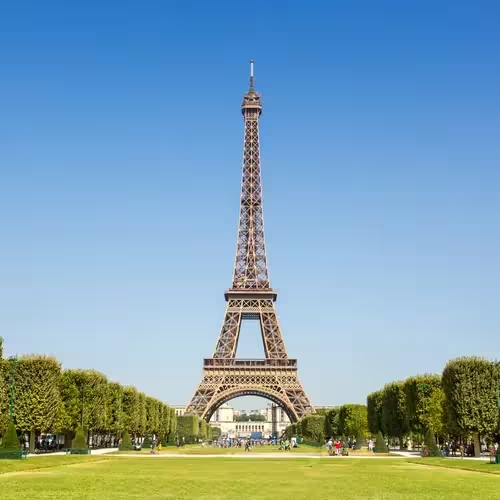
It was constructed for the 1889 Exposition Universelle and the centenary of the French Revolution.