
Build your dream
experience
More to know about Montmartre
Montmartre Travel Guide
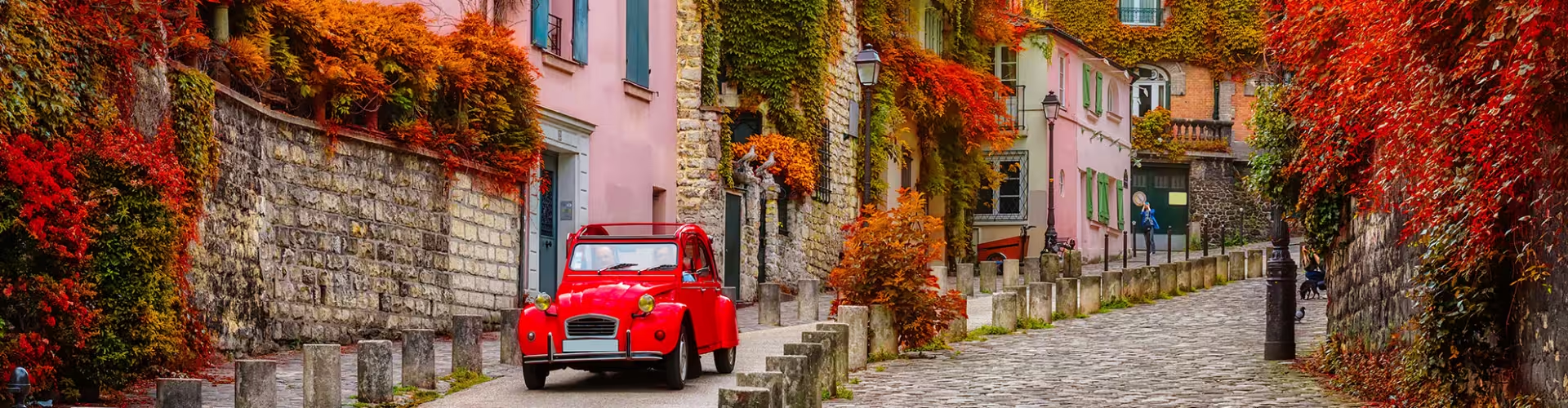
Montmartre is Paris at its most cinematic, a hillside neighborhood where steep staircases, café terraces, and studio-lined lanes create a village-like rhythm above the city. Come for the art legacy and skyline views, stay for the small moments, street musicians near little squares, a warm crêpe on a chilly evening, and the feeling that each corner has a story. This guide helps you plan a smooth visit with practical logistics, curated experiences, and itineraries that balance landmarks with slower, local-paced discovery.
Snapshot
Montmartre blends sacred grandeur with bohemian creativity, pairing panoramic viewpoints with intimate streets that reward unhurried walking. The signature vibe is romantic and slightly unruly, a mix of postcard beauty and lived-in Parisian texture. Go now for an easy-to-build trip that works year-round, with flexible routes that suit both first-timers and repeat visitors.
🗺️ Geography and Logistics
📍 Orientation: Where is it within Paris and France?
Montmartre sits on a hill in northern Paris, within the city limits and well connected to the rest of the capital. It is part of the wider Île-de-France region, making it a straightforward stop on a Paris itinerary rather than a separate excursion. For international arrivals, Paris is served by major airports and rail hubs, and once you are in the city, the neighborhood is easy to reach by public transport and then explore on foot.
🕒 When to Go: Seasonal breakdown
Montmartre works in every season, but your experience changes with daylight, temperature, and crowd levels. In warmer months, terraces and viewpoints feel lively, and long evenings make it easier to combine sightseeing with relaxed dining. Cooler months bring a quieter mood and a more atmospheric walk through lanes and stairways, though you will want layers and comfortable shoes for the hill.
💰 Budget & Currency
Paris uses the euro, and you will find a mix of everyday and premium spending options around the hill. Cards are widely accepted, but keeping some cash is useful for small purchases and quick snacks. Budget travelers can focus on street food and simple cafés, while those seeking a splurge can prioritize sit-down meals and guided experiences that add context to the art and history.
⭐ Essential Things to Do
Sacré-Cœur Basilica and the hilltop viewpoints
Why it matters: The basilica anchors the skyline and the surrounding steps create one of Paris’s most memorable panoramas. The experience is as much about the approach as the destination, with the city opening up behind you as you climb. Practical tip: Go early in the day for softer light and easier photos, then return near dusk if you want a more dramatic skyline.
Place du Tertre and the artist square
Why it matters: This square captures the neighborhood’s creative identity, with artists and portraitists continuing a tradition tied to Paris’s art history. It is lively and theatrical, even if you only pass through for the atmosphere. Practical tip: If you want a drawing or portrait, agree on the format and total cost before you sit, and allow extra time because it can take longer than expected.
Stroll the steep lanes and staircases
Why it matters: The real magic of Montmartre often appears between the headline sights, in tiny streets, sudden viewpoints, and quiet corners. Walking reveals how the hill shapes daily life, from winding routes to hidden gardens. Practical tip: Wear shoes with grip, pace yourself on the climbs, and plan a café stop so the walk feels like discovery rather than a workout.
Track the neighborhood’s bohemian art legacy
Why it matters: The area is closely linked to painters, writers, and performers who shaped modern culture in Paris. Even without a formal tour, you can sense the creative DNA in studio-style façades and the way the streets invite wandering. Practical tip: Consider a small-group walk focused on art history if you want deeper context without trying to research every address yourself.
Café culture and people-watching
Why it matters: Sitting down is part of the itinerary here, not an afterthought. The neighborhood’s café rhythm helps you absorb the scene, from locals running errands to visitors climbing toward the basilica. Practical tip: Choose a terrace spot slightly off the busiest routes for a calmer experience, then linger with a drink while you map your next steps.
Photo stops at viewpoints and quiet corners
Why it matters: Montmartre is built for photography, with layered rooftops, stairways, and changing light. The contrast between grand views and intimate streets gives you variety without long distances. Practical tip: Aim for morning or late afternoon light, and be mindful of residents by keeping voices low in narrow lanes.
Explore nearby Paris neighborhoods on foot
Why it matters: The hill connects naturally to other parts of northern Paris, so you can combine your visit with additional streets, markets, and evening plans. This makes Montmartre an easy anchor for a full day. Practical tip: Plan a downhill finish so you end closer to transit links and avoid an extra climb when you are tired.
Choose a guided experience for a smoother visit
Why it matters: A well-designed tour can turn pretty streets into a coherent story, connecting viewpoints, art history, and local anecdotes. It also helps you avoid zigzagging up and down the hill inefficiently. Practical tip: If your schedule is tight, pick a shorter tour early, then use the rest of the day for cafés and unstructured wandering.
🚶 Curated Itineraries
⏰ The Highlights (1 Day)
Start your morning with a focused climb toward the Sacré-Cœur area, enjoying the city opening up behind you as you gain height. Spend late morning wandering the artist square and nearby lanes, then pause for a relaxed lunch that lets you reset after the hill. In the afternoon, follow a gentle downhill route through photogenic streets, add a café break for people-watching, and finish with golden-hour views if you want the classic skyline moment.
⏰ Deep Dive (2-3 Days)
On day one, prioritize the major viewpoints and the core walking loop so you understand the geography of the hill. On day two, slow down and focus on the neighborhood texture, quieter lanes, small squares, and the art legacy that made Montmartre a symbol of creative Paris. If you have a third day, use it for a guided theme walk, then connect to nearby districts for dinner plans so your trip feels integrated with the wider city.
🍽️ Flavors of Montmartre
Crêpes
Taste profile: Thin, folded pancakes that can be sweet or savory, ideal for eating while walking. Ordering tip: If you want a classic, ask for a simple combination first, then add extras once you see portion sizes.
Galettes
Taste profile: Savory buckwheat crêpes with a heartier, nutty flavor and satisfying fillings. Ordering tip: Choose a galette when you want a full meal without a long sit-down.
French onion soup
Taste profile: Deep, slow-cooked onion flavor with a rich broth and a cheesy top. Ordering tip: It is especially comforting in cooler weather, so consider it as a lunch starter when the hill feels brisk.
Steak frites
Taste profile: Straightforward and classic, with crisp fries and a simple, hearty main. Ordering tip: If you want a reliable option in a busy area, this is often a safe choice when menus feel overwhelming.
Cheese and charcuterie boards
Taste profile: A mix of creamy, sharp, and savory bites that pair well with a drink and a long conversation. Ordering tip: Order to share if you are visiting as a couple or small group, and treat it as a slow break between climbs.
Pastries
Taste profile: Buttery and delicate, perfect for a quick energy boost before more walking. Ordering tip: Pick one item you can eat easily on the move, then save a second pastry for a café stop.
Espresso and café crème
Taste profile: Strong and aromatic, or softened with milk for a longer sip. Ordering tip: Use coffee stops to pace your route, especially if you are doing multiple staircases in a single day.
🚌 Navigation & Transport
Montmartre is best explored on foot, because the most rewarding scenes are in the lanes, steps, and small squares. Public transport is useful for reaching the area and for leaving after a long day, especially if you want to avoid extra uphill walking. Ride-sharing and taxis can be helpful late at night or if mobility is a concern, but narrow streets and traffic can slow vehicles, so walking and transit often win for reliability.
Safety is similar to other busy parts of Paris, so keep personal items secure in crowded areas and stay aware around popular viewpoints. Accessibility can be challenging due to steep gradients and stairs, so travelers with limited mobility should plan routes carefully, use transit where possible, and build in rest stops at cafés.
🌄 Beyond the Center: Day Trips
Central Paris landmarks
Travel time: Short city transit rides. Reason to visit: Pair your hilltop views with river-level walks and major museums for a balanced Paris itinerary.
Seine River stroll areas
Travel time: Short city transit rides. Reason to visit: The river offers an easy, flat contrast to the climbs of Montmartre, plus classic bridges and evening ambiance.
Other northern Paris neighborhoods
Travel time: Short city transit rides. Reason to visit: Extend your trip with local streets, casual dining, and a less tourist-focused feel.
Versailles
Travel time: A longer ride from Paris. Reason to visit: A famous royal site that adds grandeur and history to your trip if you want a full-day excursion.
✅ Insider Tips for Travelers
- Plan your route to minimize backtracking, the hill can feel steeper later in the day.
- Go early for calmer streets and clearer photos, then return later for evening atmosphere.
- Carry a small amount of cash for quick snacks and small purchases, but rely on cards for most spending.
- Choose café stops strategically, they are perfect for pacing climbs and warming up in cooler months.
- Agree on details upfront for any street art or portraits, including format and total price.
- Pack comfortable walking shoes and a light layer, conditions can shift between sunny viewpoints and shaded lanes.
- Keep valuables secure in busy areas and viewpoints, especially when stopping for photos.
❓ Frequently Asked Questions, FAQ
Is Montmartre easy to visit without a tour?
Yes, it is very walkable and the main sights are connected by scenic streets and staircases. A tour is helpful if you want a clear storyline and less time spent planning your route.
How much time should I plan for Montmartre?
A highlights visit fits well into one day with time for viewpoints and café breaks. If you want a slower pace and deeper neighborhood exploration, plan two to three days.
What is the best time of day for photos in Montmartre?
Morning and late afternoon often provide softer light and a calmer feel on the streets. Evening can be beautiful for skyline views, but popular spots may be busier.
Is the area suitable for travelers with limited mobility?
Some routes are challenging because of steep hills and stairs. Use public transport where possible, plan rest stops, and focus on a smaller set of viewpoints and nearby streets.
Should I carry cash while visiting?
Cards are widely accepted, but small cash is useful for snacks, quick purchases, and small vendors. Keep your wallet secure in crowded areas, as you would elsewhere in Paris.
This guide to Montmartre is written by Toursxplorer.com to help travelers plan routes, timing, and practical logistics within Paris. It focuses on walkability, key viewpoints, and itinerary structure for efficient sightseeing. Use it to compare options and build a visit that matches your pace and budget.
Europe, France, Île-de-France, Paris, Montmartre