Karnak, on the east bank of Luxor, is the site of many temples and chapels. The ancient Egyptians called it Ipet-Sut, 'The Most Select of Places', and it was in its Great Temple of Amun that the cult of the god Amun of Thebes was conducted.
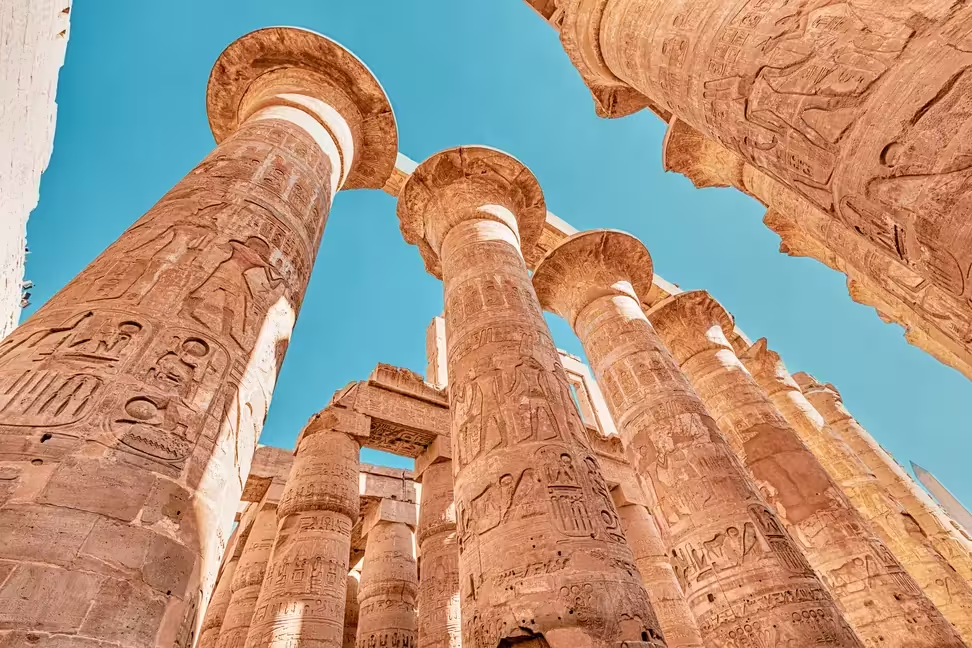
Karnak was a complex of temples in several zones. The Amun Precinct is the largest; the Precinct of Mut, his wife, lies to the south, the Precinct of Montu to the north and, to the east, Akhenaten's temple to Aten.
The earliest evidence for the temple of Amun is from the reign of Intef II (c. 2112–2063 BC). Royal building continued until the Ptolemaic Period (305–30 BC), with some additions under Rome, and nearly every king of the New Kingdom (c. 1550–1069 BC) left his mark here.
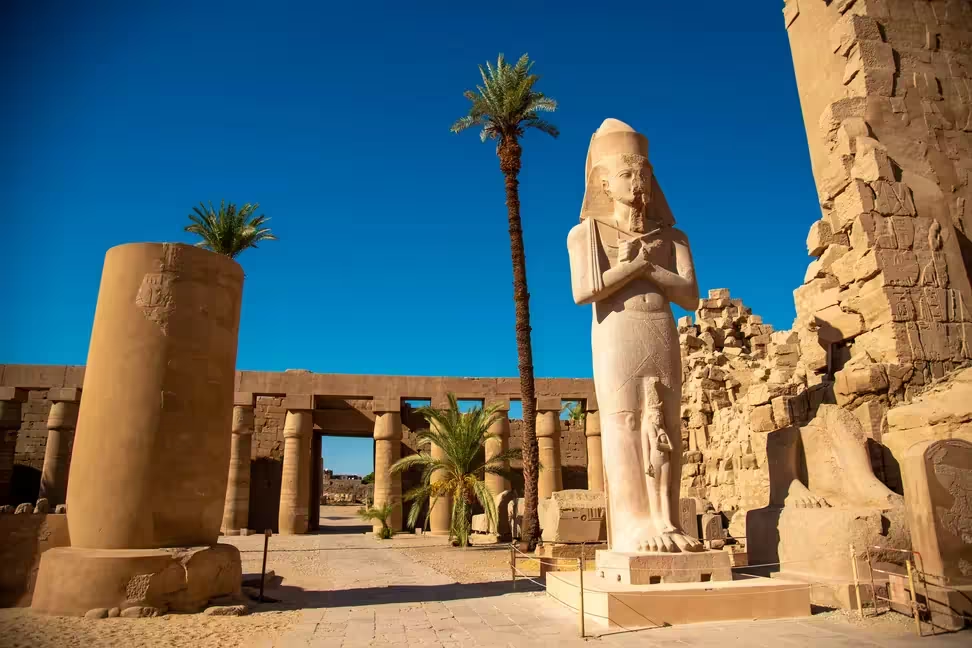
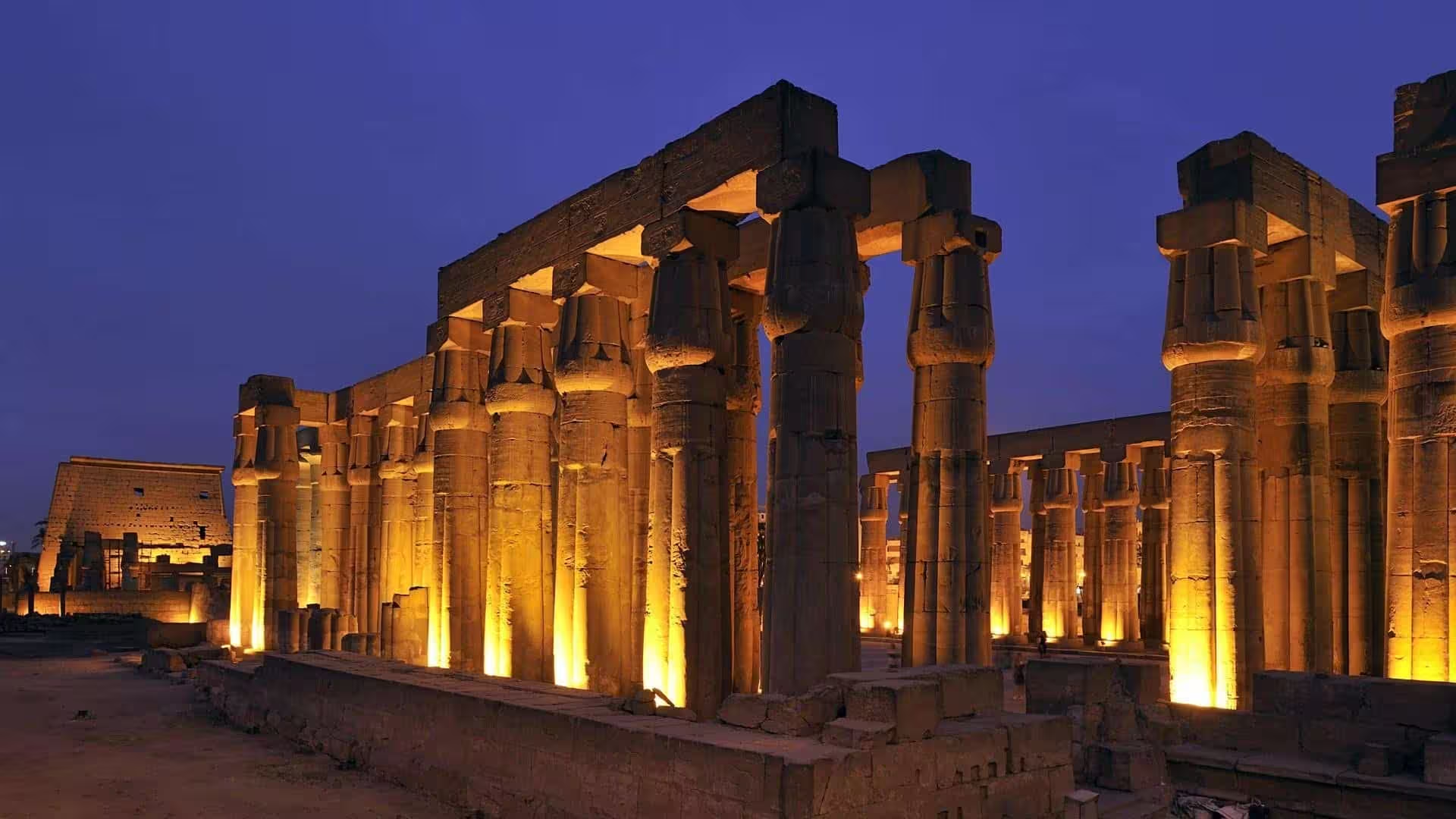
The Great Hypostyle Hall of the Temple of Amun is a forest of 134 columns. They are 15 m (49 ft) high, except the twelve larger central ones, which stand 21 m (70 ft) tall. Most of the construction and all of the decoration date from the reigns of Sety I and his son Ramesses II.
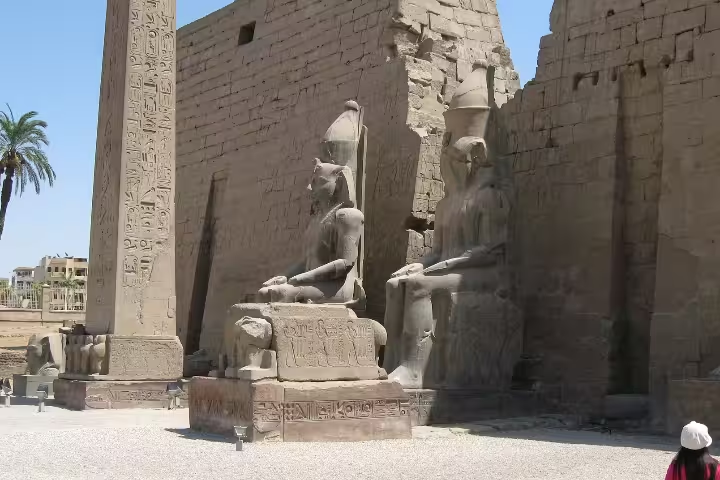
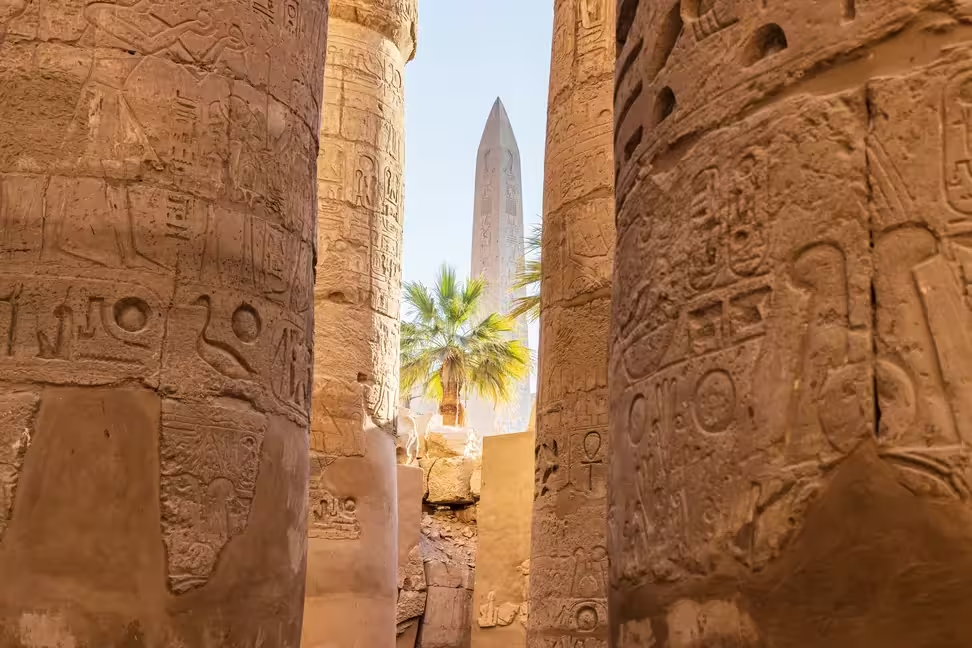
Two obelisks stand near the hall. The larger, erected by Hatshepsut, is almost 30 m (100 ft) high and weighs over 300 tons.
The sacred lake, where priests purified themselves before carrying out temple rituals, can still be seen today.
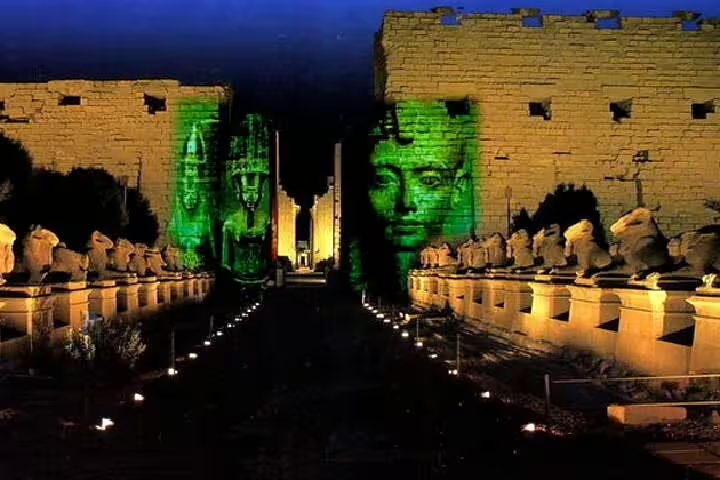
Karnak and Luxor Temple were linked by a processional way lined with sphinxes. It was used in the Opet Festival, one of the most important celebrations of the ancient Egyptian calendar.
Karnak opens every day from 6 am (06:00) to 5 pm (17:00).
Planning a Nile cruise? Our article Nile Cruise from Luxor to Aswan: How Many Days and Which Cruise compares the cruises between Luxor and Aswan. For the royal tombs across the river, see our Valley of the Kings guide.
Every trip that starts or stops here is also on our destination page.
A complex of temples and chapels on the east bank of Luxor, centred on the Great Temple of Amun.
134 in all; the twelve in the centre are the tallest.
Hatshepsut; hers is the larger of the two obelisks near the hall.
A major ancient Egyptian festival; its procession used the avenue of sphinxes between Karnak and Luxor Temple.
Daily, between 6 am and 5 pm (06:00 to 17:00).
Facts from the official website of Egypt's Ministry of Tourism and Antiquities (egymonuments.gov.eg), checked on 13 October 2026.