






Desert Safari Tours in Doha
Doha, Qatar
9 experiences

Last updated:


A stay in Doha can balance museums, a promenade walk and a day exploring heritage or the desert.
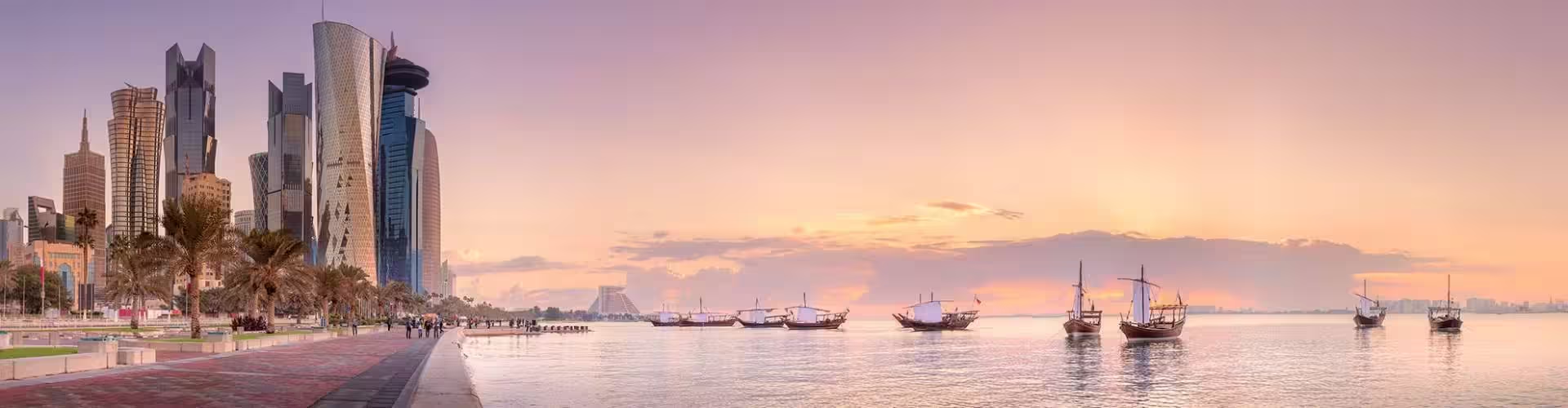
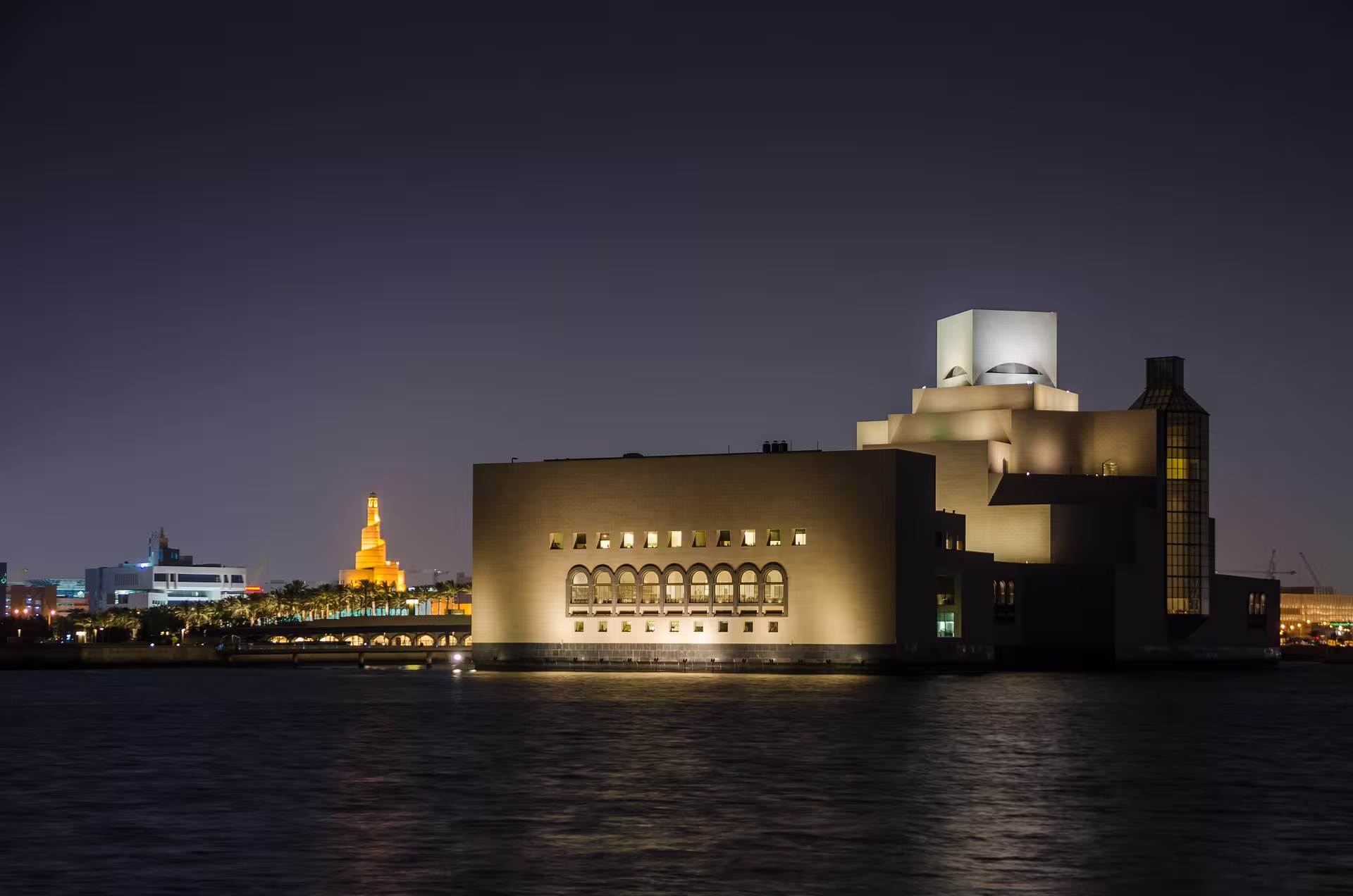
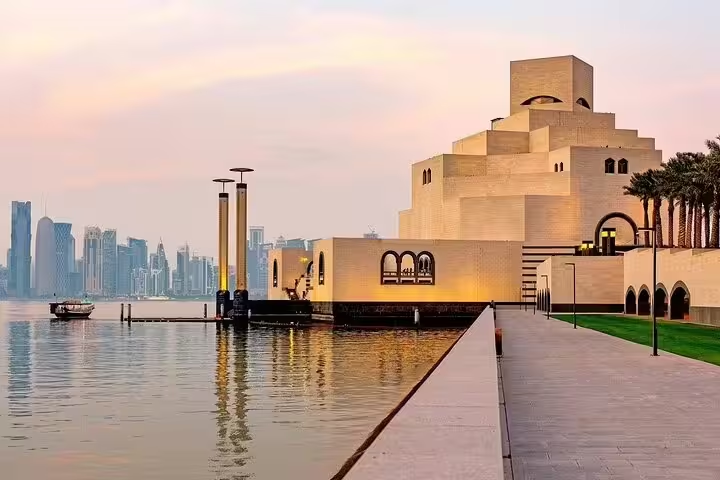
The Museum of Islamic Art covers 14 centuries of Islamic art, with objects from three continents, while the Corniche offers 7 km of waterfront promenade for walking and cycling, with public art along the way.
Museums and Msheireb give a culture-focused visit a clear starting point. At the National Museum of Qatar, Jean Nouvel wrapped a historic palace in architecture inspired by a desert rose. Msheireb Downtown brings the focus to local history through four heritage houses. Radwani House offers a domestic perspective: this restored family home has rooms arranged around a central open space.
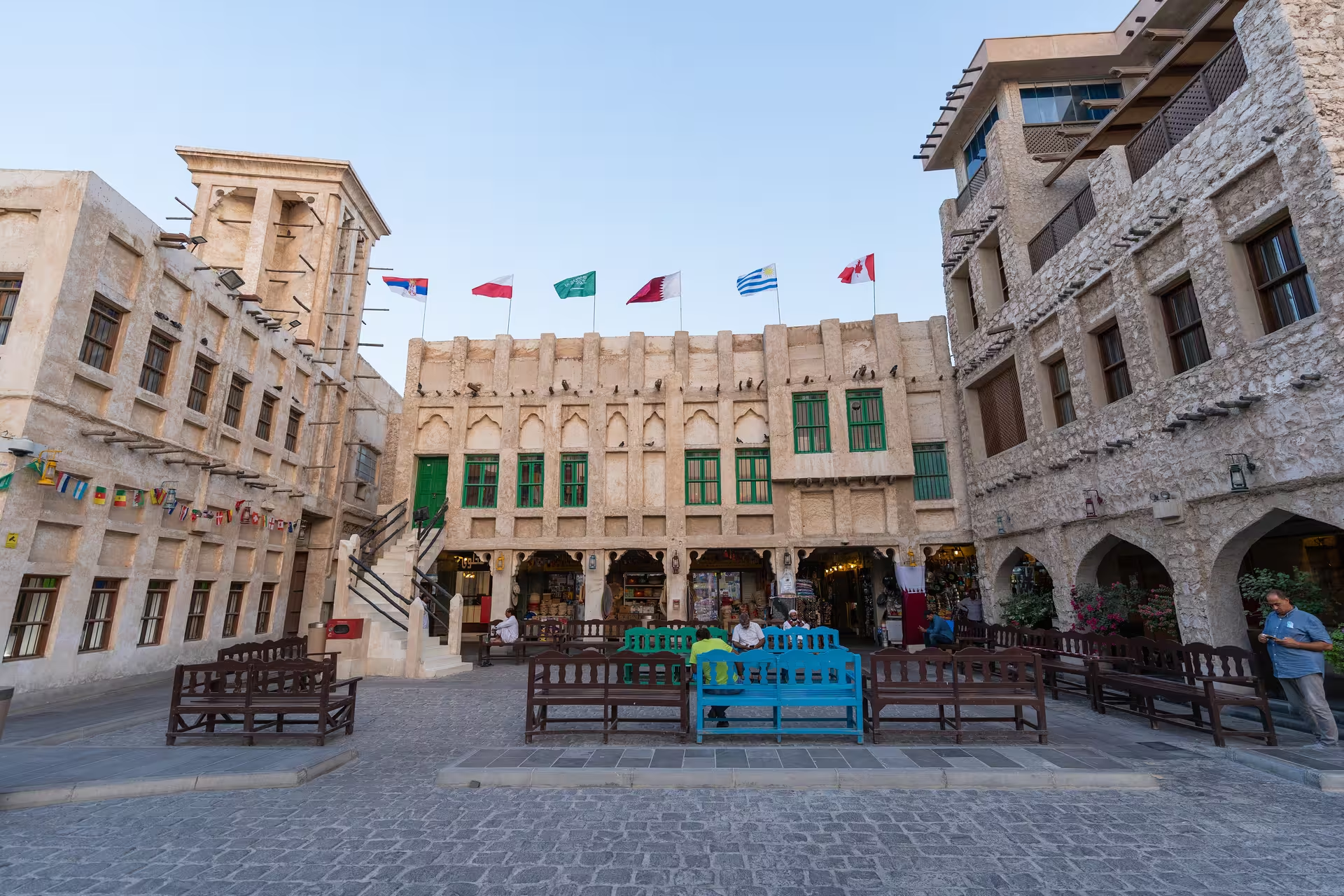
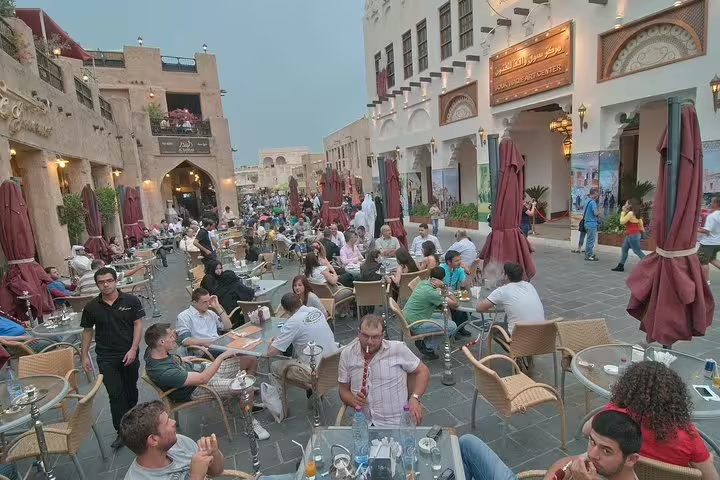
Souq Waqif adds street life and food to that museum-led plan. Its lanes have stalls selling saffron, sumac, dried flowers and dried black lemons. For a meal, machboos is Qatar's national dish, combining spiced rice with meat. Luqaimat offer a sweet alternative, with cardamom and saffron flavouring fried dumplings.
Three days is a useful plan for museums, the city and an excursion. Day one can centre on the Museum of Islamic Art and a walk along part of the Corniche. Day two can bring together Msheireb's heritage houses, the National Museum of Qatar and Souq Waqif. Day three leaves room for Al Zubarah or a desert safari.
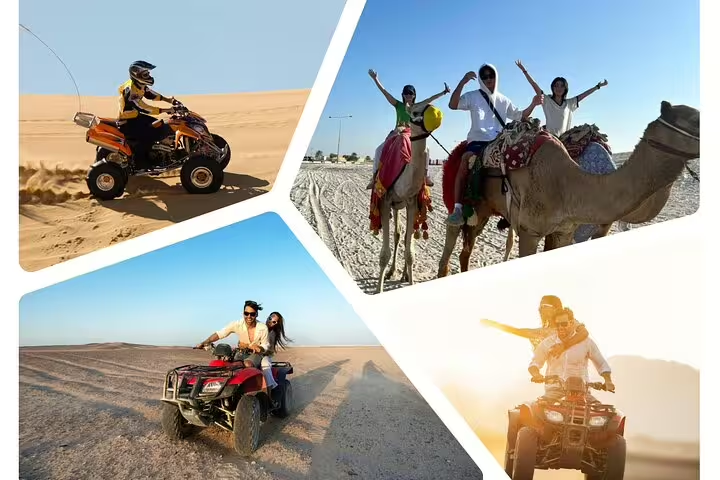
A full-day Doha city tour and desert safari in Qatar combines both experiences over 6 hours and 30 minutes, including air-conditioned transport, a city guide, an expert desert driver, a short camel ride, sandboarding and tea at the camel camp.
For a desert-focused day, the Qatar safari with dune bashing, camel ride and barbecue dinner lasts 7 hours and 30 minutes and includes sandboarding, an Inland Sea visit, a beach swimming opportunity, a barbecue meal at the desert camp, and a professional guide and driver.
November to March is the most comfortable period for a walking-focused trip, and January is one of the cooler months. Rain is rare and falls mostly in winter, so a museum visit is an easy alternative on the occasional wet day.
The Metro gives you an airport connection and a central place to change lines. From Terminal 1 at Hamad International Airport, the Red Line runs to the city centre. Msheireb is the downtown interchange where the Red, Green and Gold Lines meet.
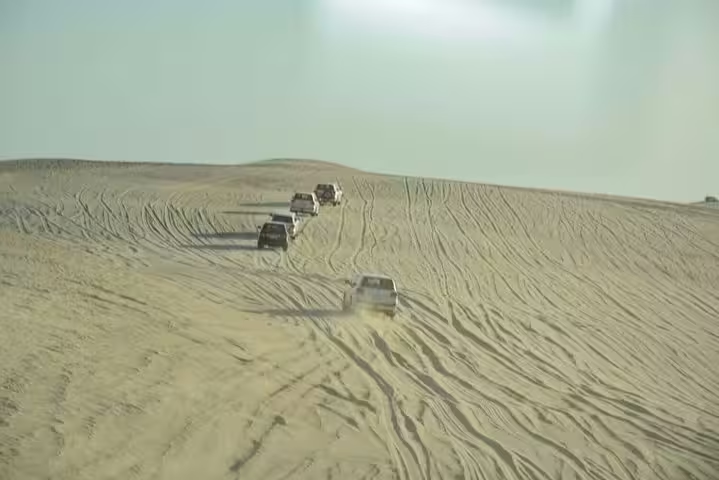
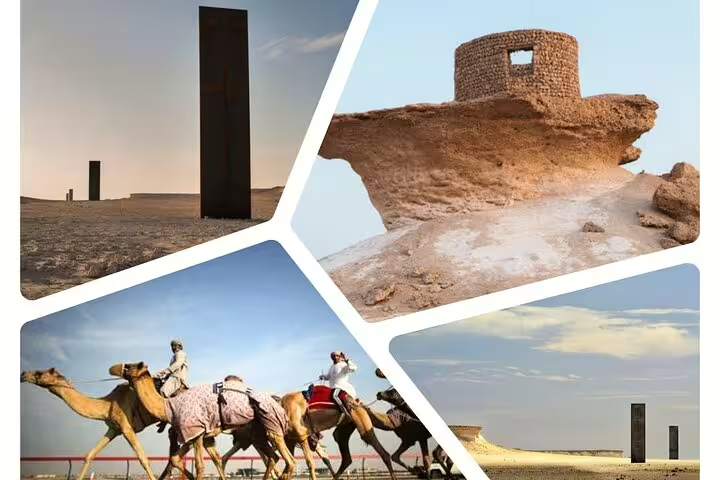
Al Zubarah suits a day set aside for heritage beyond Doha. Around 105 km northwest of the city, the site takes in the walled coastal town, whose late 18th century wall ran in a 2.5 km arc from shore to shore, and the later Al Zubarah Fort. UNESCO recognition came in 2013; the town was founded in the middle of the eighteenth century, largely destroyed in 1811 and abandoned in the early twentieth century.
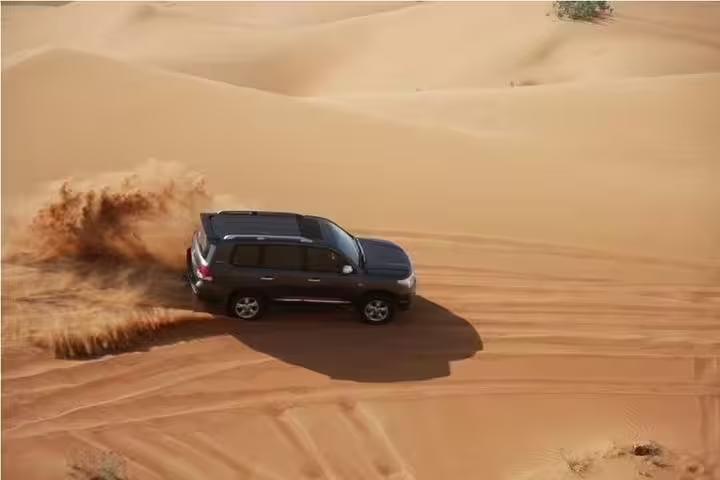
The full-day Qatar heritage sites and desert safari lasts 7 hours and 30 minutes, with 4WD transport, a licensed professional guide, dune bashing, a camel ride, sandboarding, an Inland Sea visit and entry to Al Zubarah Fort included.
Msheireb is a practical area to look at for a culture-focused stay with Metro connections. Its central cultural setting and the interchange make it a logical base for the museum-and-city plan.
From Doha, Khor Al Adaid lies 78 km to the south.
The Barzan Towers stand in the village of Umm Salal Mohammed, roughly 20 km north of Doha.
Within Souq Waqif, the Falcon Souq includes a hospital for falcons.