Tavira in Portugal: the island, Ria Formosa and the city
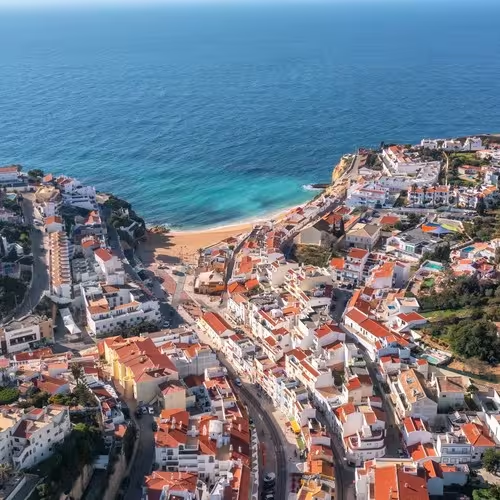
On Portugal's southern coast, Tavira belongs to the eastern Algarve, also known as the Sotavento. The municipality extends over 606.97 square kilometres, with six civil parishes and a population of about 27,500 recorded in the 2021 census. Its coastline stretches for more than 18 km. At Tavira, the Gilão flows into the Atlantic. Tavira also belongs to the Portuguese membership of Cittaslow. Its civil parishes comprise Cachopo, Santa Luzia, Santa Catarina da Fonte do Bispo, Conceição e Cabanas de Tavira, Luz de Tavira e Santo Estêvão, and Tavira (Santa Maria e Santiago).
Tavira Island
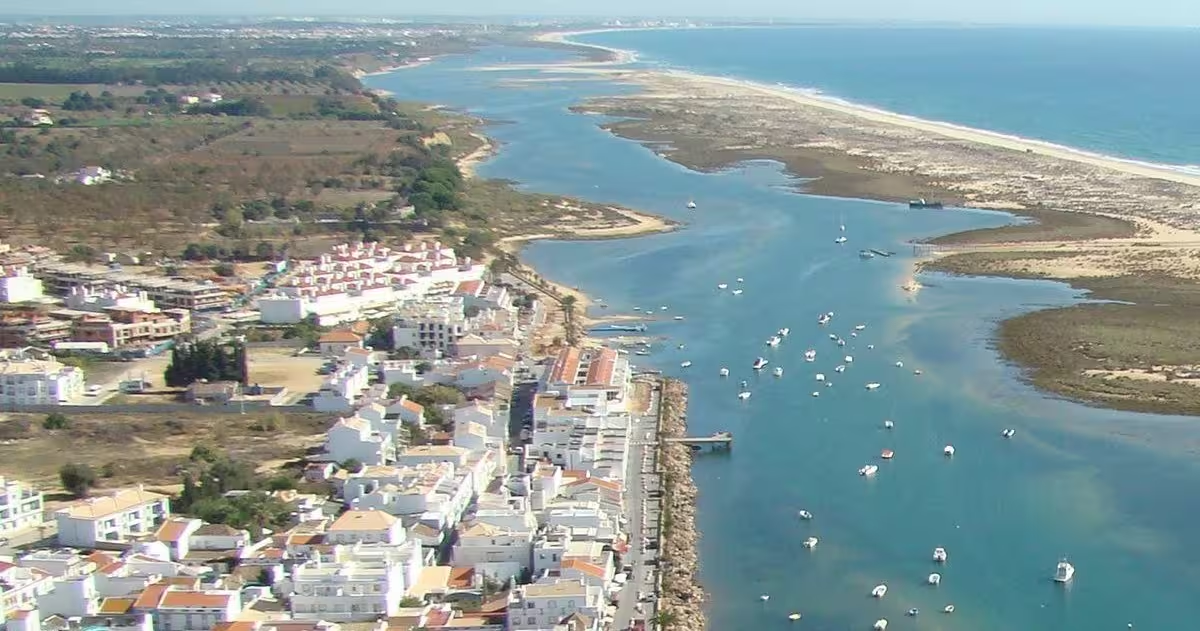
Around 11 km in length, Tavira Island has four beaches. Ilha de Tavira is the beach closest to the town, with a ferry connection available throughout the year. Water taxis also provide access to the island.
The salt route boat tour to Tavira Island lasts 1 hour and includes a guided cruise with a knowledgeable skipper, binoculars to use on board, and an illustrated brochure containing local images and information. A stop at Desert Beach on Cabanas Island is included.
Ria Formosa
Tavira Island is one of the five barrier islands of the Ria Formosa, alongside Barreta, Culatra, Armona and Cabanas, with the Ancão and Cacela peninsulas at either end. The natural park occupies approximately 18,400 hectares beside 60 km of coastline. Its territory spans Loulé, Faro, Olhão, Tavira and Vila Real de Santo António municipalities.
Ria Formosa holds Ramsar site status and appears on BirdLife International's list of Important Bird Areas. It serves as a corridor for migrating birds, with about 30,000 birds observable each year. The area previously received Natural Reserve status in 1978.
The boat tour of Ria Formosa and Cabanas de Tavira lasts 2 hours, with an experienced local skipper leading the guided cruise. It includes binoculars for observing wildlife and the landscape, a brochure of local imagery and a stop in Tavira.
History and churches
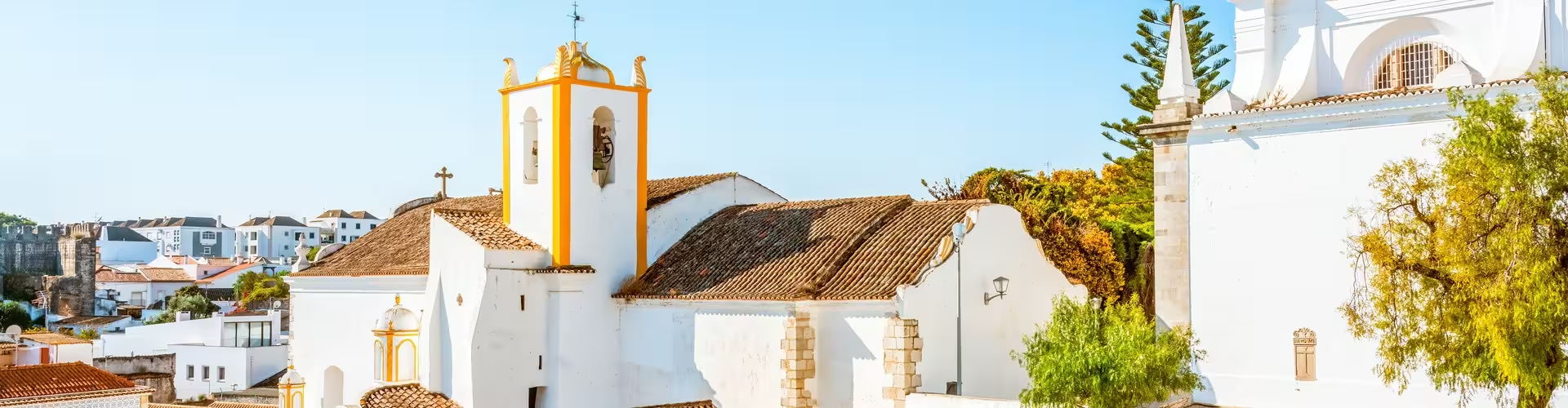
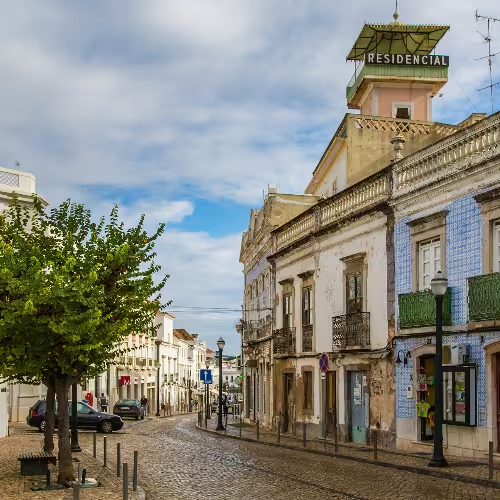
Phoenicians established a settlement at Tavira in the 8th century BC. Moorish influence shaped local farming, cultural life and architecture between the 8th and 13th centuries. Tavira gained city status on 16 March 1520. The 1755 earthquake destroyed almost all of its buildings, and subsequent rebuilding brought many buildings dating from the 18th century. The city has more than 30 churches.
Construction of the Renaissance Igreja da Misericórdia de Tavira took place from 1541 to 1551. The church was classified as a heritage monument in 1943. Igreja de Santa Maria do Castelo received National Monument classification in 1910. The castle walls retain evidence of Almoravid, Almohad and Christian building periods, while the enclosure formerly had seven gates.
Transport and regional tours
Faro lies about 30 km to the west of Tavira. Tavira's railway station belongs to the line linking Vila Real de Santo António with Faro and Lagos.
The private driving tour from Faro to the eastern Algarve lasts 5 hours. It includes a private vehicle with air conditioning throughout the tour, a professional driver who speaks English, an itinerary that can be customised, and fuel and vehicle costs.
Temperature
The annual mean temperature in Tavira is approximately 18 °C.
Frequently asked questions
Where in Portugal is Tavira?
Tavira belongs to the eastern Algarve on Portugal's southern coast, in the area known as the Sotavento.
How long is Tavira Island?
The island measures around 11 km in length and has four beaches.
Is there a ferry to Ilha de Tavira throughout the year?
Yes, the ferry connection to Ilha de Tavira operates throughout the year.
Which barrier islands form part of the Ria Formosa?
Tavira Island is one of the five barrier islands of the Ria Formosa, alongside Barreta, Culatra, Armona and Cabanas, with the Ancão and Cacela peninsulas at either end.
When was Igreja da Misericórdia de Tavira built?
The Renaissance church was constructed between 1541 and 1551.