Marinella of Selinunte is a charming coastal village on the southern coast of Sicily, Italy, positioned near the remarkable ruins of the ancient Greek temples of Selinunte. This area combines Mediterranean beach life with extraordinary archaeological heritage, making it a destination where history and natural beauty converge.
What to see in Marinella of Selinunte
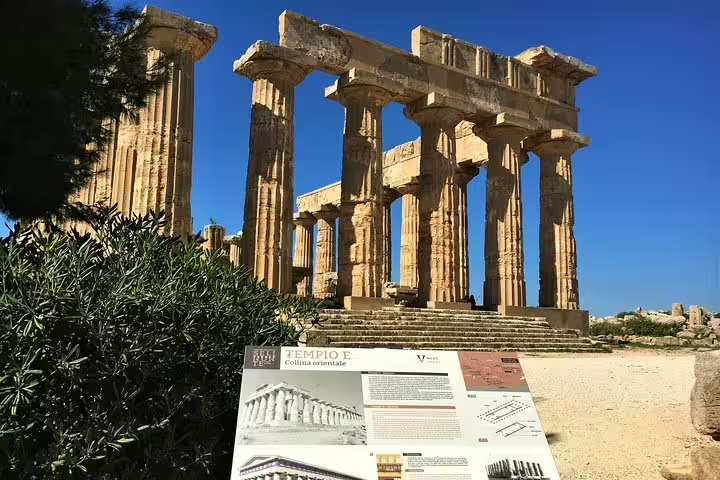
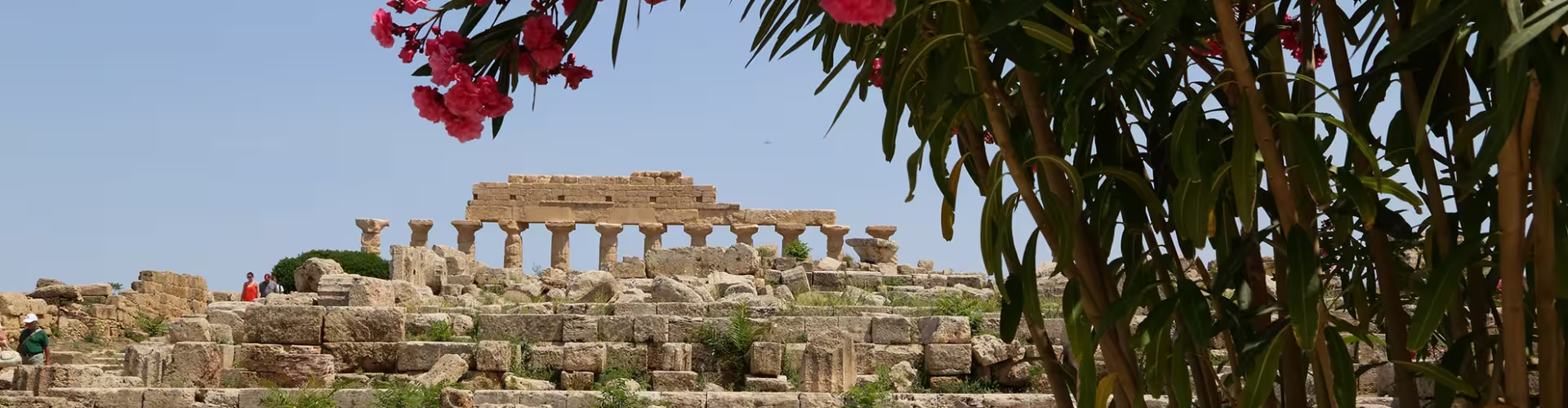
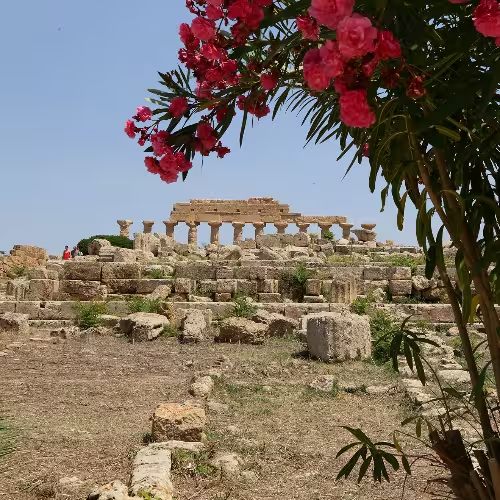
The primary attraction is the archaeological park of Selinunte, featuring five well-preserved Greek temples dating back to the 6th and 5th centuries BCE. Visitors should explore Temple E and the East Group, which showcase impressive Doric architecture. The nearby museum houses sculptures and artifacts that illuminate the ancient city's significance.
Things to do in Marinella of Selinunte
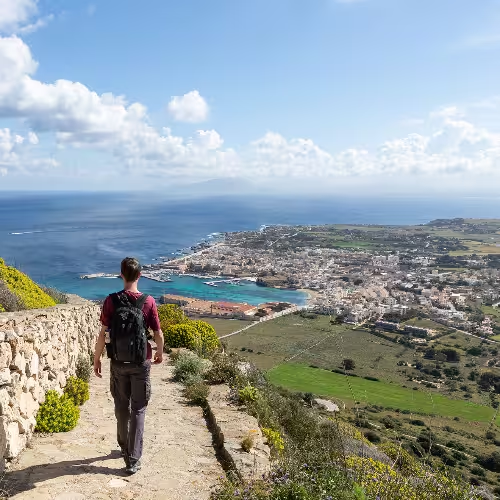
The sandy beaches offer opportunities for swimming and sunbathing along the Tyrrhenian Sea. Guided archaeological tours provide deeper context for the temple ruins, while boat trips explore the coastline. The village itself serves as a convenient base for exploring nearby Erice and Mondello, with local restaurants serving fresh seafood.
Ancient Greek Heritage in Southern Sicily
Selinunte stands as one of the most significant Greek archaeological sites in Sicily, rivaling even Agrigento's Valley of the Temples. The temples here represent the pinnacle of classical Greek architecture, offering visitors an immersive experience of ancient civilization rarely found outside Greece itself.
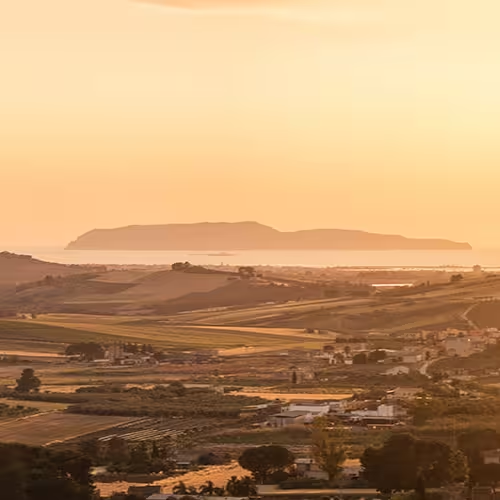
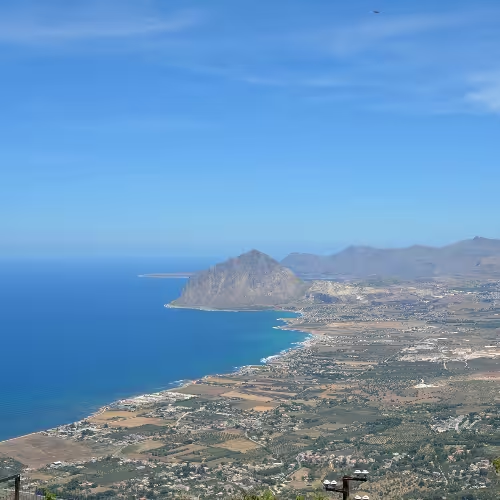
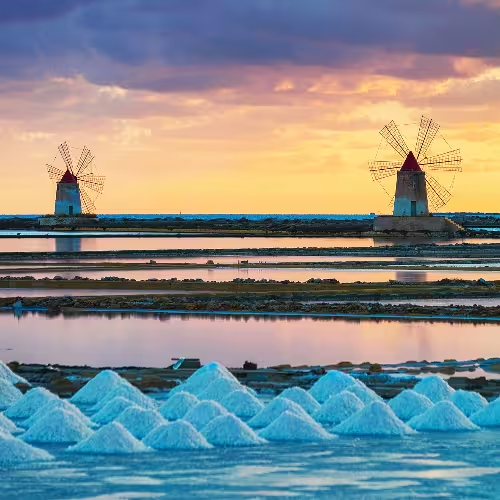
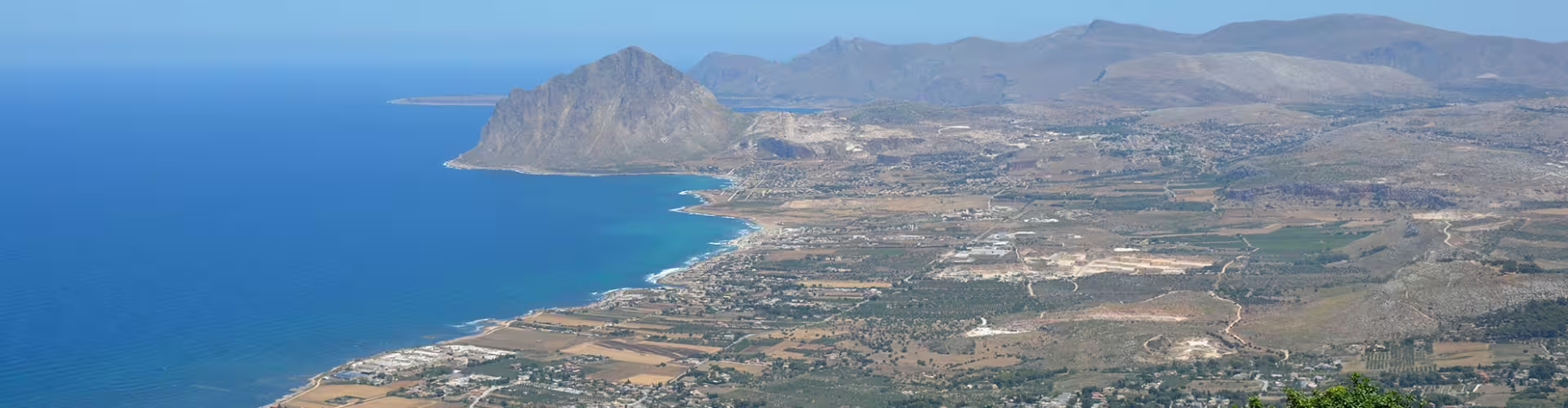
Marinella of Selinunte is located on the southern coast of Sicily, Italy, in the province of Trapani. The village sits adjacent to the archaeological park of Selinunte, one of the most important Greek colonies in ancient Sicily. The site is positioned along the Tyrrhenian Sea coast, approximately 100 kilometers west of Agrigento and within reach of other significant Sicilian destinations including Erice, Mondello, and the Aeolian Islands.
Ancient archaeological site with well-preserved Greek temples from the 5th-6th centuries BCE, combined with Mediterranean beach access and coastal village character.