Last updated:


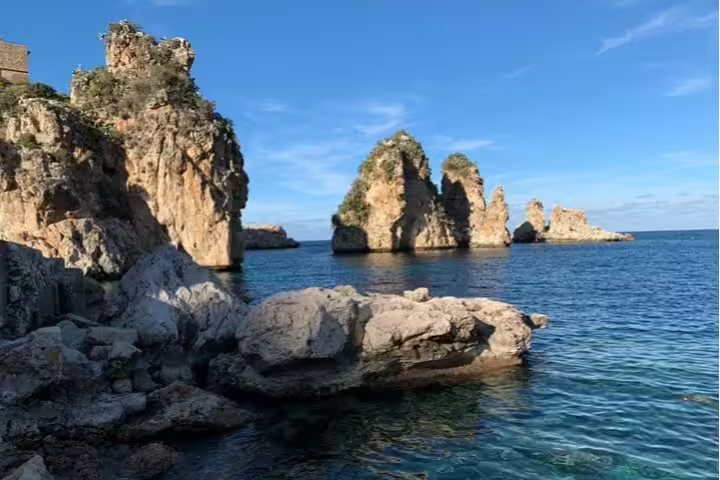
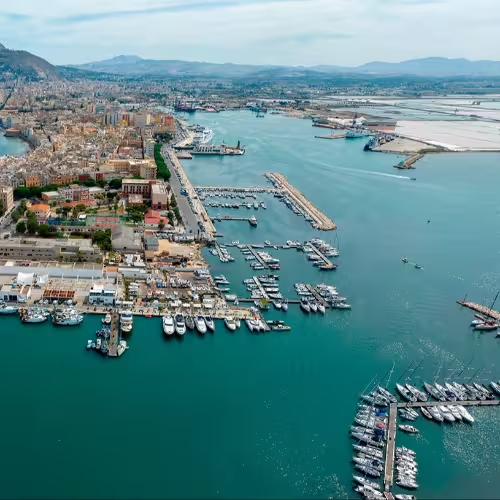
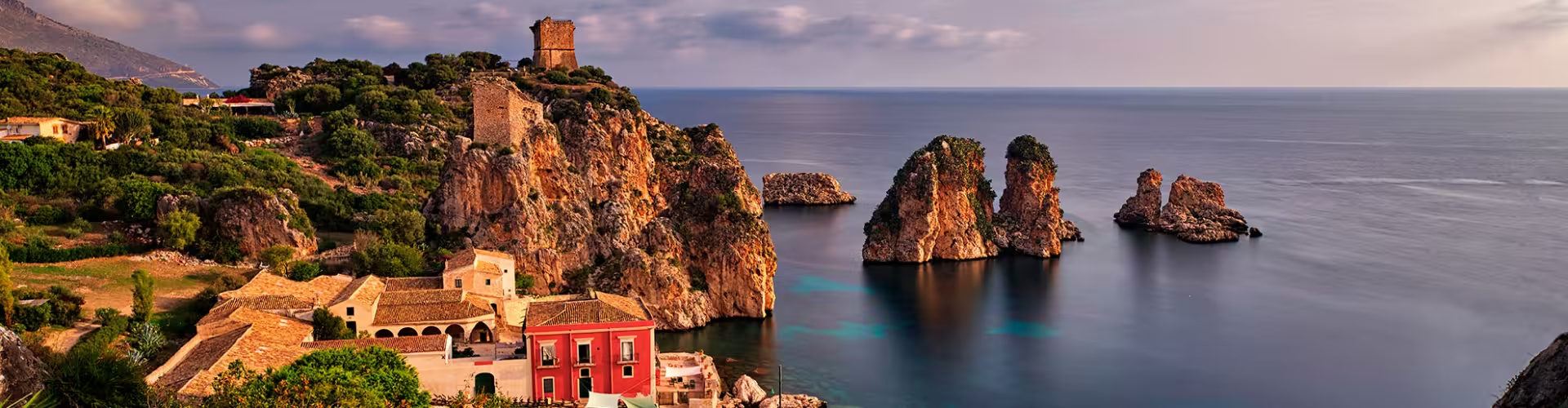
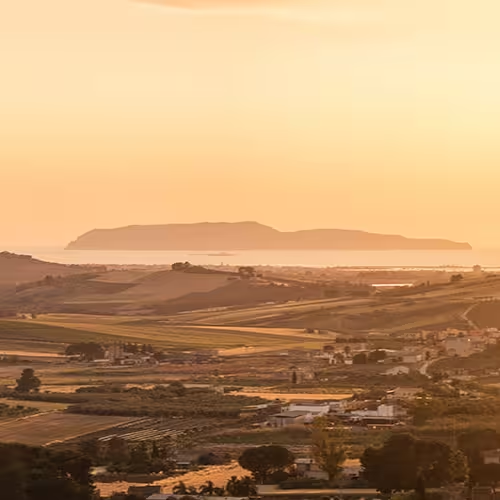
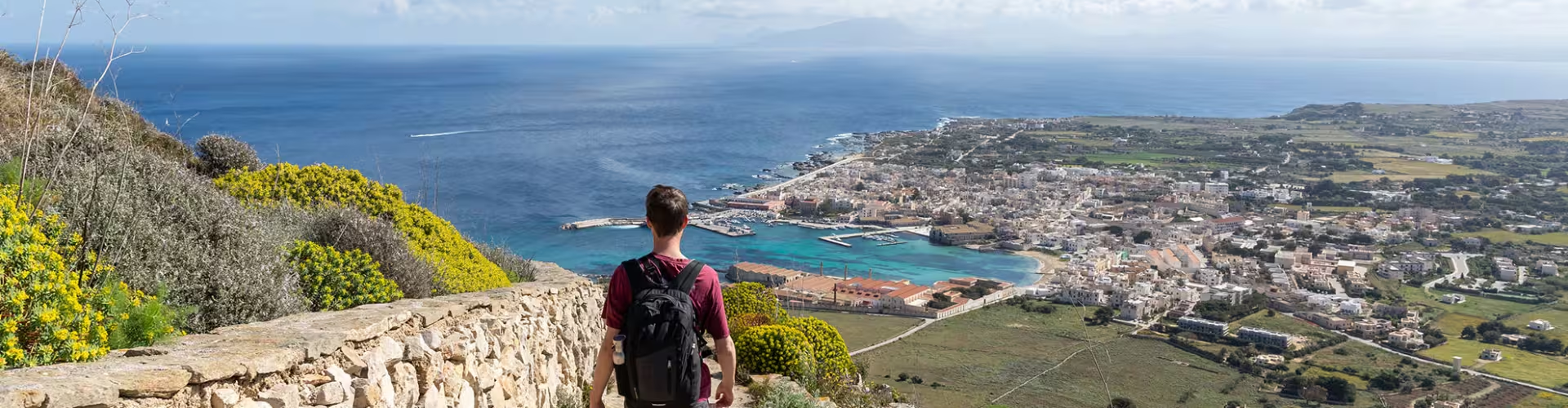
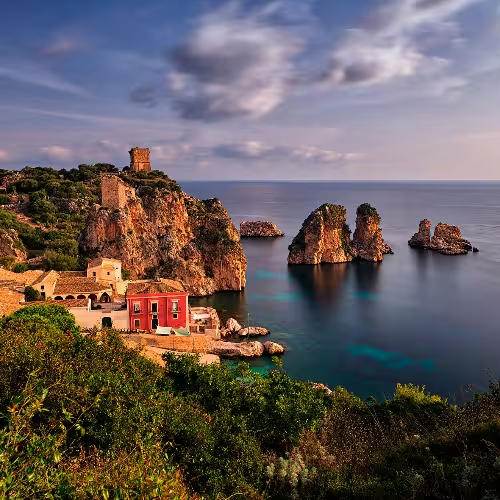
Trapani is worth planning around its harbour, its art and the salt pans, with an island outing if you want to go further. The fishing port serves as a gateway to the Egadi Islands, while the sickle-like curve of the city explains its name: drepanon is Greek for sickle.
The regional museum deserves time if you enjoy decorative art, while the cathedral and palaces offer an architectural focus. Inside a former Carmelite convent, the museum displays work in coral, maiolica, gold and silver. That range of materials makes it a stop to linger over rather than simply another building to tick off.
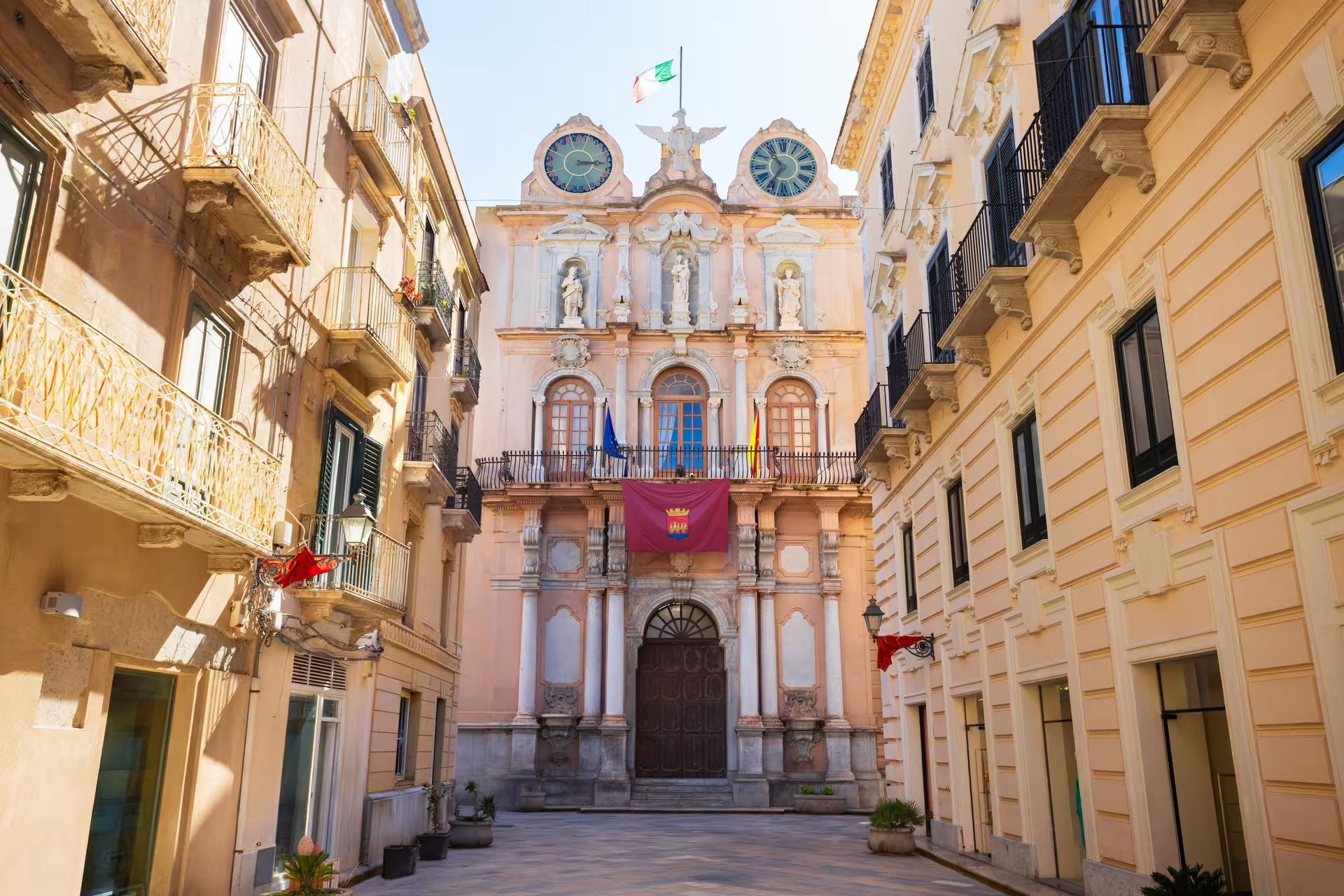
The cathedral's portico and façade provide a contrast with the Baroque Palazzo Senatorio and the Plateresque architecture of Palazzo della Giudecca. For an interest in religious traditions, Trapani's Processione dei Misteri has Spanish roots and features sculptural groups alongside sacred effigies.
Two days let you separate the city from the salt pans: devote the first to the museum, cathedral and palaces, and the second to the wetland landscape.
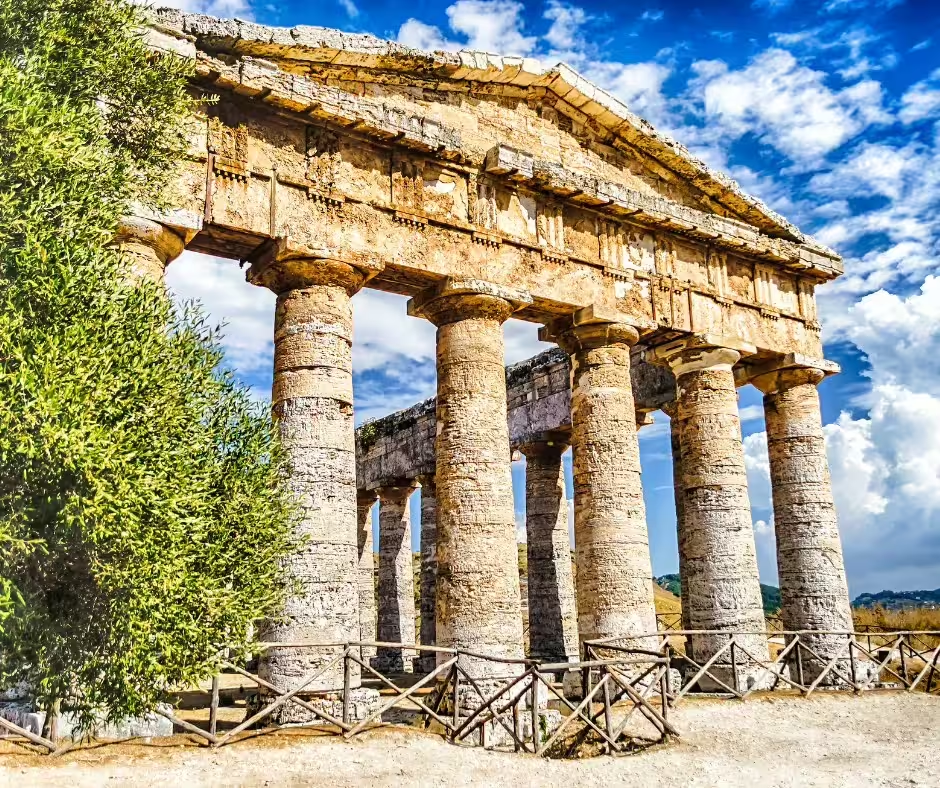
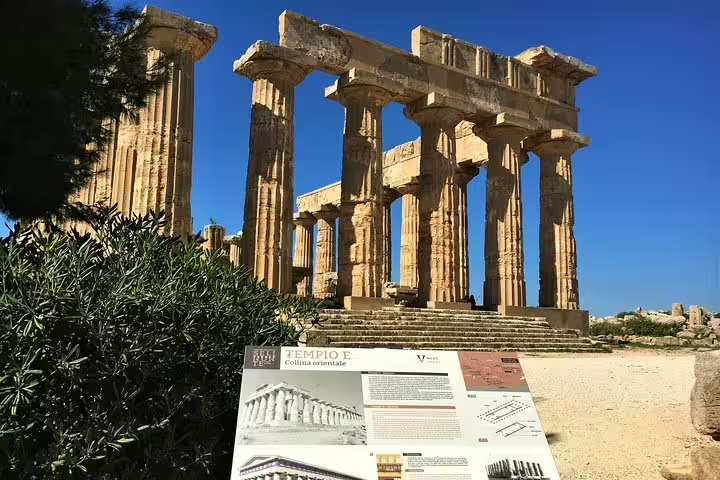
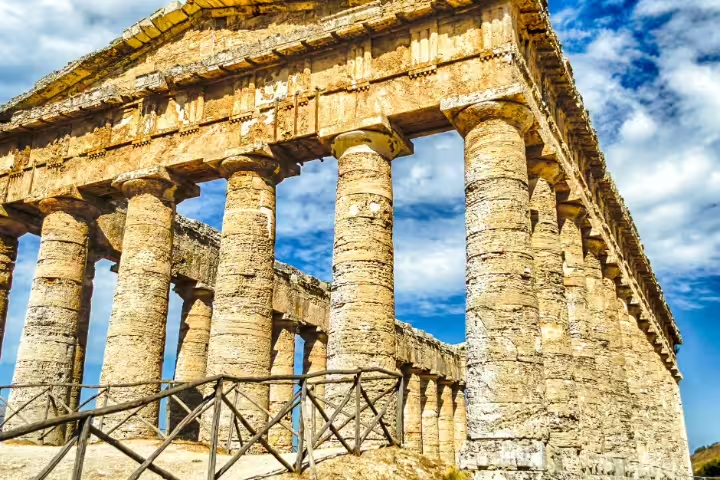
Segesta can anchor an additional day if ancient architecture interests you: near the ancient city stands a Doric temple whose construction was never finished. If you want Segesta, Erice and the salt pans in one outing from Palermo, the private tour of Segesta, Erice and Trapani salt pans takes 8 hours and 30 minutes, with transport from and back to Palermo.
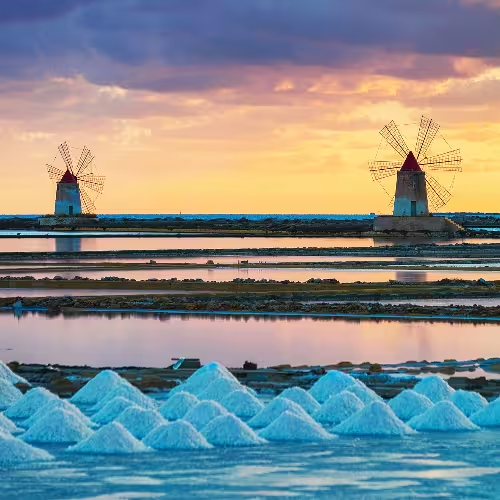
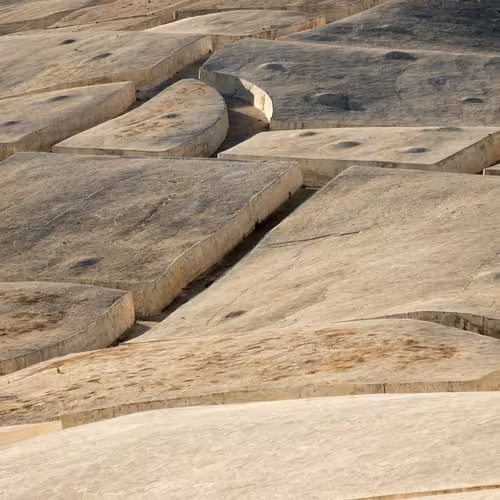
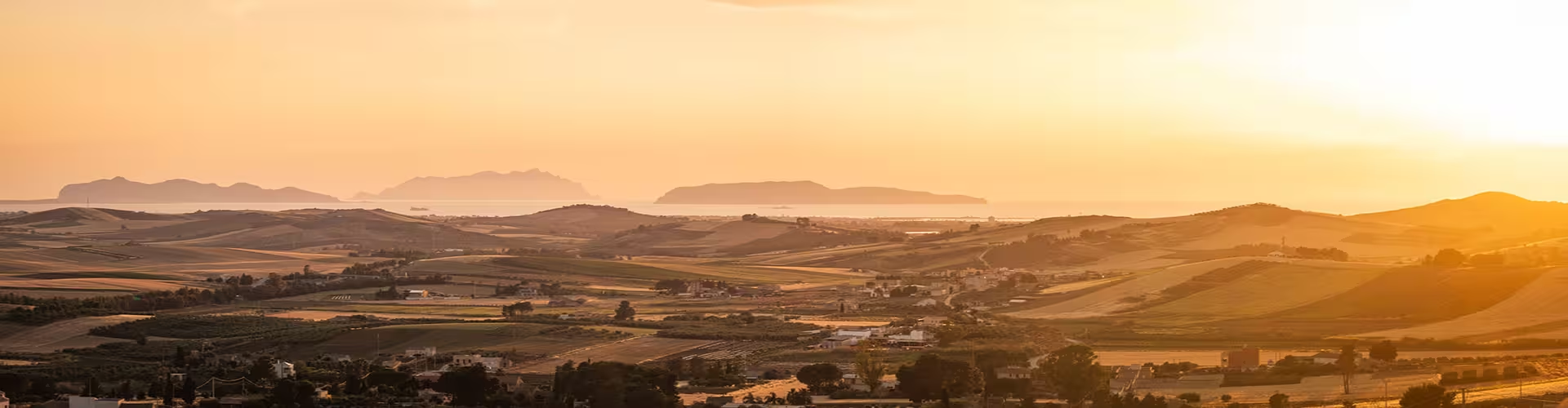
The pans lie between Trapani and Paceco on Sicily's west coast, and more than 220 bird species have been counted in the reserve of the Saline di Trapani. Their appeal is the wetland setting and the chance to look for birds, rather than a promise of seeing a particular species.
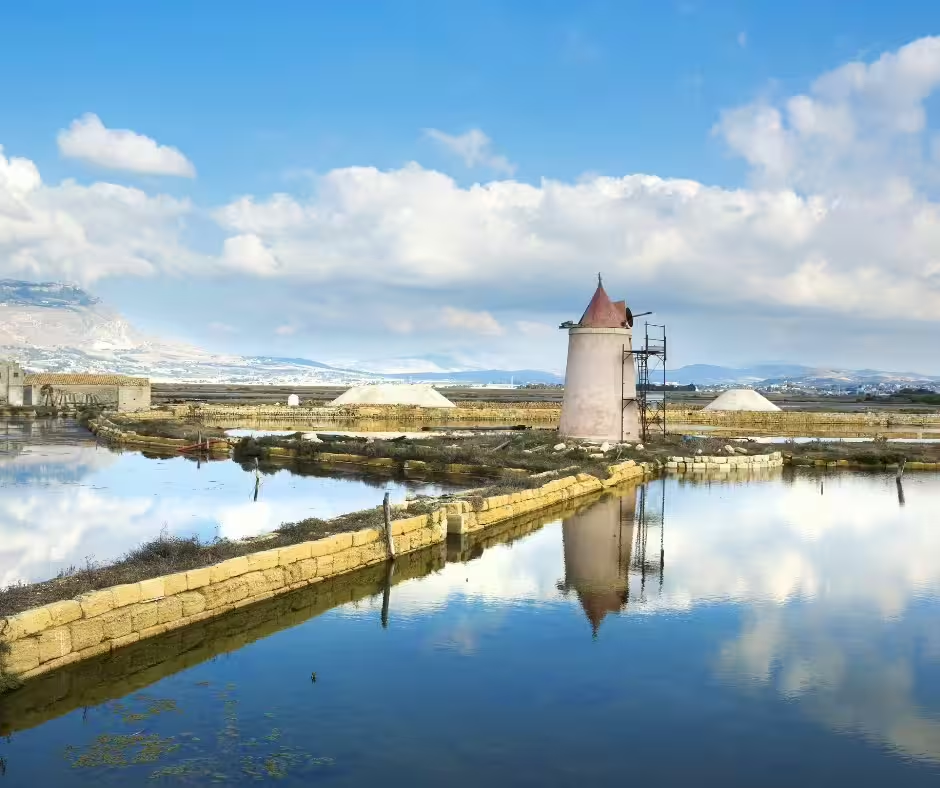
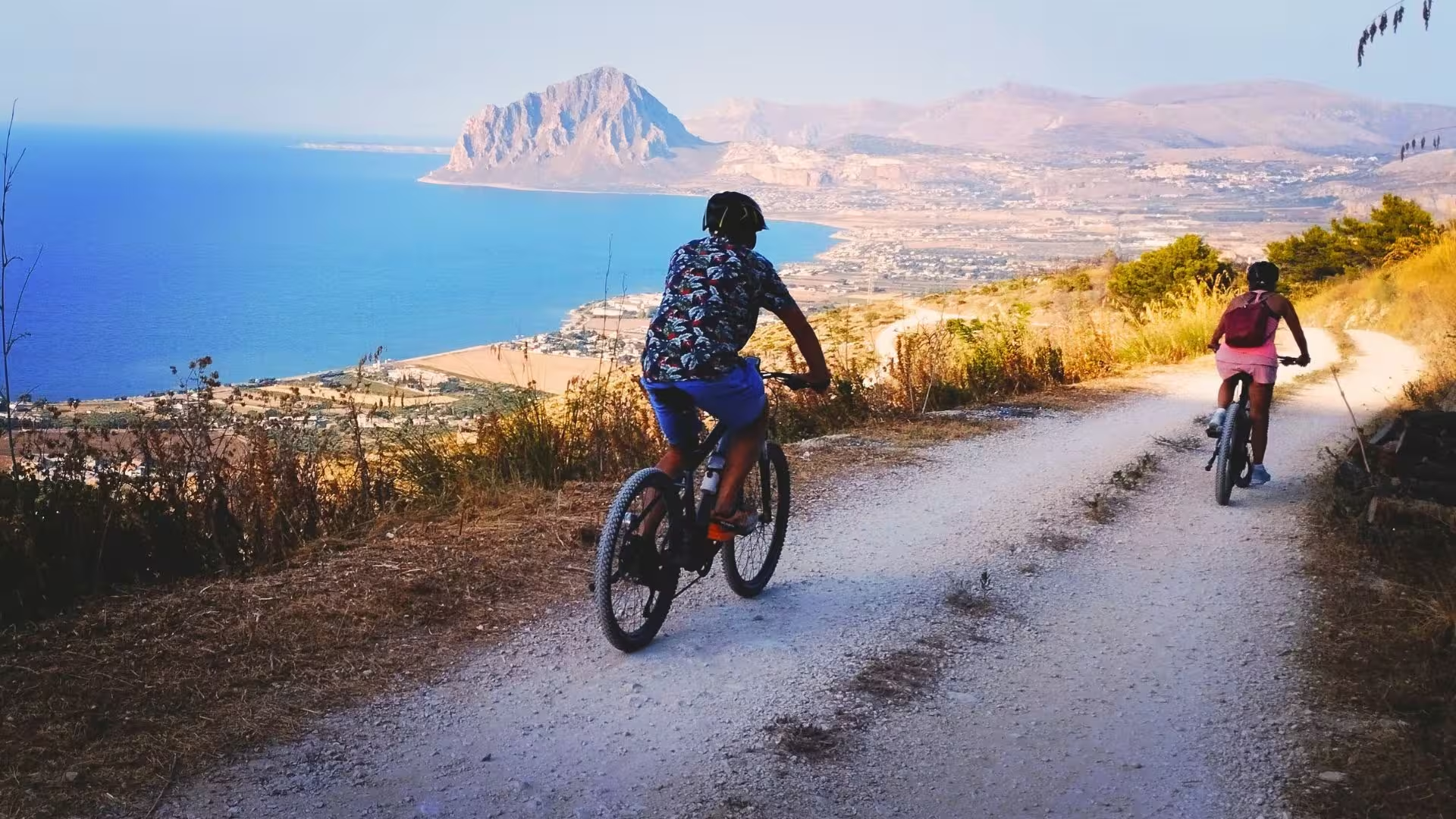
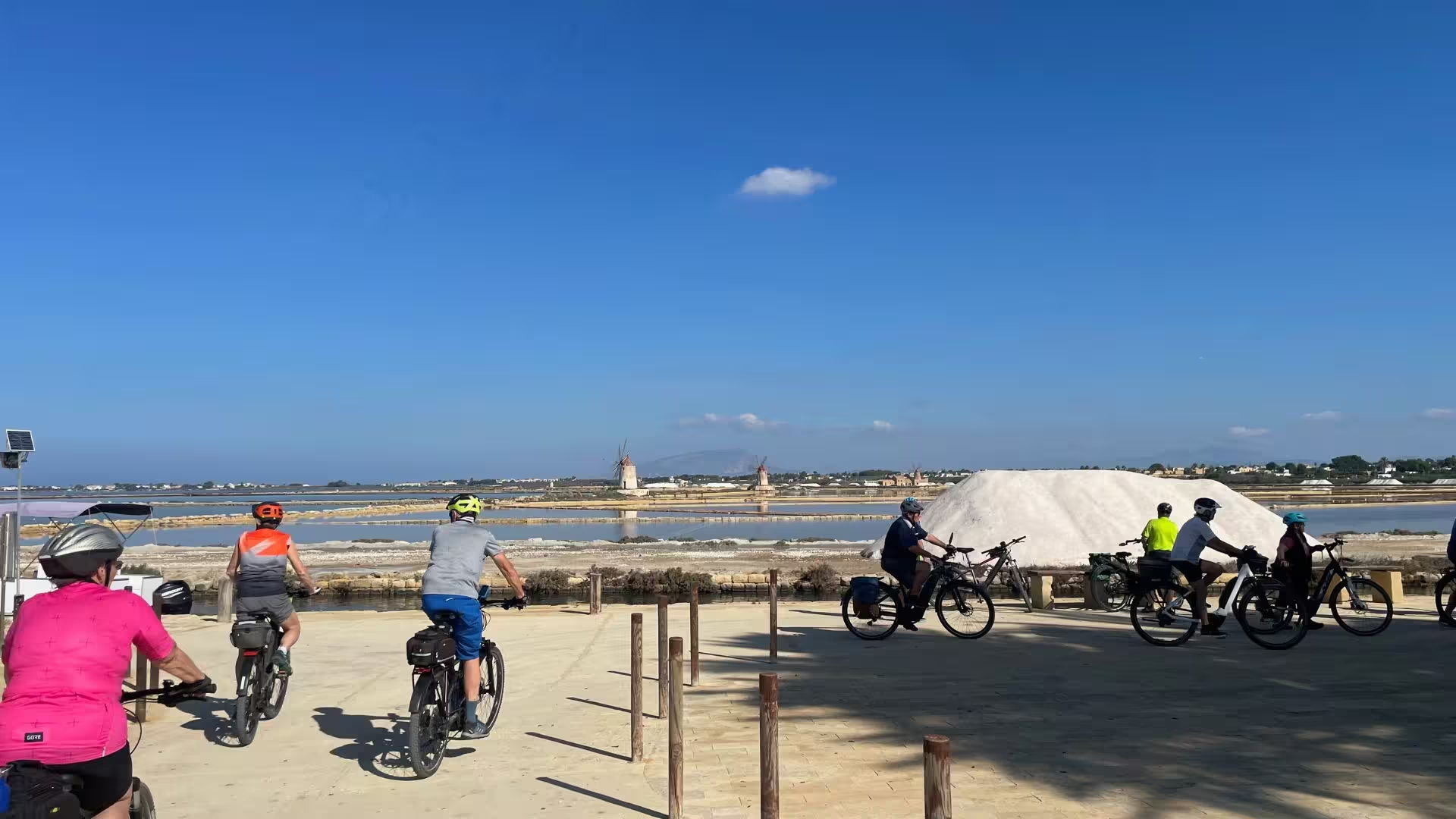
If you would rather pedal to salt flats and windmills, the e-bike tour from Trapani to Marsala takes 4 hours and 30 minutes, with electric bike hire provided.
Busiate are curled pasta served with Trapanese pesto, made with garlic, basil, almonds and tomato; the local garlic is the red garlic of Nubia, a Slow Food Presidium. Trapani's couscous is traditionally served with a fish broth.
If wine tasting is what draws you to Marsala, the guided blindfolded tasting explores wine with the help of sensory materials.
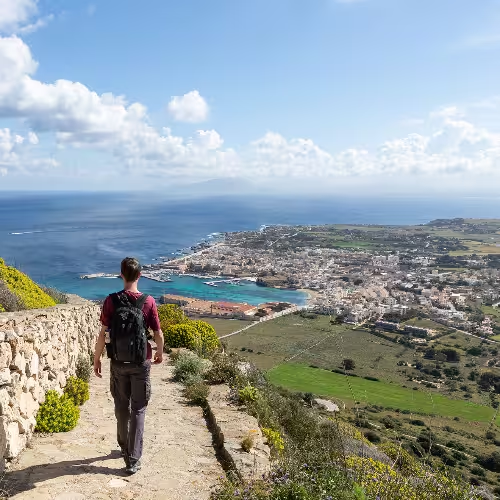
January is an option for walking if you prefer mild weather and can accept rain; July is warmer and much drier. The January monthly average at Trapani Birgi is 11.3 °C, compared with 25.4 °C in July, so the choice involves a clear trade between cooler conditions and summer warmth. Let your tolerance for heat or wet weather shape the balance between walking and museum visits.
Public buses offer a way into Trapani from the airport, and the cable car provides a connection to the summit of Erice.
Yes, the Trapani and Paceco salt pans are a Ramsar site, a wetland of international importance, and they are protected as a nature reserve managed by WWF Italy.
It takes place on Good Friday and concludes within the following 24 hours, with 18 sculptural groups and two sacred effigies.
Yes, a cable car links Trapani with Erice, rising from about 40 metres to 703 metres above sea level in about 10 minutes.
Sources: Ministero della Cultura (cultura.gov.it) (CC BY 3.0): museo-regionale-di-trapani.