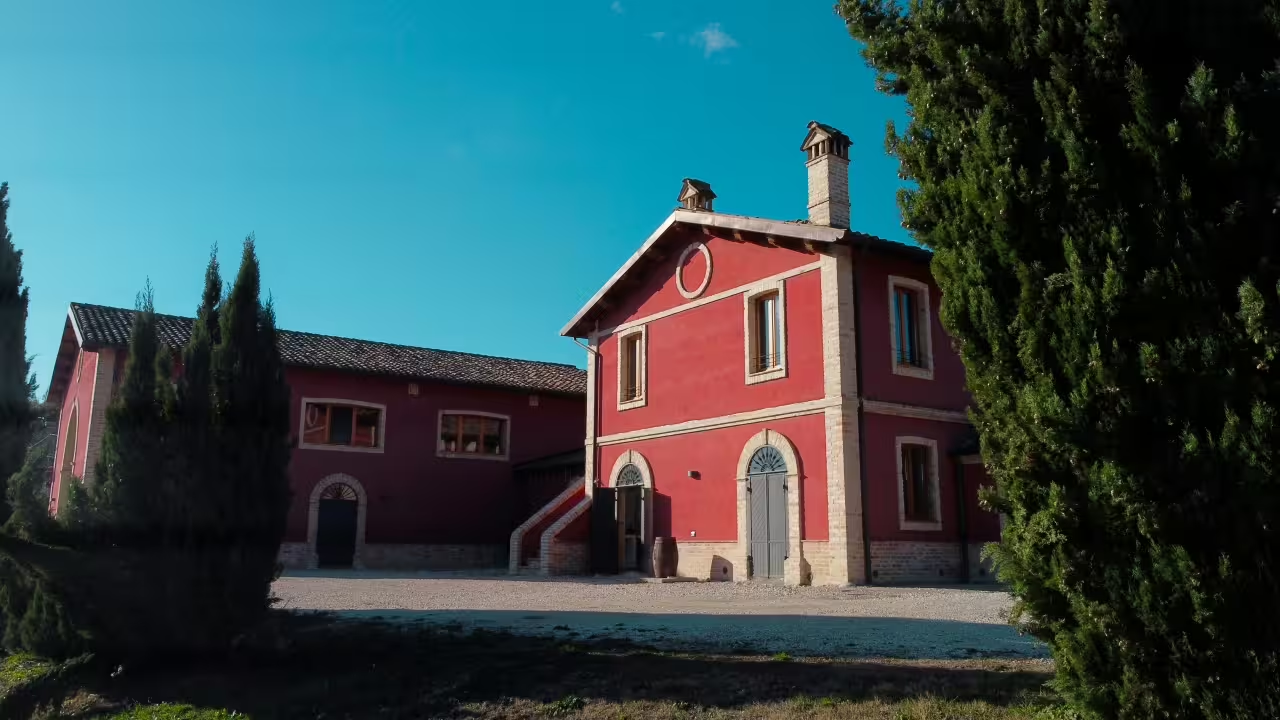
Offida is a small hill town in Italy’s Marche region that rewards slow travel, scenic walks, and a strong sense of local identity. Come for the medieval streetscape and artisan traditions, stay for the food and the easy rhythm of a town that still feels lived in. This guide focuses on practical planning, what to do, what to eat, and how to shape a short trip into a memorable one.
Offida feels intimate and atmospheric, with a historic core built for wandering, long views over the countryside, and a culture that celebrates craft and convivial dining. It is a smart choice when you want a quieter alternative to Italy’s big-name cities while still having plenty to fill a day or a weekend. Go now if you want a destination that supports flexible, low-stress itineraries and pairs well with exploring the wider Marche.
Offida sits in the Province of Ascoli Piceno, in the southern part of the Marche region of central Italy. It is positioned between the Adriatic side of Italy and the inland Apennine landscapes, which makes it easy to combine a hill town stay with coastal stops and countryside drives. For arrivals, most travelers route through regional airports and rail hubs that serve Marche and the central Adriatic corridor, then continue by road into the province.
Spring and early summer are ideal for comfortable walking conditions and clear views across the surrounding hills. Peak summer can bring higher temperatures and more visitors in the wider Adriatic area, so plan sightseeing for mornings and late afternoons. Autumn is a strong choice for food-focused travel and calmer streets, while winter suits travelers who prefer a quieter atmosphere and do not mind shorter days.
Italy uses the euro, and Offida works well for travelers who like to keep spending simple, with most costs concentrated on meals, local tastings, and transport. Cards are widely used in Italy, but it is still wise to carry some cash for small purchases and quick stops. If you are planning a multi-stop itinerary in the Marche or the Province of Ascoli Piceno, set a daily buffer for parking and short taxi rides, especially if you are not driving.
These experiences are designed to help you understand the town’s character and make the most of limited time. They also suit different travel styles, from photography and history to food and craft.
1) Walk the historic center slowly
The core of Offida is best experienced on foot, because the appeal is the sequence of narrow streets, small squares, and viewpoints that open unexpectedly. The town’s medieval feel is part architecture and part daily life, with locals using the same routes you will take between cafés and shops. Practical tip: aim for early morning or golden hour for softer light and fewer people in photos.
2) Look for artisan workshops and local craft culture
One of the defining reasons to visit is the sense of craft tradition, where handmade work is part of the town’s identity rather than a souvenir trend. Browsing workshops adds depth to a short visit and makes your trip feel connected to place. Practical tip: if you see a small studio open, step in politely and ask questions, it is often the best way to learn what is locally made.
3) Prioritize viewpoints over checklists
Hill towns in Marche are about perspective, and Offida offers that satisfying mix of rooftops, countryside, and distant ridgelines. Even without a long list of monuments, the scenery itself becomes a highlight and helps you understand the geography of the Province of Ascoli Piceno. Practical tip: carry a light layer even in warmer months, breezes can pick up at exposed panoramic points.
4) Plan a food-first afternoon
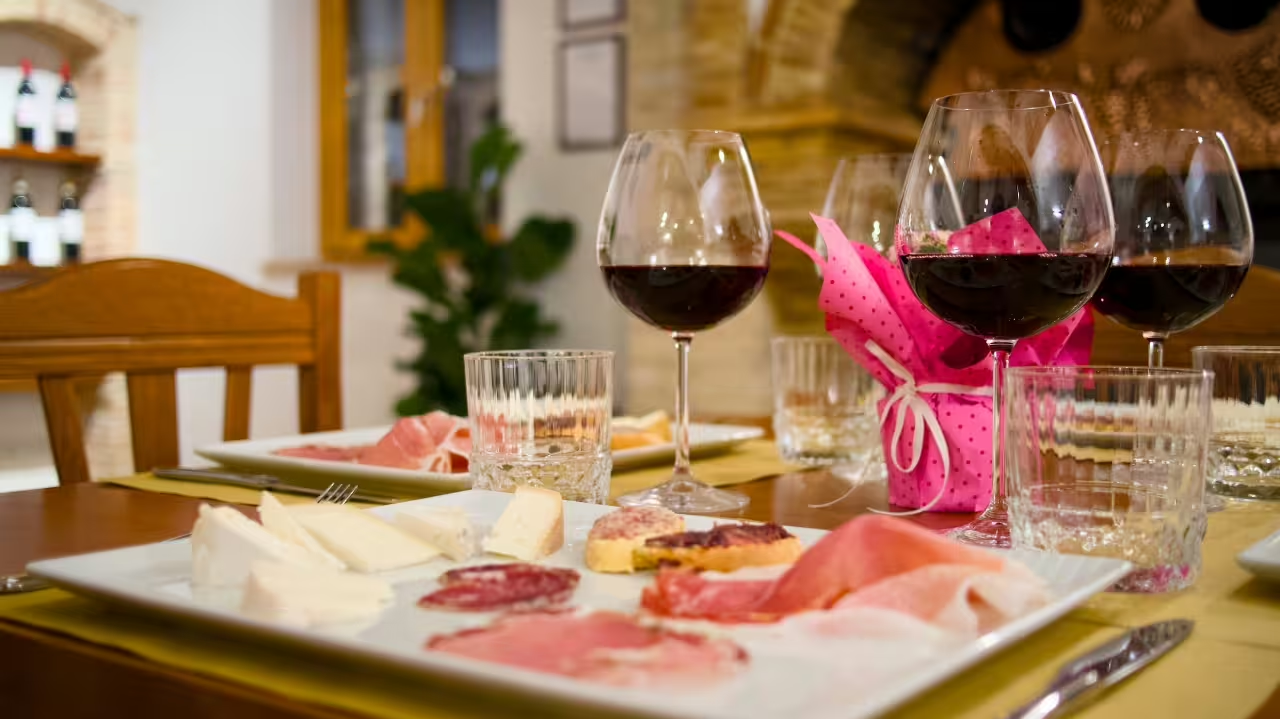
A well-paced afternoon built around a long lunch or early dinner is one of the most reliable ways to enjoy Offida. The town’s culinary culture feels social and unhurried, which pairs well with a short walk before and after. Practical tip: choose one main meal to linger over, then keep the rest of the day flexible for snacks and tastings.
5) Build a mini photo route
Instead of trying to photograph everything, pick a simple loop that connects a couple of scenic streets, a viewpoint, and a central square. This keeps you from backtracking and helps you notice details like stone textures, doorways, and everyday scenes. Practical tip: if you are visiting in summer, schedule your loop for later in the day to avoid harsh midday contrast.
6) Pair the town with a countryside drive
The surrounding landscapes are a major part of the experience, and a short drive helps you see how Offida sits in its wider setting. This is particularly satisfying if you enjoy rural scenery and want to combine hill towns with the Adriatic side of Italy. Practical tip: keep your route short and scenic, and plan one stop for a viewpoint rather than trying to cover too much ground.
7) Use Offida as a base for the Marche
If your trip includes multiple stops, Offida can work as a calm anchor point between busier coastal areas and inland exploration. Staying in a smaller town can make evenings feel more relaxed and can reduce the pressure to constantly move. Practical tip: map your must-sees in the Marche first, then choose day trips that cluster in the same direction to cut down on drive time.
8) Choose one “deep interest” theme
The best short trips often have a theme, like local food, craft, or photography, and Offida supports that kind of focused travel. A theme makes planning easier and helps you avoid rushed sightseeing. Practical tip: decide your theme before you arrive, then let the day flow around it.
Start with a morning walk through the historic center while the streets are calm and the light is soft. Build your route around a couple of viewpoints, then pause for a coffee and a short rest before lunch. After a long meal, browse artisan spaces or small shops, then finish with a late afternoon stroll and a final panorama before dinner.
Day 1 follows the highlights route, with extra time for slow wandering and a longer meal. Day 2 adds a countryside loop and a nearby town visit in the Province of Ascoli Piceno, then returns to Offida for a relaxed evening. If you have a third day, keep it flexible for food-focused stops, photography at different times of day, and a second day trip toward the Adriatic side of the Marche.
Food in this part of Italy tends to be comforting, seasonal, and designed for sharing. Use these ideas as a tasting checklist, then ask what is local and in season when you sit down.
Offida is most enjoyable on foot once you are in the historic center, because the streets are compact and the experience is built around walking. For arrivals and day trips, a car can make logistics easier in the Province of Ascoli Piceno, especially if you want to link multiple small towns or countryside viewpoints in one day. If you are not driving, plan your trip around fewer stops and allow extra time for connections, and consider taxis for short hops when schedules are limited.
Wear comfortable shoes with grip, hill towns often include uneven surfaces and short climbs. If mobility is a concern, plan a route that focuses on the most accessible streets and build in more café breaks, the experience can still be rewarding without covering every lane.
Yes, it suits a one-day visit focused on walking, viewpoints, and a long meal. It also works well as a calm base for 2 to 3 days if you add day trips in the surrounding province.
The historic center is best on foot, because the experience is built around compact streets and short scenic routes. For day trips and countryside viewpoints, a car or occasional taxi can simplify logistics.
Early morning and late afternoon typically give softer light and a calmer feel. In warmer months, these times are also more comfortable for longer walks.
Cards are common in Italy, but having some cash helps with small purchases and quick stops. It is a simple way to keep your day flexible without worrying about minimum card payments.
Yes, Offida pairs naturally with coastal towns in the Marche because the region offers easy contrasts between hill towns and seaside promenades. Plan one coastal day and keep the rest of your time for slow exploration inland.