Province of Ascoli Piceno is a corner of southern Marche where medieval stone towns, river valleys, and the first folds of the Apennines create a travel experience that feels both cultured and outdoorsy. This guide focuses on practical decision making, what to do, how to get around, and how to plan your days so you can confidently explore at your own pace. Expect elegant piazzas, layered history, and food traditions that are proudly local.
In the Province of Ascoli Piceno, the signature vibe is refined and authentic, think travertine streets, lively cafés, and a landscape that shifts quickly from hill towns to mountain scenery. Go now if you want an Italy itinerary with fewer crowds than the headline cities, while still getting a strong sense of regional identity. It is an easy place to build a trip around slow mornings, scenic drives, and evenings that revolve around local dishes and conversation.
Province of Ascoli Piceno sits in the southern part of the Marche region in central Italy, close to the Apennine range and within reach of the Adriatic side of the country. For planning, think of it as a base that connects historic inland towns with mountain landscapes and nearby coastal access. Typical gateways for visitors include regional rail and road hubs in Marche, plus larger airport options in central Italy that can be paired with a train or car rental for the final leg.
Spring and early summer are ideal for walking and town hopping, with comfortable temperatures and longer daylight for piazza time. Mid summer tends to bring higher demand and a busier feel, especially in popular areas, so booking accommodation earlier helps. Autumn is excellent for food focused travel and scenic drives, while winter leans quieter and works best if your goal is a calm cultural break rather than a packed sightseeing schedule.
Italy uses the euro, and you will find that spending in the Province of Ascoli Piceno can feel more approachable than in the country’s biggest tourist centers, especially for everyday meals and casual café stops. Cards are widely used, but carrying some cash is useful for small purchases, markets, and quick snacks. A simple money strategy is to use a no fee card for most payments, then withdraw a modest amount of cash for the day to avoid repeated ATM stops.
Explore Ascoli Piceno’s historic center. The old town is the cultural anchor of the area, with a strong sense of place shaped by stone architecture and a tradition of social life in the main squares. It is the easiest way to understand local rhythm, from morning coffee to evening strolls. Practical tip, start early for quieter photos, then return later when the atmosphere becomes more animated.
Spend time in Piazza del Popolo. This is the kind of square that rewards lingering, the details, the symmetry, and the way daily life plays out around you. It is a natural meeting point and a simple way to feel the town’s elegance without a strict itinerary. Practical tip, choose a café table for people watching, then do a second lap on foot to notice architectural details.
Try olive all’ascolana where it was born. This local specialty is a must for understanding the area’s flavors, savory, rich, and designed for sharing. Sampling it in its home territory adds context, it is not just a snack, it is part of local identity. Practical tip, order it as part of an aperitivo style spread so you can compare it with other small plates.
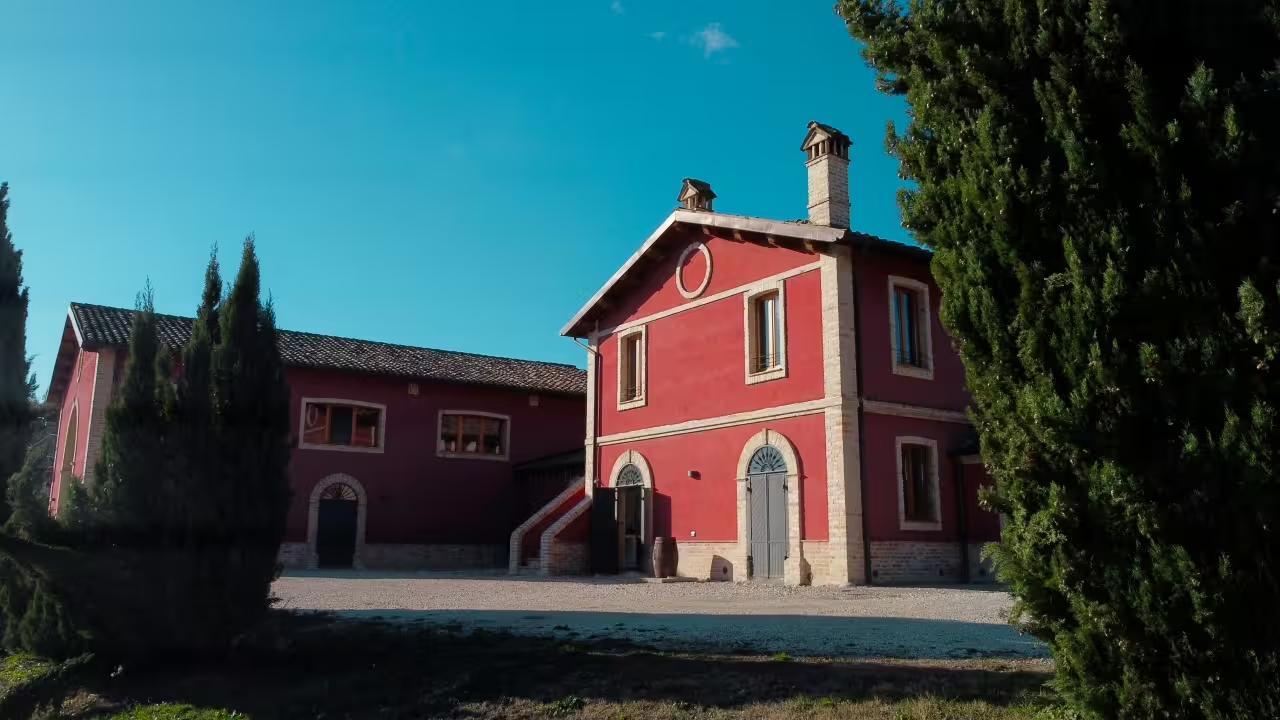
Visit hill towns and stone villages. The inland landscape is dotted with smaller communities where the pace slows and viewpoints open up across valleys and ridgelines. These stops add variety to a city centered trip and help you see how history and geography shaped settlement patterns. Practical tip, pair one village visit with a scenic drive, then plan a relaxed lunch rather than rushing to multiple stops.
Head toward the Apennines for nature time. The province’s proximity to the mountains makes it easy to balance culture with fresh air, even on a short trip. A half day outdoors changes the feel of your itinerary and highlights how quickly the scenery shifts in Marche. Practical tip, pack layers and comfortable shoes, then aim for a morning outing to keep the afternoon flexible.
Follow a “travertine and traditions” photo walk. The pale stone used across the area gives streets and buildings a distinctive look that photographs beautifully in soft light. A themed walk keeps your exploration focused while still leaving room for spontaneous discoveries. Practical tip, go during late afternoon for warmer tones, then stay into evening when the streets feel most atmospheric.
Plan a food first evening. Dining is one of the most reliable pleasures here, and building an evening around local dishes helps you connect with the region’s character. You will often find that simple preparations reveal the quality of ingredients and the pride in tradition. Practical tip, ask for the house specialties, then order one dish to share so you can try more than one local favorite.
Use the province as a base for slow travel. The Province of Ascoli Piceno works well as a hub, you can sleep in one place and take short excursions, returning for dinner and a familiar evening routine. This approach reduces packing stress and helps you see more with less effort. Practical tip, choose accommodation with easy parking or walkable access to the center, depending on whether you plan to drive.
Start in Ascoli Piceno with a focused walk through the historic center, then dedicate time to Piazza del Popolo for coffee and a slow look at the architectural details. Build your midday around a local lunch and a tasting of olive all’ascolana, then spend the afternoon on a short hill town loop for views and a change of pace. Return to town for an evening passeggiata and a relaxed dinner that leans into regional dishes.
Day one follows the highlights but adds extra time for museums, churches, and side streets so you can absorb the city’s layers without rushing. Day two shifts outward, plan a scenic drive through the countryside with one or two village stops, then make the evening food focused with a longer meal and local wine. If you have a third day, aim for an Apennine outing for nature and viewpoints, then finish back in town with a final piazza session that feels like a ritual rather than a checklist.
Olive all’ascolana. Fried and savory, this is the signature bite that locals treat as both comfort food and pride point. Ordering tip, ask for it as part of an aperitivo so it arrives with other small plates and feels naturally social.
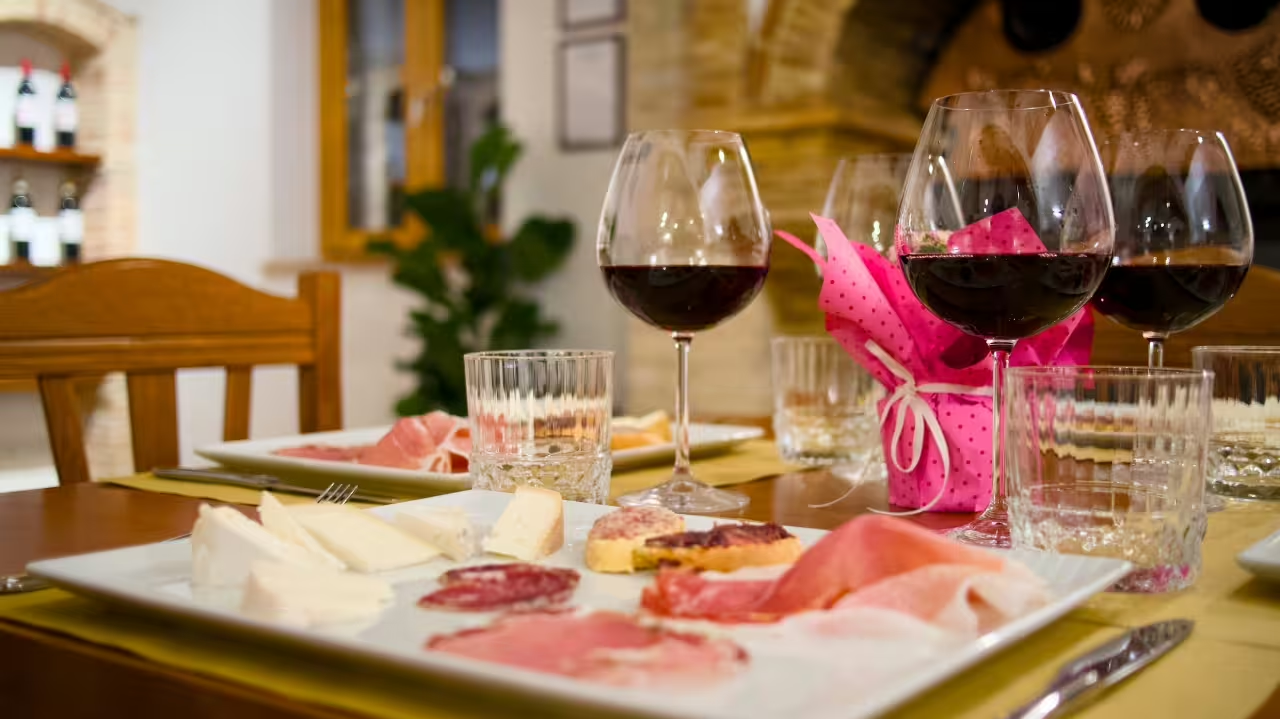
Local cured meats and cheeses. You will often find boards designed for sharing, with flavors that range from delicate to deeply seasoned. Ordering tip, request a mixed selection so you can sample a range without committing to one item.
Seasonal pasta dishes. Many menus lean on seasonal ingredients, which keeps meals tied to the time of year and the surrounding countryside. Ordering tip, ask what is most typical today, then choose one pasta and one second course to balance the meal.
Rustic soups and legumes. Inland traditions often favor warming, hearty bowls that feel especially satisfying in cooler months. Ordering tip, if you want the most local experience, choose the soup that the staff describes as “traditional” rather than the most familiar name.
Grilled meats. The area’s inland character often shows up in straightforward, well cooked meat dishes that pair well with local sides. Ordering tip, ask about portion size if you are ordering multiple courses, then share if you want variety.
Local desserts and café culture. A sweet bite with espresso is part of the daily rhythm, especially after a meal or during an afternoon break. Ordering tip, stand at the counter if you want a quick stop, or sit if you want the full piazza experience.
In the main towns, walking is the most rewarding way to explore, especially in historic centers where streets are compact and full of details. For moving between villages and countryside viewpoints, a car is often the most practical choice because it gives you control over timing and allows spontaneous stops. If you prefer not to drive, plan around train and bus links where available, and keep your day trip ambitions realistic so you are not spending the day watching the clock.
For safety and comfort, wear shoes with grip on stone streets, and keep a light layer for evenings when temperatures drop. If accessibility is a concern, note that older centers can include steps and uneven pavement, so choosing centrally located accommodation and planning shorter walking loops can make the experience smoother.
Apennine landscapes. A day in the mountains adds fresh air, big views, and a different perspective on Marche’s geography. Travel time varies by route, so plan the outing as a half day or full day depending on how far you want to go.
Hill town viewpoints. Short drives can take you to elevated villages where the main reward is the panorama and the feeling of stepping into a smaller, quieter Italy. Keep it simple by pairing one viewpoint stop with a long lunch.
Countryside routes and farm country. The roads between towns are part of the experience, with changing scenery that makes even a short drive feel like a mini adventure. Build in time for photo stops, then return before dark if you prefer less stressful driving.
Nearby Marche cultural towns. If you want variety, add one additional town day trip for a second historic center and a new set of cafés and local flavors. Plan it on a weekday if possible for a calmer feel.
Walking is the most enjoyable option because the streets are compact and full of architectural details. Start earlier in the day for quieter lanes, then return in the evening for a livelier piazza atmosphere.
One day covers the main highlights of Ascoli Piceno and a short countryside loop. Two to three days lets you add hill towns, a slower food focused pace, and a nature outing toward the Apennines.
A car is often the most practical choice for villages and countryside viewpoints because it gives you control over timing. If you do not drive, plan fewer excursions and rely on available train or bus links where they fit your route.
Olive all’ascolana is the signature specialty and is ideal as a shared snack or aperitivo bite. Also look for seasonal pasta, local cured meats, and rustic soups that reflect inland traditions.
Yes, the Province of Ascoli Piceno works well as a hub where you can sleep in one place and take short drives or transit trips. This approach reduces packing stress and makes evenings more relaxed.