Thingvellir National Park is Iceland's most historically and geologically significant destination, located on the Mid-Atlantic Ridge where the North American and Eurasian tectonic plates meet. The park encompasses dramatic rift valleys, pristine lakes, and the historic Althing parliament site, making it a UNESCO World Heritage Site and essential Icelandic experience.
What to see in Thingvellir National Park
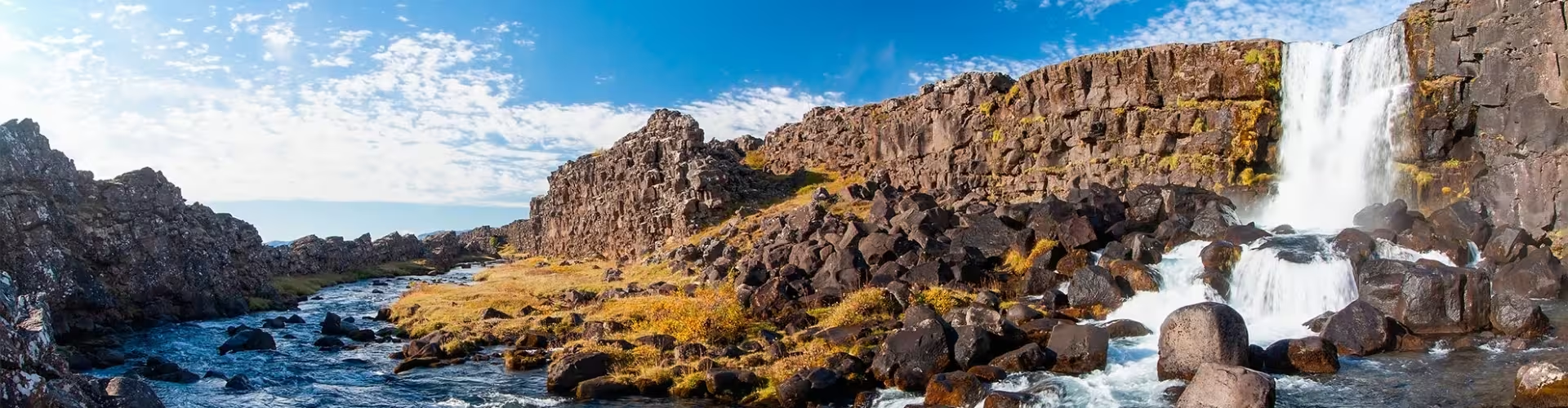
Visitors should not miss the Almannagjá fault, a visible crack in the earth created by continental drift, and Oxarárfoss waterfall cascading into the rift valley. The park also features the clear waters of Silfra, a fissure lake renowned for its exceptional visibility and unique geological formations.
Things to do in Thingvellir National Park
Popular activities include snorkeling or diving in Silfra between the tectonic plates, hiking the scenic trails through the rift valley, and exploring the historical Althing ruins. Guided tours and photography opportunities abound throughout the park's stunning landscape.
Iceland's Geological Wonder and Historical Significance
Thingvellir is home to the world's oldest parliament, the Althing, established in 930 AD at this dramatic location. The park remains a symbol of Icelandic heritage and geological education, attracting visitors worldwide.
Thingvellir National Park is located in southwestern Iceland, approximately 40 kilometers northeast of Reykjavik. The park sits directly on the Mid-Atlantic Ridge, marking the boundary between the North American and Eurasian tectonic plates. Its dramatic rift valley landscape and pristine waterways make it one of Iceland's most visited natural attractions and a key component of the Golden Circle tourist route.
Geological landmark, UNESCO World Heritage Site, historical site, adventure destination, natural wonder