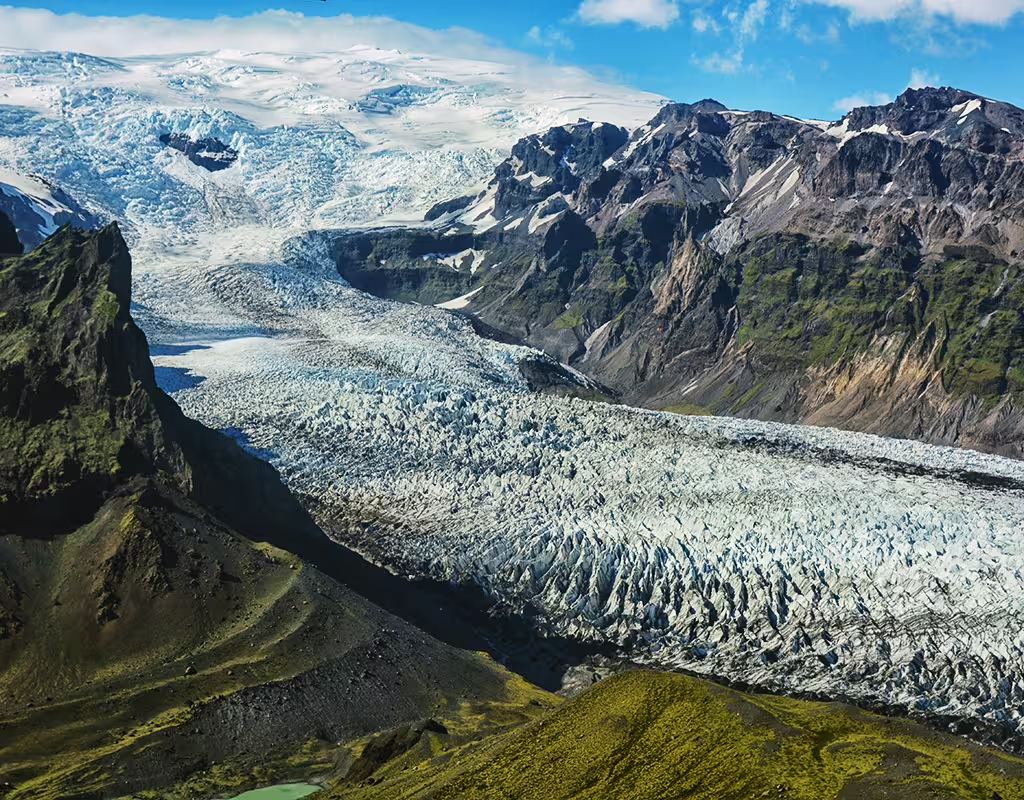
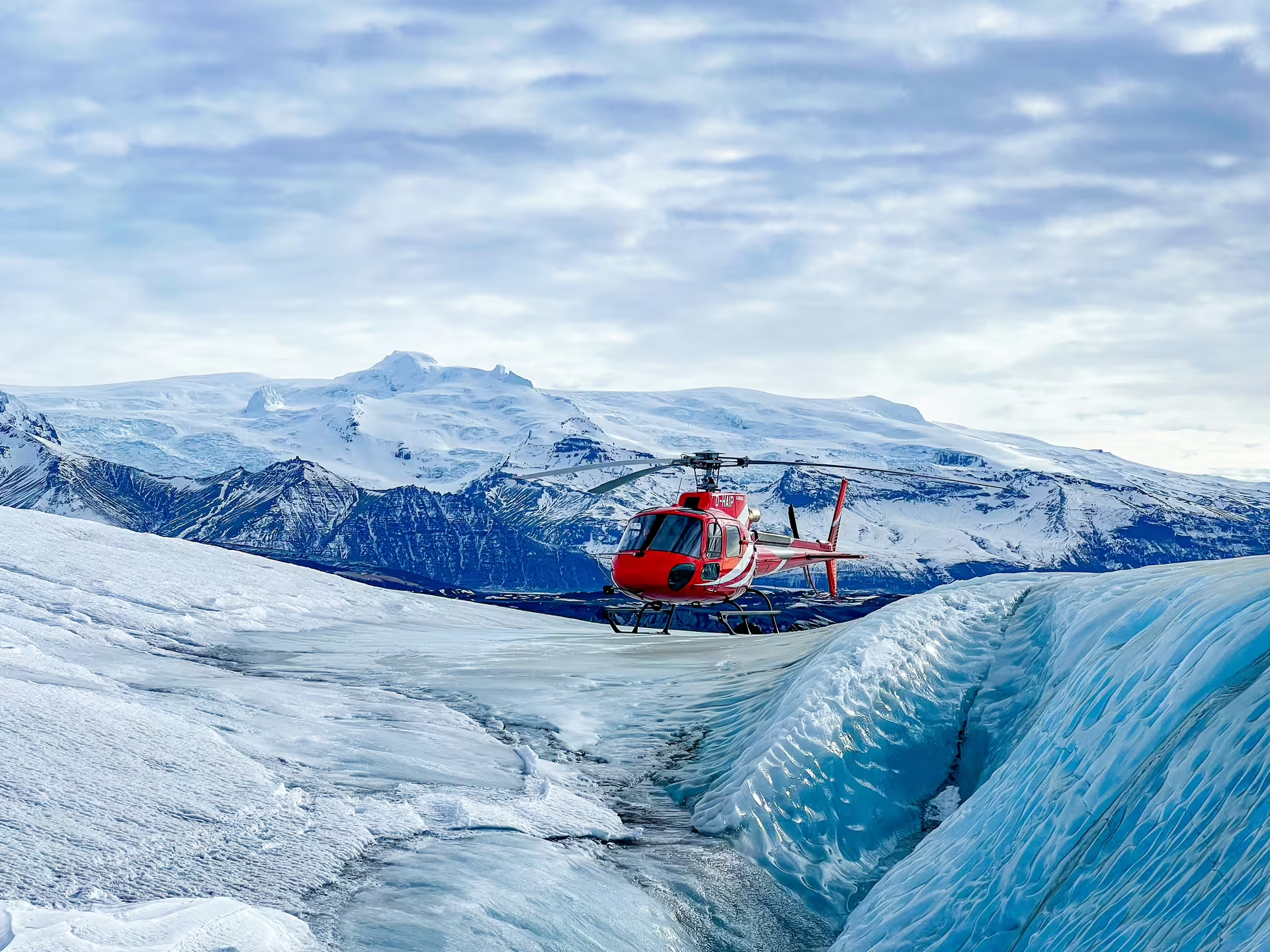
Skaftafell National Park stands as one of Iceland's most spectacular natural destinations, located in the southeastern region near Vatnajökull glacier. This remarkable park combines dramatic ice formations, cascading waterfalls, and pristine wilderness, making it an essential stop for any visitor to Iceland's South Coast.
What to see in Skaftafell National Park
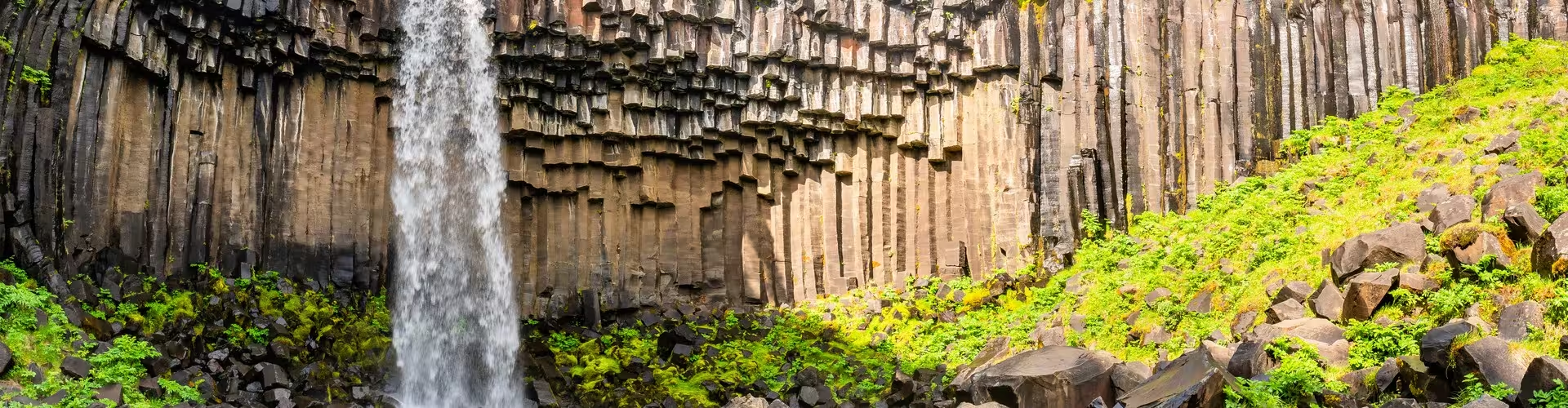
The park showcases some of Iceland's most iconic natural features, including the stunning Svartifoss waterfall with its distinctive black basalt columns and the sprawling Skaftafellsjökull glacier tongue. Visitors can also explore lush birch forests, alpine meadows, and panoramic vistas of the surrounding mountain ranges and ice fields that define this UNESCO World Heritage Site.
Things to do in Skaftafell National Park
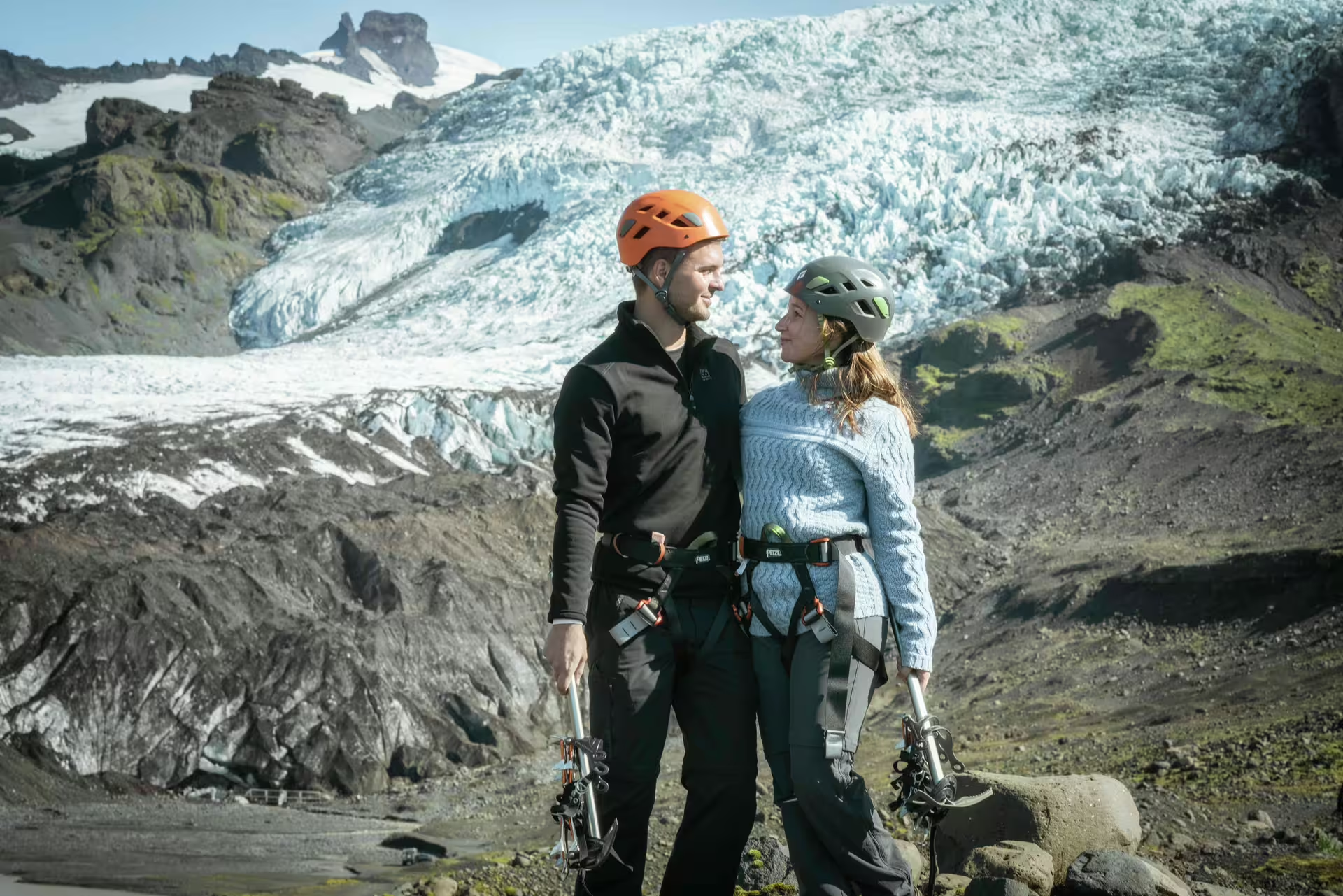
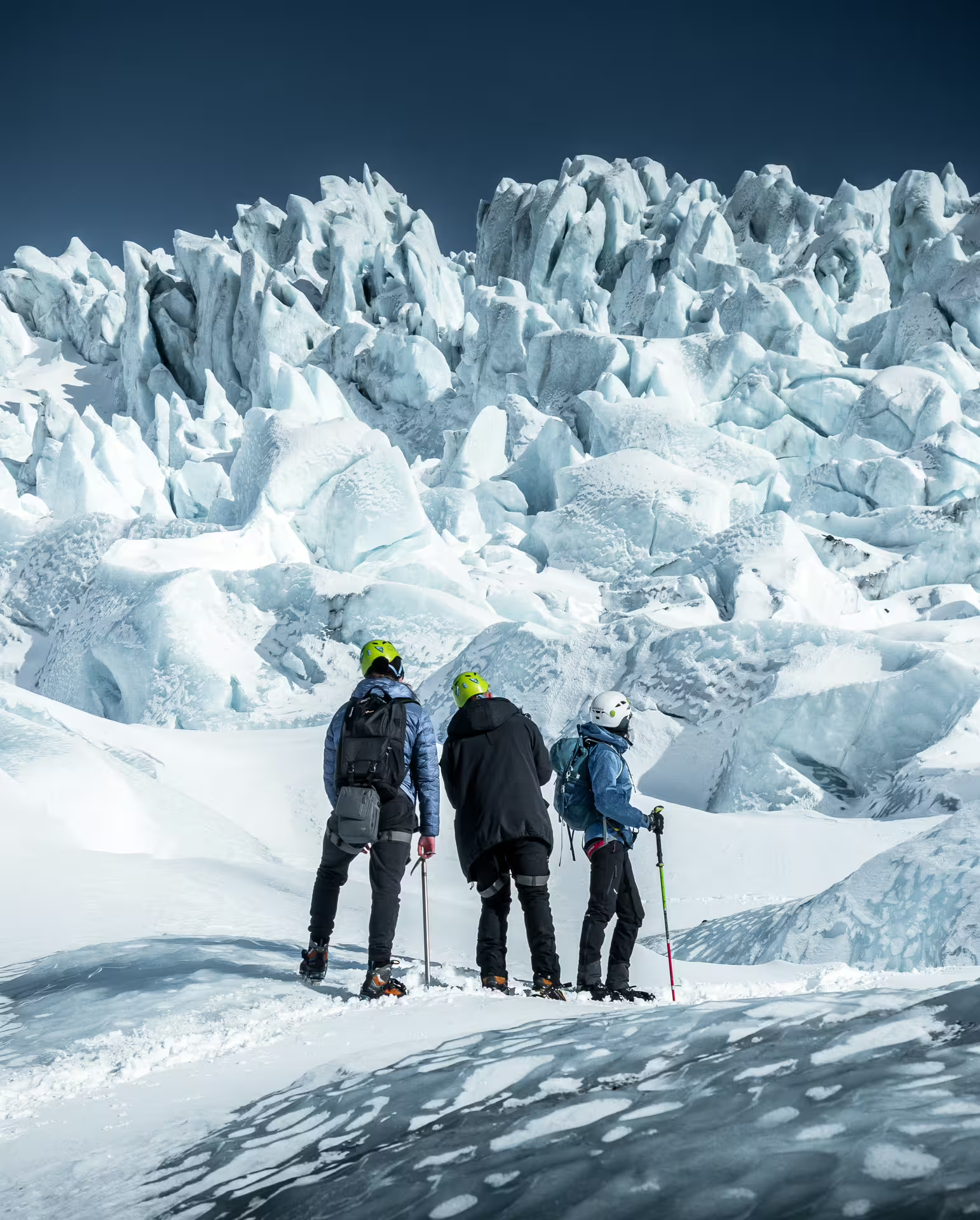
Hiking trails range from easy walks to challenging glacier expeditions, offering experiences for all fitness levels. Popular activities include guided glacier walks, ice climbing adventures, and self-guided day hikes to Svartifoss and other scenic viewpoints throughout the park.
Gateway to Vatnajökull
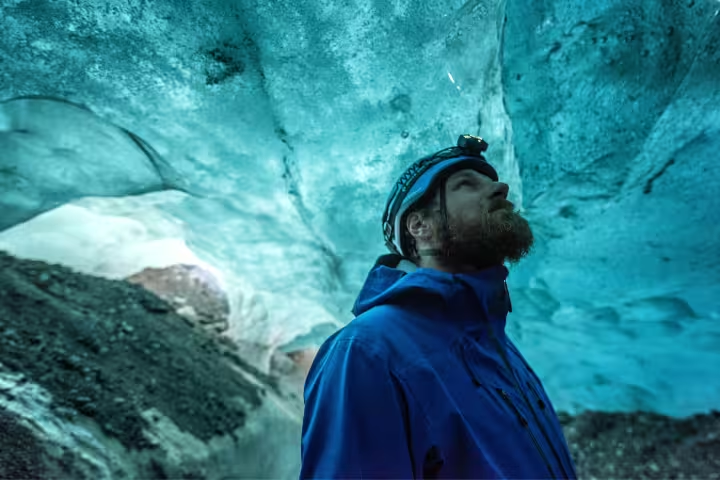
Skaftafell serves as the primary base for exploring Vatnajökull, Europe's largest glacier system. The park's location provides exceptional access to ice cave tours and glacier hiking expeditions that showcase the dramatic interplay between ice and volcanic terrain.
Skaftafell National Park is located in southeastern Iceland within the Vatnajökull region, serving as the main gateway to Europe's largest glacier system. The park sits approximately 250 kilometers southeast of Reykjavik and is accessible year-round via the Ring Road (Route 1). Its strategic location makes it an essential stop on Iceland's South Coast, positioned between Höfn and Jökulsárlón Glacier Lagoon.
Skaftafell National Park represents the intersection of Iceland's volcanic and glacial landscapes, showcasing how ice and fire have shaped the Nordic environment. The park exemplifies Iceland's commitment to preserving pristine wilderness areas and provides critical infrastructure for sustainable tourism in one of Europe's most remote regions.