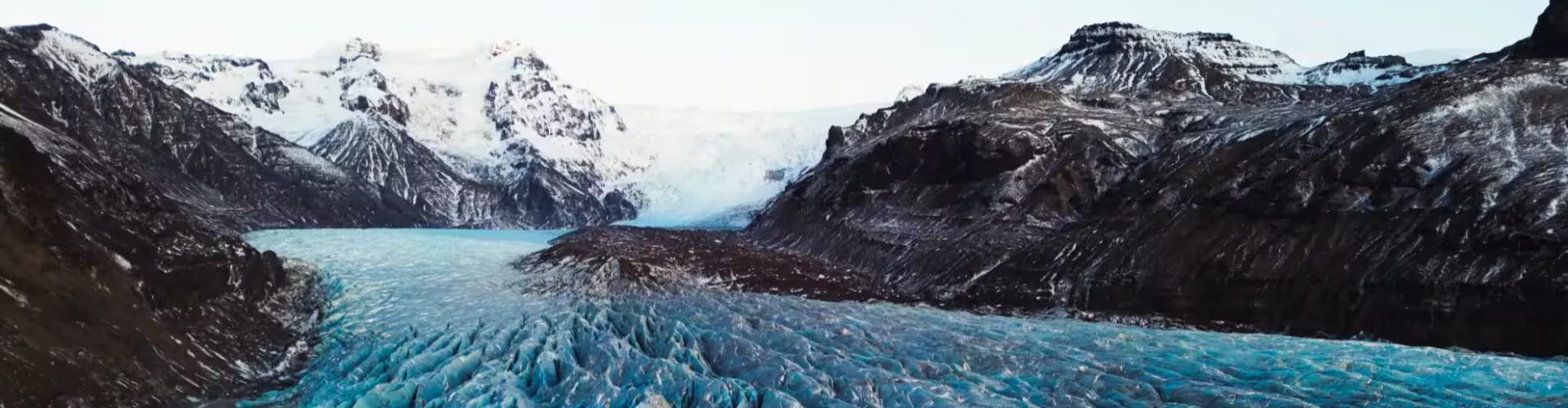
Flaajökull is a striking glacier located in southeastern Iceland, near the town of Höfn. This outlet glacier of Vatnajökull, Europe's largest ice cap, captivates visitors with its dramatic blue ice formations and pristine arctic landscape. The glacier's dynamic terrain and accessible viewpoints make it a must-see destination for those exploring Iceland's natural wonders.
What to see in Flaajökull
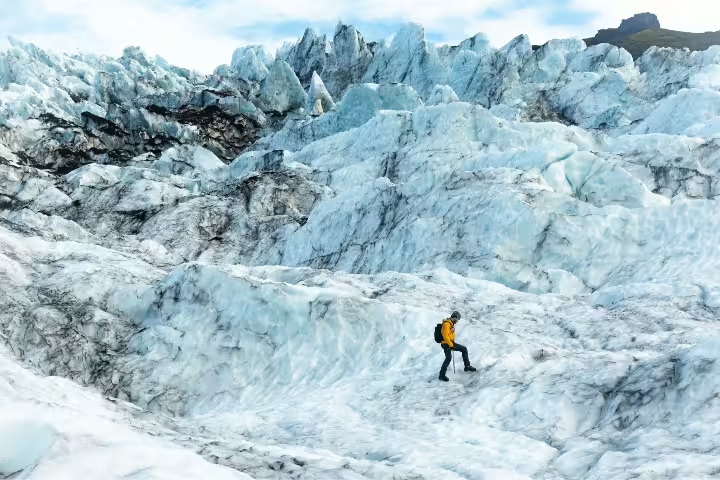
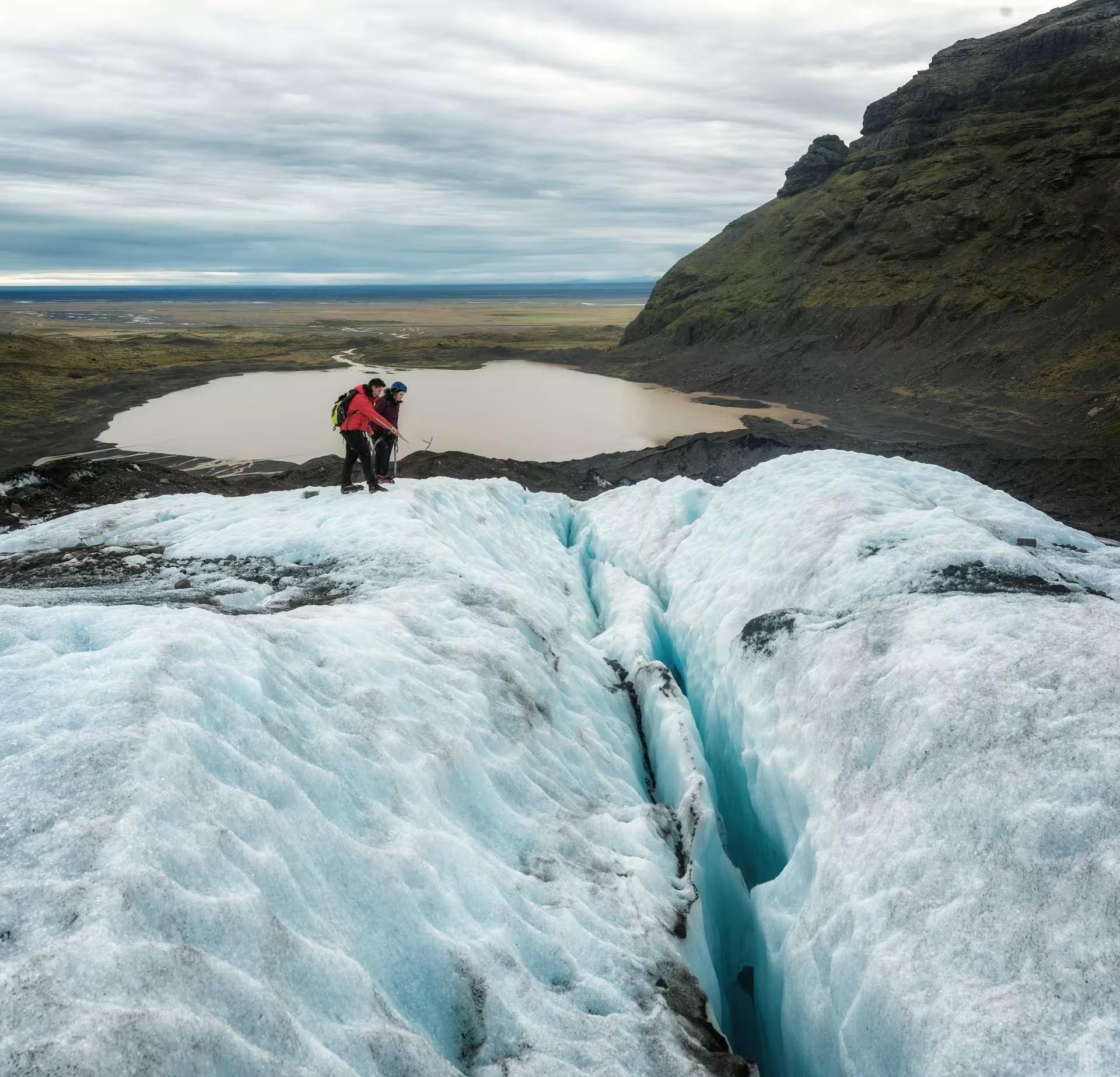
Visitors can observe the glacier's impressive ice formations, including crevasses and seracs that shift with seasonal changes. The glacier's terminus and surrounding moraines provide excellent vantage points for photography and observation. The turquoise glacial meltwater lakes that form near the glacier's edge create stunning contrasts against the white ice.
Things to do in Flaajökull
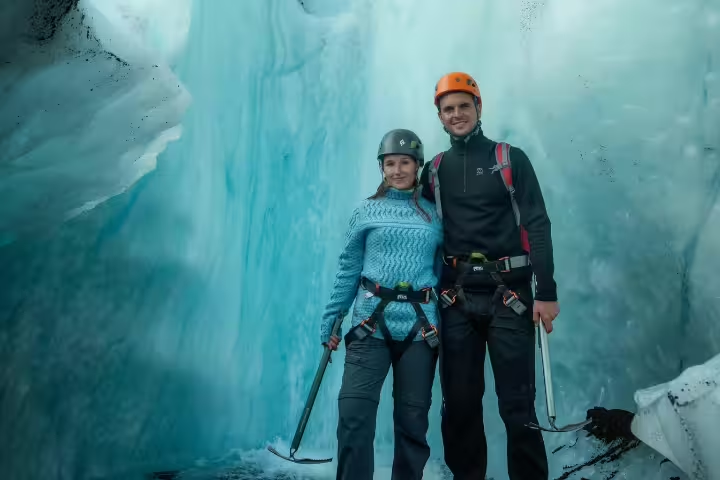
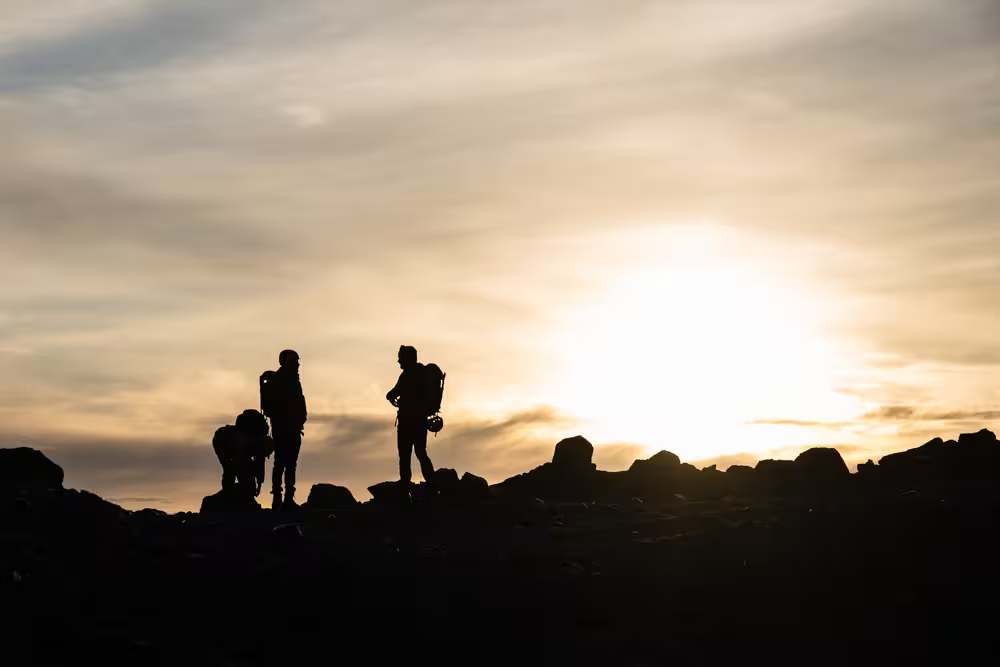
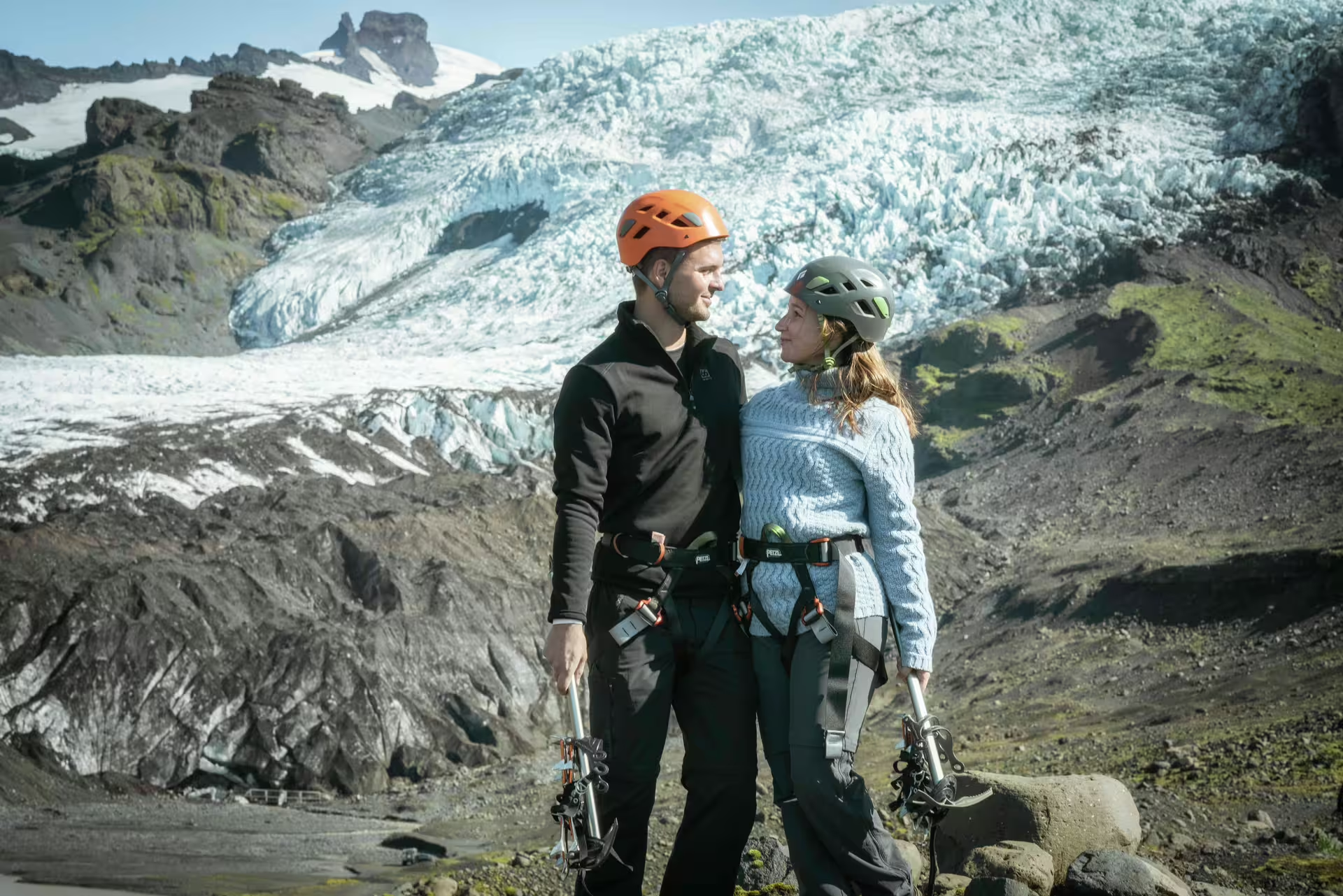
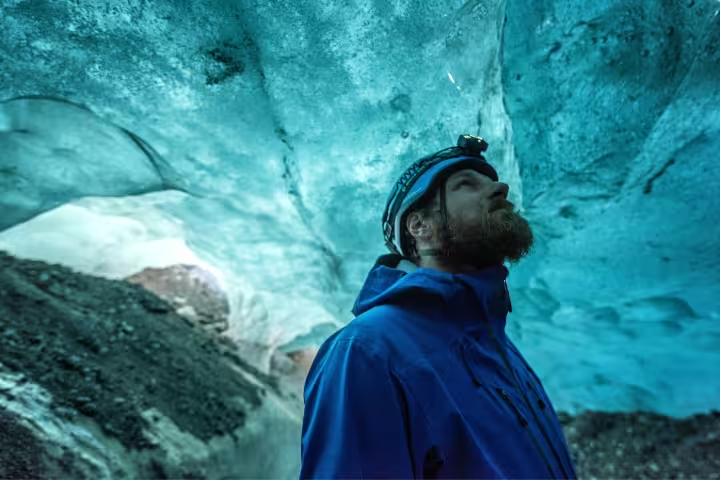
Guided glacier hiking tours allow visitors to trek across the ice and explore crevasses safely with experienced guides. Scenic drives along Route 1 provide accessible viewpoints for those preferring non-strenuous visits. Photography expeditions capture the glacier's constantly changing landscape, while summer visits offer the best conditions for exploration and observation.
Glacial Hiking and Arctic Exploration
Flaajökull offers some of Iceland's most accessible glacier hiking experiences, where visitors can venture onto the ice with professional guides trained in glacial terrain. The region serves as an excellent base for exploring Vatnajökull National Park and understanding Iceland's glacial systems and climate dynamics.
Flaajökull is located in southeastern Iceland near the town of Höfn, positioned as an outlet glacier of Vatnajökull, Europe's largest ice cap. The glacier lies within accessible distance of Route 1 (the Ring Road), making it a convenient stop for travelers exploring Iceland's south and east regions. The area sits at the gateway to Vatnajökull National Park and provides access to multiple glacial viewpoints and hiking routes throughout the region.
Flaajökull represents a prime example of Iceland's dynamic glacial systems and serves as an educational destination for understanding climate, glacial processes, and arctic ecosystems. The glacier's accessibility and proximity to major tourist routes make it a cornerstone of Iceland's glacier tourism infrastructure, attracting both casual visitors and serious mountaineers seeking authentic glacial experiences.