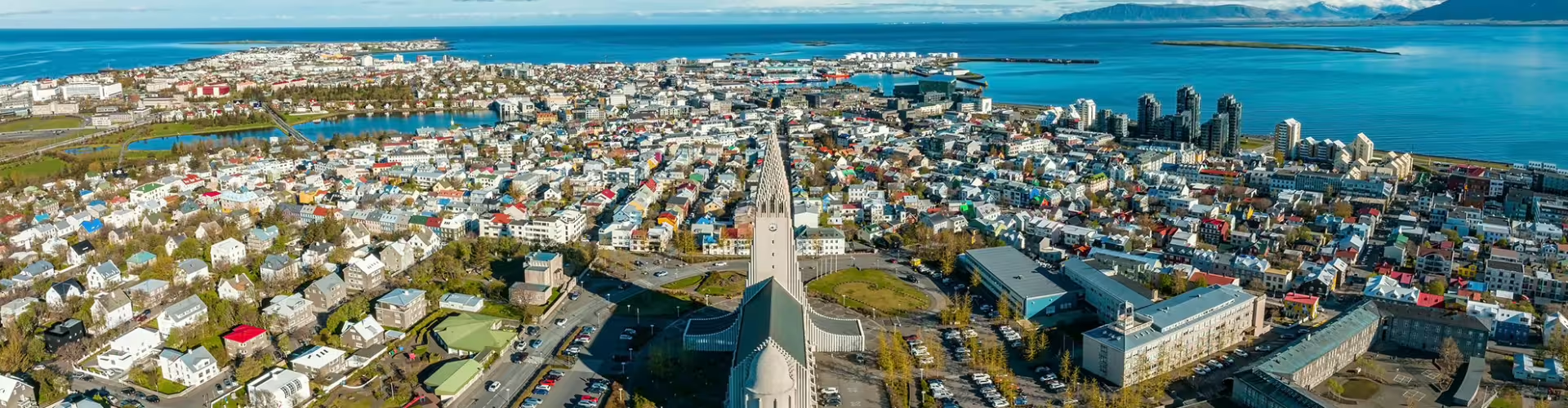
Reykjavik is the vibrant capital of Iceland, located on the southwestern coast and surrounded by dramatic volcanic landscapes and geothermal features. This Nordic city blends modern Scandinavian culture with ancient Viking heritage, anchored by iconic landmarks like Hallgrimskirkja church and the Harpa concert hall.
What to see in Reykjavik
Visitors should not miss Hallgrimskirkja, the striking modernist church that dominates the skyline, along with the Golden Circle route featuring Þingvellir National Park, Geysir geothermal area, and Gullfoss waterfall. The colorful corrugated houses in the old harbor district and innovative museums showcasing Icelandic art and culture are also essential stops.
Things to do in Reykjavik
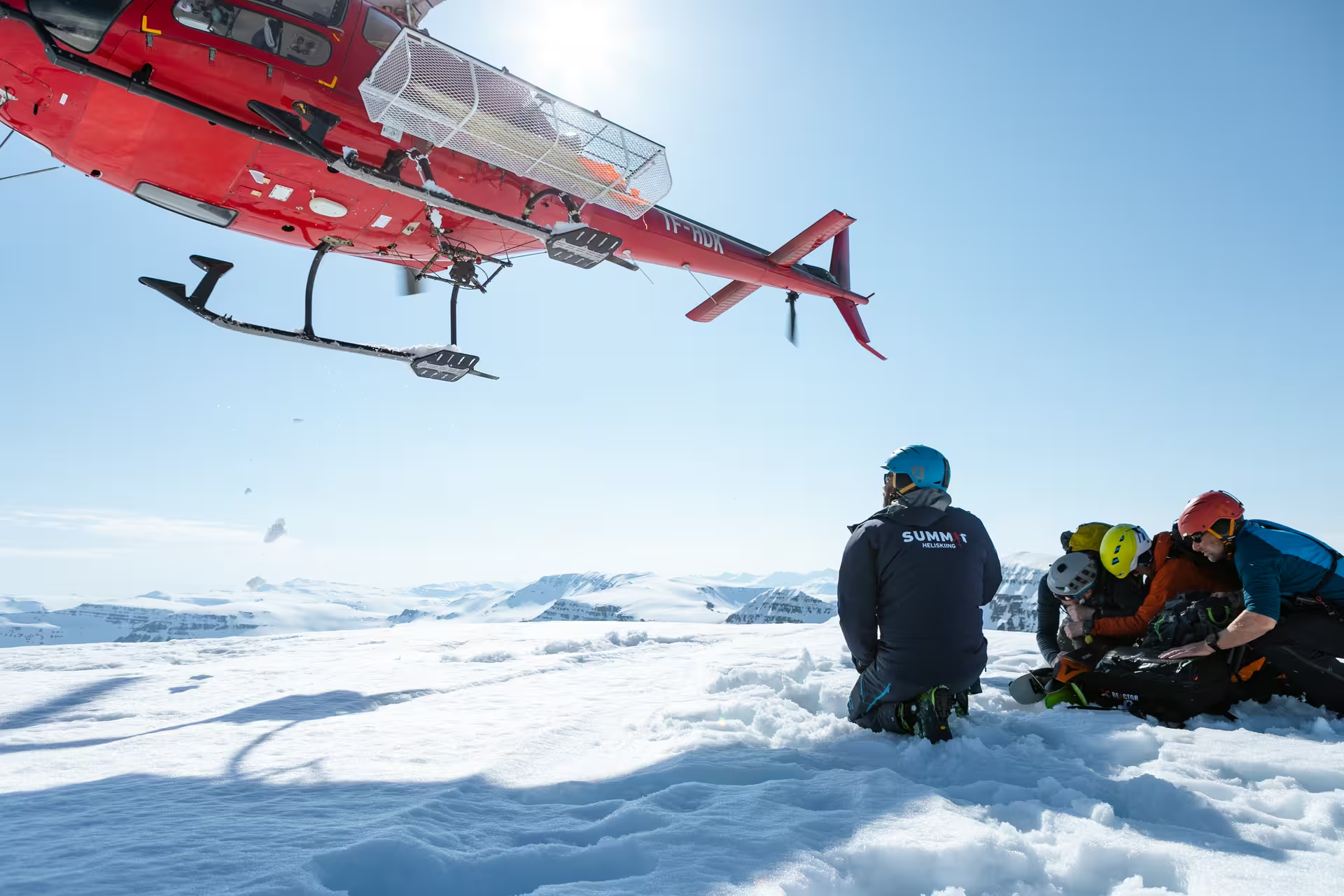
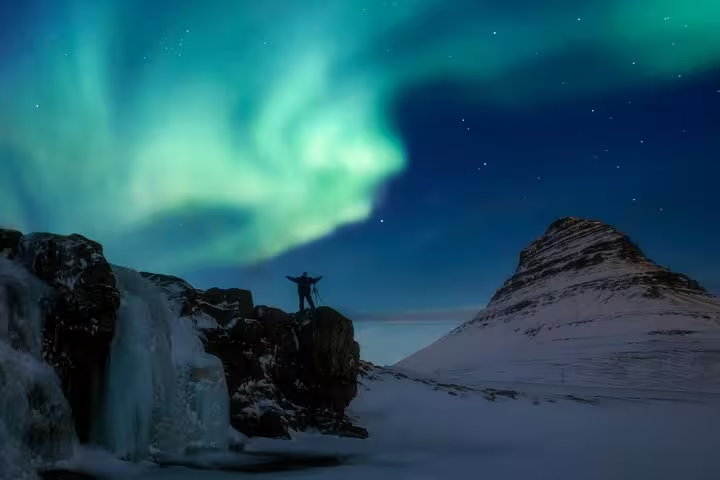
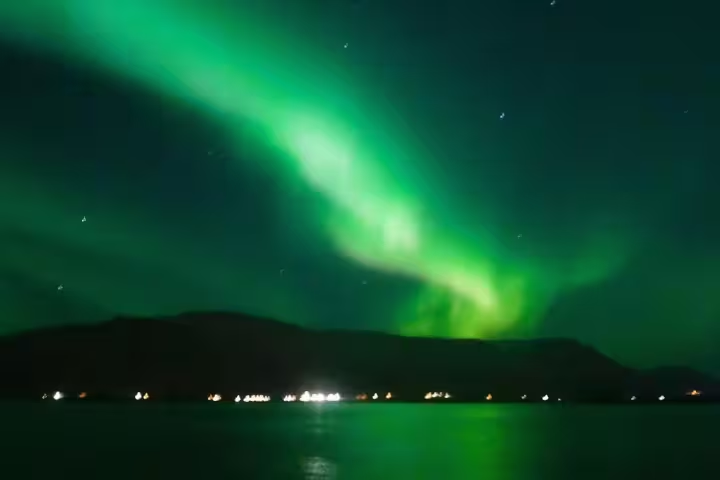
Explore geothermal spas like the Blue Lagoon for relaxation, embark on whale watching tours from the harbor, or take day trips to nearby glaciers and ice caves. The city offers vibrant nightlife, local food markets, and seasonal activities ranging from northern lights viewing in winter to midnight sun experiences in summer.
Icelandic Literary Heritage and Arts Scene
Reykjavik has produced world-renowned authors like Halldór Laxness and maintains a thriving contemporary arts and music culture. The city's independent bookstores, galleries, and festivals celebrate Iceland's rich storytelling tradition and modern creative spirit.
Reykjavik is situated on Iceland's southwestern coast at approximately 64.1 degrees north latitude, making it one of the world's northernmost capital cities. The city benefits from Iceland's unique geothermal energy infrastructure and is the gateway to many natural wonders including the Blue Lagoon, Þingvellir National Park, and glacial regions. Its subarctic climate creates distinct seasonal experiences, from midnight sun in summer to northern lights in winter.
Reykjavik serves as the cultural and economic hub of Iceland, home to approximately 140,000 residents in the metropolitan area. The city is known for its progressive approach to renewable energy, vibrant arts and music scene, and contemporary Nordic design. Its compact downtown area is highly walkable, featuring independent shops, galleries, and restaurants that reflect both traditional Icelandic culture and modern cosmopolitan influences.