Last updated:


Meteora suits a monastery-focused trip, while Volos gives a wider Thessaly itinerary a change of scene with its harbour and food. Mountains surround the plain formed by the Trikala and Larissa lowlands, so the region offers a setting beyond the monasteries.
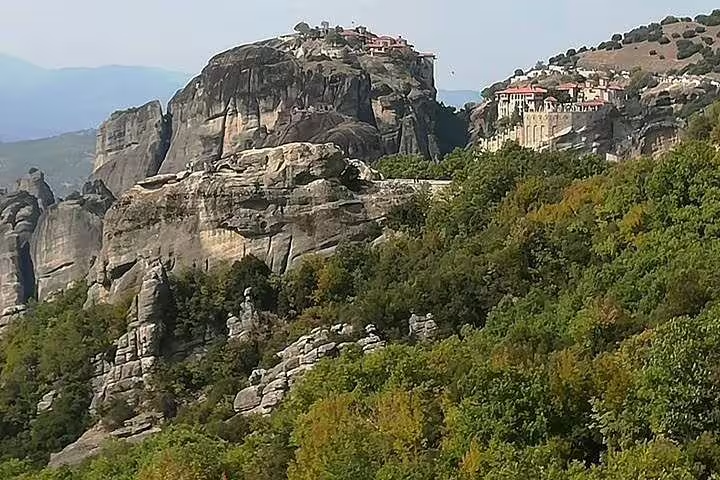
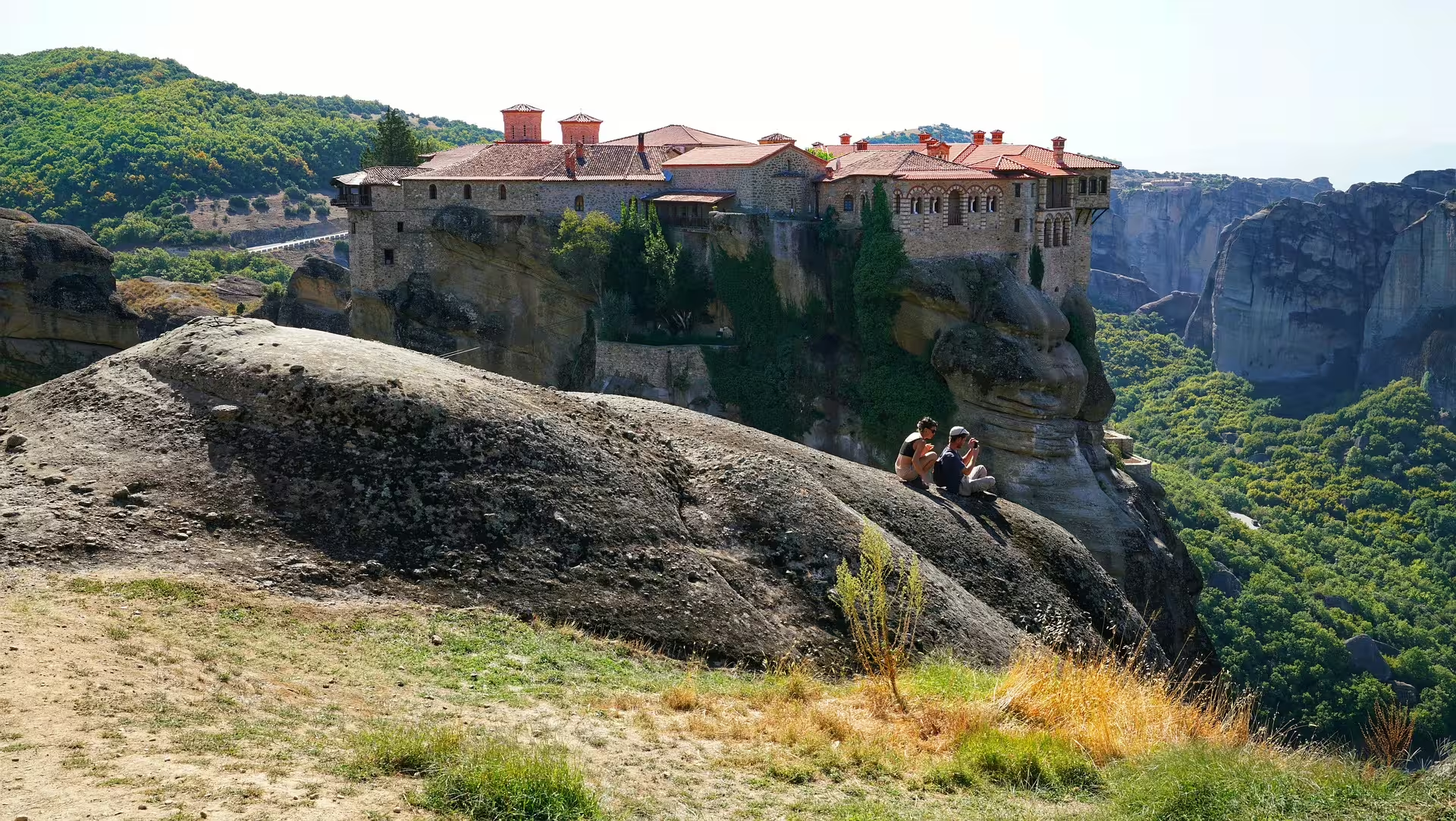
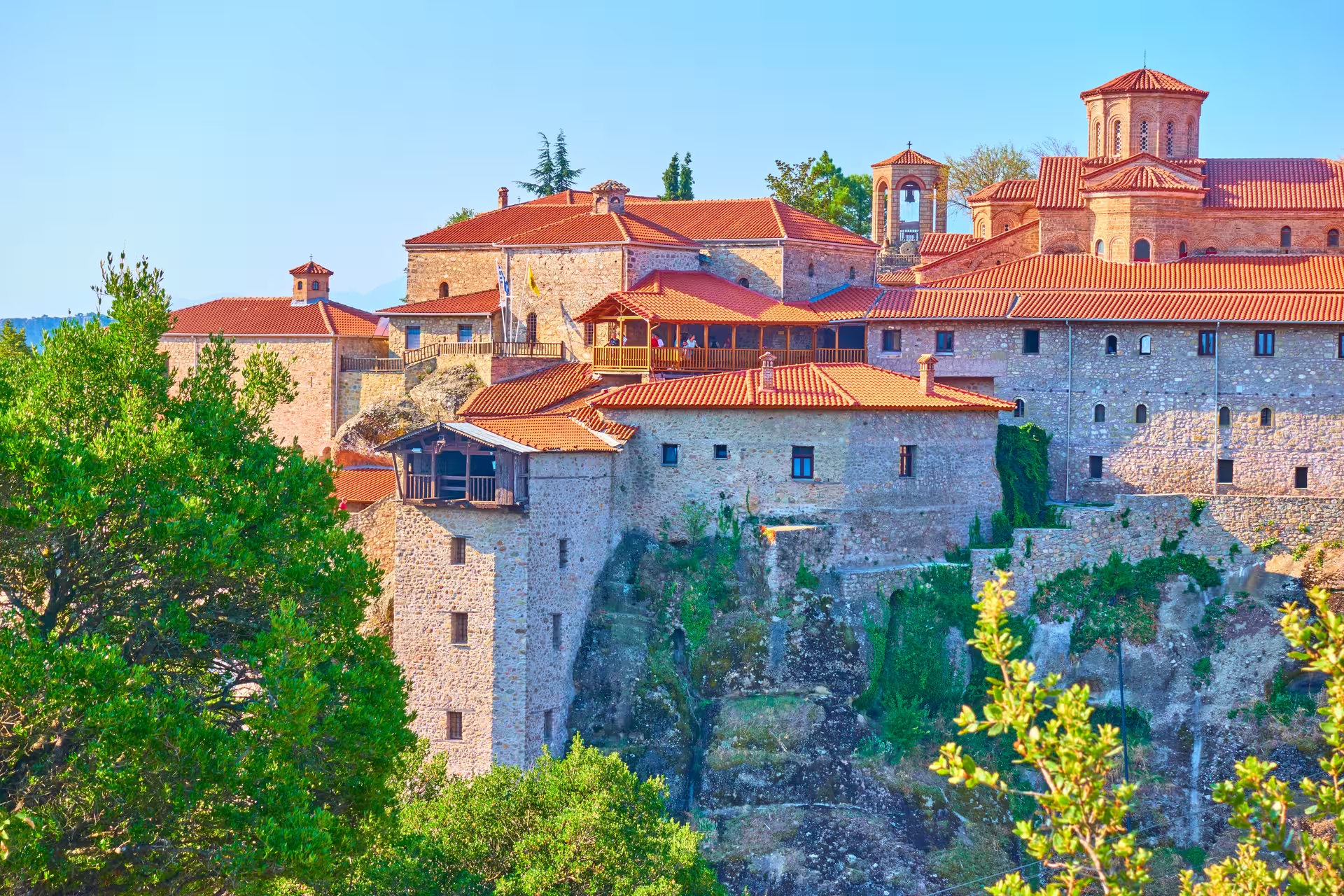
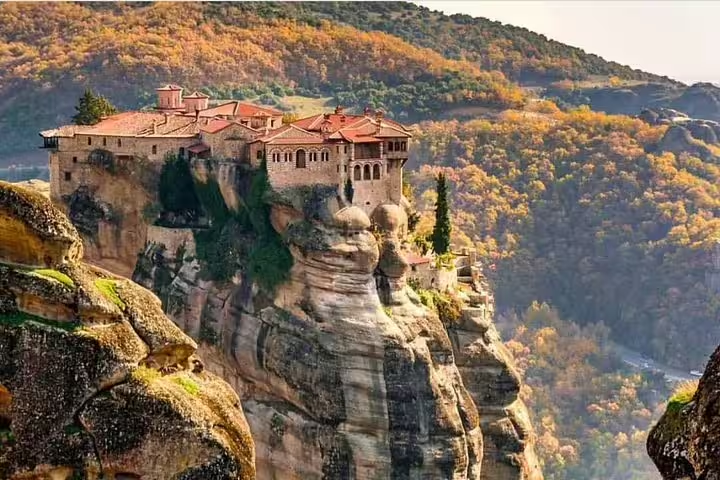
Varlaam is a good focus for church paintings, and the Great Meteoron for manuscripts. An inscription places the paintings in Varlaam's main church in 1548. The monastery takes its name from Varlaam, an ascetic who lived there in the 14th century.
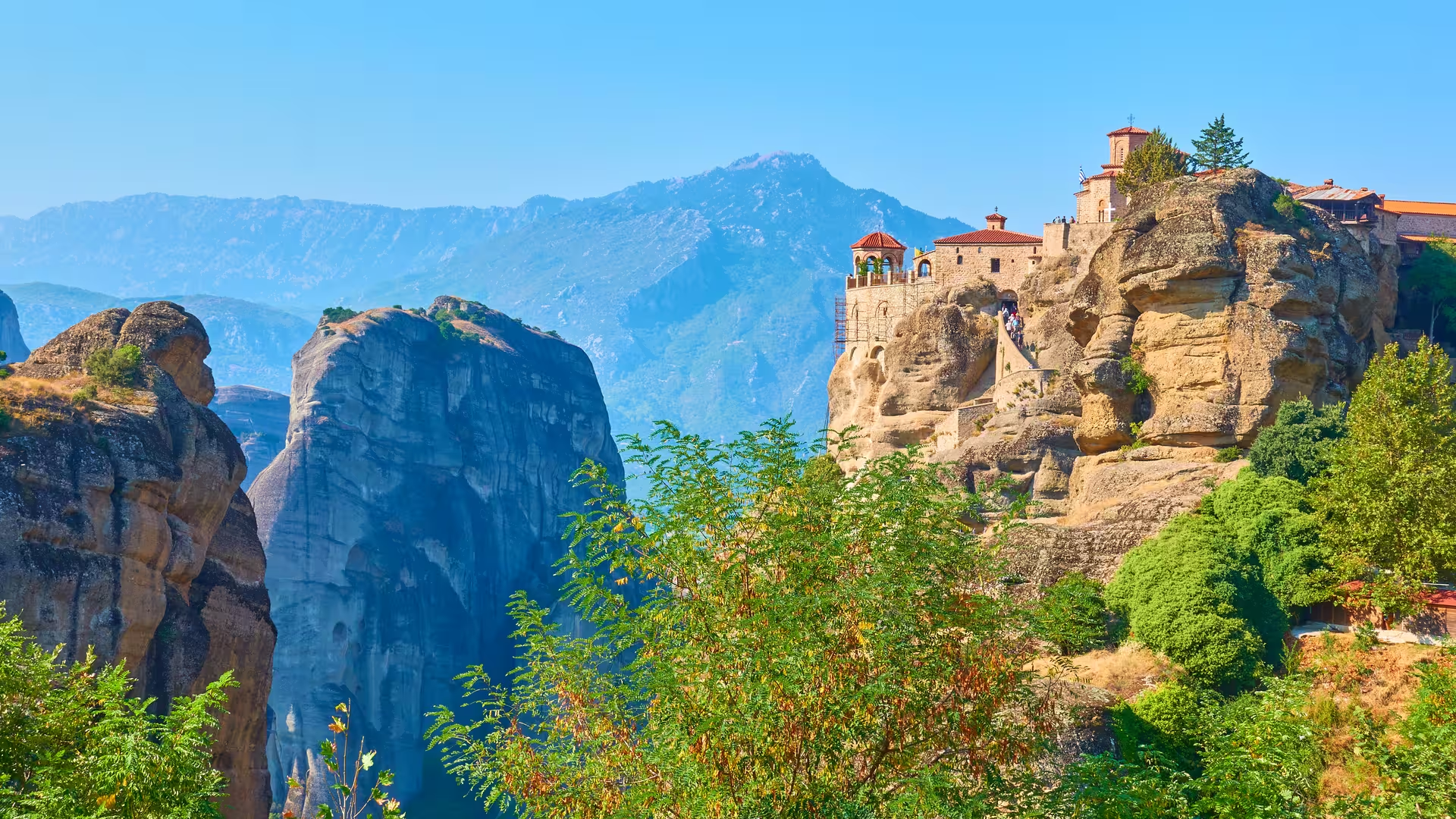
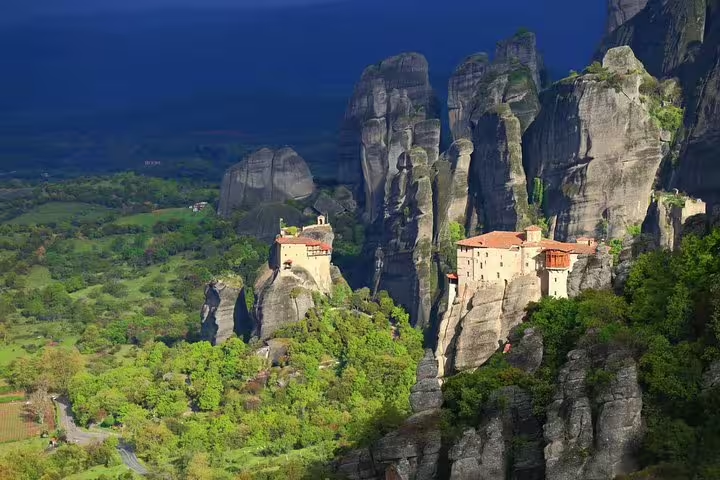
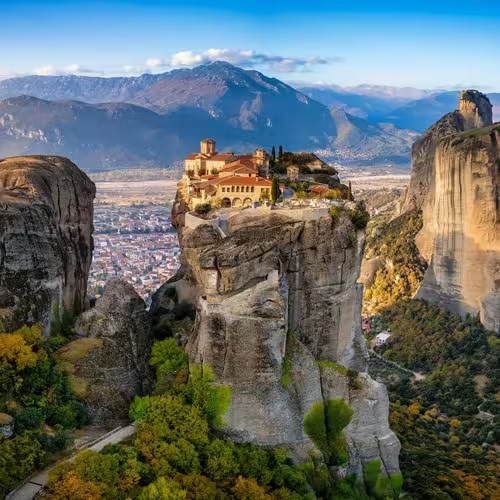
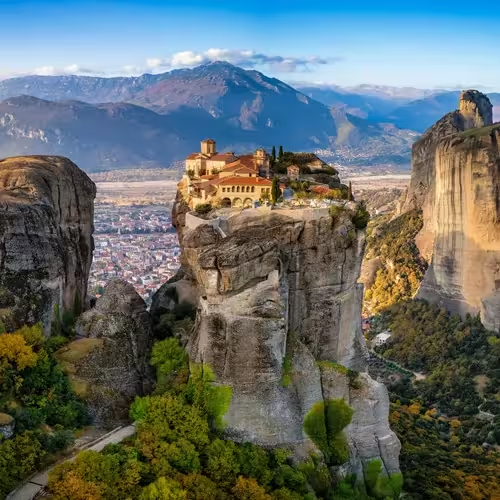
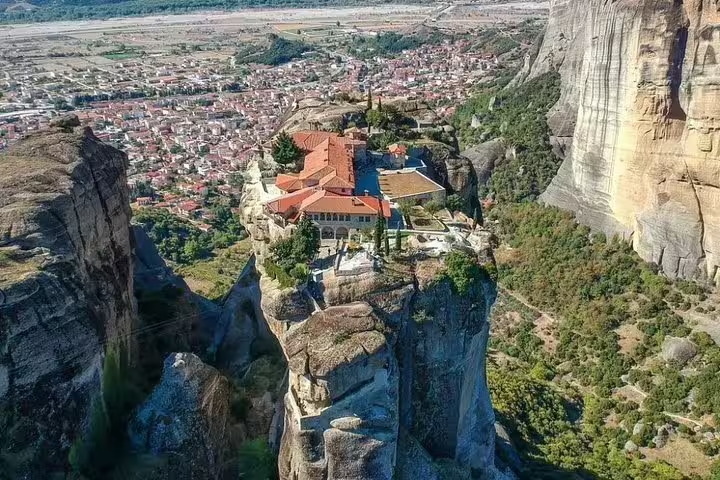
The setting matters as much as the individual visits: Meteora's rock pillars rise up to around 400 metres above the plain. Six monasteries survive from a total of more than 20 built here, and the surviving monasteries received UNESCO World Heritage listing in 1988. Rock-cut steps added in the 1920s made the ascent easier, but steps remain part of the visit.
Two days is a useful plan for a monastery-focused stay: it lets you see Varlaam and the Great Meteoron, which stand close together, and the other monasteries around their different closing days, with time for the viewpoints at sunset. Each monastery closes on a different day of the week, and the days change between summer and winter, so check them before you go.
For a visit organised around a full day, the private Meteora monastery tour lasts 13 hours and 30 minutes and includes private transport in a certified Mercedes vehicle, a professional certified English-speaking driver, a flexible private itinerary and visits to three Meteora monasteries.
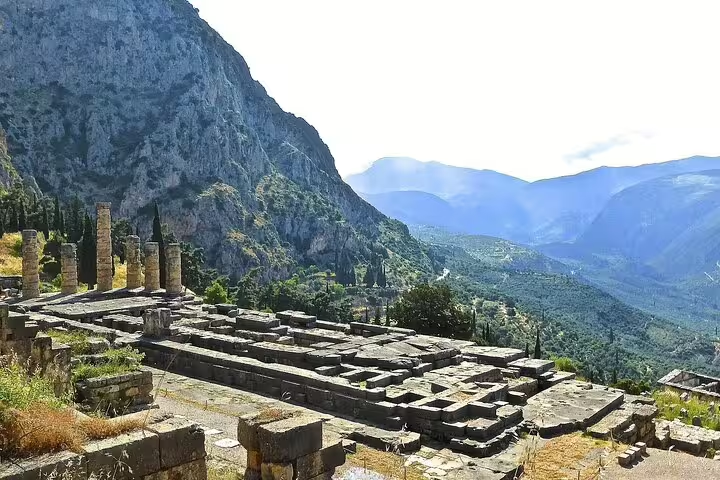
A different two-day option is the private Delphi and Meteora tour from Athens, with a professional licensed guide throughout both days.
Spring and autumn are the most comfortable seasons for the rock-cut steps. Summers on the Thessalian plain are hot, so plan walking for the morning, and in winter the monasteries keep shorter hours and close on more days. At Meteora, that matters when planning visits involving the steps cut into the rock.
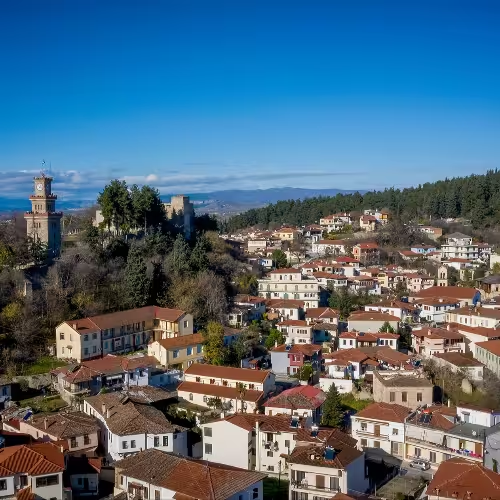
Trikala is a useful point for planning travel by intercity bus, with connections to Athens, Thessaloniki, Larissa, Karditsa and nearby towns. Its pedestrianised city centre also suits exploring on foot.
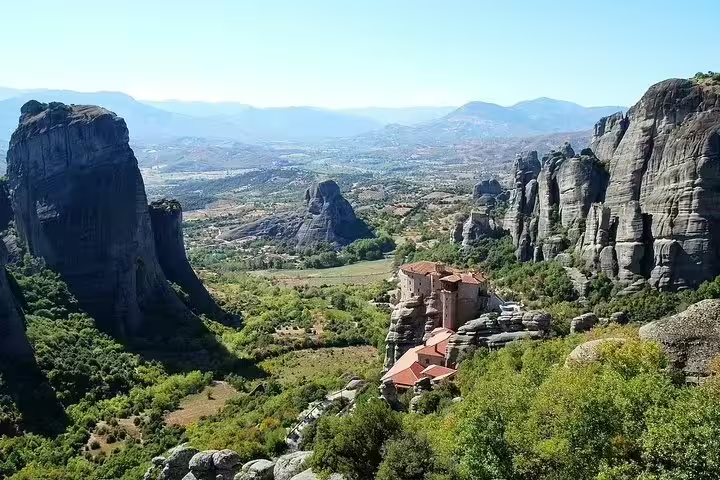
For an organised trip from Athens, the private Meteora and Thermopylae tour lasts 12 hours and includes private return transport, a professional licensed guide throughout, the Thermopylae battlefield monument, Meteora viewpoints and a visit to the Kalabaka area.
Volos is a day-trip idea for food and port history, while Trikala suits an interest in ancient history. At Volos, mezedes and tsipouro, a clear alcoholic drink, give the visit a food focus. Modern Volos grew around the site of ancient Iolkos, the home port of the Argonauts in Greek mythology. Trikala occupies the site of ancient Trikke, associated with the birth of Asclepius, the god of medicine.
Kalampaka is a practical base when Meteora is the focus, because it serves as the gateway to the monasteries. Trikala is an alternative if your plans revolve around its intercity bus connections and pedestrianised centre.
From Athens, Larissa lies about 210 kilometres to the north-west; from Thessaloniki, it is about 120 kilometres to the south-west.
Pourianos Stavros, the summit of Mount Pelion, reaches an altitude of 1,624 metres.
Both bodies of water border the peninsula formed by Mount Pelion, which curves into a hook shape between them.