Meteora

logoBlack

Build your dream
experience

dreamimg

More to know about Meteora

Meteora Travel Guide 🌄


🧭 Snapshot

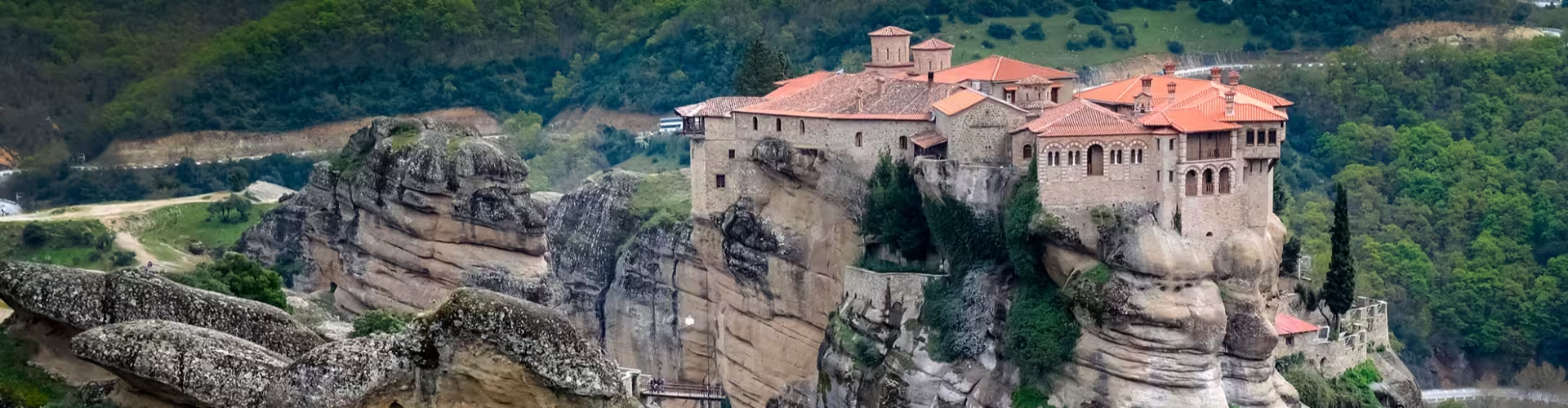
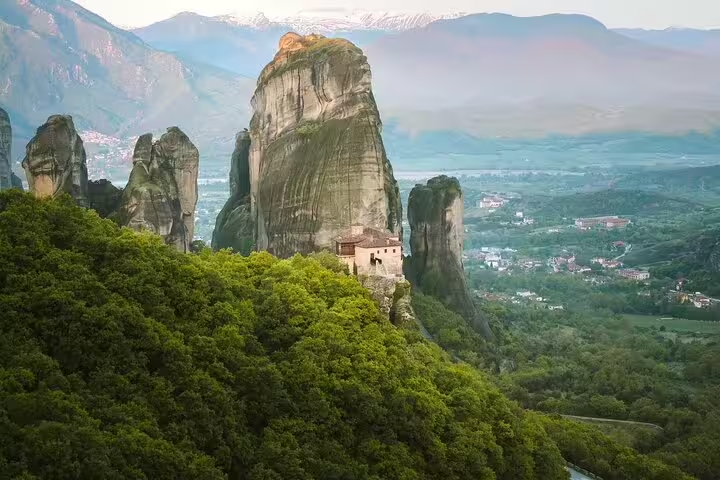
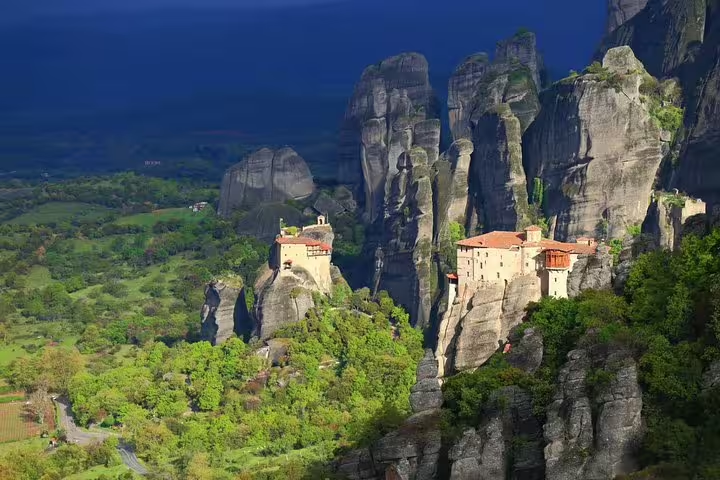
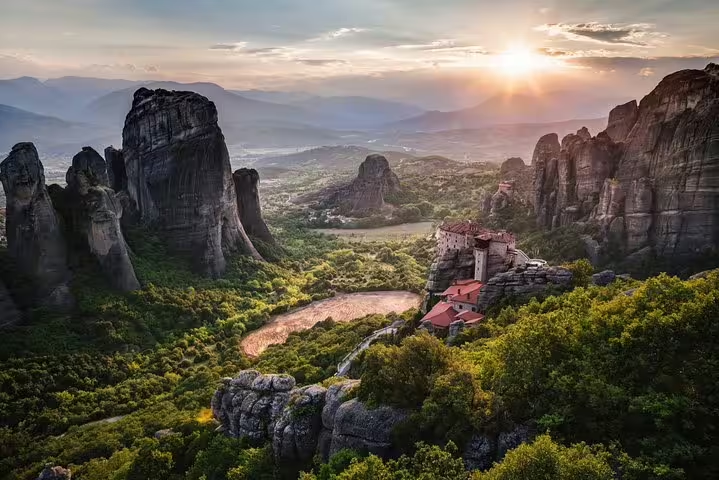
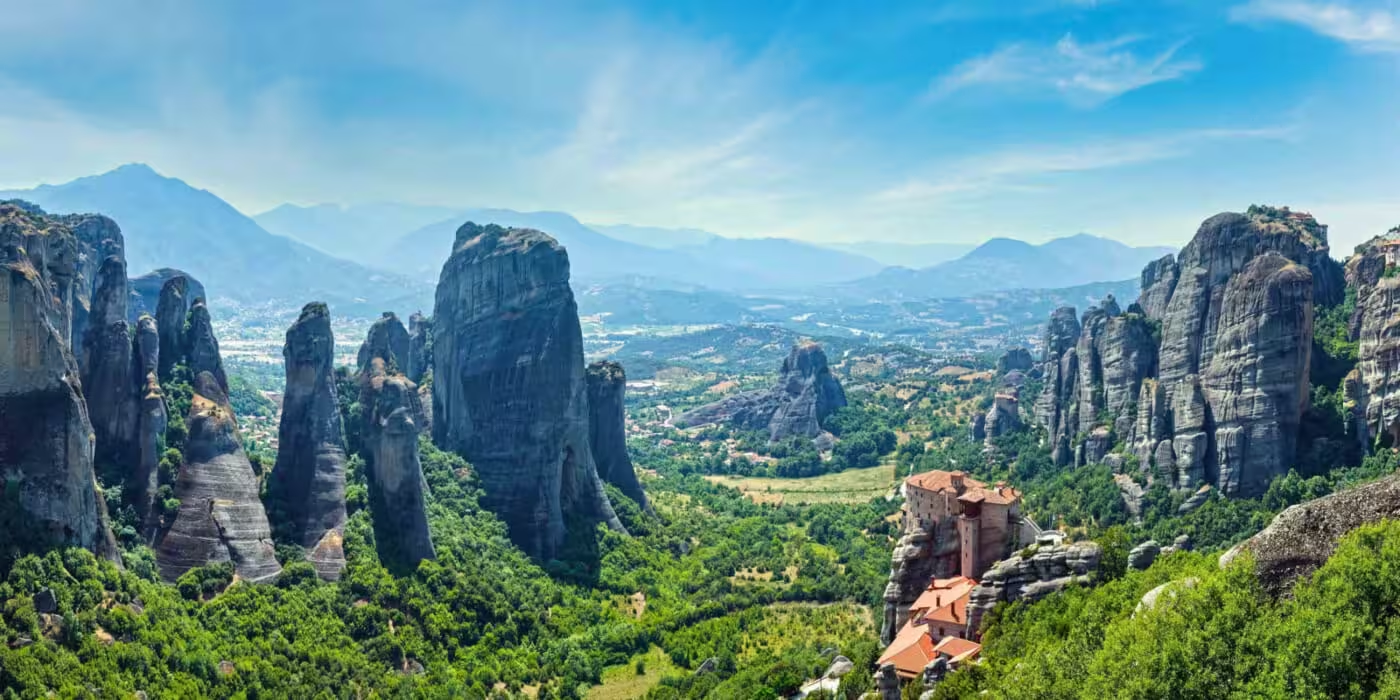
Meteora, a UNESCO World Heritage site in Greece, captivates with its towering rock formations and monastic history. Perfect for those seeking a blend of spirituality and nature, Best things to do in Meteora include exploring its awe-inspiring monasteries.


🗺️ Where It Sits

📍 Geography and Nearby Hubs

Located in the Thessaly region of Greece, Meteora is accessible via nearby cities such as Thessaloniki and Athens, with trains and buses providing easy access.

🕒 Best Time To Visit

Spring and autumn offer mild weather and fewer crowds, making them ideal for visiting. Summers are hot but lively with cultural festivals, while winters are serene but chilly.

💰 Typical Costs and Money Tips

Expect moderate pricing with cash and cards widely accepted. Consider combo tickets for monastery visits to save on entry fees.


⭐ Essential Things To Do

The Holy Monastery of Great Meteoron: The largest monastery offers stunning views and rich history; allow 2-3 hours for a visit.

Hiking Trails: Discover breathtaking trails around Meteora, suitable for all skill levels; perfect for nature lovers.

Rock Climbing Adventures: Experience adrenaline-pumping climbs on Meteora's unique rock formations; guided tours available.

Kastraki Village: Explore this quaint village for a taste of local life and traditional Greek hospitality.

Photography Tours: Capture the mesmerizing landscapes during golden hour; ideal for photography enthusiasts.

Visit Roussanou Monastery: Smaller yet charming, this monastery offers a peaceful retreat with panoramic views.


🚶 Suggested Short Itineraries

⏰ One Perfect Day

Start with a morning visit to Great Meteoron, enjoy lunch in Kastraki, and end the day with a sunset hike.

⏰ Two Days

On day two, explore Roussanou Monastery and indulge in a rock climbing session, followed by dinner in Kalambaka.

⏰ Three Days

Spend the third day hiking to hidden vistas, and consider a day trip to nearby Trikala for a blend of culture and relaxation.


🍽️ What To Eat And Drink

Moussaka: A classic Greek dish with layers of eggplant and minced meat, available in most local tavernas.

Souvlaki: Grilled meat skewers, perfect for a quick and satisfying meal.

Kataifi: Sweet pastry made of shredded filo dough, filled with nuts and syrup.

Greek Salad: A refreshing mix of tomatoes, cucumbers, olives, and feta cheese.

Ouzo: A traditional Greek anise-flavored spirit, best enjoyed with meze.


🚌 Getting Around

Local buses and taxis are available for easy transport around Meteora. Hiking is a popular way to explore the area; ensure you have sturdy footwear.


🌄 Best Day Trips

Trikala: A charming city just an hour away, offering historic landmarks and local markets.

Plastira Lake: Ideal for a day of relaxation and water activities; reachable by car or organized tours.

Mount Olympus: For the adventurous, a day trip to Greece's highest peak promises stunning landscapes and mythology.


✅ Practical Tips For Visitors

  • Book monastery visits in advance to secure your spot.
  • Wear modest clothing when visiting religious sites.
  • Bring water and snacks for hikes and day trips.
  • Consider visiting early or late in the day to avoid crowds.
  • Check weather forecasts for outdoor activities.

❓ Frequently Asked Questions, FAQ

Q: How many days do I need to explore Meteora?
A: Three days is recommended to fully enjoy Meteora, explore its main attractions, and take a day trip.

Q: Are there any combo tickets available for attractions?
A: Yes, combo tickets for the monasteries of Meteora are available, offering savings on entry fees.

Q: What are the best neighborhoods to stay in Meteora?
A: Kastraki and Kalambaka offer charming accommodations with easy access to attractions.

Q: What is the weather like in Meteora?
A: Summers are hot and lively, while spring and autumn are mild with fewer crowds, ideal for sightseeing and outdoor activities.

Q: Is Meteora accessible for travelers with mobility issues?
A: Some sites have steps and uneven terrain, but many areas are accessible with assistance. Plan ahead for specific needs.