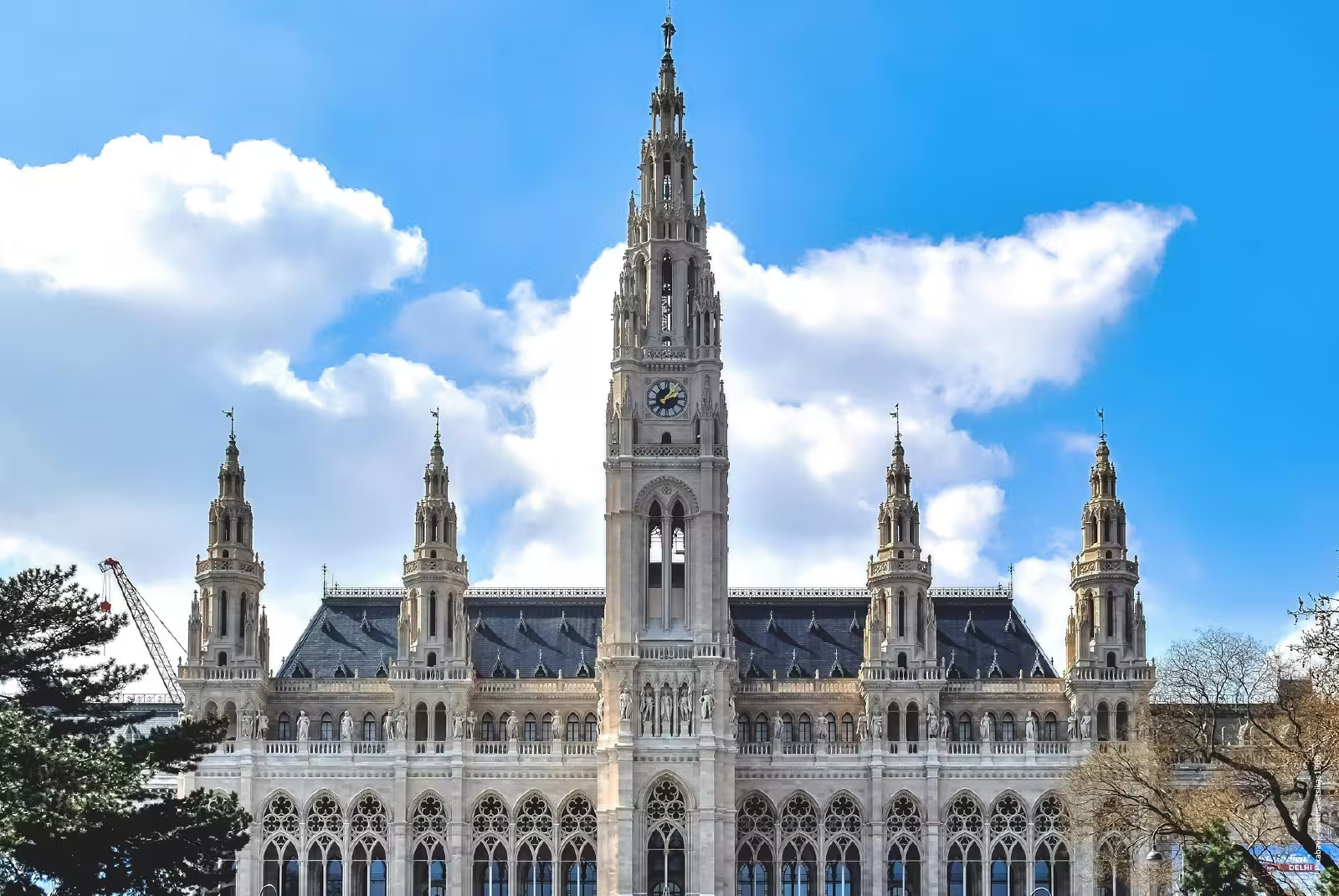
Vienna, the capital of Austria, is a city where imperial grandeur meets modern European culture. Home to the magnificent St. Stephen's Cathedral and the sprawling Schönbrunn Palace, Vienna stands as a testament to centuries of Habsburg rule and artistic achievement.
What to see in Vienna
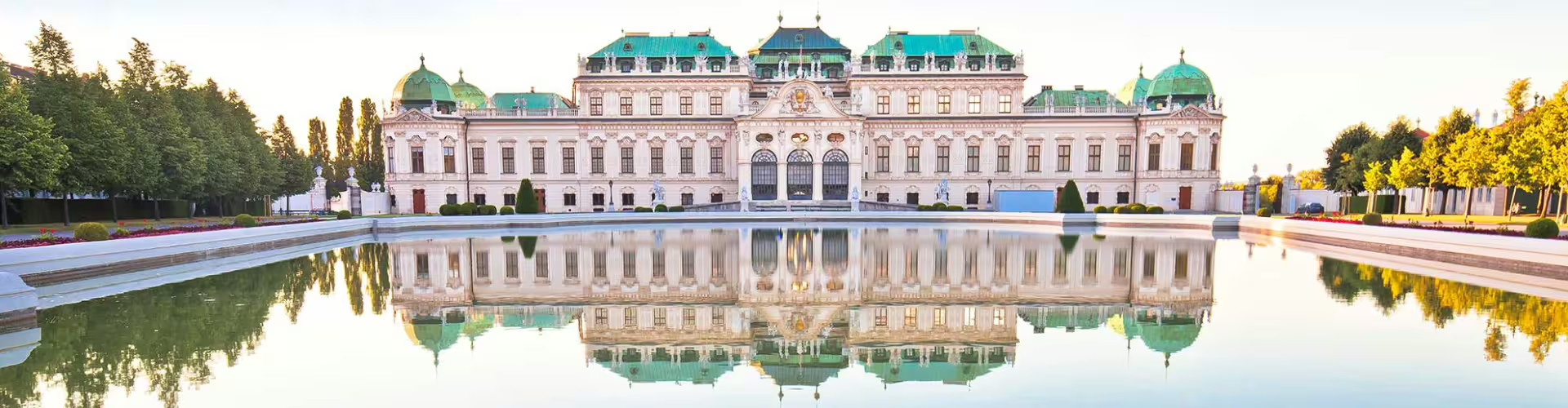
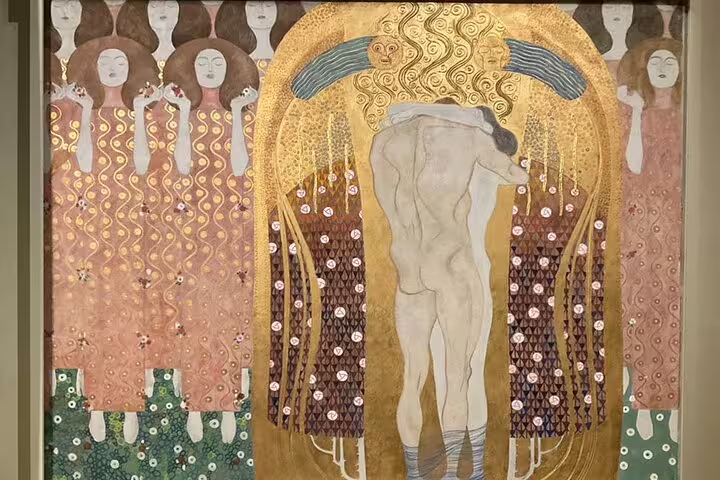
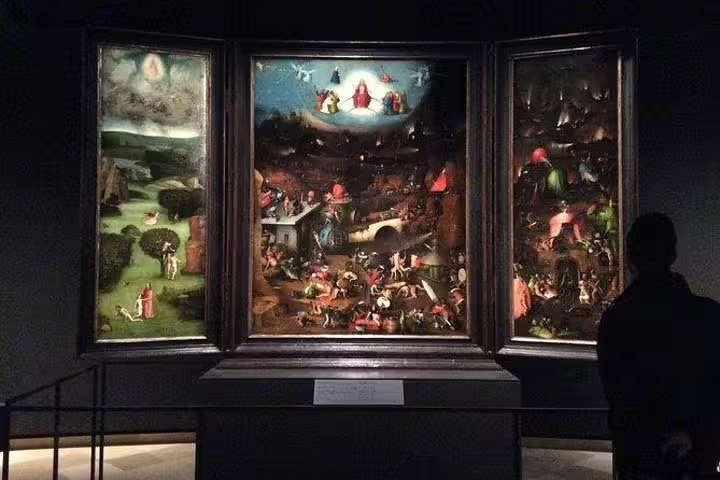
Visitors should not miss the ornate Hofburg Palace, once the winter residence of Habsburg emperors, or the historic St. Stephen's Cathedral with its distinctive tile roof. The Belvedere Palace and its world-class art collections offer insights into Austrian cultural heritage and showcase masterpieces by artists like Egon Schiele and Gustav Klimt.
Things to do in Vienna
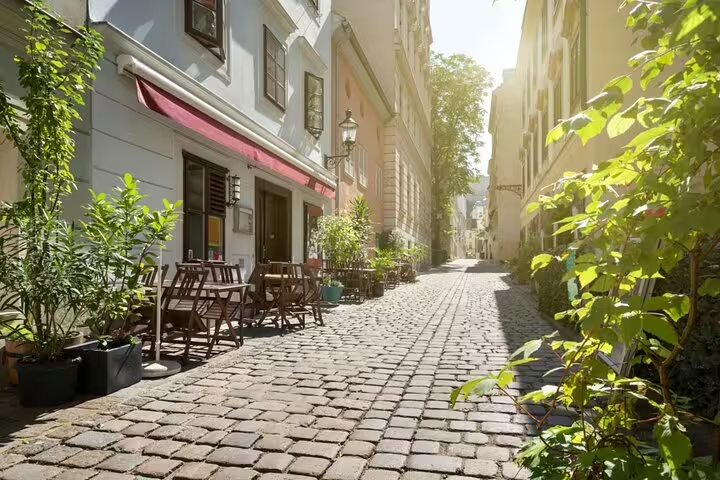
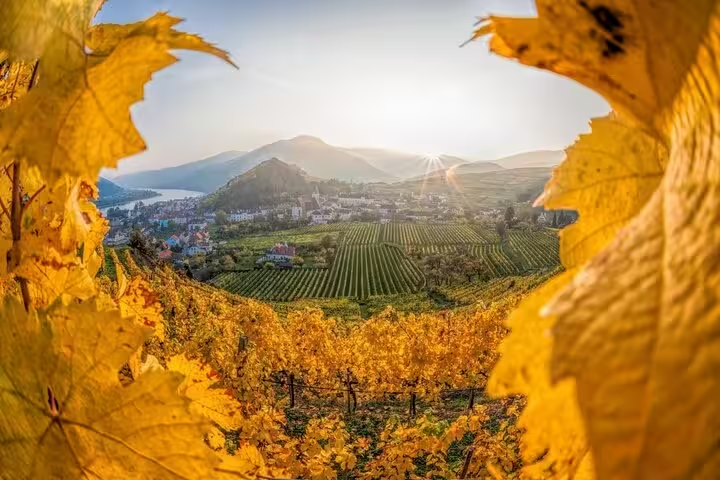
Vienna offers classical music performances in historic concert halls, Danube river cruises through the surrounding countryside, and guided tours of imperial palaces and museums. The city's famous coffee house culture provides an authentic experience, while seasonal markets and cultural festivals throughout the year showcase local traditions and crafts.
Vienna's Classical Music Heritage
Vienna is inseparable from its role as the birthplace of classical music. Mozart, Beethoven, and Strauss all composed masterpieces within the city's walls, and their legacies remain central to Vienna's identity. Today, concert halls throughout the city continue this musical tradition with performances ranging from intimate chamber concerts to grand symphonic productions.