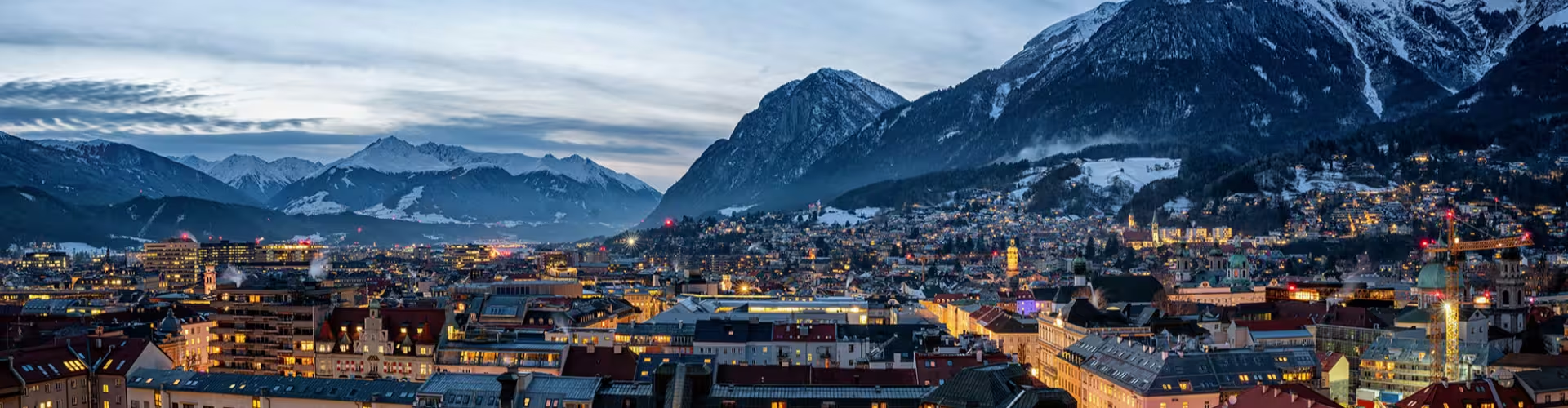

Tyrol is Austria’s alpine powerhouse, a region where dramatic mountain valleys, storybook villages, and a confident outdoor culture shape almost every day trip and dinner plan. Innsbruck anchors the area with imperial history and easy access to peaks, while smaller towns deliver a quieter rhythm built around trails, ski lifts, and local traditions. Use this guide to plan smart routes, choose the right season, and balance city time with high-altitude scenery across Tyrol.
Tyrol feels energetic and outdoorsy, with a strong sense of place that comes from mountain geography and long-standing regional identity. Go for the mix of culture and nature, you can visit museums and old towns, then be on a cable car or hiking path shortly after. It is especially appealing when you want a trip that is both scenic and practical, with good transport links and plenty of options for short or longer stays.
Tyrol sits in western Austria, defined by the Alps and a network of valleys that connect towns, ski areas, and trailheads. Innsbruck is the main hub for many travelers, thanks to its central location and transport connections. For gateways, plan around Innsbruck Airport for direct access, or use larger international hubs such as Munich Airport and then continue by rail or road into the region.
Winter is built for snow sports and cozy mountain-town evenings, with the busiest periods typically aligning with school holidays and peak ski weeks. Summer is ideal for hiking, lake days, and panoramic cable car rides, with longer daylight and a livelier festival atmosphere in some towns. Shoulder seasons can feel calmer and more budget-friendly, but mountain weather is more changeable, so pack layers and keep plans flexible for higher elevations.
Austria uses the euro, and Tyrol can range from mid-range to premium depending on whether you stay in a city or a resort village. Cards are widely accepted, but carrying some cash is useful for small bakeries, mountain huts, and local markets. To manage costs, prioritize a good-value base with strong transport links, then choose a few paid highlights such as cable cars or museums around free activities like walking old towns and scenic viewpoints.
Explore Innsbruck’s Old Town
Why it matters: Innsbruck blends imperial-era architecture with a youthful university energy, and its compact center makes it easy to absorb the atmosphere on foot. You get a sense of how the Alps shaped trade routes, culture, and city life, all within a few blocks. Practical tip: Go early in the day for quieter streets and cleaner photos, then return in the evening when restaurants feel most lively.
Ride a Cable Car for Big Alpine Views
Why it matters: In Tyrol, cable cars are not only for skiers, they are one of the most efficient ways to reach viewpoints and trail networks without a long ascent. The experience helps you understand the region’s scale, valley floors, jagged ridgelines, and the patchwork of forests and meadows. Practical tip: Check the forecast before you commit, visibility is everything, and clouds can roll in quickly at altitude.
Hike a Valley Trail and a Mountain Path
Why it matters: The region’s hiking culture is central to local life, and trails range from gentle riverside walks to more demanding mountain routes. Pairing one easy walk with one higher trail gives you a rounded feel for landscapes and how villages sit within them. Practical tip: Start with a shorter route on your first day to gauge your pace, then plan a longer hike with an early start.
Spend Time in a Traditional Village
Why it matters: Smaller communities are where Tyrol feels most intimate, with painted facades, church spires, and a slower daily rhythm shaped by seasons. It is also where you can notice regional crafts and food traditions more clearly than in larger hubs. Practical tip: Aim for a weekday visit if you want a calmer vibe, weekends can draw day trippers.
Visit a Museum or Historic Site in Innsbruck
Why it matters: The area’s history connects to the Habsburg era, cross-Alpine trade, and the long relationship between mountain communities and the wider European map. A museum stop adds context to what you see in the streets and landscapes. Practical tip: Use museum time as a weather backup plan, it is a smart swap when mountain conditions are unpredictable.
Try a Mountain Hut Lunch
Why it matters: Alpine huts are part of the region’s identity, combining practical hospitality with hearty, local cooking. It is one of the simplest ways to experience the outdoor culture without committing to an all-day trek. Practical tip: Bring a light layer even in summer, temperatures can drop quickly when you stop moving.
Plan a Scenic Drive or Train Ride Through a Valley
Why it matters: Valleys act like natural corridors, revealing how settlements, farms, and forests fit together. Watching the landscape change from town to town helps you choose where to return for longer stays. Practical tip: Pick a seat on the window side and keep your schedule loose, you will want time for spontaneous photo stops.
Build Your Trip Around an Outdoor Signature
Why it matters: Whether you prioritize skiing, hiking, cycling, or lake time, Tyrol rewards travelers who plan around one main outdoor theme and then add culture as a counterbalance. This approach keeps your days cohesive and reduces transit stress. Practical tip: Cluster activities by valley or area to minimize backtracking, especially if you are using public transport.
Start in Innsbruck with a focused walk through the old town, then add a short museum or historic stop to ground the city’s alpine story in real context. After lunch, take a cable car or scenic ascent for panoramic views, then do a short, well-marked walk that fits your energy level. Finish back in town with a relaxed dinner, choosing a place that serves regional classics so your day feels distinctly Tyrol.
Day 1: Use Innsbruck as your base, explore the center on foot, and add one cultural visit that explains the region’s history and identity. Day 2: Choose a valley and commit to it, pair a cable car viewpoint with a longer hike, then end with a mountain hut meal to experience the alpine rhythm. Day 3: Slow down with a village visit and a scenic train or road segment, keeping time for spontaneous stops, bakeries, and viewpoints that do not require a major detour.
Tiroler Gröstl
Taste profile: A hearty pan-fried mix often built around potatoes and savory flavors, designed for mountain appetites. Ordering tip: Ask if it is a house specialty, it is often best where it is made regularly.
Käsespätzle
Taste profile: Soft egg noodles with rich cheese, comforting and filling after a hike or a cold day. Ordering tip: It pairs well with a simple salad if you want balance without losing the classic experience.
Speck
Taste profile: Cured, smoky, and deeply savory, commonly served in small portions with bread. Ordering tip: Look for a regional platter if you want to sample without committing to a full meal.
Knödel
Taste profile: Dumplings that can be savory, often served in broth or alongside meat dishes, with a satisfying, rustic texture. Ordering tip: If you see a seasonal version, it is worth choosing for a more local feel.
Apfelstrudel
Taste profile: Warm apple pastry with gentle spice and sweetness, often served as an afternoon treat. Ordering tip: Order it with a hot drink when you want a classic café pause between sightseeing blocks.
Schnitzel
Taste profile: Crispy, golden, and straightforward, a reliable option when you want something familiar done well. Ordering tip: If you are hungry after outdoor time, this is a dependable choice that travels well with simple sides.
Innsbruck is walkable for core sights, and public transport helps you connect to neighborhoods, stations, and cable car access points efficiently. For moving between valleys and towns, trains and regional buses are practical options, and they reduce the stress of parking in popular areas. A rental car can be useful for flexible village hopping, but plan for mountain roads and winter driving conditions if you travel in the snow season. For accessibility, prioritize cable car viewpoints and valley walks, they can deliver big scenery with fewer steep sections than high trails.
Alpine Valleys and Trail Towns
Travel time: Varies by route and base. Reason to visit: A deeper look at the landscapes that define Tyrol, with more trail choices and a quieter pace than the main hub.
Smaller Villages Near Innsbruck
Travel time: Often short by local transport or car. Reason to visit: Traditional architecture, local cafés, and a more intimate feel, ideal for photography and slow travel.
Mountain Viewpoints via Cable Car
Travel time: Typically half-day planning including transit and ascent. Reason to visit: High-impact panoramas and gentle ridge walks without committing to a full-day hike.
Cross-Border Gateway Cities
Travel time: Varies, especially if you connect via Munich. Reason to visit: Add a city contrast to your mountain itinerary, useful if you are flying in or out through a larger hub.
Is Tyrol better as a city break or a nature trip?
It works best as a blend of both, with Innsbruck providing culture and easy access to mountain scenery. Even a short stay can include an old town walk plus a cable car viewpoint.
How many days do you need in Tyrol?
One day covers key highlights if you base yourself in Innsbruck and keep your route tight. Two to three days lets you add a valley day, a longer hike, and a village visit without rushing.
What is the easiest way to get around without a car?
Use walking and local public transport in Innsbruck, then connect to towns and valleys by regional trains and buses. This approach also helps you avoid parking stress in busy areas.
When is the best time to visit Tyrol for fewer crowds?
Shoulder seasons can feel calmer than peak winter ski weeks or the busiest summer periods. Weather is more variable then, so plan flexible days and pack layers.
What should I pack for a trip to Tyrol?
Bring comfortable walking shoes and layers that work across changing temperatures. Add a light rain option and a warmer layer for cable car rides or higher viewpoints.