
Build your dream
experience

More to know about Styria
Styria Travel Guide
Styria is Austria’s green, gourmet-minded province, known for vineyard hills, thermal spa culture, and a confident mix of imperial heritage and modern design. Between Graz’s UNESCO listed old town ambiance and the open landscapes of forests, orchards, and alpine peaks, the region feels both polished and outdoorsy. Come for farm to table flavors, scenic drives, and slow travel days that still deliver big highlights.
Snapshot
Styria balances city elegance and countryside calm, with a signature vibe that is culinary, creative, and nature forward. It is a strong choice when you want Austria beyond the classic postcard circuit, with less rush and more room to explore. Go now if you are craving a destination that can flex from museum mornings to vineyard afternoons, then finish in a thermal pool or a wine tavern style dinner.
🗺️ Geography and Logistics
📍 Orientation: Where is it within Austria and Austria?
Styria sits in southeastern Austria, bordering Slovenia, with Graz as the main city hub and a practical base for regional touring. The province stretches from alpine terrain in the north and west to gentler wine country and spa regions in the south and east. For gateways, most travelers route through Graz Airport for direct access, or connect via Vienna International Airport and continue by rail or road depending on itinerary pace.
🕒 When to Go: Seasonal breakdown
Late spring through early autumn suits vineyard landscapes, outdoor cafés, and hiking, with longer daylight and a lively events atmosphere in Graz. Summer brings the warmest weather and the highest demand, so booking ahead matters most for popular stays and guided experiences. Autumn leans into harvest energy in wine areas, while winter shifts the focus toward cozy city breaks, museums, and spa time, plus alpine snow activities in higher elevations.
💰 Budget & Currency: Practical money tips
Austria uses the euro, and most visitors find card payments widely accepted in cities, while smaller rural spots can be more cash oriented. Budget planning in Styria is about balancing city costs with countryside value, with local dining and regional transport often feeling reasonable compared with major capital cities. Keep a small cash buffer for markets, small cafés, and traditional tavern style venues, and consider grouping attractions by area to reduce transit spend.
⭐ Essential Things to Do
Explore Graz Old Town and Schlossberg. Graz delivers a layered cityscape where medieval lanes meet contemporary architecture, and the hilltop Schlossberg area gives you orientation and memorable views. It matters because it is the clearest snapshot of Styrian identity, cultured, youthful, and rooted in history. Practical tip, go earlier in the day for calmer streets, then return near golden hour for the best light on rooftops.
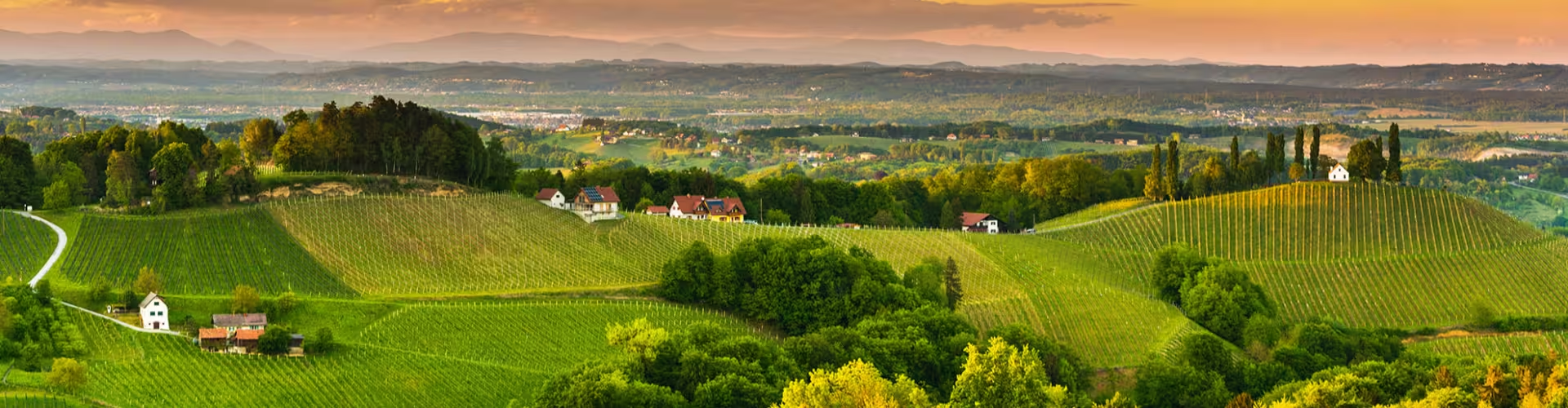
Seek out Styrian wine country. Rolling hills, vineyard roads, and small producers define the southern landscapes, creating an unhurried rhythm that rewards slow travel. It matters because wine culture here is tied to place, food, and local traditions, not just tastings. Practical tip, designate a driver or use local tours, and build in time for scenic stops rather than rushing between villages.
Make time for thermal spa culture. Spa towns and thermal pools are a key part of regional wellness life, especially when you want a restorative counterbalance to sightseeing. It matters because it reflects a local habit of taking health and downtime seriously, not as a luxury add on but as a lifestyle. Practical tip, pack a swimsuit and flip flops, and aim for weekday visits if you want a quieter atmosphere.
Hike or ride in the Styrian outdoors. Forests, mountain trails, and gentle cycling routes give Styria its green reputation and keep the destination feeling spacious. It matters because nature here is not a side trip, it is part of the main story. Practical tip, check trail conditions locally, layer clothing, and start earlier to avoid afternoon weather shifts in higher areas.
Visit a local market for edible souvenirs. Farmers markets and specialty shops showcase pumpkin seed oil, apples, cheeses, and seasonal produce, which are central to the region’s culinary identity. It matters because you can taste the province in a single stroll, and it is an easy way to support local makers. Practical tip, bring a tote bag, and ask vendors for pairing ideas if you are building a picnic.
Follow a castle and abbey thread. Styria’s historic sites, from hilltop castles to monastic architecture, add depth to scenic drives and connect the landscapes to centuries of regional power and faith. It matters because these stops turn a pretty route into a story of borders, trade, and cultural exchange. Practical tip, combine one major historic stop with one viewpoint stop in the same area to keep the day balanced.
Try a scenic road trip through valleys and hills. Driving routes are a highlight in their own right, with frequent viewpoints and small towns that invite spontaneous pauses. It matters because the journey is part of the appeal, especially in wine and orchard areas where the scenery changes quickly. Practical tip, keep your schedule flexible, and plan fewer stops with more time at each.
Build a food focused day. The region is known for ingredient driven cooking and proud local products, so a day centered on dining is not indulgent, it is culturally on point. It matters because food is one of the fastest ways to understand local identity in Styria. Practical tip, book popular restaurants ahead on weekends, and ask for seasonal specials to get the most local experience.
🚶 Curated Itineraries
⏰ The Highlights (1 Day)
Start in Graz with a focused old town walk, then head up to Schlossberg for views and a sense of the city’s layout. Spend midday browsing a market or food hall style stops for a casual lunch built around local produce. In the afternoon, choose one signature theme based on your interests, either a short wine country excursion, a museum and design circuit, or a thermal spa visit, then return to the city for a relaxed dinner featuring Styrian ingredients.
⏰ Deep Dive (2-3 Days)
Day one, stay city centered in Graz, combining historic lanes, viewpoints, and a curated museum or architecture stop so you feel the old and new in one loop. Day two, dedicate your time to the countryside, prioritizing wine hills, farm shops, and a long lunch that turns into an afternoon of scenic drives and easy walks. Day three, add wellness or alpine nature depending on season, with a thermal soak or a higher elevation trail, then finish with a final evening meal that revisits your favorite local flavors.
🍽️ Flavors of Styria
Styrian pumpkin seed oil. Nutty, dark, and aromatic, it is often drizzled over salads, soups, and even vanilla ice cream in some modern pairings. Ordering tip, ask what the kitchen uses it on, then try it in a simple dish where the flavor stands out.
Brettljause. This is a rustic board of cold cuts, cheeses, spreads, and bread, designed for sharing and lingering. Ordering tip, it pairs naturally with local wine, so ask for a regional glass recommendation.
Backhendl. Crispy fried chicken is a classic comfort dish with a satisfying crunch and a straightforward, home style feel. Ordering tip, it is often filling, so consider sharing if you are planning a multi course meal.
Apples and orchard products. Apples show up as fresh fruit, juices, and desserts, reflecting the region’s orchard landscapes. Ordering tip, look for seasonal variations, especially in autumn when harvest flavors are at their peak.
Styrian wines. Expect fresh, food friendly styles that match the region’s ingredient first cooking, with many options that feel bright and aromatic. Ordering tip, ask for a local producer from the area you visited that day, it is a great way to connect your meal to your route.
Heuriger or Buschenschank style dining. In wine areas, these tavern like venues focus on local wine and simple plates, creating an informal, social atmosphere. Ordering tip, arrive earlier in the evening for the best choice of seating, and ask what is house made.
🚌 Navigation & Transport
Graz is walkable in its central areas, and public transport helps connect neighborhoods and key sights efficiently. For exploring the wider province, trains and buses can work well between major towns, but rural wine roads and dispersed spa areas are often easiest by car or organized tours. If you drive, plan conservative travel times for scenic routes, and keep your day structured by region so you are not zigzagging across the map.
For safety and comfort, wear supportive shoes for cobblestones and hill paths, and pack layers for changing conditions between city and higher elevations. Accessibility can vary at historic sites due to stairs and uneven surfaces, so it helps to confirm mobility needs in advance when selecting viewpoints, castles, or older buildings.
🌄 Beyond the Center: Day Trips
South Styrian Wine Road. A classic day trip for vineyard scenery and tastings, best approached as a slow loop with scenic pull offs. Travel time depends on your starting point, but it is commonly done as a full day from Graz.
Thermal spa regions. Ideal when you want a restorative day with pools and wellness facilities, especially in cooler months or after hiking. Plan this as a full day so you can actually unwind rather than rushing.
Alpine Styria. Head north or west for higher elevations and a more mountainous feel, with hiking in warm seasons and snow activities in winter. Allow extra time for weather changes and road conditions.
Borderland culture near Slovenia. Southeastern routes highlight cross border influences in food, language, and landscape character. It is a strong choice for travelers who like cultural nuance and quieter towns.
✅ Insider Tips for Travelers
- Group sightseeing by area, city day, wine hills day, spa day, to reduce transit time and keep the pace enjoyable.
- Book accommodation earlier in peak summer and around popular weekend dining times, especially in smaller wine villages.
- Carry some cash for rural stops, markets, and traditional tavern style venues.
- Pack layers and a light rain shell, weather can shift quickly between valleys and higher elevations.
- For tastings, plan a responsible route, choose a driver, book a tour, or focus on fewer producers with more time.
- Wear shoes that handle cobblestones and hill walks, Graz viewpoints and historic streets can be uneven.
- When ordering wine, ask for a local recommendation by area, it often leads to better value and a more personal experience.
❓ Frequently Asked Questions, FAQ
Is Graz a good base for exploring the region?
Yes, Graz is a practical hub with strong connections to nearby areas and enough sights to fill a full day on its own. It also makes it easy to combine city culture with countryside excursions.
How many days do I need for Styria?
For a first trip to Styria, two to three days lets you pair Graz with at least one countryside theme like wine roads or thermal spas. If you want hiking plus wellness plus food, add an extra day for a slower pace.
Do I need a car to visit wine country and spas?
A car is often the simplest option for rural areas where attractions are spread out, especially along scenic roads. If you prefer not to drive, look for organized tours or plan around larger towns connected by public transport.
What should I pack for a trip that includes city and nature?
Bring comfortable walking shoes for cobblestones and hills, plus layers for shifting temperatures. A light rain shell is useful, particularly if you plan viewpoints or higher elevation walks.
What is Styria known for in food and drink?
Styria is especially associated with pumpkin seed oil, orchard produce, and a strong wine tavern culture in its vineyard areas. Try a simple local board style meal with a regional glass of wine to understand the flavor profile quickly.
This guide explains how to plan a trip to Styria with practical logistics, curated experiences, and itinerary ideas based on the destination’s city and countryside mix. It is designed to help travelers compare options and build a realistic route.
Europe, Austria, Styria, Graz, Wine Country, Thermal Spas, Alpine Outdoors, Food and Drink, Itineraries, Day Trips