Lower Austria is the spacious, vineyard threaded region that wraps around Vienna, where Danube Valley scenery, abbeys, and market towns sit minutes to hours apart. It is a destination built for travelers who want variety without constant hotel changes, you can pair UNESCO level cultural sights with hiking, cycling, and wine taverns in a single trip. This guide is designed to help you choose the right bases, plan efficient routes, and prioritize experiences that match your pace.
Lower Austria feels both grand and grounded, baroque monasteries and castles on one side, family run vineyards and forest trails on the other. Go now if you want a Europe trip that balances culture and nature, the region is easy to reach from Vienna and rewarding in every season. The signature vibe is slow travel with high impact views, especially along the Danube and the Wachau’s terraced slopes.
Lower Austria surrounds Vienna on nearly all sides and stretches north to the Czech border and east toward Slovakia. Many travelers use Vienna as the main gateway hub, then branch out by train, bus, car, or bike to Danube Valley towns and wine areas. Planning is easiest when you choose one or two bases, then add day trips, because distances can look short on a map but scenic roads and rural connections can slow travel.
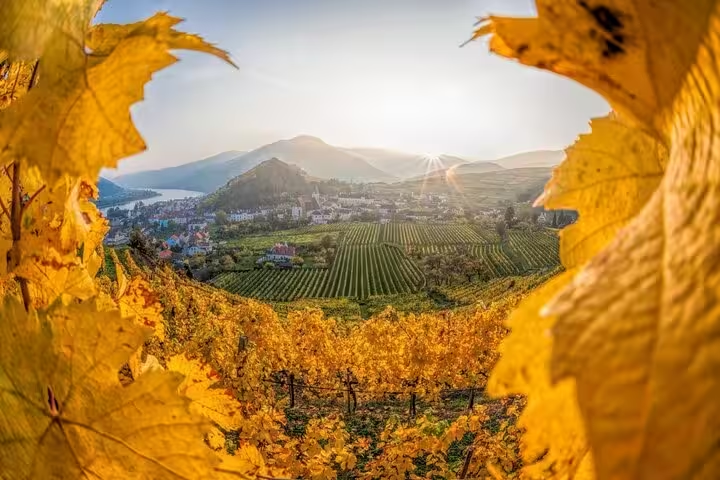
Spring and early summer are ideal for fresh landscapes, comfortable walking temperatures, and long daylight hours. Summer brings the liveliest river towns and outdoor dining, plus higher visitor numbers in popular Danube spots. Autumn is a classic choice for vineyard color and wine culture, while winter is quieter and better for museum focused days and atmospheric town strolls.
Austria uses the euro, and Lower Austria generally feels more value friendly than big city pricing, especially in smaller towns and rural areas. Cards are widely accepted, but carrying some cash is still useful for small cafés, market stalls, and traditional wine taverns. If you plan to sample wine or visit multiple paid attractions in a day, set a daily budget cushion so you can say yes to spontaneous tastings and viewpoints without stress.
Wachau Valley Danube Scenery
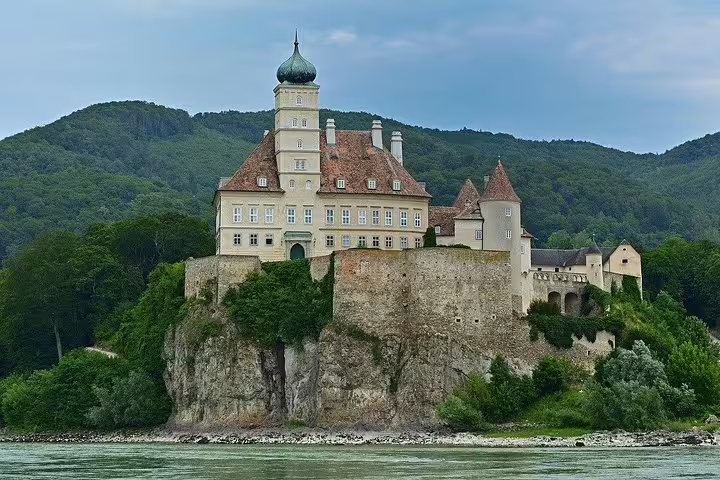
The Wachau is the postcard stretch of the Danube, known for vineyard terraces, river views, and historic villages. It matters because it delivers the region’s signature mix of culture and landscape in one corridor. Practical tip, pick one town as a base and explore by a combination of walking and short hops, rather than trying to see everything in a single rush.
Melk Abbey
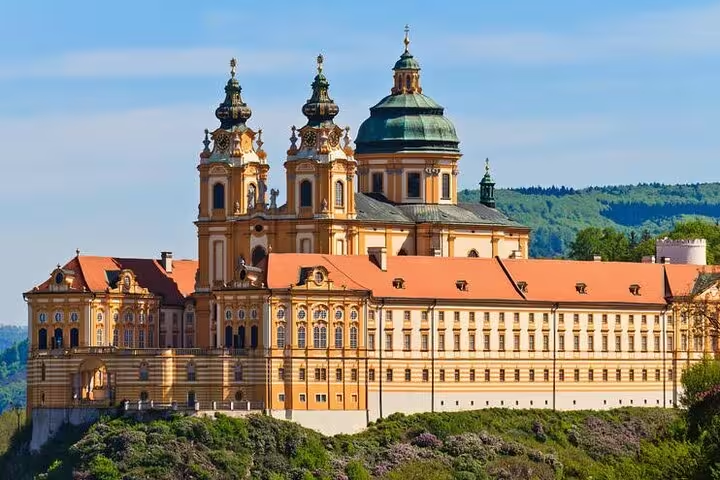
Melk Abbey is one of the most iconic baroque landmarks on the Danube and a major reason travelers fall for the area’s scale and craftsmanship. It matters because it anchors the region’s religious and architectural history and pairs easily with river viewpoints. Practical tip, combine it with a Danube day so you can balance indoor touring with outdoor scenery.
Krems and Stein Old Town Stroll
Krems and its historic quarter, Stein, offer an easy, walkable mix of lanes, river atmosphere, and wine culture. It matters because it is one of the simplest places to feel the region’s rhythm without complicated logistics. Practical tip, start earlier in the day for calmer streets, then linger into the afternoon when cafés and wine spots feel most inviting.
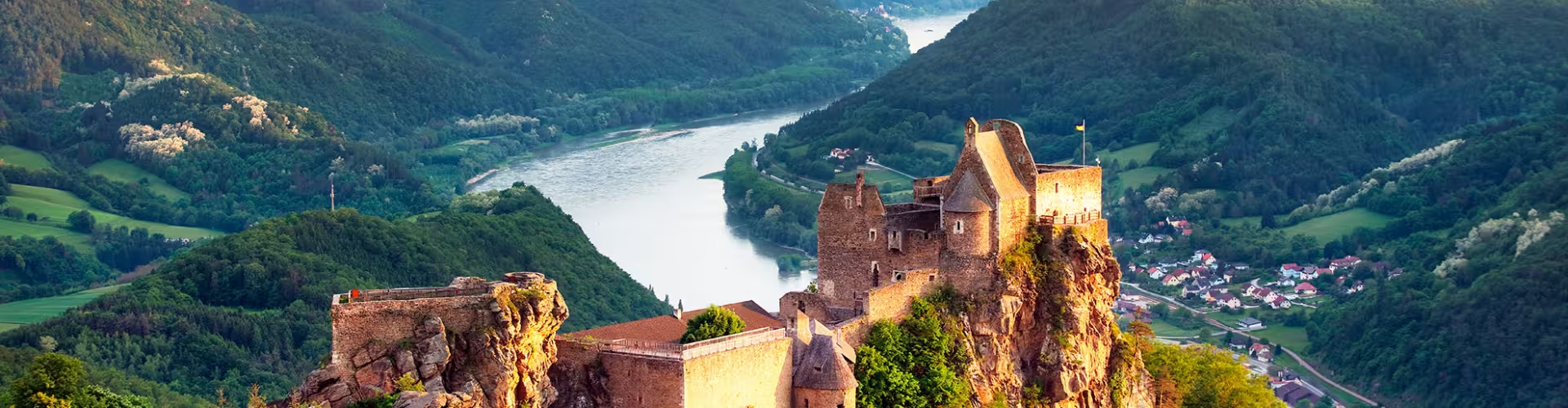
Dürnstein Ruins and Riverside Views
Dürnstein is famous for its dramatic setting and the hike up to its ruins, which rewards you with sweeping Danube views. It matters because it is a high return experience for a moderate effort, and the village below is a classic stop for photos and a relaxed meal. Practical tip, wear shoes with grip, and time the climb when the light is softer for better views and comfort.
Wine Tavern Culture in the Vineyards
Traditional wine taverns are a defining part of regional life, simple, social, and focused on local pours and seasonal snacks. It matters because it is one of the most direct ways to connect with local producers and the agricultural identity of the area. Practical tip, keep your schedule flexible, these places are best enjoyed slowly, and a spontaneous stop often becomes the highlight of the day.
Danube Cycling and Riverside Paths
The Danube corridor is well suited to cycling, with scenic stretches that let you move at landscape speed rather than car speed. It matters because it connects villages and viewpoints in a way that feels active but not extreme. Practical tip, plan a one way route and return by train or local transport where possible, so you can focus on the ride rather than doubling back.
Vienna Woods Nature Escape
The Vienna Woods offer a quick transition from city edges to forested trails and viewpoints. It matters because it provides a nature reset without a long commute, ideal if your trip also includes Vienna. Practical tip, pack layers, forest microclimates can feel cooler, especially in shoulder seasons.
Castle and Monastery Hopping by Scenic Drive
Beyond the headline sights, the region is dotted with smaller castles, churches, and monastery complexes that add depth to a road trip. It matters because it turns travel time into discovery, and you can tailor stops to your interests. Practical tip, keep a loose route and prioritize viewpoints and villages over trying to tick off too many interiors in one day.
Start with a morning visit to Melk, then follow the Danube into the Wachau for village stops and river viewpoints. Choose one main walk, such as the Dürnstein ruins hike, then reward yourself with a slow lunch and a wine focused afternoon in a nearby town. Finish with a golden hour riverside stroll, keeping your evening flexible for a relaxed dinner rather than more driving.
Day 1, base yourself in or near Krems and explore Krems and Stein on foot, then take a short hop to a Danube village for an easy viewpoint walk and an unhurried meal. Day 2, focus on the Wachau, choose a longer scenic walk or a cycling segment, then spend the late afternoon in a wine tavern setting where the pace naturally slows. Day 3, pivot to the Vienna Woods for trails and viewpoints, or add a scenic drive that links smaller towns and countryside stops, keeping the day light enough to enjoy the landscapes rather than only the destinations.
Apricot specialties from the Wachau
Apricot products are a regional calling card, often showing up as jams, desserts, and sweet treats with a bright, fruity tang. Ordering tip, ask for an apricot dessert option if the menu highlights local ingredients, it is often a house favorite.
Local white wines
White wines are central to the Danube vineyard identity, typically crisp and food friendly. Ordering tip, if you are unsure, ask for a local recommendation by the glass so you can compare styles without committing to a full bottle.
Heuriger style plates
Wine tavern food is usually simple and seasonal, designed to pair with local pours and shared at the table. Ordering tip, choose a mixed plate to sample more than one flavor, it is often the easiest way to understand the local style.
Apple and orchard flavors
Orchard fruit shows up in juices, pastries, and rustic desserts, with a clean sweetness that suits afternoon breaks. Ordering tip, look for homemade or house made wording on menus if you want the most characterful version.
Hearty Austrian comfort dishes
In cooler months, taverns and inns lean into warming plates that match the countryside setting. Ordering tip, if you plan a hike or a long walking day, choose a heartier dish earlier, then keep dinner lighter.
Getting around Lower Austria is easiest when you mix modes, trains and buses for town to town connections, walking for old centers, and occasional car use for rural viewpoints and flexible stops. In Danube towns, walking is often the best way to absorb the atmosphere, while cycling can be ideal for linking villages without parking concerns. If you drive, plan for scenic roads and photo stops, and avoid overpacking your day with timed visits. For accessibility, choose a base with straightforward transport links, then add shorter outings so you can adjust for terrain and energy.
Wachau Valley villages
A classic day trip corridor for river scenery, vineyard terraces, and compact historic stops. Travel time varies by your starting point, but it is often the easiest high impact outing from the Vienna area. Primary reason to visit, iconic Danube landscapes paired with walkable towns.
Melk and the Danube corridor
A focused day built around Melk Abbey and nearby riverside viewpoints. Travel time is manageable from Vienna and from Wachau bases. Primary reason to visit, a major landmark that anchors the region’s cultural story.
Krems an der Donau
An easy day trip for old town atmosphere and wine culture, with a strong sense of place even in a short visit. Travel time is typically short from Vienna, depending on your route. Primary reason to visit, a walkable historic center that pairs well with Danube outings.
Vienna Woods
A nature focused escape that complements Danube and town days. Travel time is short from Vienna’s edge and nearby areas. Primary reason to visit, forest trails and viewpoints that feel far from the city without requiring long travel.
Is Lower Austria easy to visit without a car?
Yes, many towns and Danube corridor stops are reachable by train and bus, especially if you base yourself well. A car helps for rural viewpoints and flexible countryside stops, but it is not essential for a highlights trip.
How many days do I need for Lower Austria?
One day works for a Danube highlights loop, especially around Melk and the Wachau. Two to three days lets you add slower village time, a longer walk or cycle segment, and a nature day in the Vienna Woods.
What is the best season to visit?
Spring and autumn are popular for comfortable walking weather and vineyard scenery. Summer is lively and scenic, but you should expect more visitors in the most famous Danube villages.
Where should I base myself for the Wachau area?
Krems is a practical base if you want a larger town feel with easy access to Danube villages. Smaller villages are more atmospheric at night, but they can be less convenient for broader transport connections.
What should I pack for a trip that includes villages and hikes?
Bring comfortable walking shoes for cobblestones and uneven paths, plus layers for changing temperatures near the river and in forests. If you plan wine tavern stops, a flexible schedule helps as much as any item in your bag.