Ephesus: tours and ancient sites
Several kilometres separate Ephesus from Turkey's Aegean coast today. In Roman times, it prospered as a port and served as a provincial capital in Asia Minor. Its surviving ruins preserve much of the Roman urban landscape. UNESCO added the ruins to its World Heritage List in 2015.
Ephesus tours
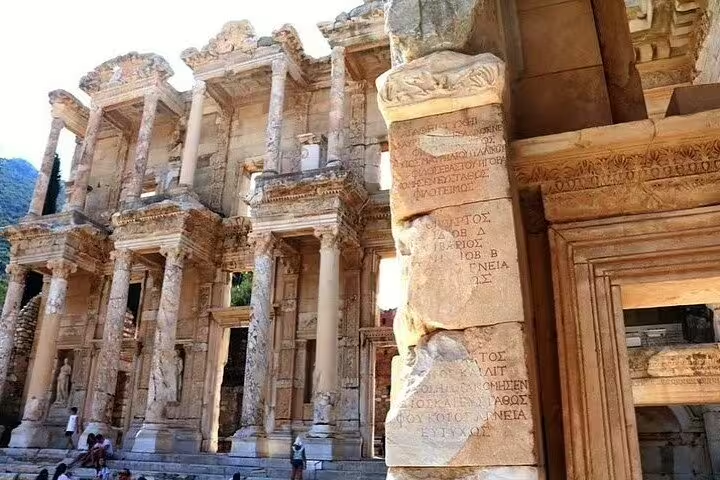
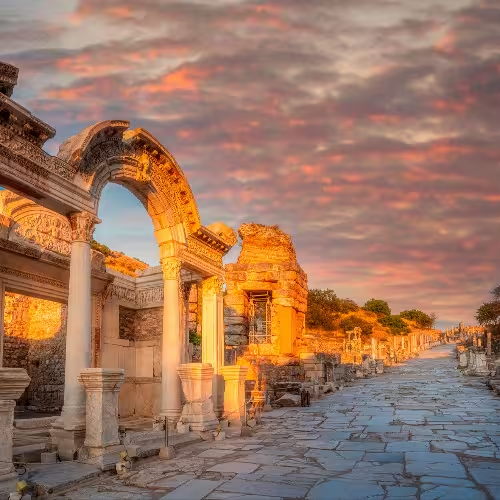
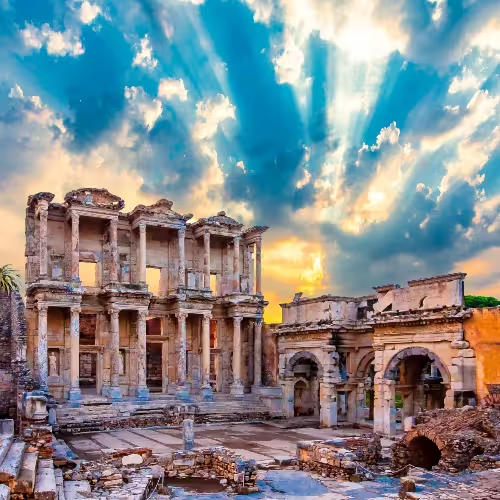
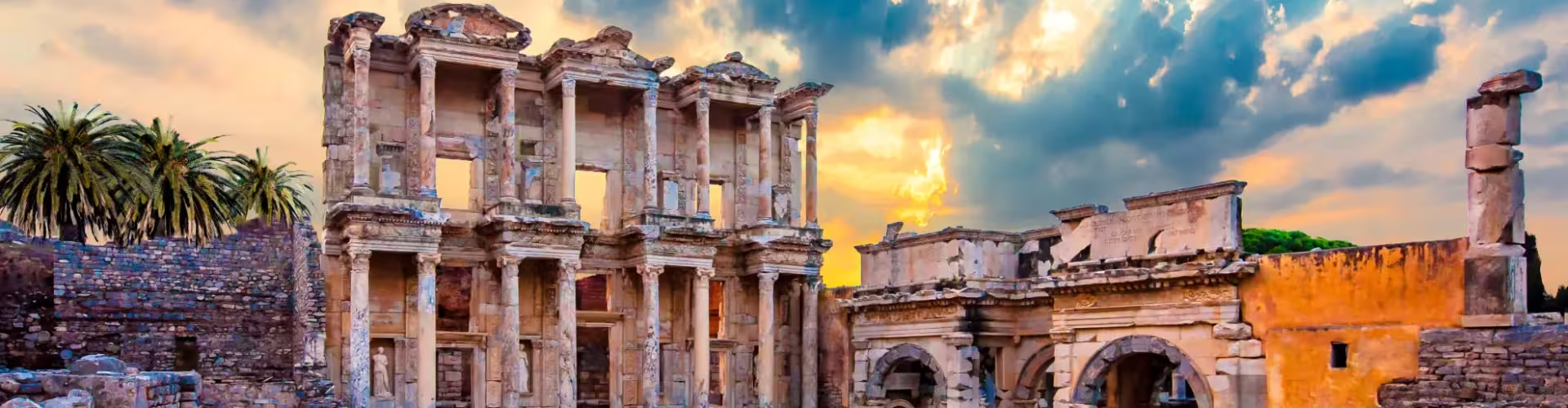
The ancient city's main street traces an older ceremonial route linking monuments including the Library of Celsus and the Great Theatre. The theatre is estimated to have seated up to about 25,000 people. Excavated homes retain wall paintings and mosaic decoration.
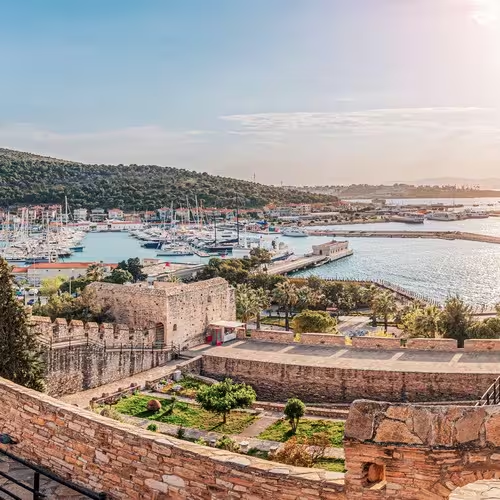
A private Ephesus tour for cruise passengers from Kuşadası port lasts 5 hours and includes van or minibus transport, a licensed professional guide and visits to Ephesus, the Temple of Artemis and the House of the Virgin Mary.
The Ephesus and Pamukkale tour from Kuşadası in a small group takes 2 days and includes a licensed professional guide, ground transport, entry to the House of the Virgin Mary and the Temple of Artemis, and visits to the Pamukkale travertine terraces and Hierapolis.
The small group tour of Ephesus, Pergamum and Pamukkale lasts 3 days, with a licensed professional guide throughout and a group limited to 10 guests.
Ephesus in Turkey
Ephesus occupied land that once formed the Kaystros River estuary. Traces of its harbours record a westward movement of the port as sediment accumulated. Curetes Street links the upper and lower city along the line of the former ceremonial route.
At Çukuriçi Höyük, 200 m southeast of Ephesus, prehistoric discoveries show that people lived there from the seventh millennium BCE. Excavations since 2006 have uncovered a long sequence of superimposed settlements at the site. Archaeological finds place the arrival of the first Greek colonisers at about 1000 BCE. Lysimachos, one of Alexander's twelve generals, founded Ephesus at its present location.
The Temple of Artemis survives mainly as a paved altar area and a single rebuilt column. Fire struck the temple in 356 BCE, and reconstruction was still unfinished when Alexander the Great visited Ephesus in 334 BCE. British architect John Turtle Wood located the temple's remains in 1869.
An Ephesus and Pamukkale day trip from Kuşadası lasts 13 hours and includes a licensed professional guide, lunch and a vehicle with air conditioning.
Selçuk and Ayasuluk Hill
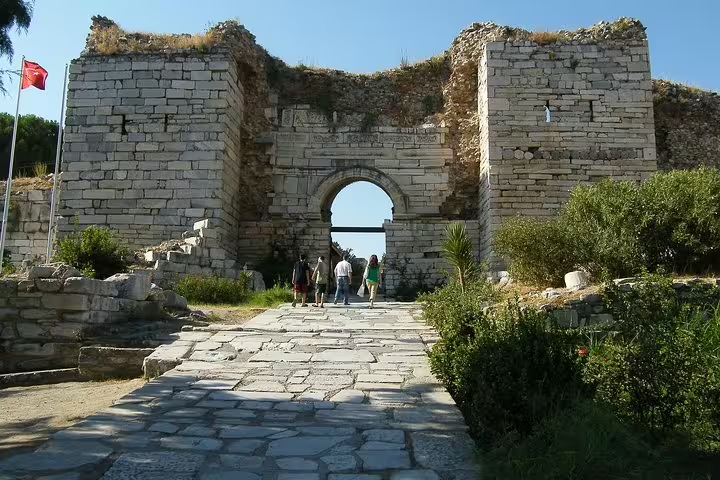
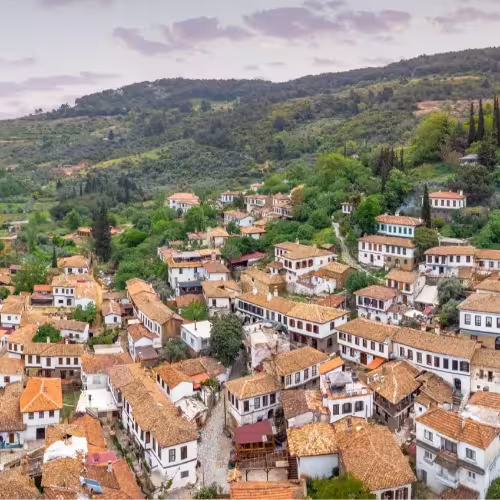
Selçuk stands about 3 km northeast of ancient Ephesus. The name Ephesus may come from Apasas, a settlement on Ayasuluk recorded in Hittite and Egyptian texts. On Ayasuluk Hill, the remains of the Basilica of St John reflect Ephesus's significance in Christian history. A church erected over St John's burial in the fourth century was enlarged into a basilica during Justinian's sixth century reign. The İsa Bey Mosque, baths, tombs and Citadel illustrate development around the hill from the fourteenth century onwards.
The House of the Virgin Mary
The House of the Virgin Mary lies about 7 km from Selçuk (8 km from the Upper Gate of Ephesus) and is a chapel with a cross shaped plan at Meryemana. It draws Christian pilgrims, especially for the Assumption of Mary on 15 August. Ephesus also hosted early Church councils in 431 and 449 CE. Its Christian significance includes its place among the Seven Churches of Asia.
Frequently asked questions
Is Ephesus a UNESCO World Heritage Site?
The ruins joined the UNESCO World Heritage List in 2015.
What survives at the Temple of Artemis?
Its principal surviving features are the paved altar area and one reconstructed column.
Where is Selçuk in relation to Ephesus?
Selçuk stands about 3 km northeast of ancient Ephesus.
What is the House of the Virgin Mary?
It is a chapel with a cross shaped plan at Meryemana, about 7 km from Selçuk (8 km from the Upper Gate of Ephesus).
How long is the Ephesus and Pamukkale day trip?
The day trip from Kuşadası lasts 13 hours and includes a licensed professional guide, lunch and transport in a vehicle with air conditioning.