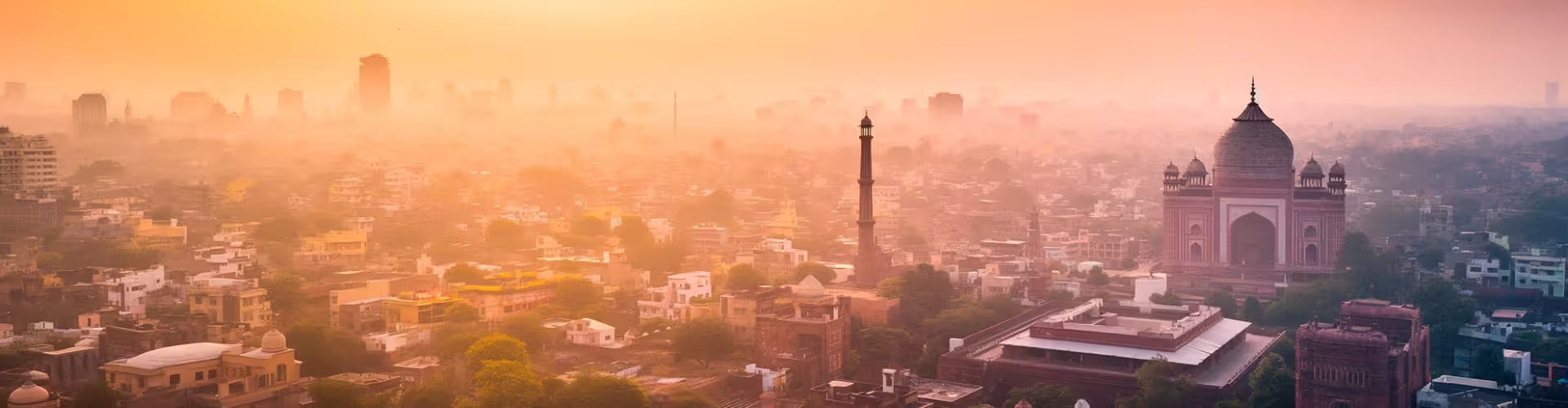
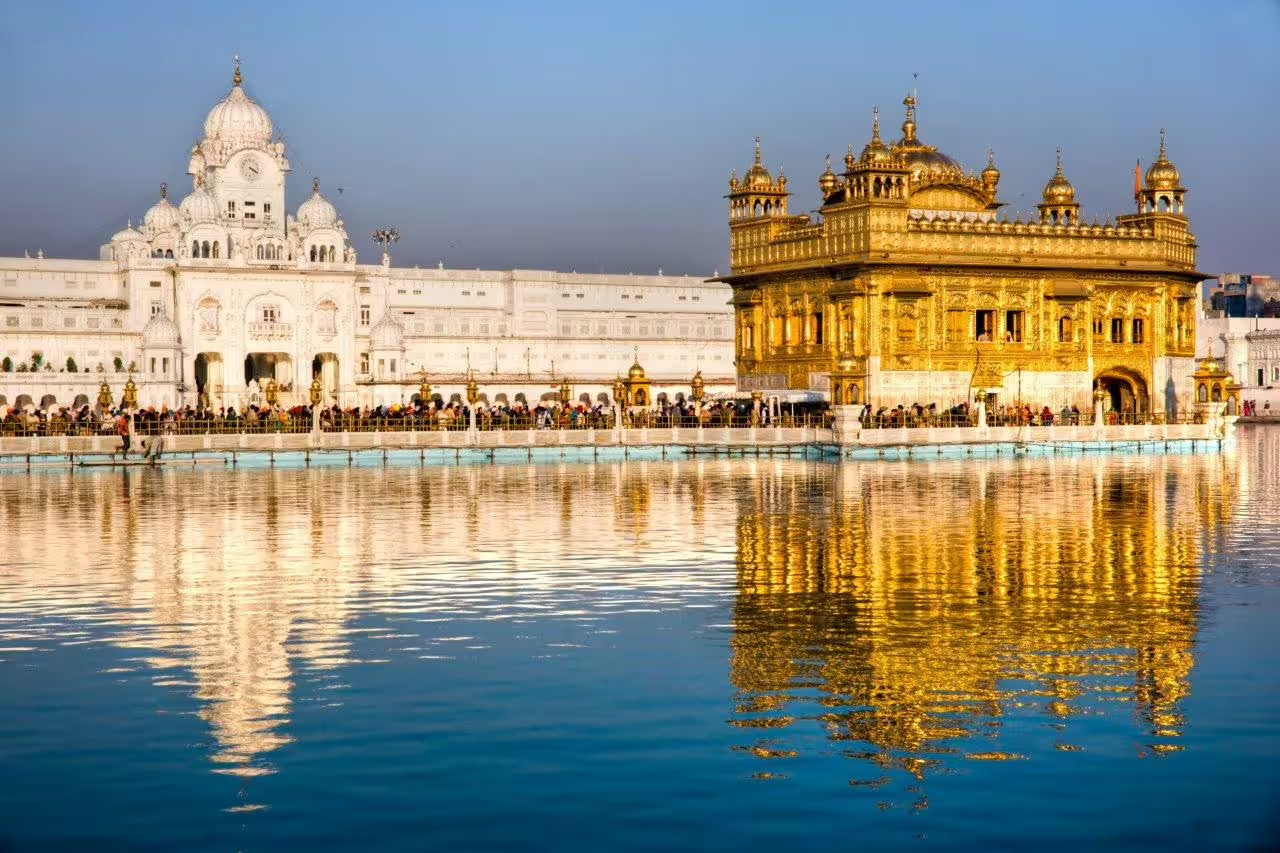
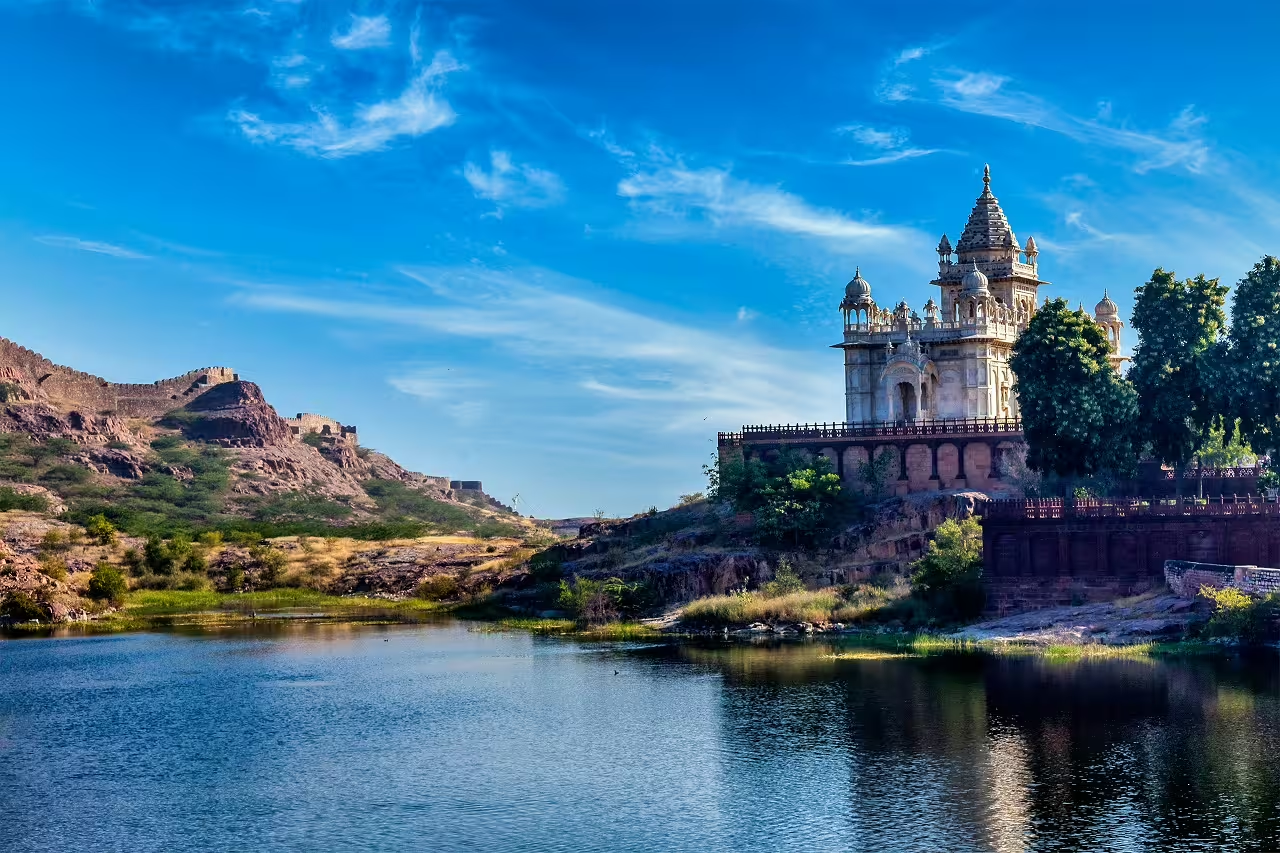
North India represents the historical and cultural heartland of the Indian subcontinent, home to the iconic Taj Mahal and the ancient spiritual city of Varanasi. This region encompasses diverse landscapes, vibrant cities, and centuries-old temples that attract millions of visitors annually. The northern plains stretch across multiple states, each offering distinct cultural experiences and architectural marvels.
What to see in North India
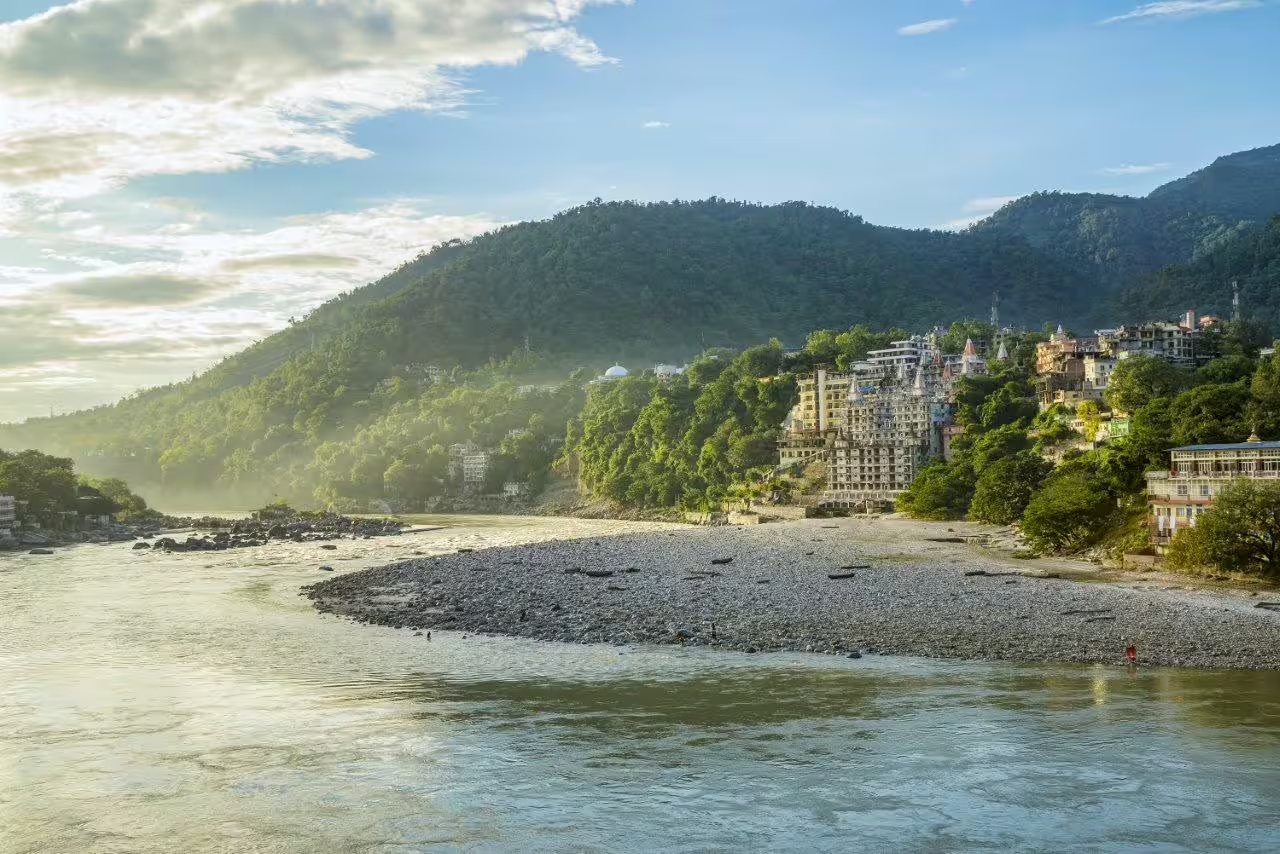
The Taj Mahal in Agra stands as one of the world's most recognizable monuments, a masterpiece of Mughal architecture. Varanasi's ghats along the Ganges River present a profound spiritual landscape, while Delhi combines colonial heritage with modern development. The snow-capped Himalayas, ancient temples in Mathura and Vrindavan, and the pink city of Jaipur offer visual and cultural richness.
Things to do in North India
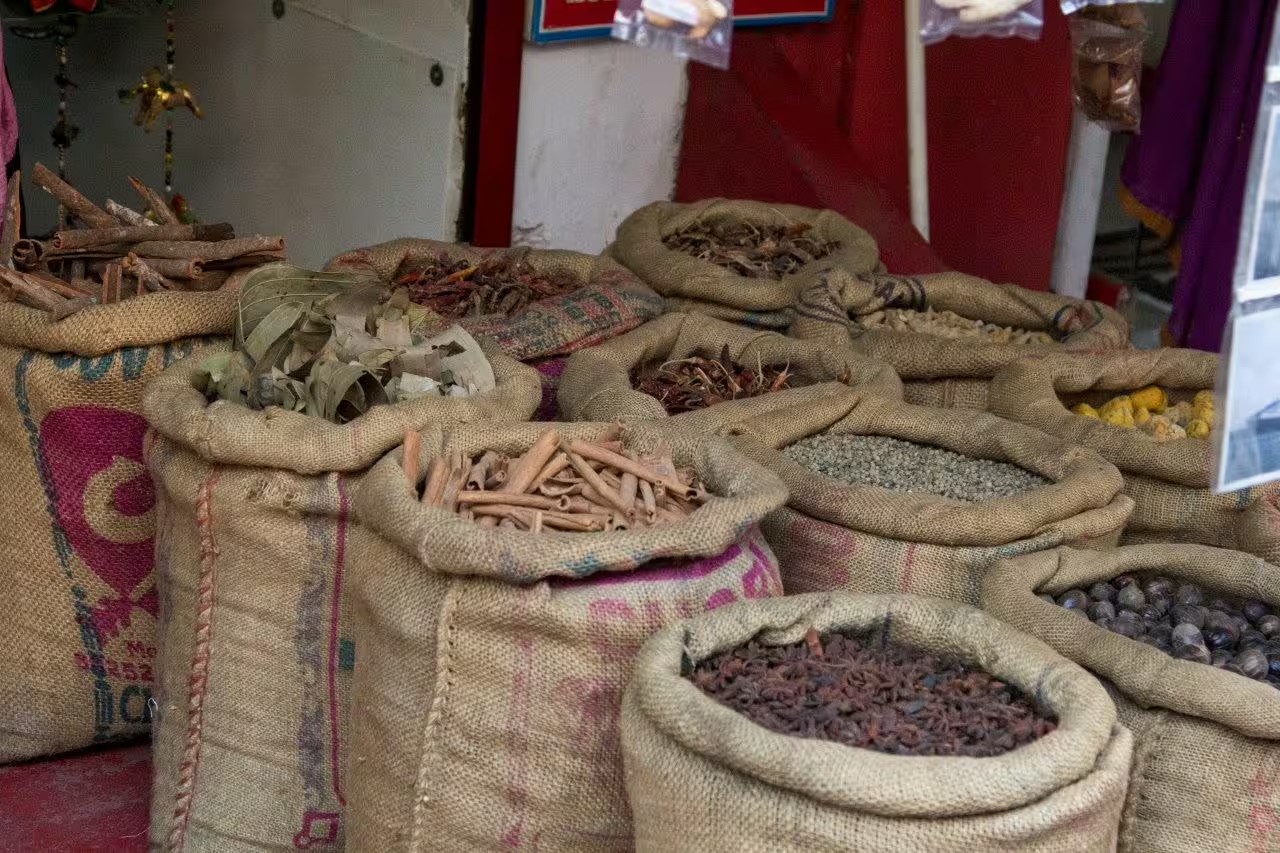
Visitors can take sunrise boat rides on the Ganges, explore bustling bazaars in Delhi and Agra, and trek through Himalayan foothills. Pilgrimage tours to sacred sites, camel safaris in Rajasthan, and guided tours of historical monuments provide varied experiences. Attending local festivals and sampling regional cuisine offer deeper cultural immersion.
Spiritual and Cultural Significance
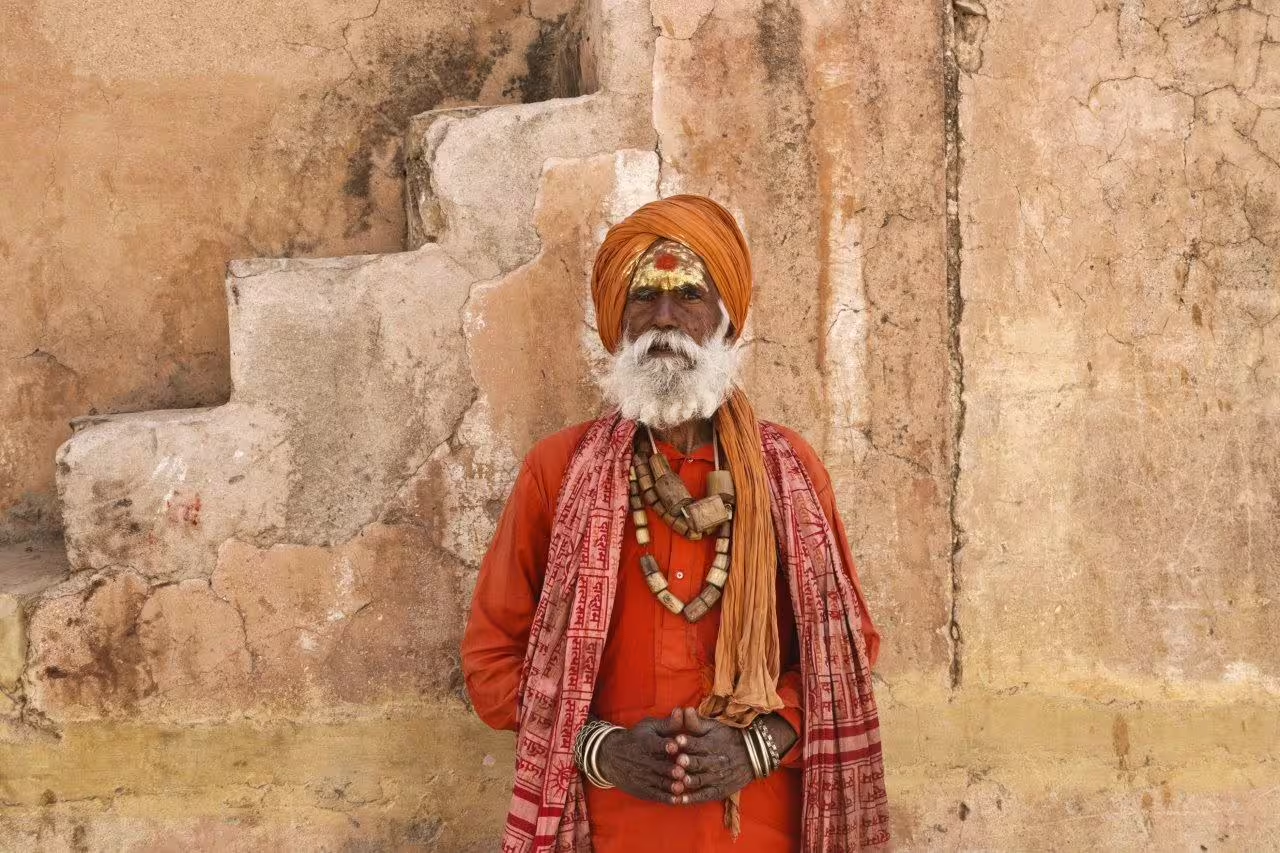
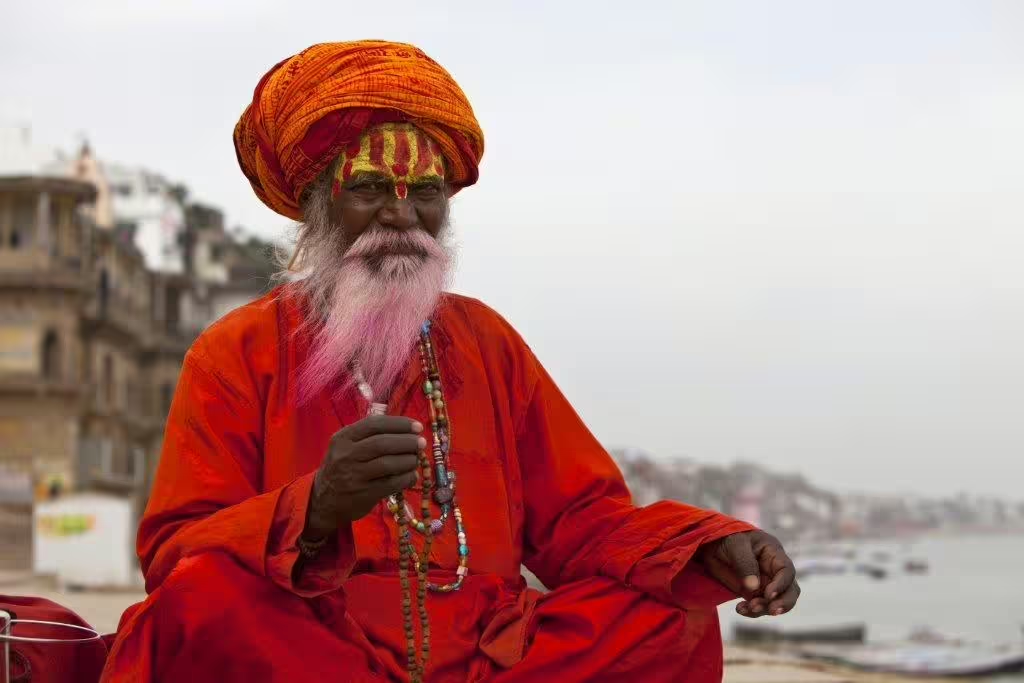
North India holds profound spiritual importance, particularly Varanasi, where pilgrims gather for daily rituals along sacred riverbanks. The region's festival calendar includes Diwali, Holi, and Kumbh Mela, celebrations that reflect deep-rooted traditions. Temple complexes and ashrams throughout the region attract seekers and cultural enthusiasts exploring India's philosophical heritage.