Last updated:


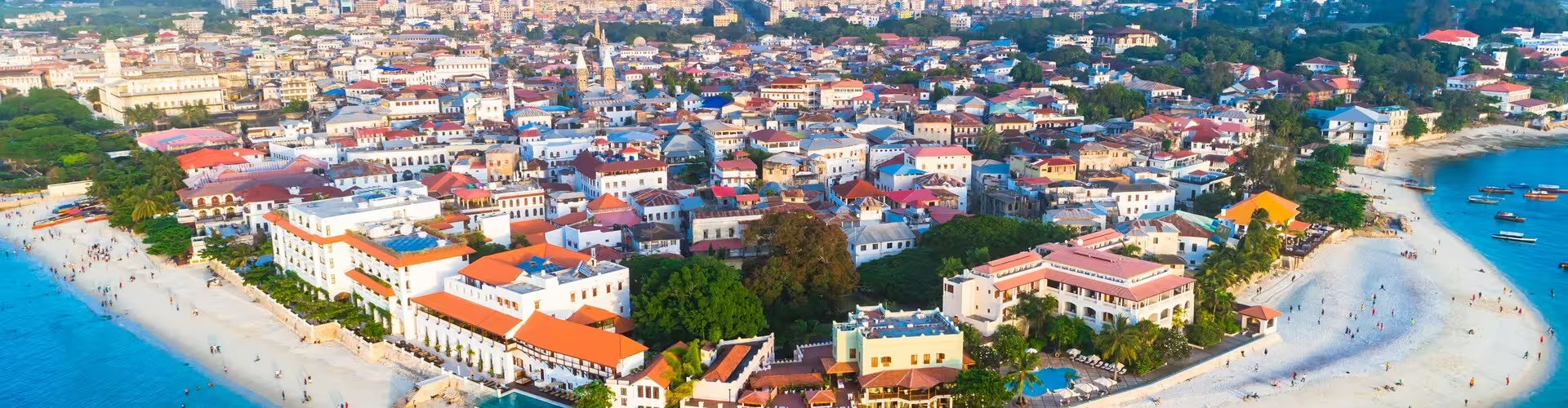
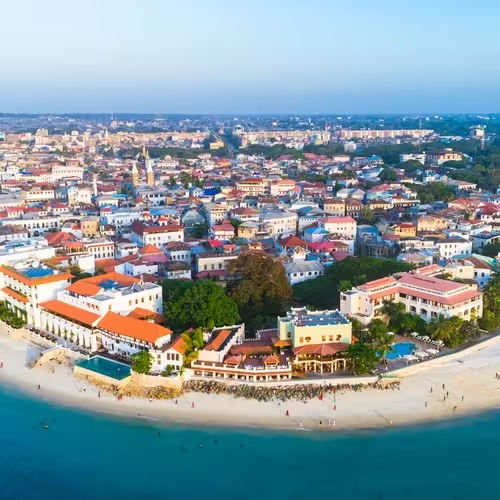
A Zanzibar trip can bring together the history of Stone Town and the forests of Jozani-Chwaka Bay. That gives you a useful way to shape your stay: time among historic buildings, a visit to Changuu Island and a day focused on forest habitats.
History and nature make a useful starting point for deciding what to do in Zanzibar. Stone Town brings you face to face with the history of enslavement at Christ Church Cathedral, while Jozani-Chwaka Bay has mangroves and several types of forest. The contrast is a reason to leave room for both, rather than fill the whole stay with historic buildings.
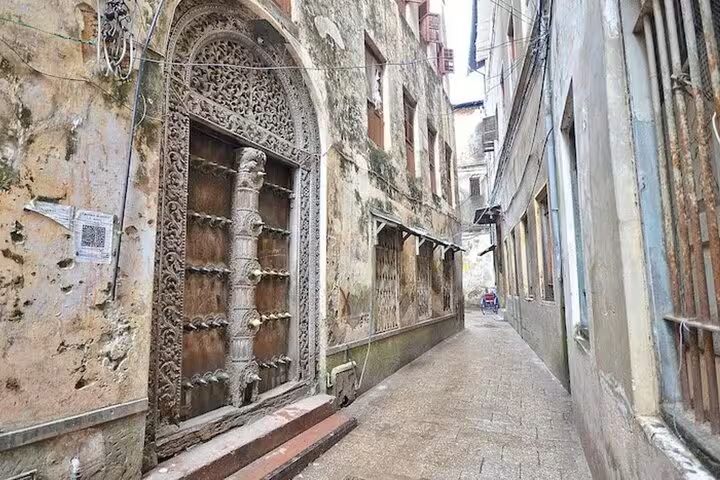
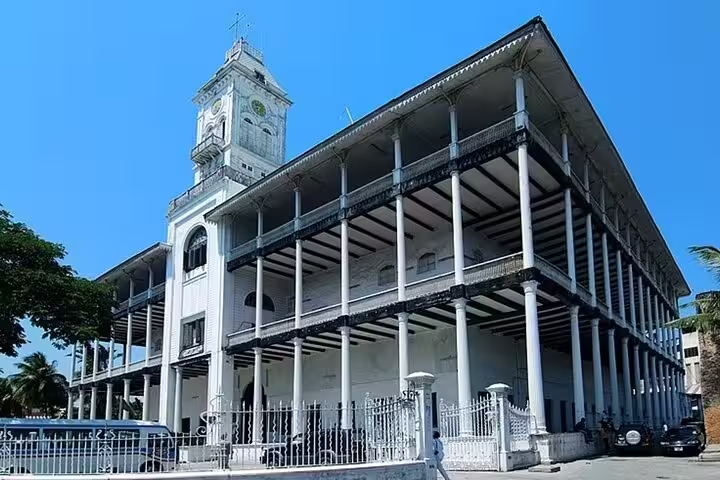
Christ Church Cathedral and the House of Wonders give a Stone Town visit a clear historical focus. The cathedral occupies the former slave market site, with its high altar said to mark where the whipping post stood. The House of Wonders, also called Beit al-Ajaib, was built for Sultan Barghash bin Said in 1883 as a palace for ceremonies and official receptions. Seeing these places together puts royal ceremony alongside the history of enslavement, rather than treating the buildings simply as scenery.
A private walking tour of Stone Town and Zanzibar markets lasts 3 hours and 30 minutes and includes a certified local guide, historical commentary and street food sampling at Darajani Market.
Three days is a practical outline for a stay centred on history and forest: a day in Stone Town, a day for Changuu Island and a day for Jozani-Chwaka Bay. This is a suggested pace for those interests, with the cathedral and House of Wonders filling the historical part and the forest providing a change of focus.
For a shorter plan, the Stone Town and Prison Island day trip with BBQ lunch lasts 6 hours and includes an English-speaking guide, snorkelling equipment and a BBQ lunch with fresh tropical fruit on a sandbank.
September is an option for a trip built around walking and outdoor visits if you are comfortable with daytime heat. The WMO 1991-2020 climate normals put its average daily high at 30.4 °C and its average daily low at 21.0 °C, with rain on an average of 5 days. That supports allowing for both warm walks and some rain, rather than expecting a completely dry visit.
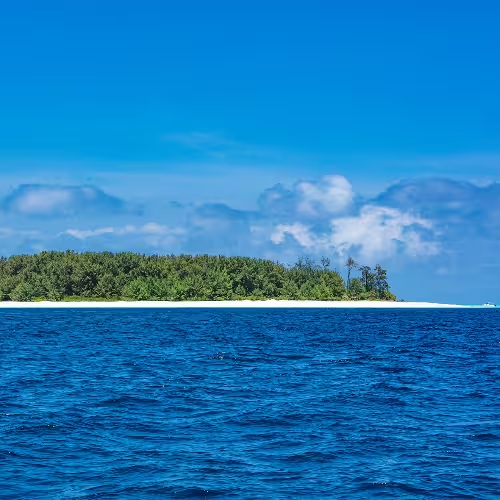
Changuu Island offers an unexpected piece of history: its prison building never housed prisoners. The island instead became a quarantine station, and in 1923 it was officially renamed Quarantine Island, giving a historical visit a different focus from the name alone.
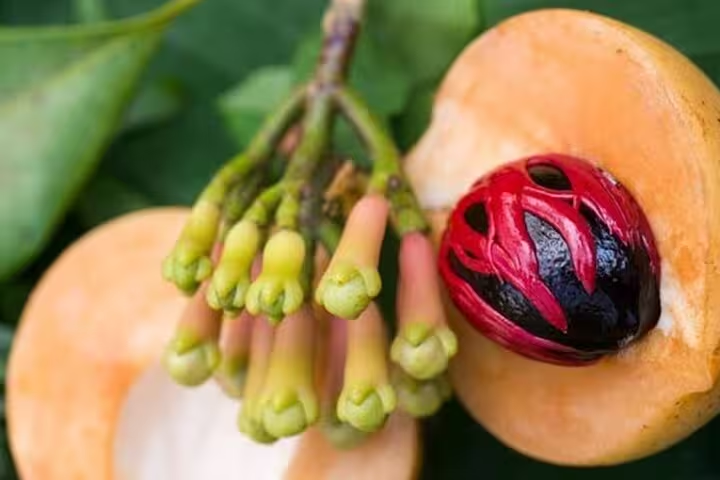
The guided tour of Stone Town, Prison Island and a spice farm lasts 6 hours and includes an English-speaking guide, a Stone Town walk, a guided spice plantation visit with tasting and snorkelling equipment.
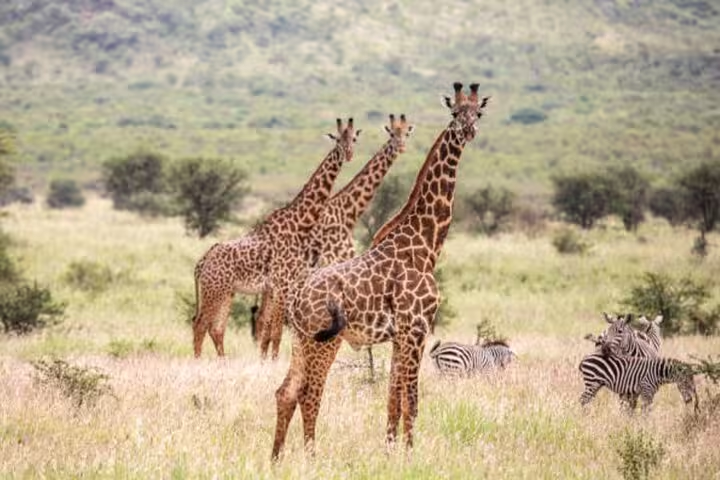
Jozani is worth including for its variety of forest habitats and its endangered wildlife. Mangroves, tropical forest, coral rag forest and groundwater forest form the landscape of the Jozani-Chwaka Bay biosphere reserve. Its wildlife includes the Zanzibar red colobus and the Kassina Jozani frog, both endangered endemic species. Around half of the Zanzibar red colobus population lives in Jozani-Chwaka Bay National Park, giving a wildlife-focused visit a clear place to concentrate on. These monkeys occur only in the Zanzibar archipelago, so their restricted range is another reason to include the forest alongside the historical visits.
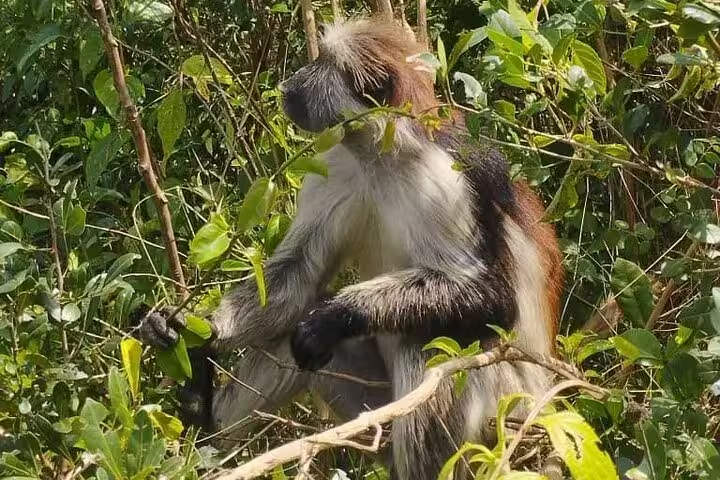
A Jozani forest and red colobus monkeys half-day tour lasts 6 hours and includes a local guide, forest entry, a guided walk and a mangrove boardwalk visit.
Yes, he was born in Zanzibar on 5 September 1946, with the name Farrokh Bulsara.
Yes, Kiunguja is the Swahili dialect of Zanzibar and provided the basis for standard Swahili when the Inter-Territorial Language Committee was formed in 1930.
The Kiwengwa caves lie in the Kiwengwa-Pongwe Forest Reserve on the east coast of Unguja, across the island from Stone Town.