Paje

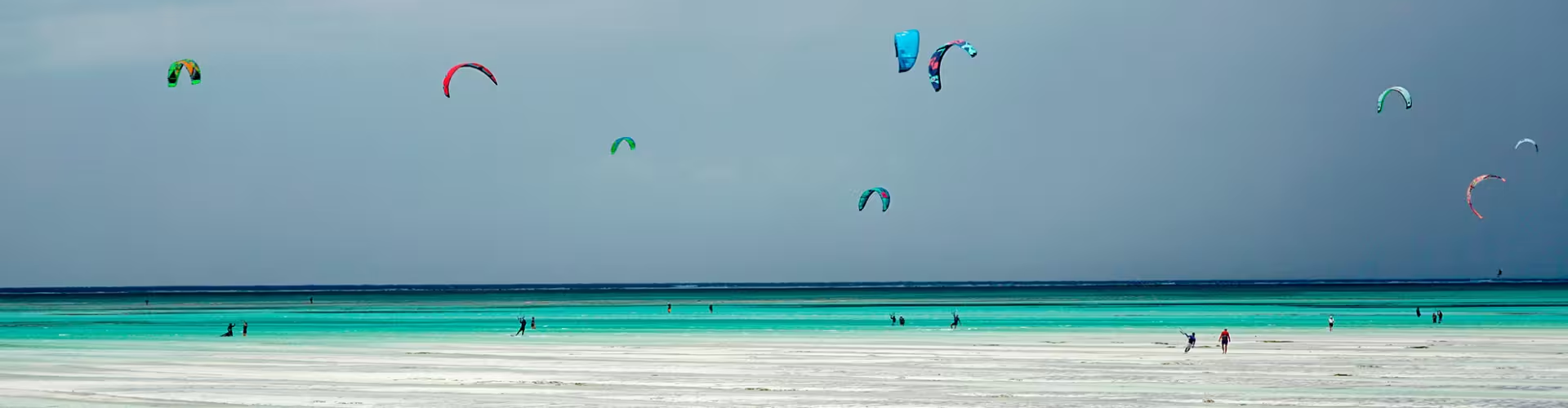
Paje is a stunning coastal village on Zanzibar's east coast, renowned for kitesurfing, white-sand beaches, and Swahili culture. Explore tidal flats, coral reefs, and local flavors in this Indian Ocean gem.

logoBlack

Build your dream
experience

dreamimg

More to know about Paje


Paje Travel Guide

Snapshot

Paje is a sun-soaked coastal village on the southeastern shore of Zanzibar, Tanzania, celebrated for its powder-white sands and turquoise tidal flats. The village blends a relaxed Swahili atmosphere with a thriving kitesurfing culture, drawing travelers who crave both adventure and barefoot luxury. Whether you arrive chasing wind or looking for total escape, Paje delivers an experience that lingers long after you leave.


Geography and Logistics

Orientation

Paje sits along Zanzibar's east coast, roughly 50 kilometers from Stone Town, the island's historic capital. The village stretches along a broad bay flanked by coral reef lagoons that expose vast, shallow sandbars at low tide. The seafront is lined with boutique guesthouses, kite schools, and open-air restaurants facing the Indian Ocean.

When to Go

The best time to visit is during the two dry seasons: June to October and December to February. Trade winds during these periods create ideal conditions for kitesurfing, and rainfall is minimal. The long rains fall between March and May, when some properties close and the sea can turn choppy.

Budget and Currency

Tanzania's official currency is the Tanzanian Shilling (TZS), though US dollars are widely accepted in tourist areas. Budget travelers can find simple guesthouses from around $20 to $40 per night, while mid-range beach lodges typically run $80 to $200. High-end boutique resorts can exceed $300 per night, particularly during peak season.


Essential Things to Do

Kitesurfing on the Tidal Flats
The shallow lagoon in front of the village is one of Africa's premier kitesurfing destinations, with consistent southeast trade winds known locally as the Kusi. Beginners benefit from knee-deep water and a forgiving sandy bottom, while advanced riders carve through open ocean swells beyond the reef. Several certified schools offer IKO-accredited courses and gear rental. Practical Tip: Book lessons at least a day in advance during peak season as schools fill quickly.

Low-Tide Sand Bar Walks
When the tide retreats, the ocean floor transforms into an otherworldly landscape of golden sandbars stretching hundreds of meters offshore. Local women wade out to tend seaweed farms, creating a scene that is both photogenic and culturally revealing. Walking these flats at sunrise is one of the most peaceful experiences on the island. Practical Tip: Check tide tables daily, as low tide changes by roughly 45 minutes each day.

Snorkeling and Reef Diving
The fringing coral reef just beyond the lagoon shelters colorful marine life including parrotfish, moray eels, and occasional hawksbill turtles. Several operators run half-day snorkel trips and PADI dive courses from the beach. Water visibility is best between June and October. Practical Tip: Bring reef-safe sunscreen to protect the coral ecosystem.

Sunrise Dhow Cruise
Traditional wooden dhows depart early morning for leisurely sails along the coast, often stopping at sandbanks for a swim. The experience offers a window into centuries of Swahili maritime culture. Sunset trips are equally popular and often include light refreshments. Practical Tip: Negotiate prices directly with boat owners at the beach for better rates.

Seaweed Farm Visit
The village has a long tradition of seaweed cultivation, and local cooperatives welcome visitors to learn about the harvesting process. This sustainable farming practice supports hundreds of women in the community. A short guided walk provides genuine insight into coastal livelihoods. Practical Tip: Purchase seaweed soap or beauty products directly from cooperatives to support local income.

Cycling the Coastal Road
Renting a bicycle and pedaling along the unpaved coastal track north toward Bwejuu or south toward Jambiani is a rewarding half-day adventure. The route passes fishing villages, coral-stone mosques, and swaying palm groves. Traffic is minimal and locals are consistently welcoming. Practical Tip: Start early to avoid midday heat and carry plenty of water.

Yoga and Wellness Retreats
A growing number of eco-lodges and dedicated retreat centers offer daily yoga sessions overlooking the ocean. Multi-day programs combining yoga, meditation, and Swahili cooking classes have made the village a quiet wellness hub. The tranquil environment makes even a single session feel restorative. Practical Tip: Many resorts offer drop-in rates for non-guests if you ask at reception.


Curated Itineraries

The Highlights (1 Day)

Begin the morning with a low-tide walk across the sandbars, then grab a fresh coconut from a beachside vendor. Spend mid-morning observing a kitesurfing lesson or joining a beginner session yourself. After lunch at a seafront restaurant, arrange an afternoon snorkel trip to the coral reef. End the day with a sunset dhow cruise before dining on grilled seafood under the stars.

Deep Dive (2 to 3 Days)

Day one follows the highlights itinerary above. On day two, rent a bicycle and ride the coastal track to Jambiani village, stopping at a seaweed cooperative and a traditional fishing harbor. Day three can be dedicated to a full kitesurfing course or a day trip to Mnemba Atoll for world-class diving. Spend your evenings exploring the village's small bar scene and sampling local Swahili street food.


Flavors of Paje

Urojo (Zanzibar Mix): A tangy, turmeric-based soup loaded with fritters, potatoes, and chutney, sold by street vendors in the evenings. Order it with extra chili if you like heat.

Grilled Lobster: Freshly caught and cooked over charcoal, lobster is surprisingly affordable at beachside restaurants compared to international prices. Ask your server what was caught that morning for the freshest option.

Pilau Rice: Zanzibar-style pilau is fragrant with cardamom, cinnamon, and cloves, reflecting centuries of spice trade influence. It pairs perfectly with slow-cooked meat or vegetable stew.

Coconut Fish Curry: Locally caught white fish simmered in rich coconut milk with fresh ginger and tomatoes. Most guesthouses prepare this as a daily special, often served with chapati.

Spiced Kahawa (Coffee): Brewed with cardamom and ginger in small copper pots, Zanzibari coffee is served in tiny cups throughout the day. Accept a cup when offered as a gesture of Swahili hospitality.

Tropical Fruit Smoothies: Roadside stalls blend fresh mango, passion fruit, pineapple, and papaya into thick, affordable smoothies. These are ideal for breakfast or a mid-afternoon refresher after beach activities.


Navigation and Transport

The most convenient way to reach the village from Stone Town is by private taxi or a shared dala-dala minibus, with the journey taking approximately 60 to 90 minutes depending on road conditions. Taxis can be arranged at the airport or through your accommodation. Once in the village, most attractions are walkable, and bicycle rentals are available for wider exploration. Motorbike taxis (boda-bodas) are a cheap and common option for short rides between neighboring villages.


Beyond the Center: Day Trips

Jambiani Village: Just a short ride south, Jambiani offers a quieter, more traditional coastal atmosphere with excellent snorkeling and a strong community tourism program.

Stone Town: A UNESCO World Heritage Site, the island's historic capital rewards exploration with its labyrinthine alleys, carved wooden doors, and the atmospheric Forodhani Gardens night market. A full day is the minimum needed to appreciate it properly.

Mnemba Atoll: Accessible by boat from the northeast coast, this protected marine reserve is consistently ranked among the top dive sites in the Indian Ocean. Day trips can be arranged through dive operators in the village.

Jozani Forest: Tanzania's only national park on Zanzibar island, Jozani protects the rare Red Colobus monkey and a diverse mangrove ecosystem. The park is roughly 20 kilometers inland and easily combined with a Stone Town visit.

The Spice Farms: Guided tours of working spice plantations near Kizimbani offer a fragrant and educational half-day outing. Visitors can touch, smell, and taste nutmeg, vanilla, black pepper, and cloves in their natural environment.


Insider Tips for Travellers

  • Respect local dress codes when walking through the village: cover shoulders and knees away from the beach.
  • Negotiate taxi fares before entering the vehicle to avoid disputes on arrival.
  • Power cuts are common; carry a portable power bank for charging devices.
  • Tap water is not safe to drink; buy sealed bottled water or use a filtered bottle.
  • Tipping is appreciated but not mandatory; 10 percent at restaurants is considered generous.
  • The lagoon's shallow water is safe for swimming only around high tide; low tide can expose sharp coral.
  • Most accommodations require cash payment; ATMs are limited and not always reliable, so carry sufficient funds from Stone Town.
  • Bargaining is expected at markets and with boda-boda drivers, but always do so respectfully.

Frequently Asked Questions

Is Paje suitable for non-kitesurfers?
Absolutely. While the village is famous for kitesurfing, non-participants find plenty to enjoy, including snorkeling, dhow cruises, beach relaxation, yoga, and cycling excursions.

What is the best time of year to visit for kitesurfing?
The Kusi winds blow strongly from June to October, offering the most reliable conditions. A secondary wind season runs from December to February, known as the Kaskazi.

How safe is it to travel to this part of Zanzibar?
Paje is considered one of the safer coastal villages on the island. Standard precautions apply: avoid displaying valuables, use reputable transport, and stay aware of your surroundings after dark.

Can I visit on a day trip from Stone Town?
Yes, a day trip is feasible, though an overnight stay allows you to experience the low-tide sandbars at sunrise and the evening street food scene, which are highlights not possible on a rushed visit.

What currency should I bring?
US dollars in small denominations are widely accepted alongside Tanzanian Shillings. Paje has very few ATMs, so withdraw cash in Stone Town before traveling to the east coast.