Yes, the Douro Valley works as a day trip from Porto, and it is one of the most rewarding you can take. Pick how you want to travel first (train, boat or road), then decide how much wine and how much river you want in the day. A guided tour takes care of the driving, which matters in a wine region.
The Douro Demarcated Region, in northeast Portugal, covers about 250,000 hectares and is divided into three sub-regions: the Lower Corgo (Baixo Corgo), the Upper Corgo (Cima Corgo) and the Upper Douro (Douro Superior), which runs east to the Spanish border.
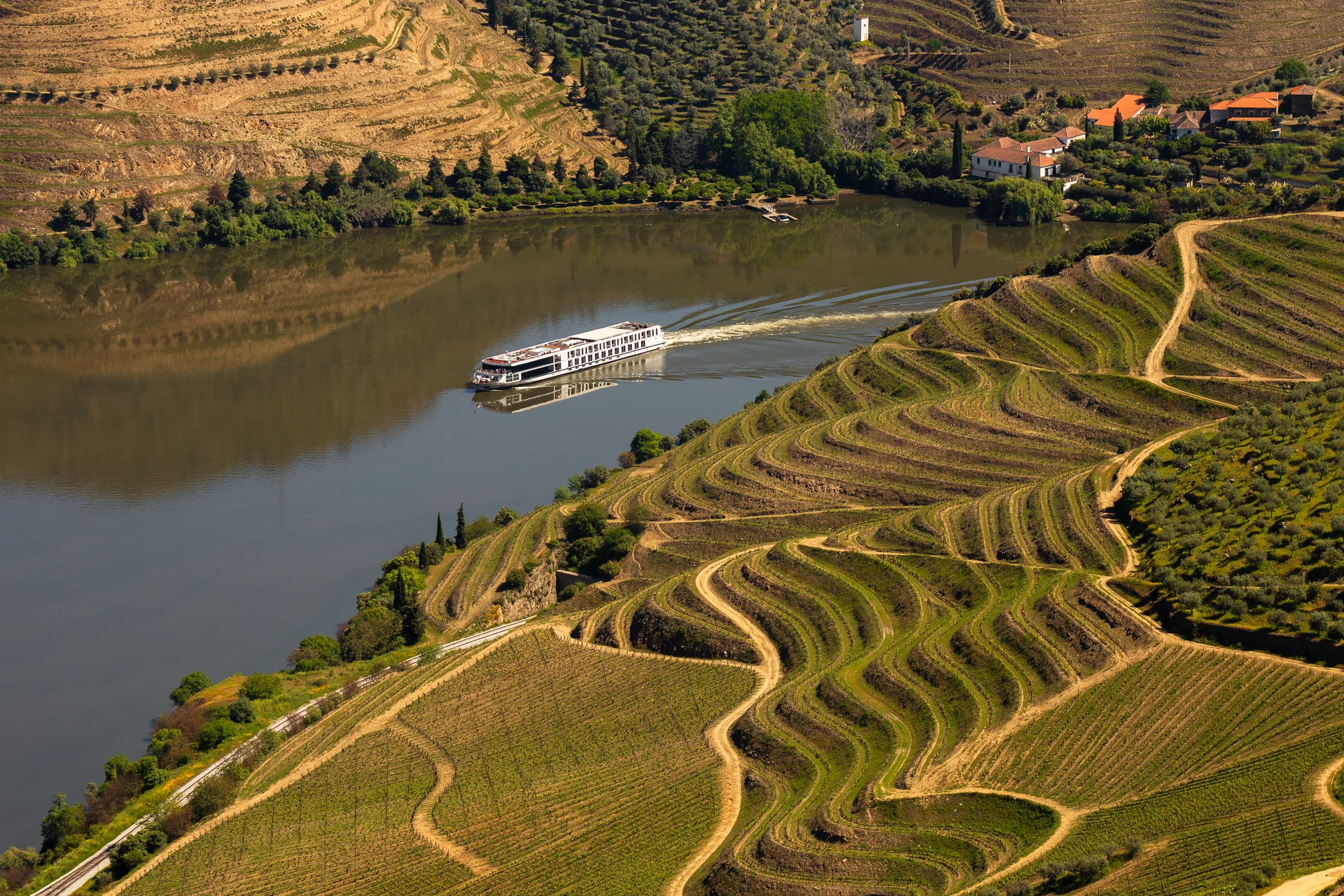
The Alto Douro Wine Region was inscribed as a World Heritage site in 2001: the mountain landscape of the Douro and its tributaries has been transformed by steeply sloping terraced vineyards.
Vines cover about 18% of the region's land and are worked by around 20,000 farmers, each with an average of 2 hectares of vineyard. A day in the valley is as much about that working landscape as about the wine.
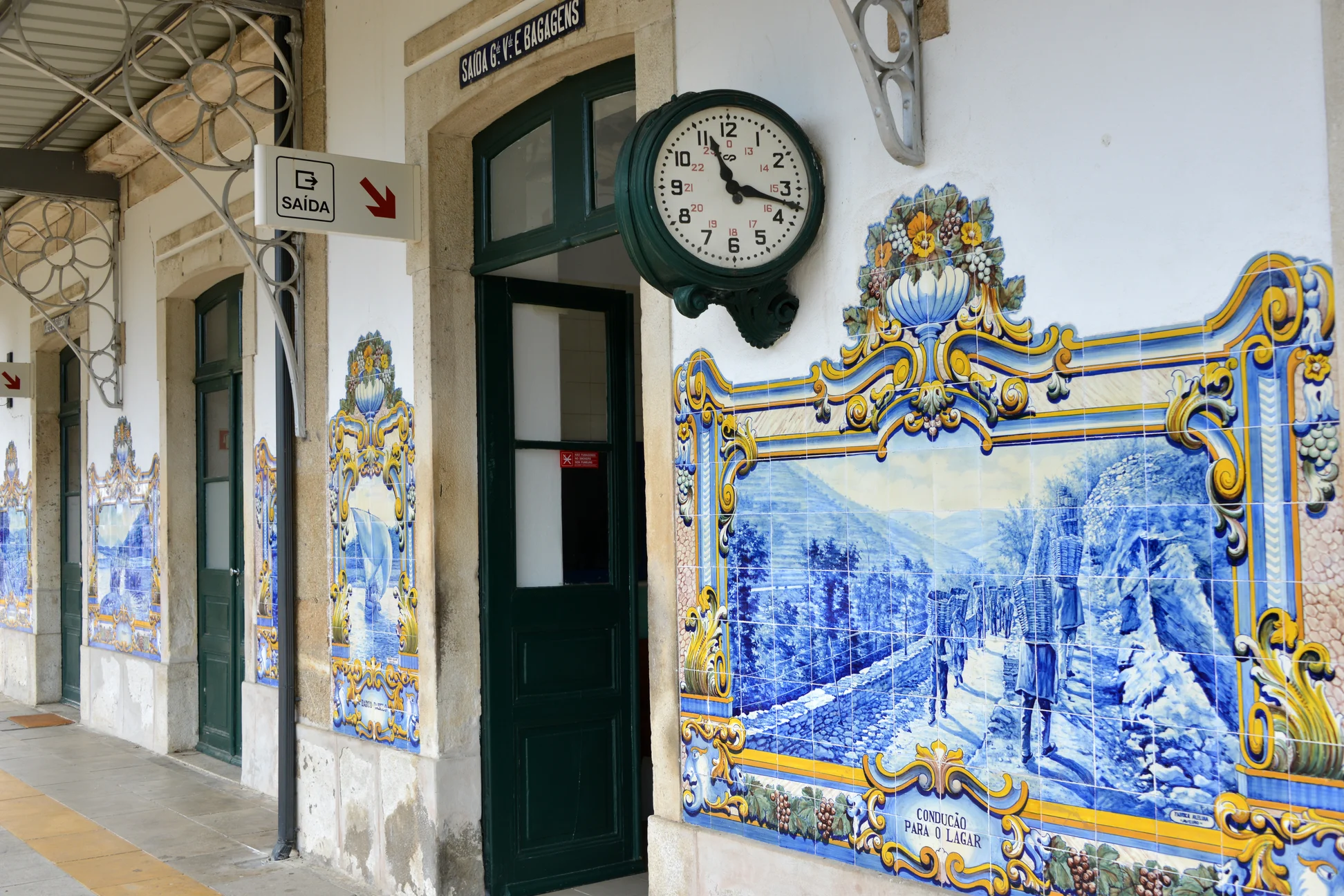
Trains leave Porto's São Bento station for Régua and Pinhão, two easy gateways to the valley, and in summer you can book a steam train. The Day Trip to Régua: Train, Douro Valley & Boat Return goes up by train and back by boat, and the Douro Valley Full-Day Private Tour by Train & Wine Tasting adds a guide and a tasting to the train ride.
By car, the N222 is the scenic road along the valley, but whoever drives has to go light on the tastings. That is the main reason to let someone else drive: the Full-Day Douro Valley Tour with Boat Trip & Wine Tasting and the Douro Valley Guided Tour: 3 Vineyards, Tasting & Lunch handle the road and the estates.
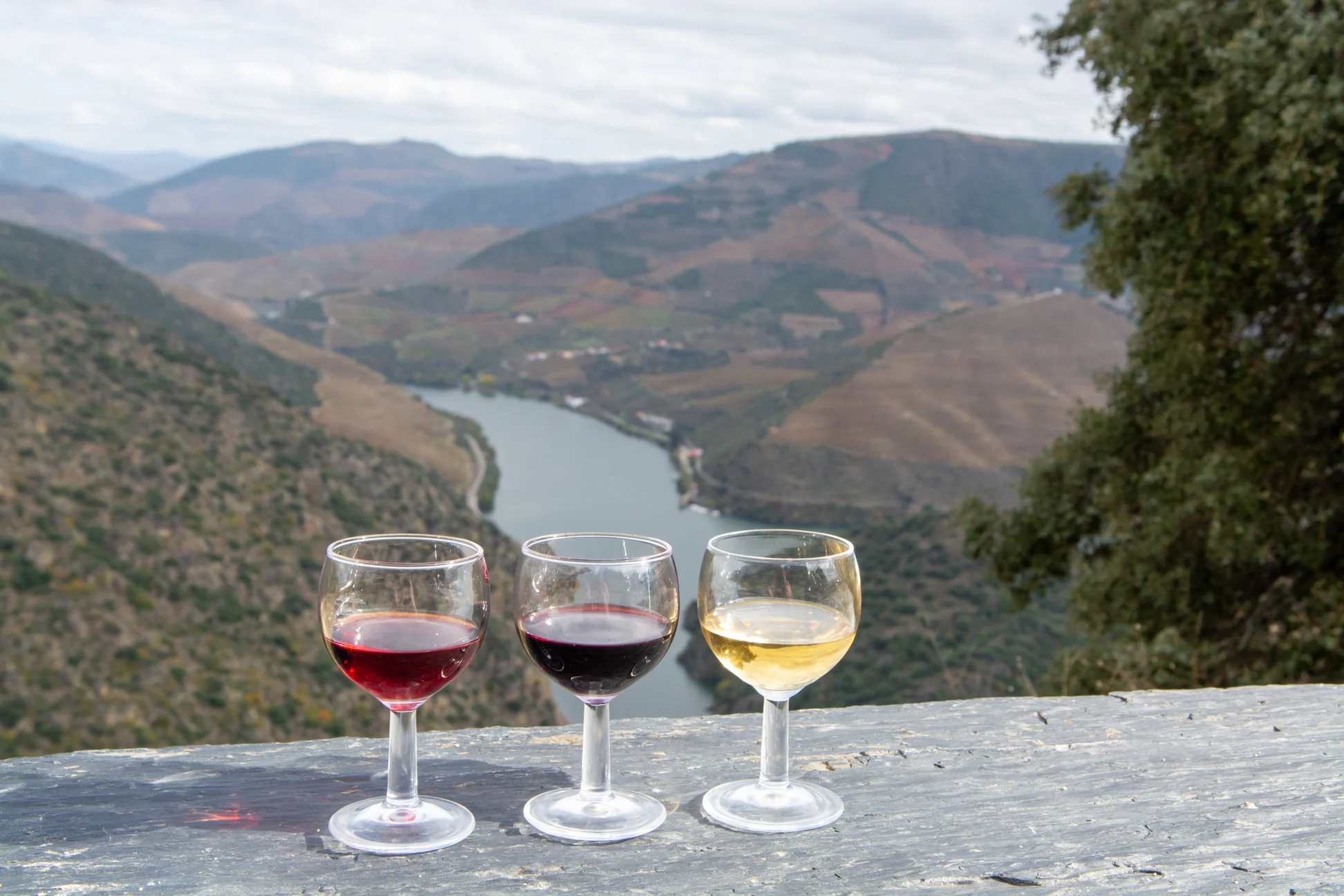
You can take in the terraced vineyards from the river on a boat, or from a quinta high above with a glass of wine in hand. The Full-Day Douro Valley Boat Trip to Régua with Meals spends most of the day on the water, with meals on board.
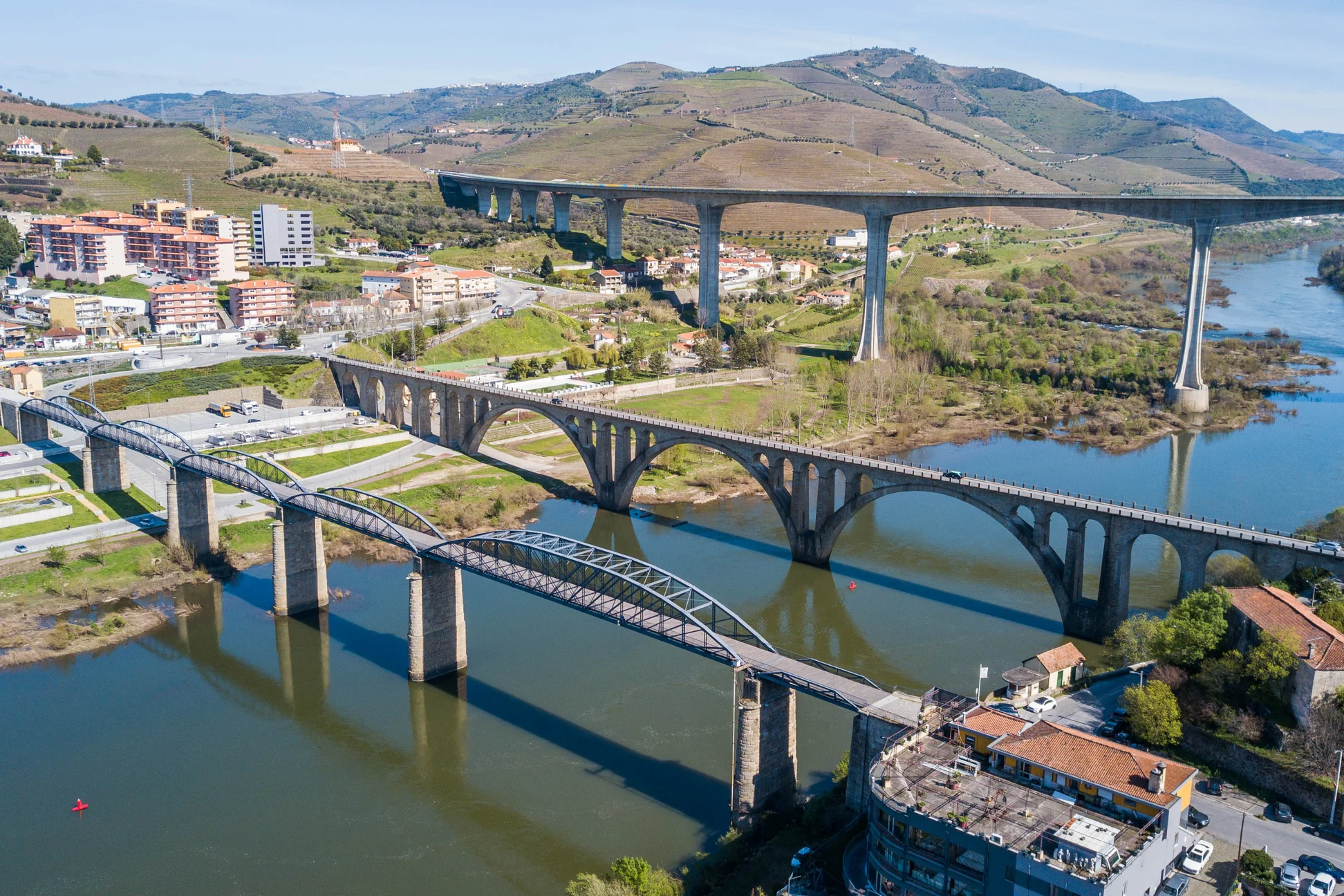
The Lower Corgo has the largest area of vineyards and reaches Régua, where the Corgo River flows into the Douro. The Douro Museum in Peso da Régua is the museum of the Douro territory and its cultural identity, and also a wine museum.
Pinhão makes a good base, with a handful of wine estates and some outstanding viewpoints nearby. Most day tours stop in one of the two towns, so check which one is on the program if you have a preference.
Group tours are the simplest way to see the main sights in one day. If you prefer fewer people at each tasting, the Douro Valley Small-Group Guided Tour with Wine & Lunch keeps the group small and includes lunch.
Private tours let you set the pace and the stops. The Douro Valley Full-Day Wine & Scenic Private Tour from Porto mixes wine with viewpoints, and the Private 4x4 Day Trip to Douro Valley Wine Region from Porto takes the back roads by four-wheel drive.
In the Douro, the grape harvest begins each year between the end of August and mid-October, when the estates are at their busiest. Our guide to the best time to visit the Douro Valley covers the season month by month.
Day trips leave early and return in the evening, so plan a light morning and a late dinner. Bring a layer for the boat and comfortable shoes for the estates, which often sit on slopes.
If you have a free evening in Porto, finish the day at the port wine cellars in Porto. For more on the estates and the river, see our articles on Douro wine estates and Douro river cruises.
Yes. Guided day trips, trains and boats all go from Porto and back the same day.
The train is scenic and simple; a tour adds estates, tastings and a driver, so nobody has to skip the wine.
Régua has the Douro Museum; Pinhão sits among estates and viewpoints. Many tours stop in one of them.
It starts between late August and mid-October, depending on the year and the estate.