There is no single best month for the Douro Valley. Come at harvest time to see the vineyards at work, in spring if you want to walk, in summer if a river cruise is the plan, and in winter if quiet roads and museums appeal more than green vines. Whatever the month, a guided tour from Porto takes the driving off your hands.
The Marão and Montemuro mountains shield the Douro from the humid west winds of the Atlantic, and its deep valleys have very cold winters and hot, dry summers. Portugal's weather institute classes the interior of the Douro Valley as a temperate climate with a warm, dry summer.
Rain falls all year, but it is heaviest in December and January (in March in some areas) and lightest in July or August. Average annual temperatures range from 11.8 to 16.5 °C (53 to 62 °F), and they are highest along the Douro and in the valleys of its tributaries.
The Douro Demarcated Region is divided into three sub-regions, the Lower Corgo, the Upper Corgo and the Upper Douro, which differ greatly from each other, not least in their weather.
Annual rainfall ranges from 1,200 mm at Fontes, in the Lower Corgo, to 380 mm at Barca d'Alva, in the Upper Douro: the further east you go towards the Spanish border, the less it rains. Pack for the stretch you will visit: the western end, closer to Porto, is the wetter one.
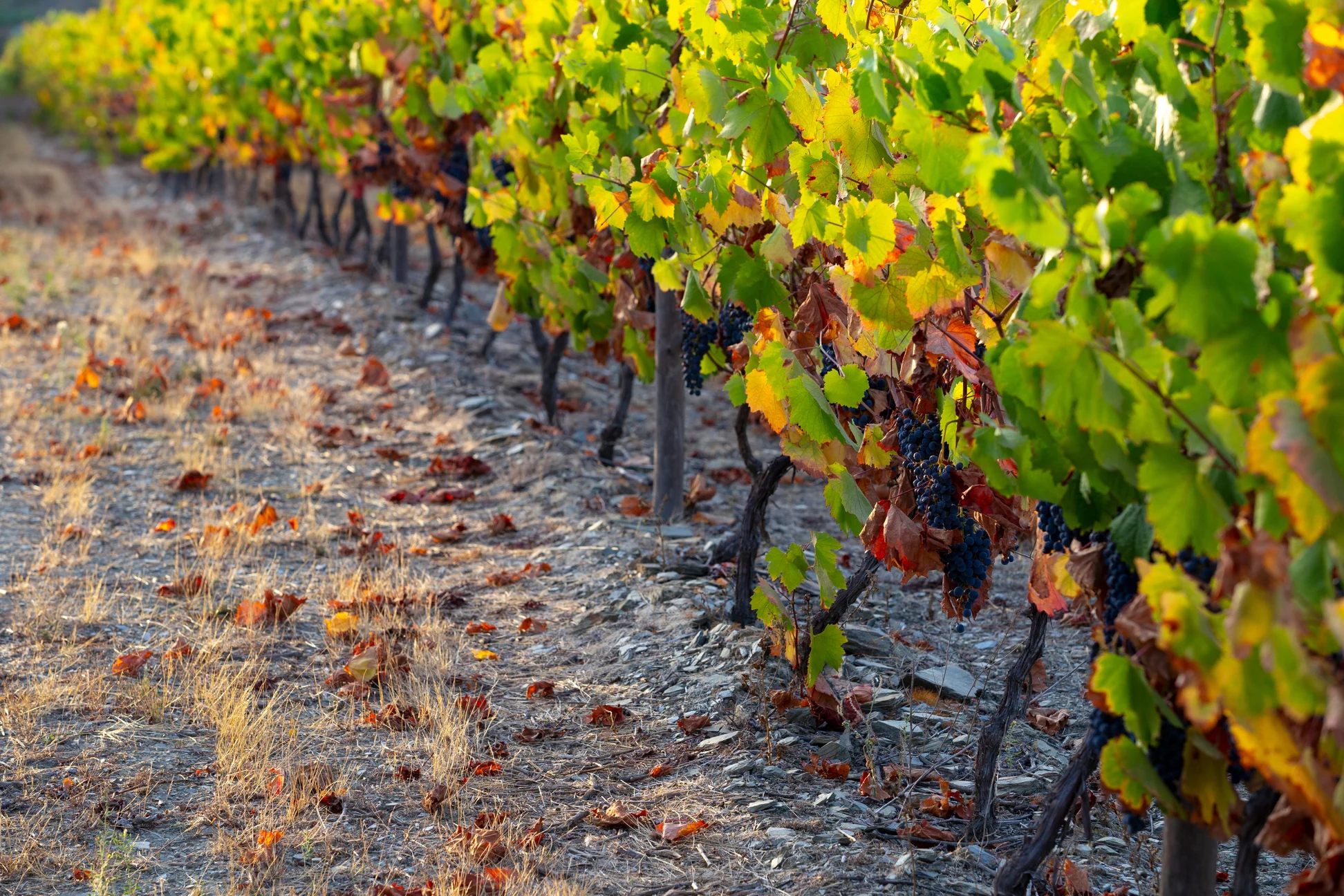
The grape harvest begins each year between the end of August and mid-October, and for Port the white grapes are usually picked earlier than the red ones. It is the busiest time in the vineyards, so book tours and rooms well ahead.
Port is still made in two ways: the traditional one, with the grapes trodden in large stone tanks called lagares, and the modern one, in wineries with the latest technology. If you visit at harvest time, ask your guide which method the wineries on your route use.
For a full day out, the Douro Valley Wine Tour from Porto with Cruise & Lunch adds a cruise and lunch to the tastings, and the Guided Douro Valley Wine Tour: Boat Cruise & Wine Tasting pairs a boat cruise with a tasting. Our guide to Douro wine estates helps you choose the kind of visit you want.
Spring is the season to explore on foot, before the summer heat sets in and while the vines come back into leaf. Trails through the valley suit hiking and mountain biking, and several local businesses rent bicycles and lead guided tours through vineyards, cork oak forests and historic wine villages.
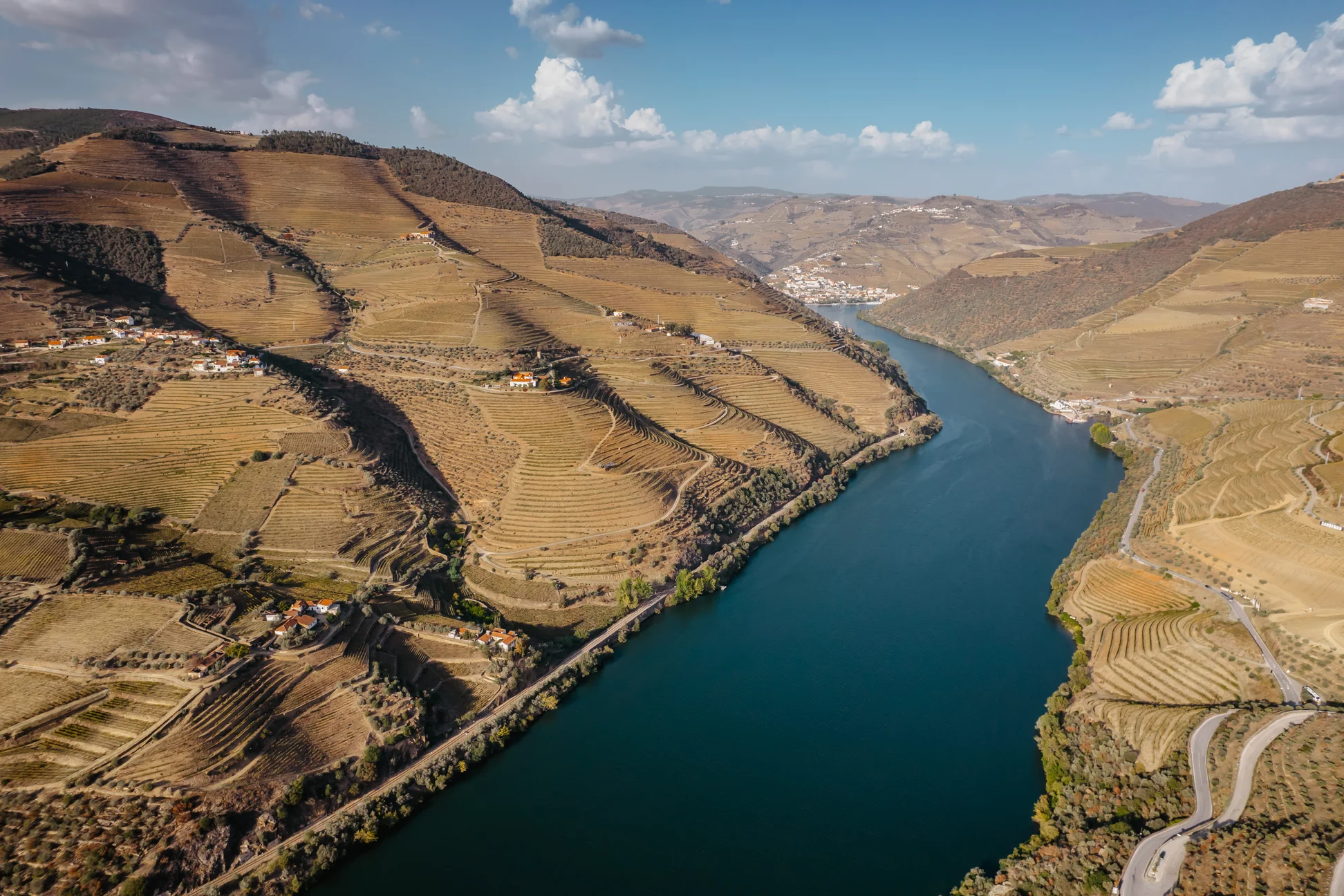
Wine has been made in the Alto Douro for some 2,000 years, and over the centuries row upon row of terraces have been built there. Walking between them shows how steep the slopes are. The Douro Valley Guided Tour: Hiking, Wine & Lunch from Braga combines a guided walk with wine and lunch.
Summers are hot and dry, so keep walks for the morning and spend the afternoon on or near the water. Several trains leave Porto's São Bento station for Régua or Pinhão, and in summer you can book the steam train.
On the water, the Douro Valley Guided Tour: Winery, Wine Tasting & Boat Cruise mixes a winery visit and a tasting with a boat cruise. Our Douro Valley day trip guide compares the train, boat and road options.
Winter is the quiet season. Bring warm layers and a rain jacket, and plan a mix of indoor and outdoor visits. In the cellars, the work goes on. After the harvest, the new Port rests in vats or tanks until the end of winter, and in spring the winemakers make a first selection and blend of the wines.
The Douro Museum tells the story of the Douro territory and its wine, a good plan for a wet afternoon.
Further upriver lies the Côa Valley. The Palaeolithic figures of the Côa Valley line the last 17 km (11 miles) of the Côa River, and trained guides drive visitors to the rock art sites in park vehicles; booking in advance is advisable. With Siega Verde in Spain, the Côa Valley forms the most remarkable open-air ensemble of Palaeolithic art on the Iberian Peninsula.
A private tour lets you shape a short winter day around the weather: the Private Douro Valley Wine Tour with Lunch & Boat Cruise includes lunch and a boat cruise. If rain sets in before you leave the city, our guide to the port wine cellars in Porto has an indoor plan.
It starts somewhere between late August and mid-October, depending on the year, so check with your tour before booking if you want to see the picking.
Winter. December and January usually bring the most rain, while July and August are the driest months.
Yes, if you dress for the cold. Winter suits museum visits, the rock art of the Côa Valley and unhurried tastings.
Yes. Rainfall drops steadily from the Lower Corgo towards the Spanish border, so the Upper Douro is the driest part.
Yes. Trains run from Porto to Régua and Pinhão, and in summer there is also a steam train.