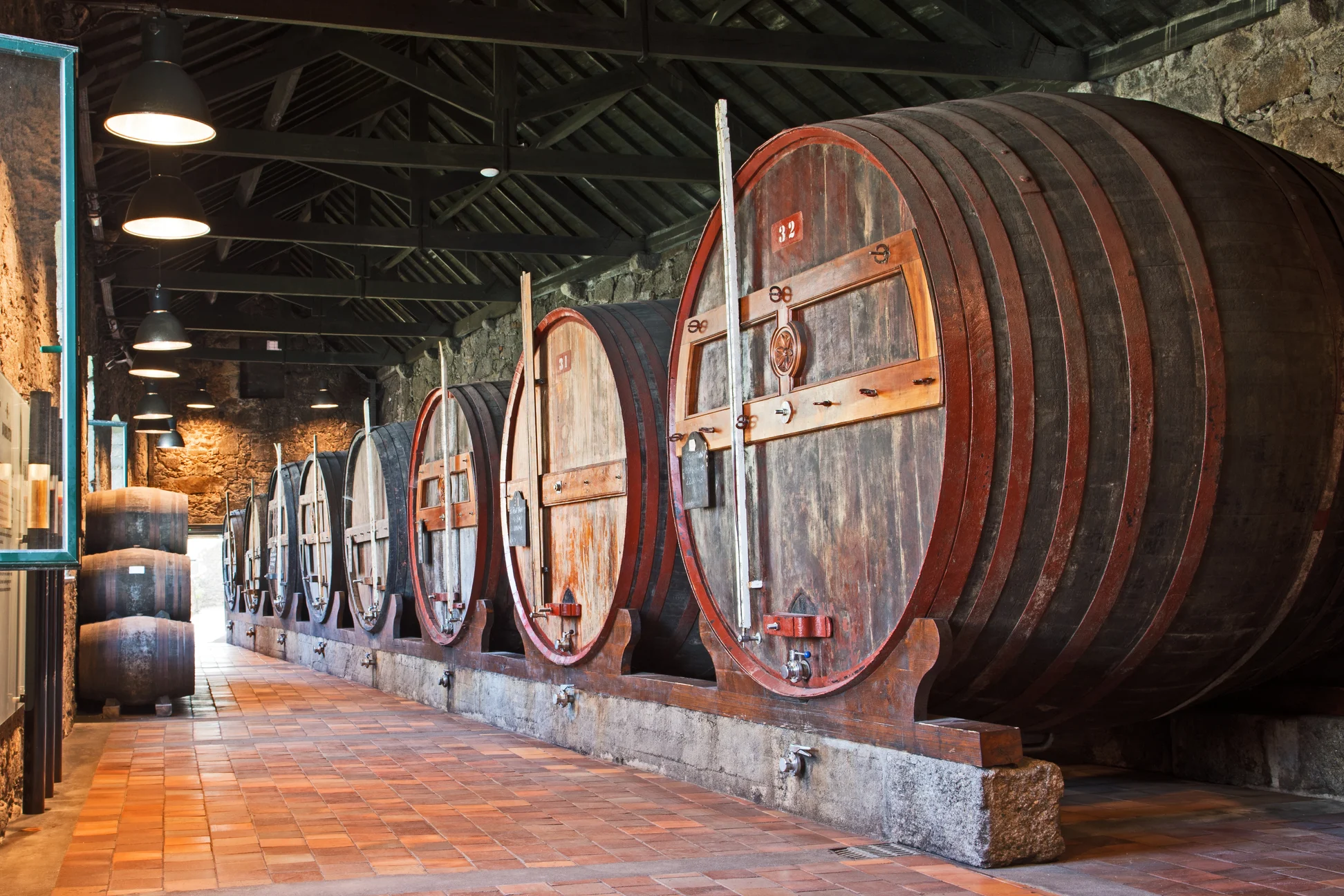
The famous port cellars are not in Porto's old town but across the river, on the Vila Nova de Gaia side. A cellar visit shows you where the wine rests in wood and ends with a tasting. With a free day, go upriver too: the vineyards are in the Douro Valley, and seeing them makes every glass make more sense.
Across the river from Porto, Vila Nova de Gaia is lined with port wine houses: the wine has been aged there for centuries, and you can taste it in the cellars on a guided tour.
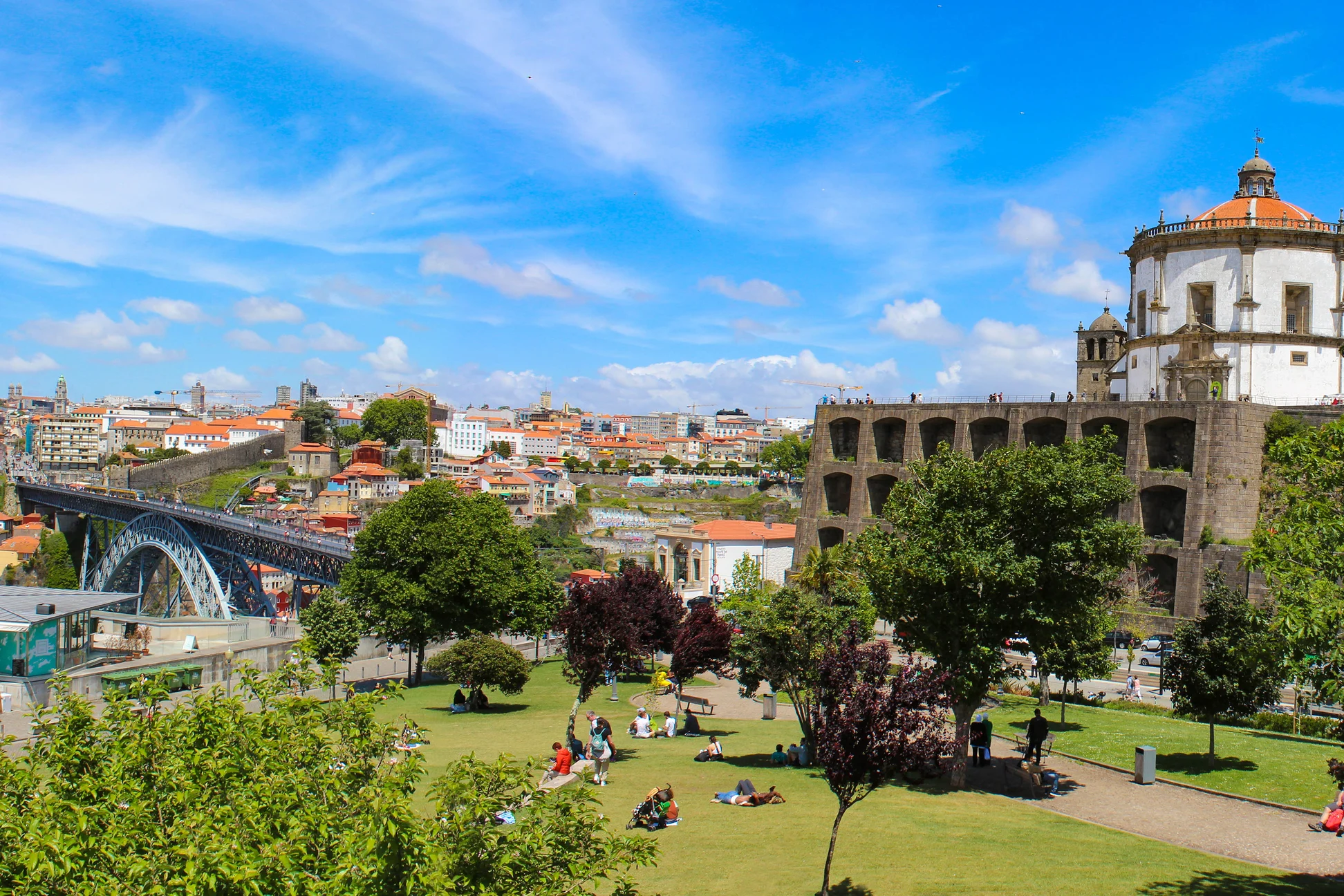
The two riverbanks face each other, so the walk between them is part of the visit. The Historic Centre of Porto, the Luiz I Bridge and the Monastery of Serra do Pilar, on the hills above the mouth of the Douro, were inscribed together as a World Heritage site in 1996. The city's name goes back to Roman times, when the town was called Portus.
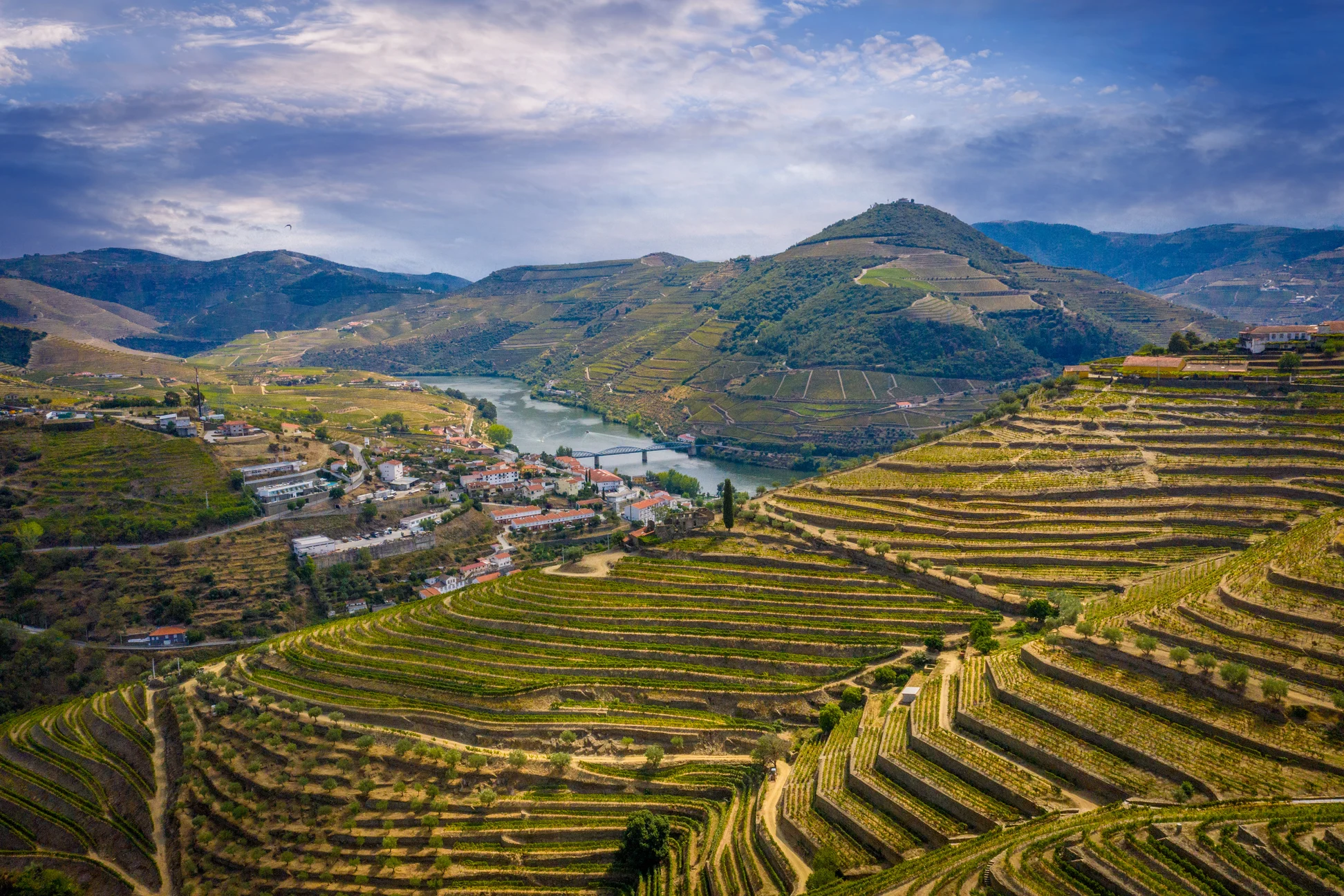
Port is made in the Douro Demarcated Region, the oldest demarcated and regulated wine region in the world (1756) and a UNESCO World Heritage Site.
Port is a fortified wine: grape brandy is added to stop the fermentation, which leaves an alcohol content usually between 19 and 22%, and how sweet the wine ends up depends on when the brandy goes in. That is why a tasting glass is small, and why it pays to sip slowly.
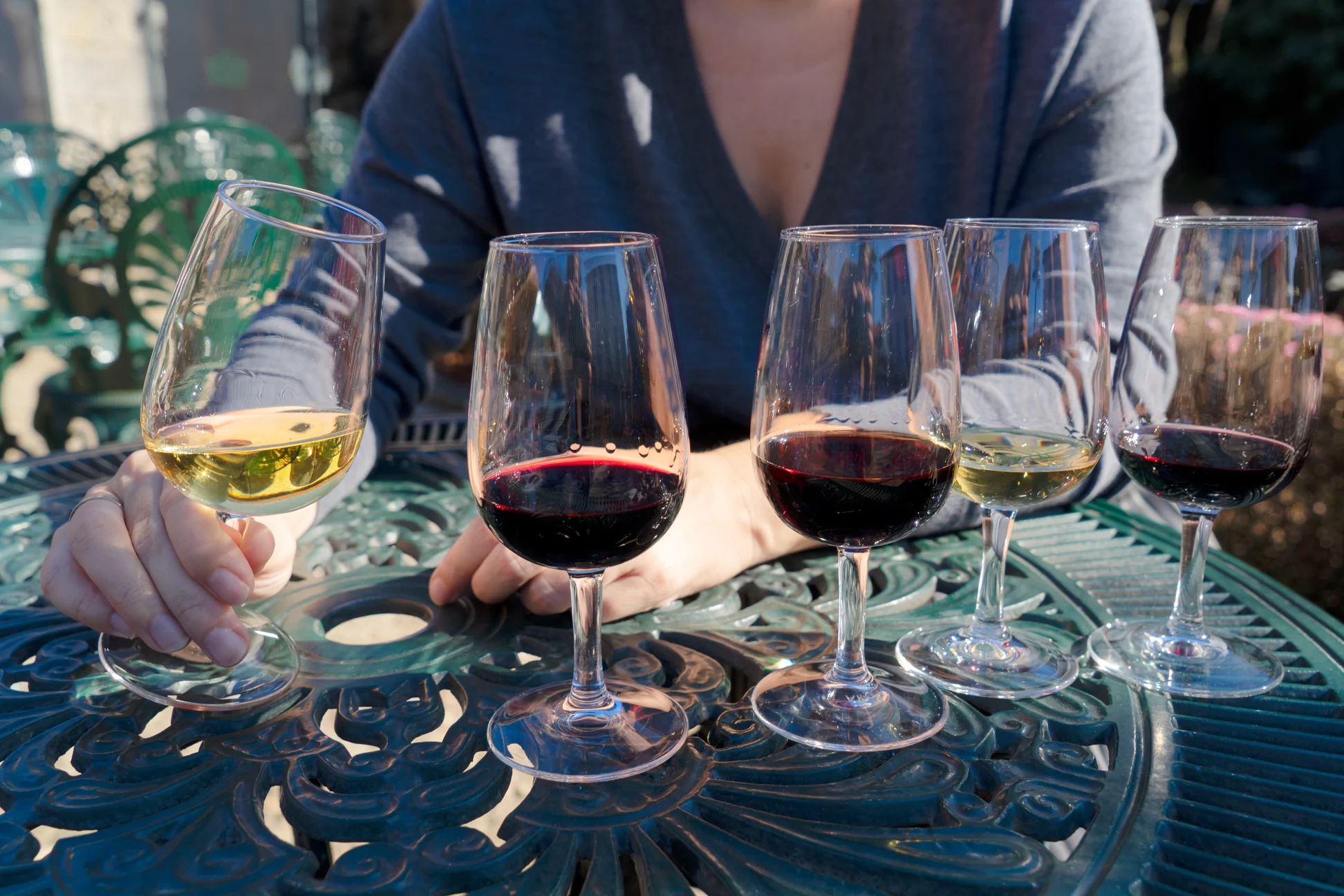
Ruby-style Ports keep the deep red color, fruit and strength of a young wine; in ascending order of quality, the categories are Ruby, Reserve, Late Bottled Vintage (LBV) and Vintage.
Tawny-style Ports are blends of wines aged for different lengths of time in casks or vats, with aromas of dried fruit and wood; the categories are Tawny, Tawny Reserve, Tawny with an indication of age (10, 20, 30 and 40 years old) and Colheita, a wine from a single year.
Vintage Port, made from a single harvest and bottled two to three years after it, is the only Port that ages in the bottle, while an LBV is a Ruby from a single year bottled after four to six years in wood.
Dry White Port is the base of the "Portonic", a long drink of Port, tonic water, ice and a slice of lemon. If you see it on a riverside menu, it is a refreshing way to start the evening.
If you want to compare several houses in one go, the Porto Wine Tasting Walking Tour: 3 Wine Houses & 10 Wines walks you between cellars with a guide. For an easy overview of the city with a glass at the end, the Porto Half-Day Private TukTuk Tour with Port Wine saves your legs on Porto's hills.
Curious about what Portugal pours besides port? The Porto Wine Tour: Discover Local Wines Beyond Port Tasting widens the tasting to other local wines, and the Bio Wine Tasting & Food Pairing with a Local Producer pairs them with food.
Whatever you book, ask for a tasting that includes both a Ruby-style and a Tawny-style wine, so you can compare them side by side.
A 10 or 20 year old Tawny brings out the flavor of the rich, sweet traditional Portuguese desserts made with egg yolks and sugar. Order one with a custard tart after dinner and the pairing explains itself.
In the Alto Douro, the mountain landscape of the Douro and its tributaries has been transformed by steeply sloping terraced vineyards. In the Douro, the grape harvest begins each year between the end of August and mid-October.
The Guided Douro Valley Tour from Porto: Boat, Train & Wine Tasting combines the boat, the train and a tasting, the Douro Valley Guided Tour: 3 Vineyards & Wine Tasting from Porto visits three estates, and the Douro Valley Full-Day Tour: Wine Tasting & Boat Cruise spends a full day between vineyards and the river. Our Douro Valley day trip guide, the guide to the best time to visit the Douro Valley and the one on Douro wine estates help you plan the trip.
On the south bank of the Douro, in Vila Nova de Gaia, facing the Ribeira district of Porto.
Ruby keeps the color and fruit of a young wine. Tawny is a blend aged in casks or vats, which gives it its tawny color and its notes of dried fruit and wood.
Usually 19 to 22% alcohol, because grape brandy is added during the winemaking, so tasting portions are small.
Yes. Day trips leave from Porto and usually combine vineyards, a tasting and time by the river.