Visit two or three quintas in a day, not more: each tasting takes time, and the drives between estates are part of the pleasure. Choose by what you want to taste (port, Douro reds, whites) and by how you want to travel, then let a guide handle the winding roads.
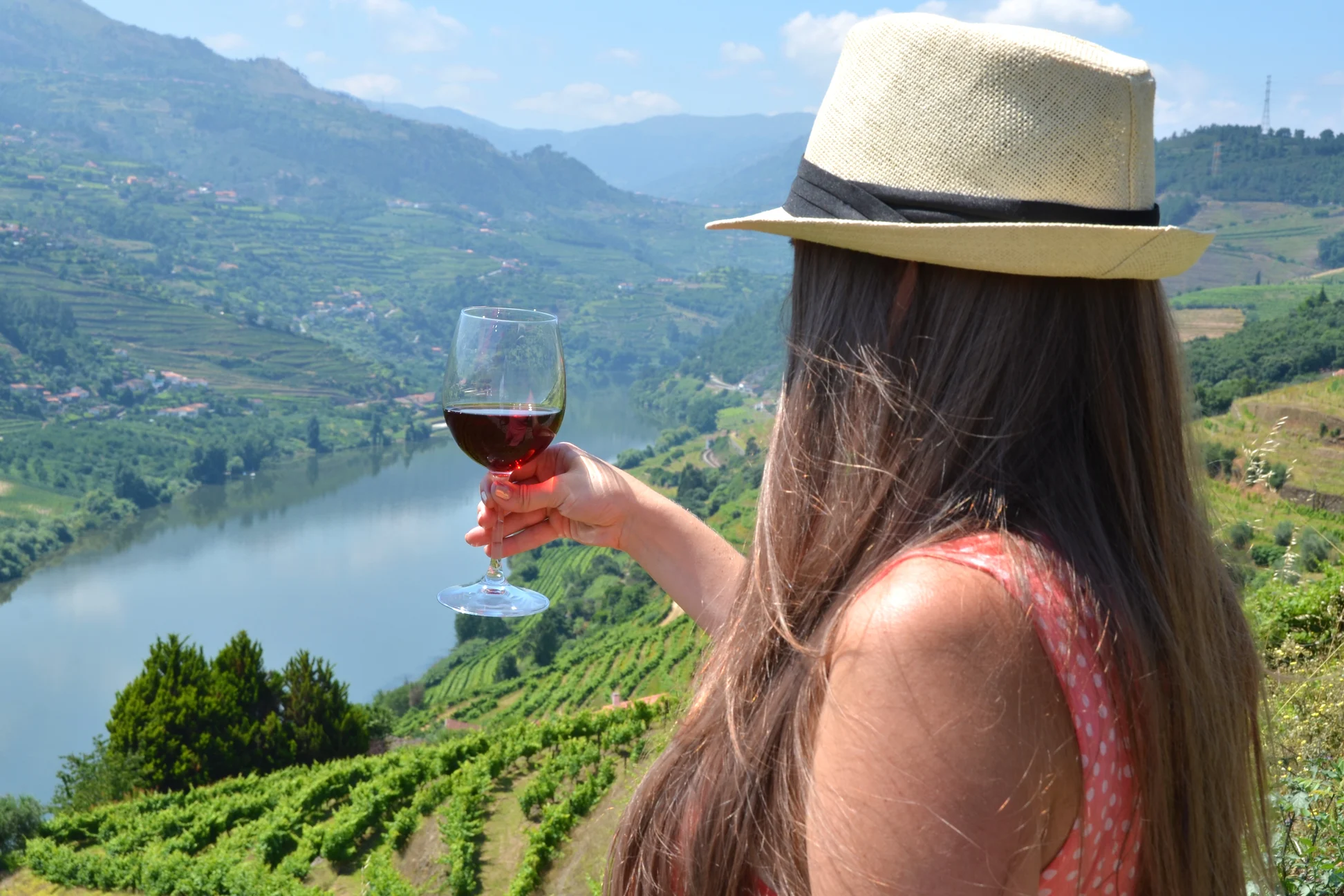
In the Douro Valley, the quintas (estates), famous for their hospitality, offer experiences built around Douro and Port wines and the local food. A typical visit walks you through the vineyards and the cellar and ends at the tasting table.
The region's terroir produces two Protected Designations of Origin: Douro and Porto. So ask whether a tasting covers both, or only one of them.
The Douro Demarcated Region (1756), the oldest demarcated and regulated wine region in the world, takes in 21 municipalities in three sub-regions: Baixo Corgo, Cima Corgo and Douro Superior.
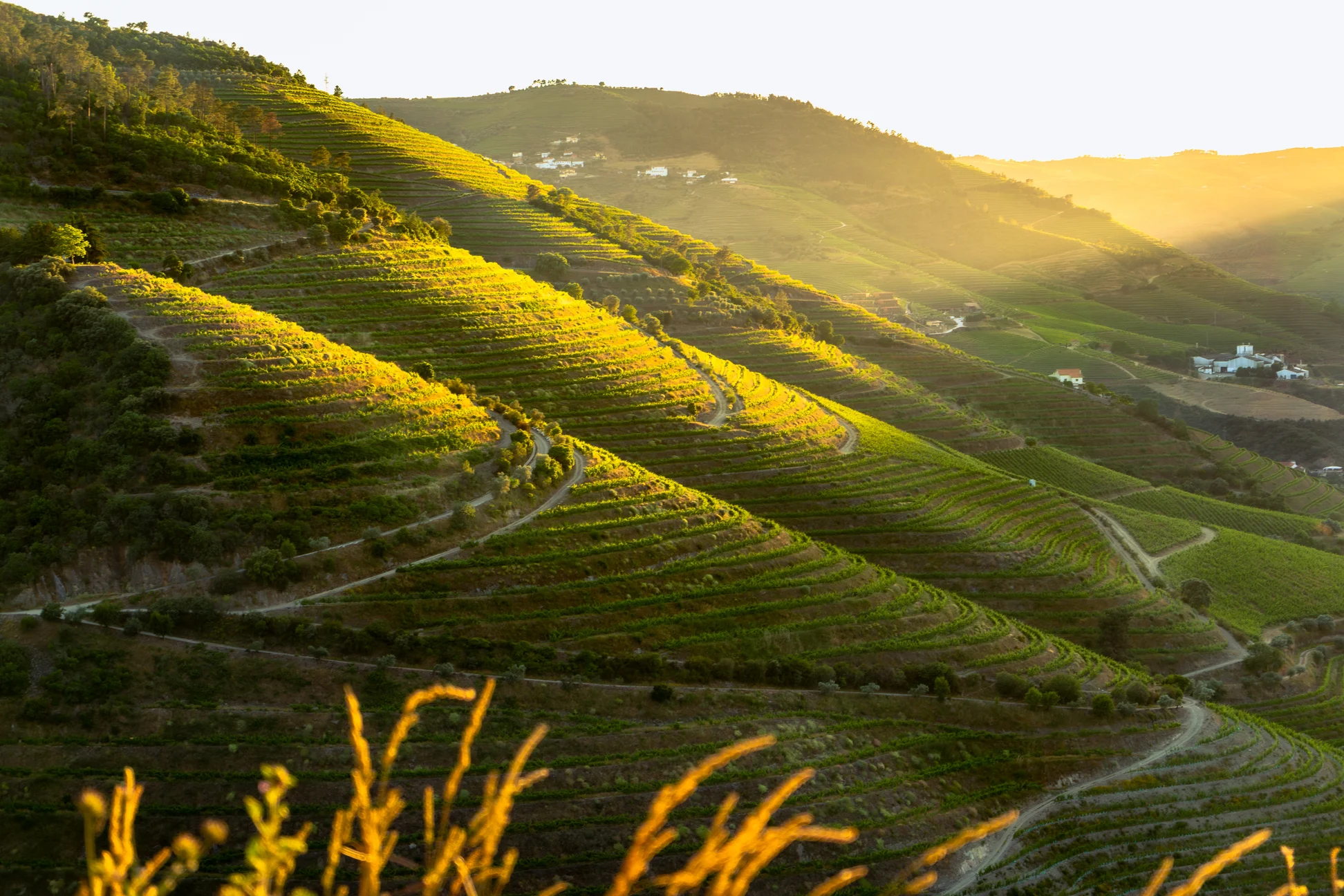
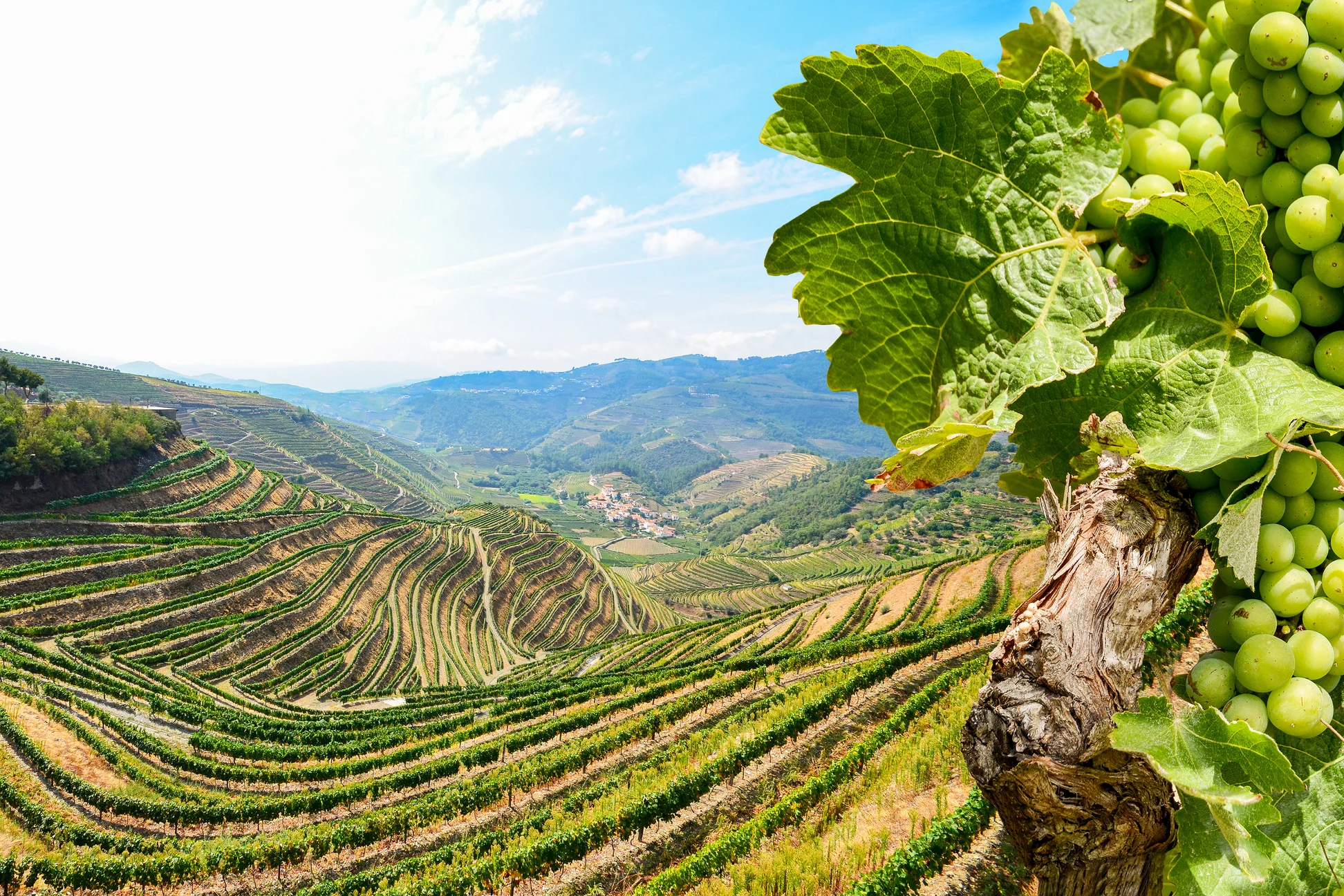
The Alto Douro Wine Region was inscribed as a World Heritage site in 2001: the mountain landscape of the Douro and its tributaries has been transformed by steeply sloping terraced vineyards. On the very steep slopes, the land has to be shaped into terraces before a vineyard can be planted, and almond and olive trees are often planted around the edges of the vineyards.
Douro red wines are made from native grapes such as Touriga Nacional, Touriga Franca, Tinta Roriz (Aragonez), Tinta Barroca and Tinto Cão, and most of them are blends of several varieties. Many Douro wines made for aging carry the word Reserve or Grand Reserve on the label.
Dry Douro whites blend grapes such as Malvasia Fina, Viosinho, Gouveio and Rabigato, and the young ones are best served chilled, between 8 and 10 °C (46–50 °F).
Of all the land under vines, only 26,000 hectares are authorized for Port, and vines must be at least 5 years old before they can produce it. For port styles and the cellars where it ages, see our guide to the port wine cellars in Porto.
For a classic day, the Full-Day Douro Valley Wine Tour with Lunch from Porto combines estates with lunch, and the Douro Valley Full-Day Tour: Wine Tasting & River Cruise and the Douro Valley Full-Day Guided Tour: Wine & Cruise from Porto add a river cruise to the tastings.
Private tours let you shape the day around the wines you like. The Douro Valley Full-Day Private Tour: Wine Estates & Boat Trip pairs estates with a boat trip, the Douro Valley Private Wine Tour & Cruise from Porto does the same with a cruise, and the Full-Day 4x4 Private Tour in Douro Valley Wineries reaches hillside wineries by four-wheel drive.
Eat something before the first estate and drink water between glasses: tastings add up over a day. Ask your host to pour a young wine next to an older one, so you can taste how the region's wines change with time.
If a wine stands out, note its name and vintage rather than buying on the spot; you can compare it with what you taste at the next estate before you decide.
The valley also has trails for hiking and mountain biking, and local businesses rent bicycles and lead guided tours through vineyards, cork oak forests and historic wine villages. If you stay overnight, a morning walk among the terraces balances an afternoon of tastings.
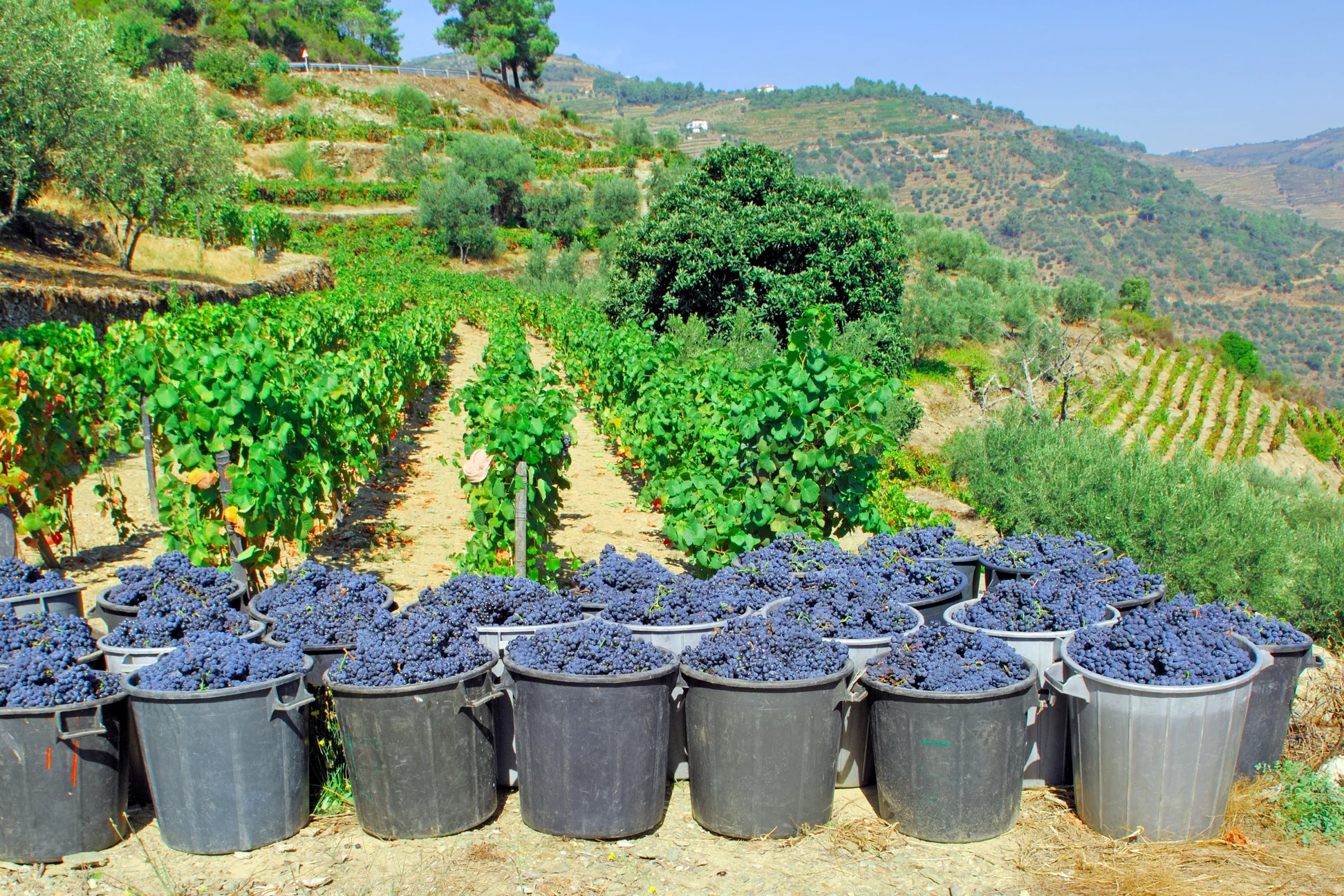
In the Douro, the grape harvest begins each year between the end of August and mid-October. It is a lively time at the estates, so book early. Our guide to the best time to visit the Douro Valley covers the rest of the year, and the Douro Valley day trip guide explains the train, boat and road options.
Two or three is comfortable. Each visit includes a walk and a tasting, and the roads between estates are slow.
No. The region has two designations of origin, Douro for still wines and Porto for port.
Mostly blends of native varieties, including Touriga Nacional and Tinta Roriz.
It helps. Tastings and steep, winding roads do not mix, which is why guided tours are popular.