Winter is the quiet season on the Algarve coast, and it suits travellers who come for walks, food and town life rather than for long beach days. Expect mild days, some rain and cool evenings, and plan your outdoor days around the forecast.
At Faro, the IPMA climate normals for 1991 to 2020 give average daily highs of 17.1 °C (63 °F) in December, 16.3 °C (61 °F) in January and 17.0 °C (63 °F) in February, with average lows of 9.7 °C (49 °F), 8.3 °C (47 °F) and 8.8 °C (48 °F).
Most of the rain falls in the cooler months: Faro averages 90.0 mm of precipitation in December, 49.3 mm in January and 41.9 mm in February, against 0.9 mm in July.
The regional tourism board describes a climate with little rainfall, generally between November and March, and plenty of sunshine; in winter, the sunny days draw many tourists from the colder countries in northern Europe. Pack a waterproof layer and keep a rainy-day plan, such as a market morning or a wine tasting.
The tourism board gives average sea temperatures of 15 to 19 °C (59 to 66 °F) in winter, against 21 to 24 °C (70 to 75 °F) in summer. That is cool water for a long swim, so most winter visits to the coast are on foot or by boat.
Boat trips depend on the state of the sea, so keep a spare day in your plans. If you hope to see dolphins off Lagos, our article on dolphin watching in Lagos explains what to expect. If the Benagil cave is on your list, our article on Benagil's tides and best times covers when to go.
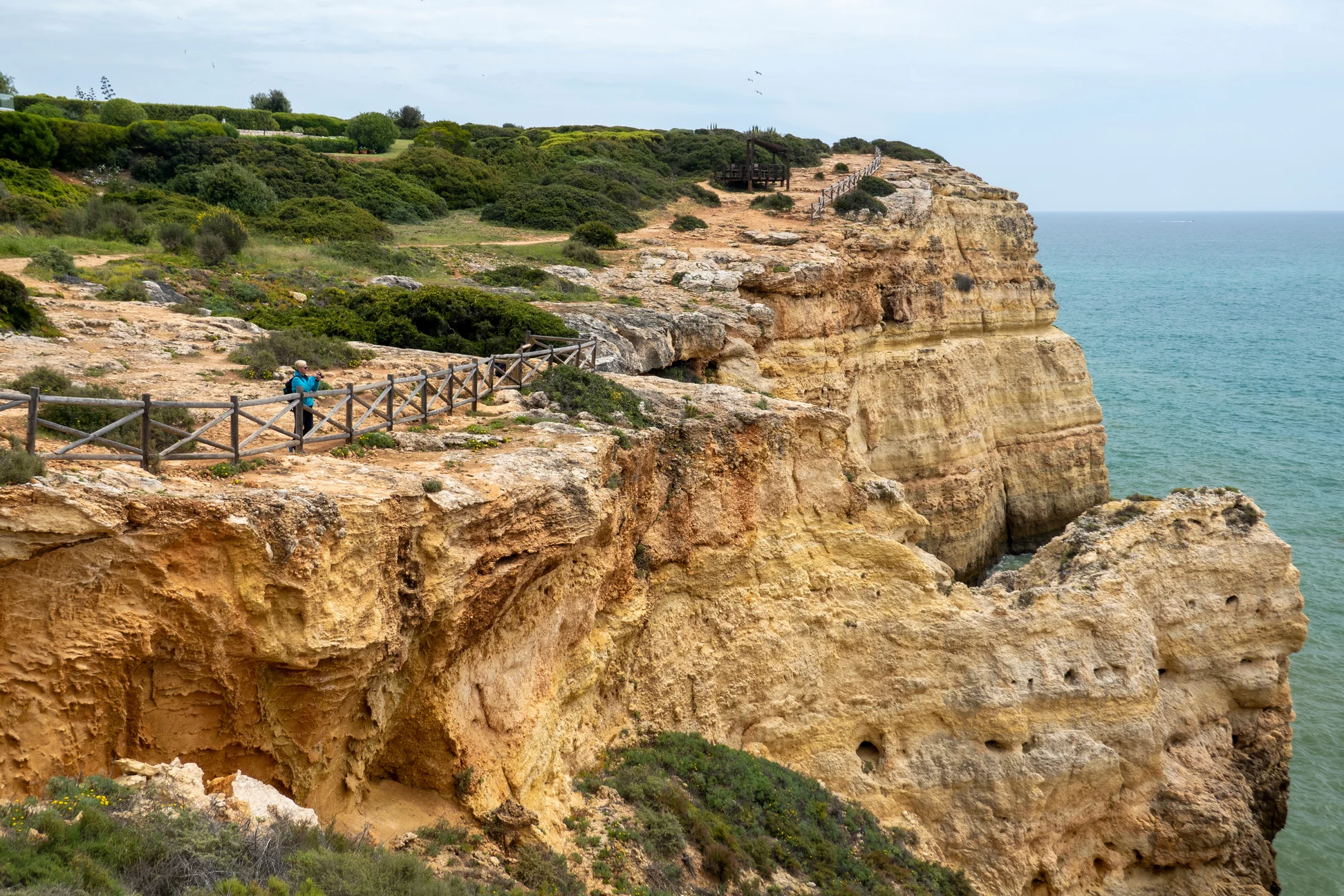
The Seven Hanging Valleys trail in the municipality of Lagoa follows the cliffs from Vale Centeanes beach to Marinha beach, a walk of almost 12 km (7.5 miles) there and back, and its arches, caves, blowholes and sea stacks are of great geological interest.
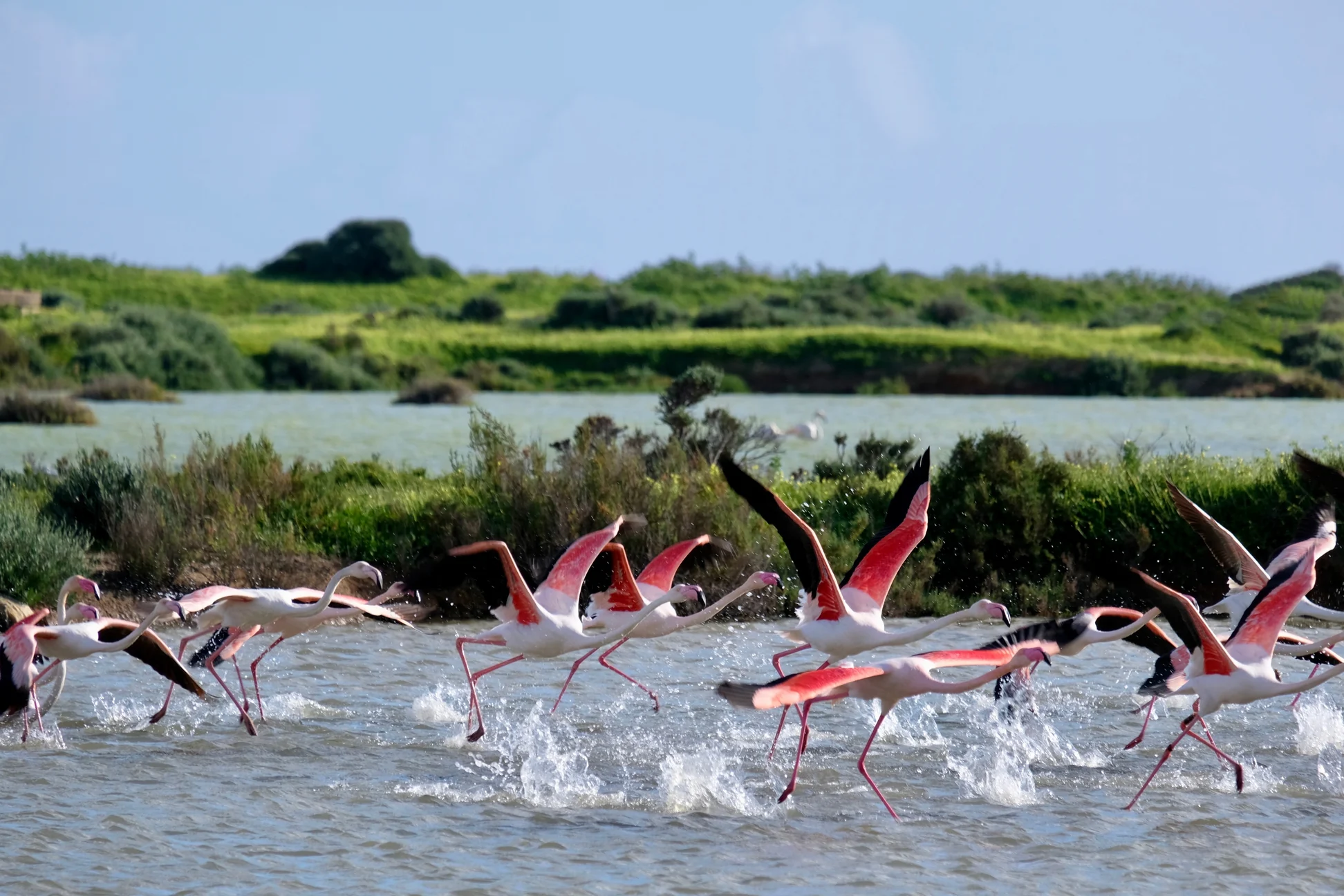
The Alvor walkways, the longest in the Algarve, attract walkers all year round and link Três Irmãos beach to the Alvor estuary on a six-kilometre walk of about an hour and a half, past marshland where herons and flamingos feed.
For longer routes, the Via Algarviana runs from one end of the inland Algarve to the other, the Rota Vicentina crosses the Southwest Alentejo and Vicentine Coast Nature Park, and the upland trails of the Serra de Monchique, Espinhaço de Cão and Serra do Caldeirão offer various difficulty levels. Days are short in winter, so start early and carry a layer for the wind on the cliffs.
For birdwatchers, the wetlands of the Ria de Alvor near Portimão and the Ria Formosa between Loulé and Tavira are worth considering, and the Ria Formosa Nature Park is one of the seven natural wonders of Portugal.
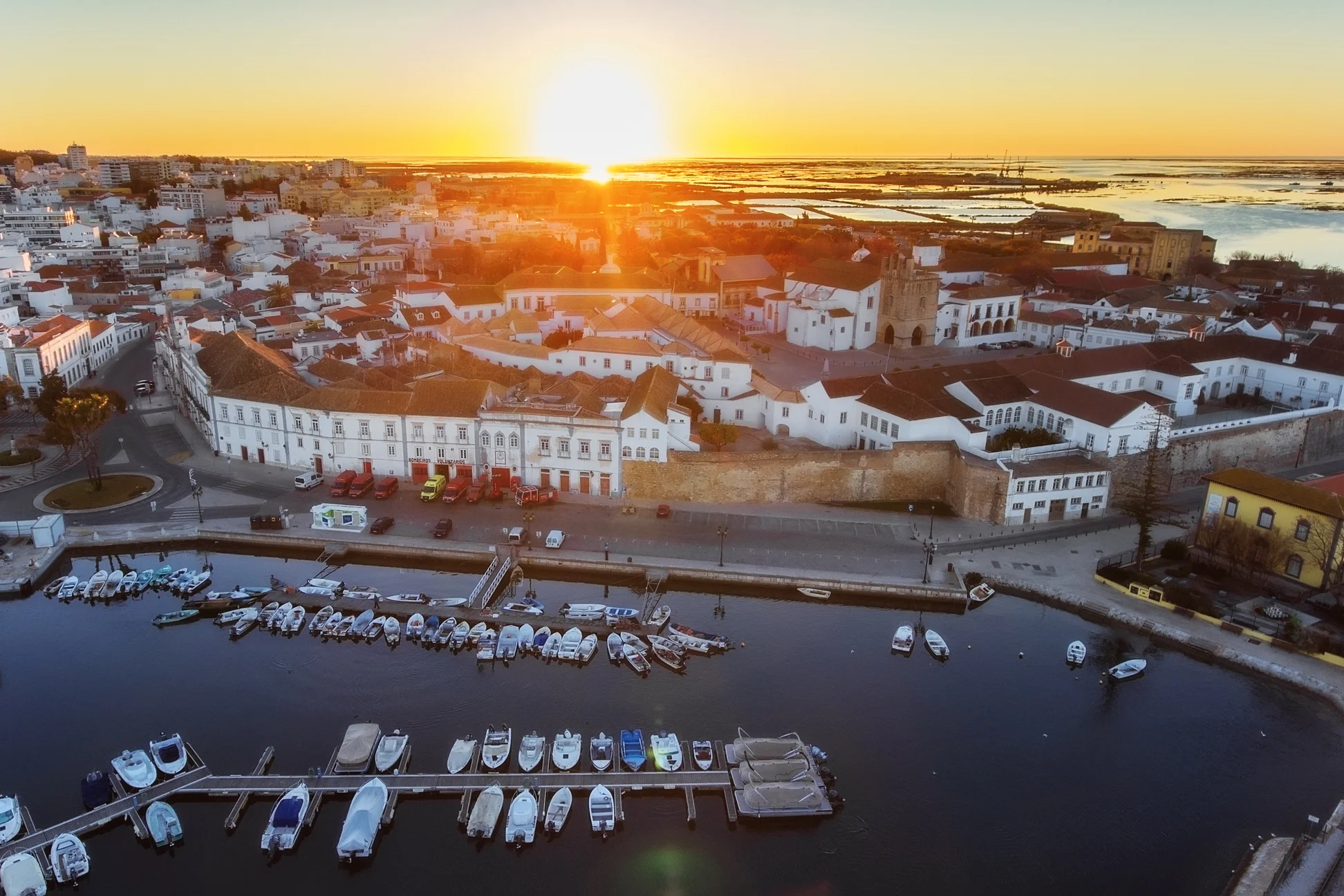
Olhão is a good base on this side of the coast; our article on things to do in Olhão has more on the town.
Every year, almond blossom announces the arrival of spring and brings to mind the Nordic princess of the Algarve's legends, so homesick for snow that her husband, the king, ordered hundreds of almond trees to be planted.
During the Christmas and New Year season, carol singers called charolas go from door to door singing seasonal songs and playing popular instruments. Monchique Christmas 2026 runs from 1 December 2026 to 7 January 2027, with a Christmas market, street theatre, concerts and a wooden nativity scene. In Lagoa, the city centre hosts the 11th edition of Living Statues at Christmas on 11 and 12 December 2026.
When the almond trees burst into bloom, Carnival brings decorated floats and parades across most of the Algarve, and Loulé is noted for hosting one of Portugal's biggest Carnival parades. Check the town's official programme for the dates before you book.
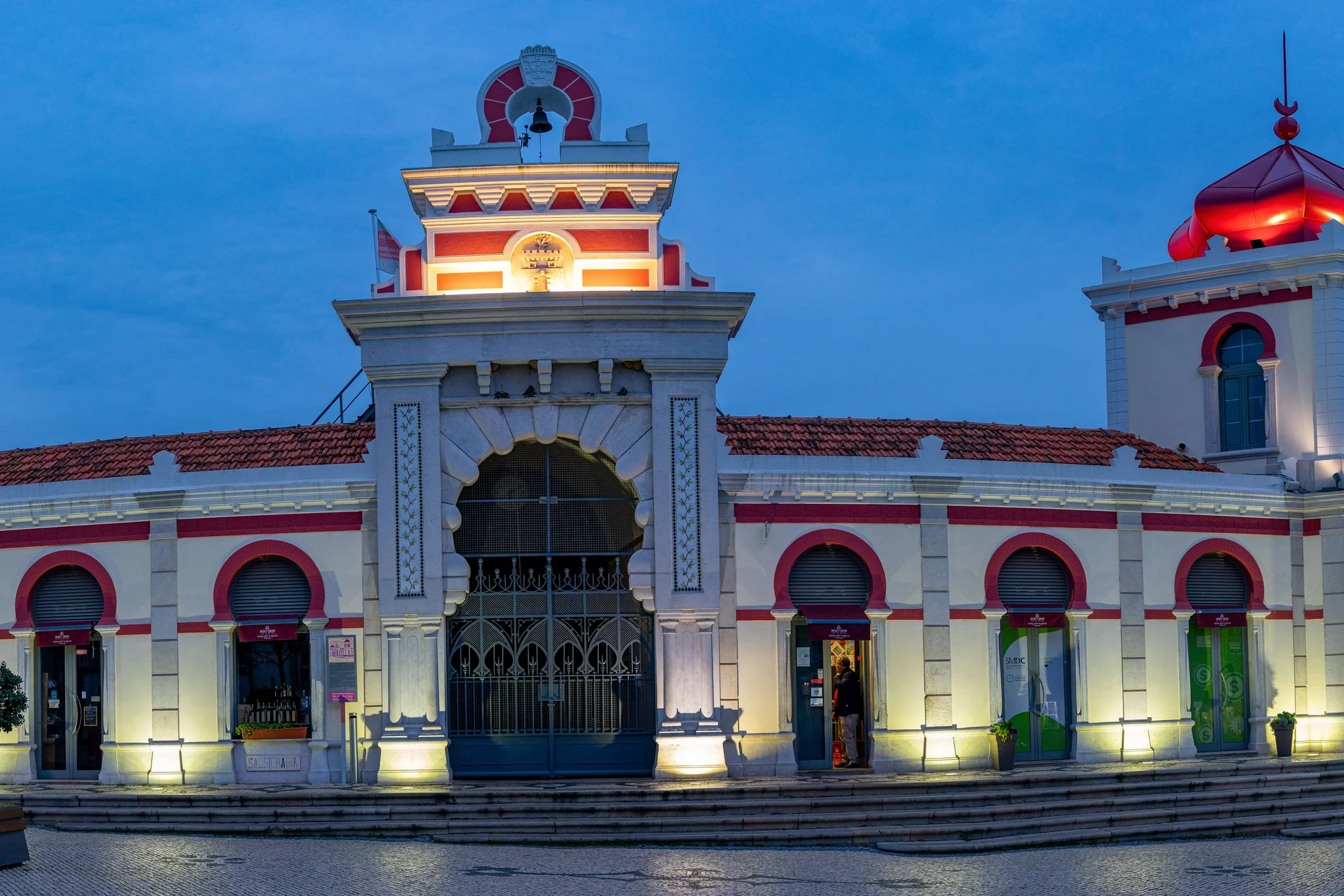
The twin buildings of Olhão Market, with their large cylindrical turrets and brick-coloured walls, are perhaps the best-known hallmark of the town, and Loulé Market is no less impressive for its architecture and its colours and smells.
Inland, the uplands and the barrocal are the kingdom of carob bread, pork, wild boar, partridge and hare in the hunting season, of chickpeas and lentils, stews and slow-cooked casseroles, with sweets such as almond morgadinhos, honey cakes and dom rodrigos. Medronho, the arbutus-berry brandy, is still produced in the traditional way in copper stills, and in Monchique the Distilleries Route lets you find out more about it.
For a day in the hills, the Silves & Monchique Day Trip: Castle, Cathedral & Foia Peak heads inland to Silves castle and the Fóia peak in Monchique.
Mild rather than hot. January is the coolest month by day in Faro: the IPMA normals put its average high at 16.3 °C (61 °F).
You can, but the water is cool, so most people keep to a short dip and spend their time on the coast paths instead.
Yes. Pick a dry day from the forecast, set off in the morning and take a warm layer for the clifftops.
Carol singers called charolas keep an old tradition alive, Monchique runs a festive programme with a Christmas market, and Lagoa fills its centre with living statues in mid-December.