









Culinary Tours in Naples
Naples, Italy
70 experiences

Last updated:


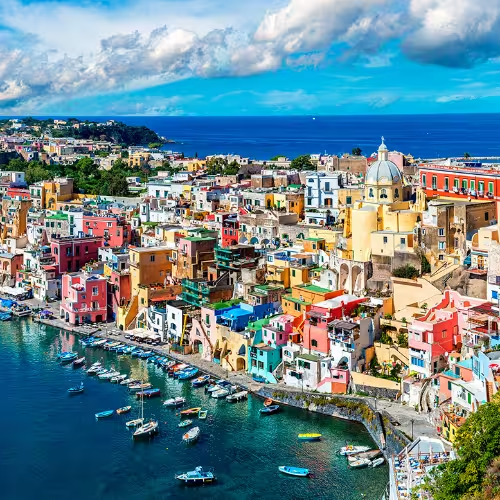
Naples brings together a historic street grid, marble sculpture and the craft of pizza making, so leave room for both looking and eating. Campania's regional capital sits beside the Gulf of Naples; the coast offers another direction when you want to move beyond churches and museums. A walk through the centre and a visit to Sansevero bring those interests together; Pausilypon shifts the emphasis towards Roman remains.
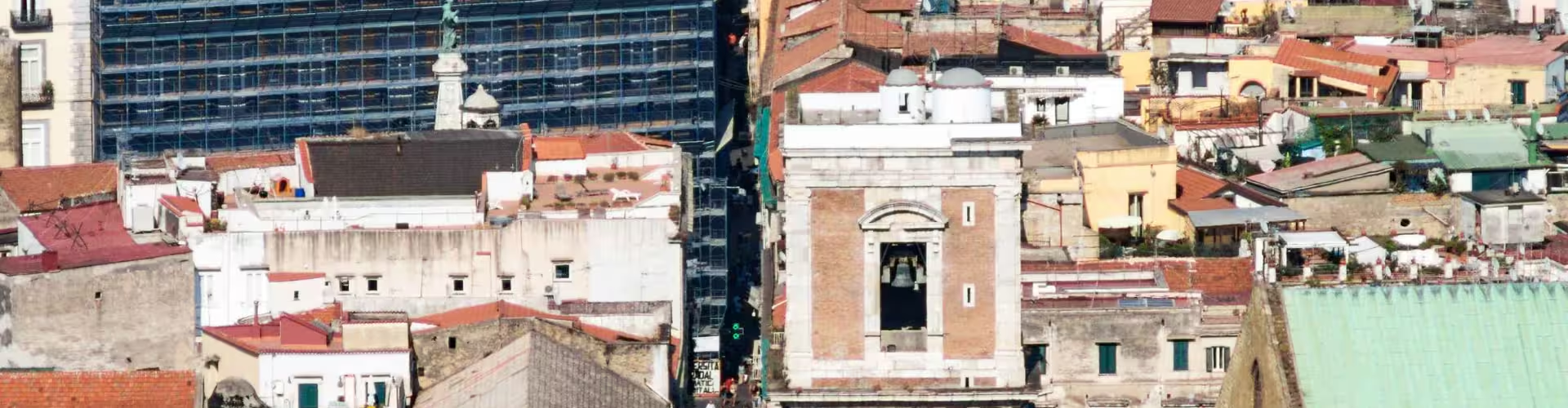
Make time for the streets themselves as well as individual works of art: the historic centre still shows the rectangular layout inherited from Greek Neapolis. Its place on the UNESCO World Heritage List recognises the centre as a whole, so a walk need not revolve around a single monument.

The Sansevero Chapel rewards a close look at the Veiled Christ, rather than a quick glance before moving on. Giuseppe Sanmartino carved the figure and its seemingly transparent covering from a single block of marble; the apparent fabric is stone too. At Santa Chiara, turn your attention to the cloister's coloured tiles, made by Giuseppe and Donato Massa, for a change from sculpture.
If you want street food woven into a walk, the Spaccanapoli walking tour with street food and limoncello includes a pizza tasting.
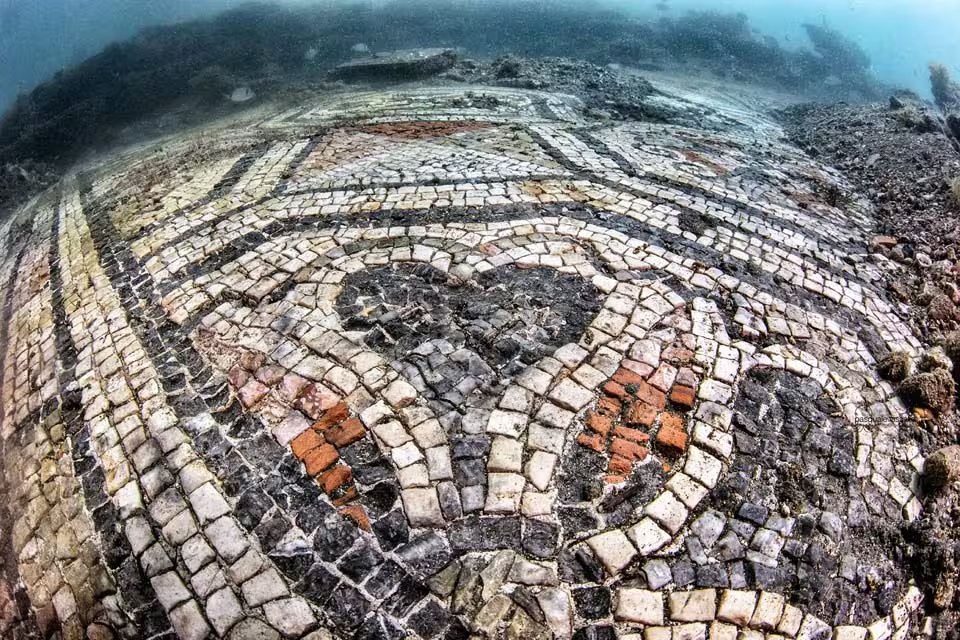
Let your interests lead: the National Archaeological Museum offers ancient mosaic art, while the Royal Palace offers late Renaissance architecture. The museum's Alexander Mosaic shows Alexander the Great defeating Darius III of Persia; it has been under restoration, so check with the museum whether it is on view before you plan around it.

Domenico Fontana designed the Royal Palace as a late Renaissance residence; put it on your list if buildings interest you as much as objects. Castel Nuovo offers another architectural contrast, with cylindrical towers built in piperno stone and tuff. Castel Sant'Elmo has a star-shaped plan, so it belongs on an itinerary interested in the shapes of the city's fortifications.
If you would rather explore below street level, the guided Naples underground and ancient water museum tour offers that focus.
Look beyond the finished pizza to the craft behind it: traditional Neapolitan pizza making uses a wood-fired oven. UNESCO recognises the pizzaiuolo's art as intangible cultural heritage, so the making is part of the experience to pay attention to, alongside the food.
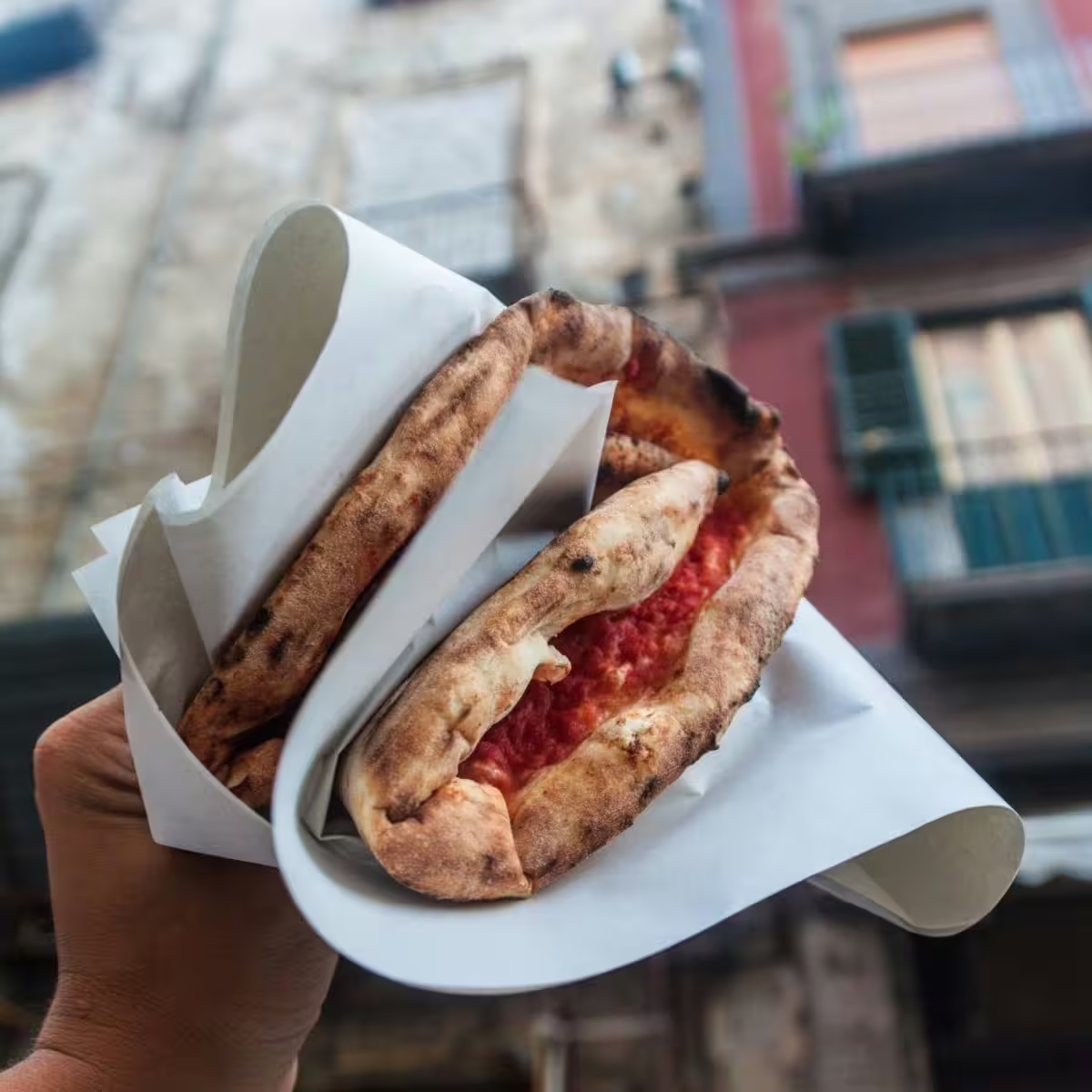
If tasting as you walk appeals, a Naples street food walking tour includes food samples at each stop.
If you want a market setting for your tastings, the guided Pignasecca market food tour includes a pasta frittata tasting.
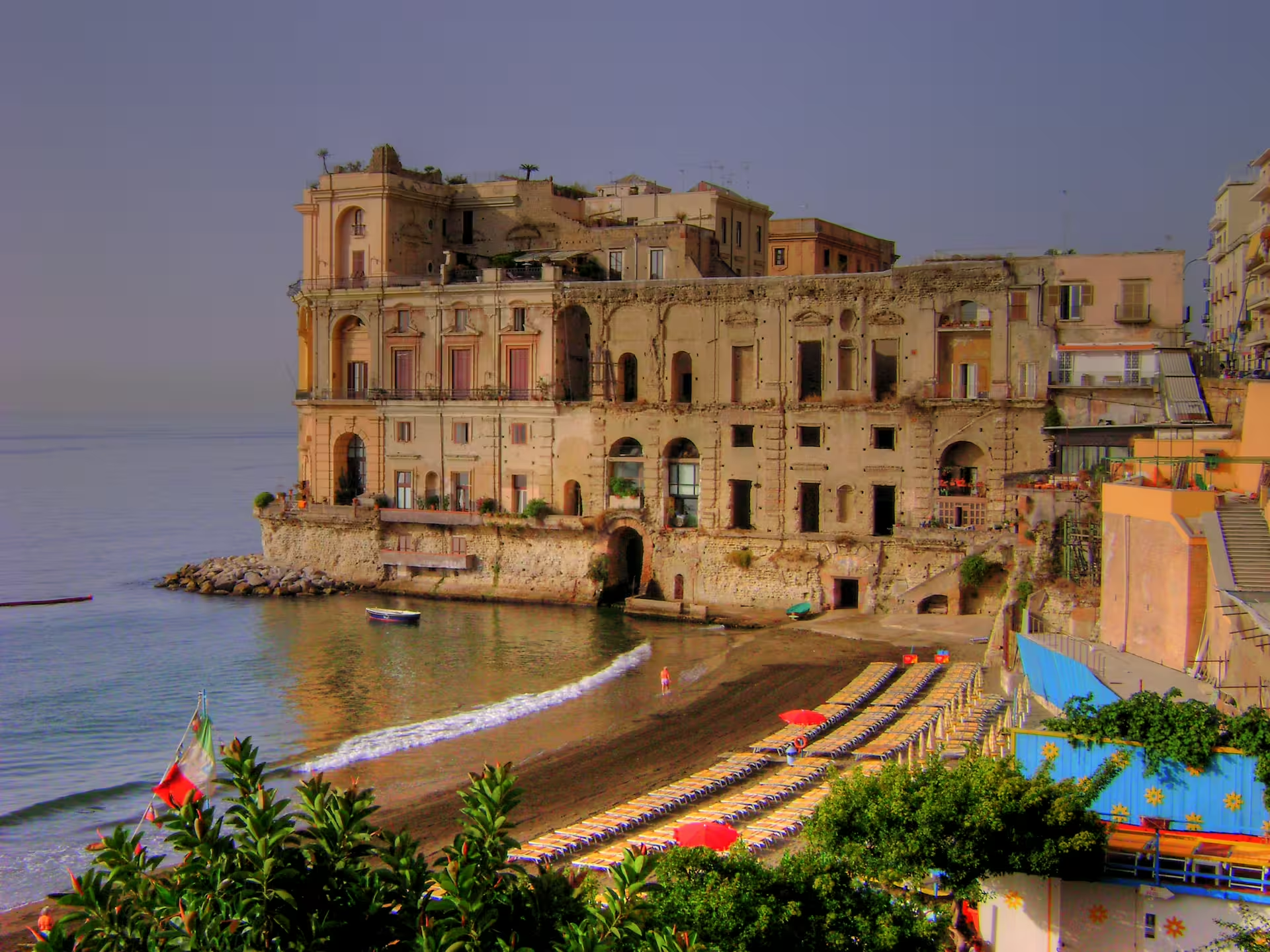
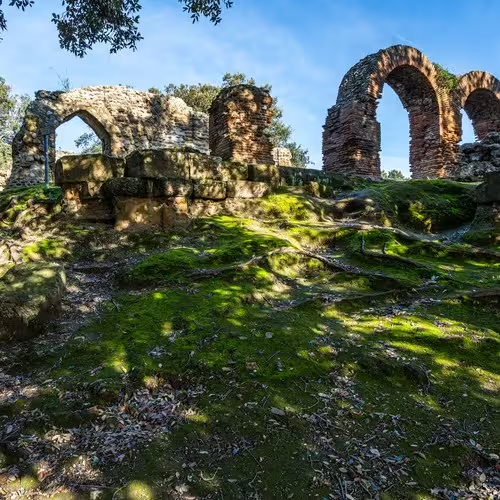
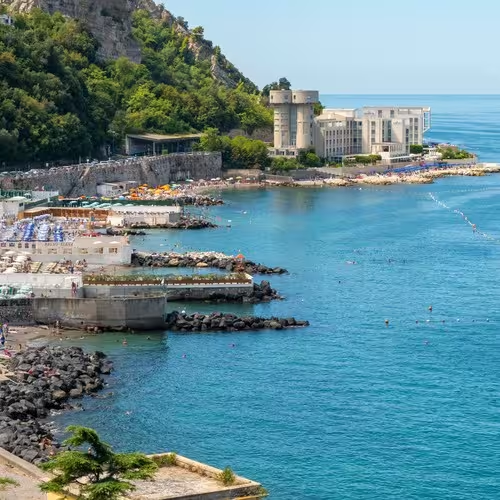
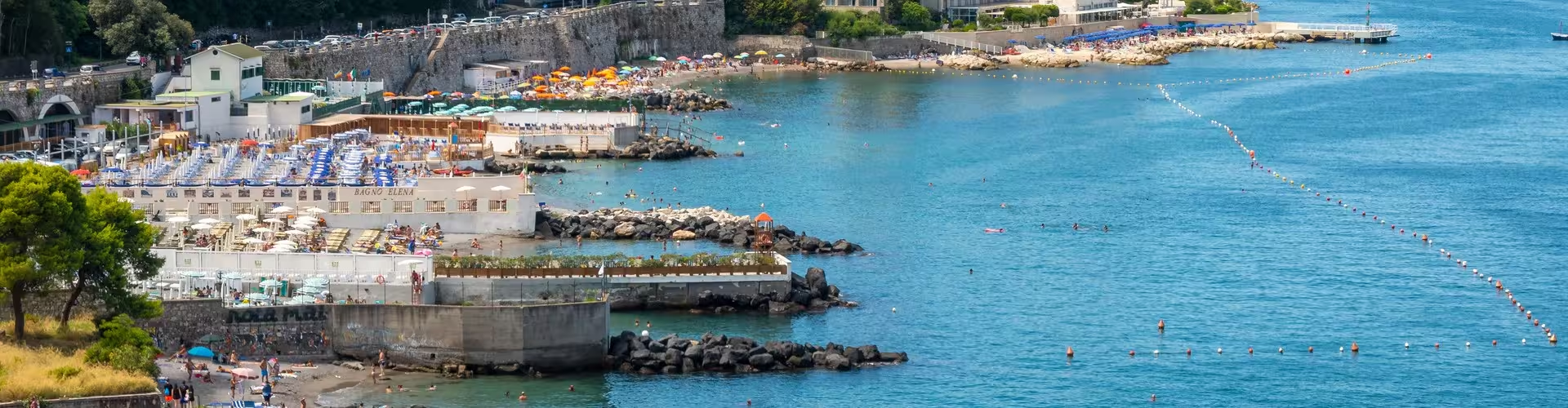
Pausilypon is the place to focus on Roman remains, while Gaiola offers a protected stretch of the Naples coast. At Pausilypon, the Grotta di Seiano is a Roman tunnel extending for more than 700 metres, so the passage itself deserves attention alongside the remains of a theatre and an odeon.
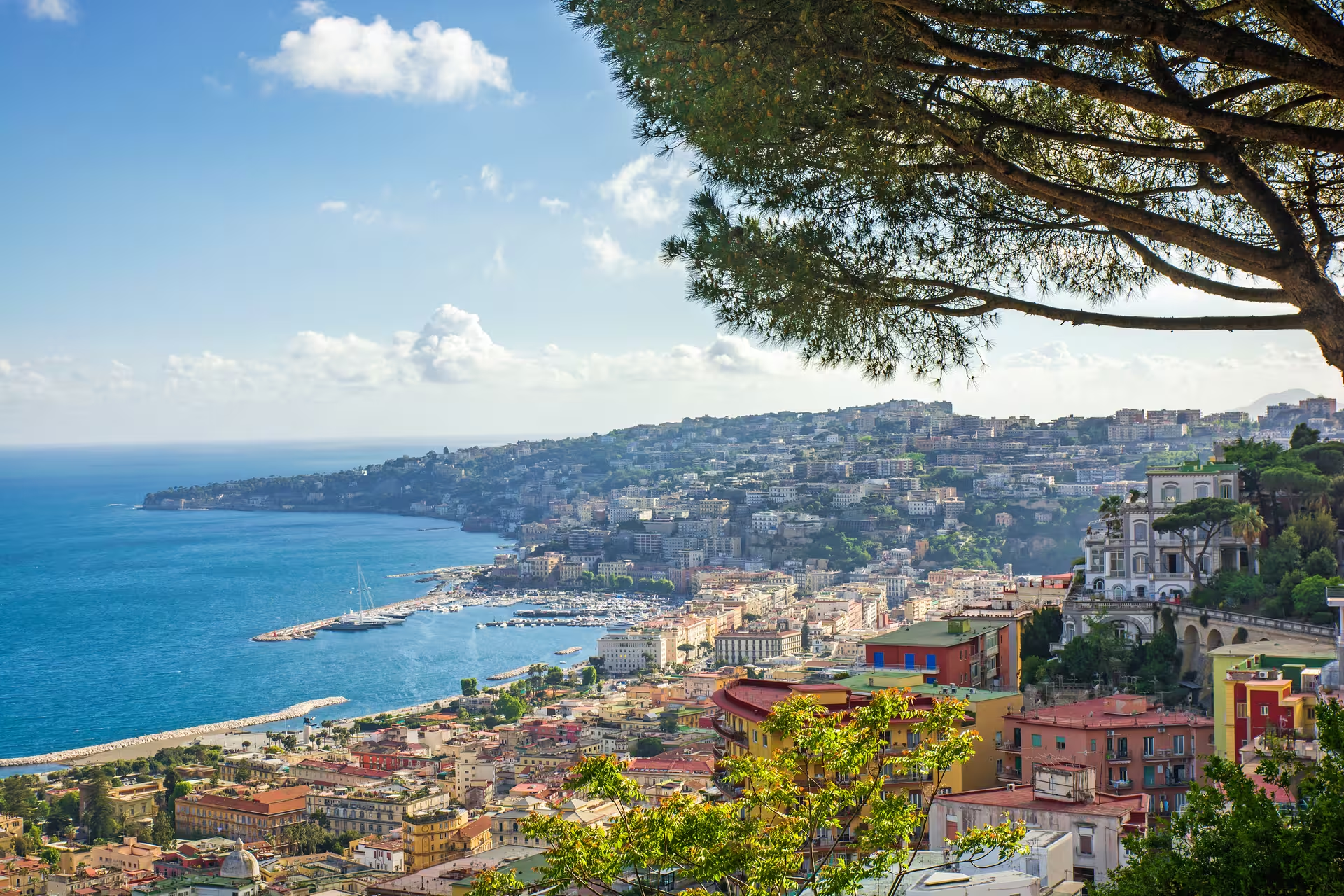
Posillipo brings a geological thread to a coastal visit: the hill consists largely of Neapolitan Yellow Tuff left by an eruption. Gaiola is a marine protected area, making it a coastal counterpoint to the carved marble, mosaics and tiled surfaces elsewhere in the city.
For arrival by air, Alibus is the connection to look at if you are heading to Naples Central Station or the Port of Naples. Metro Line 6 links Fuorigrotta and Piazza Municipio, so it is relevant when your plans involve either end of that route.
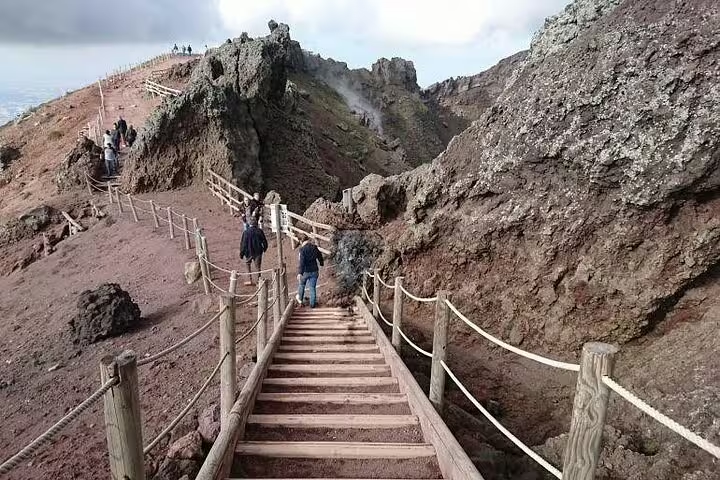
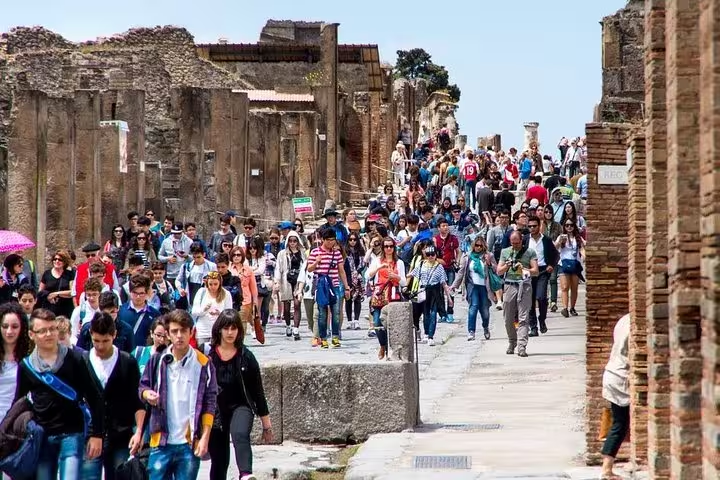
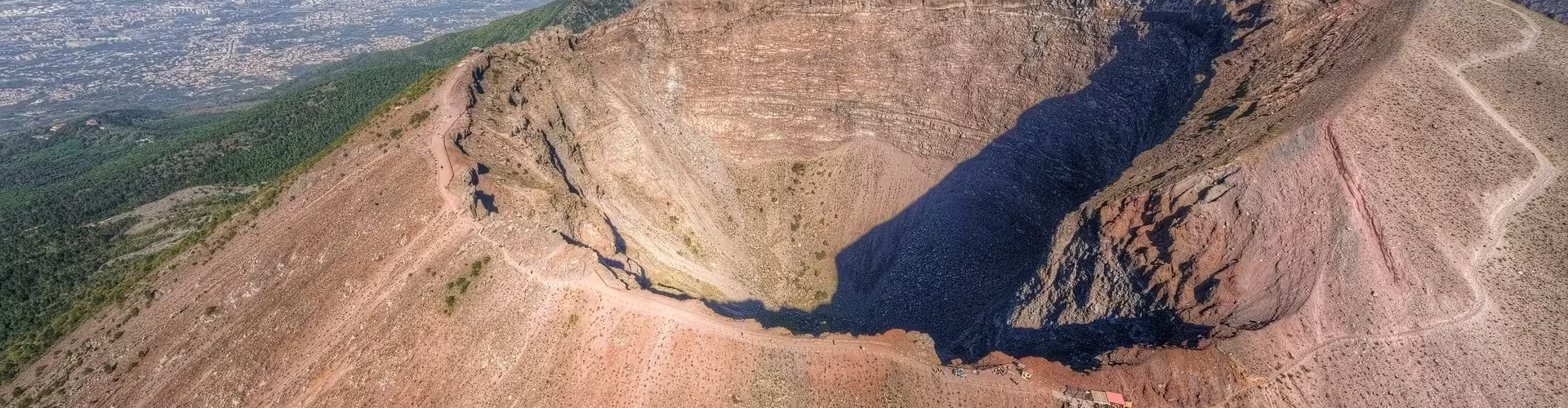
Yes, a half-day private tour to Pompeii ruins and a guided tour of Mount Vesuvius crater both run from Naples.
At Naples Capodichino, the average annual temperature from 1991 to 2020 was about 17 °C.
Yes, UNESCO inscribed the Historic Centre of Naples in 1995.
Sources: Ministero della Cultura (cultura.gov.it) (CC BY 3.0): centro_storico_napoli, arte-pizzaiuoli-napoletani, palazzo-reale-di-napoli-1, castel-sant-elmo-e-museo-del-novecento-a-napoli, certosa-e-museo-di-san-martino.