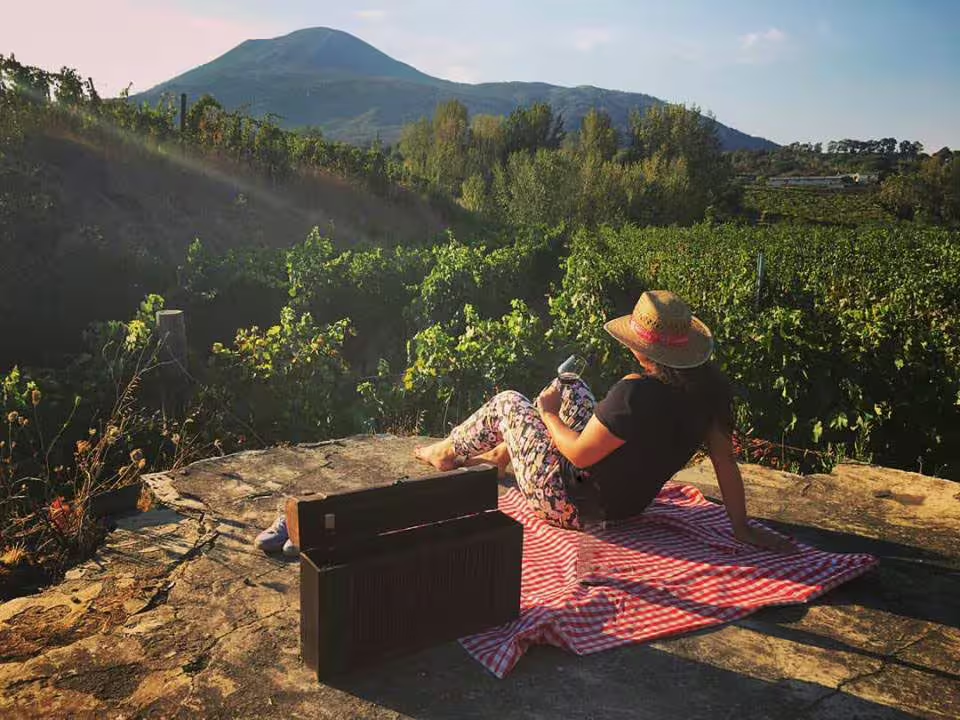
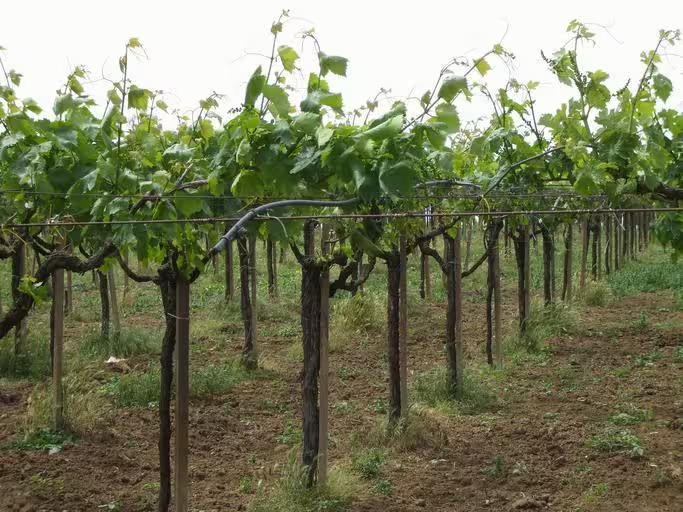
Boscotrecase sits on the lower slopes of Mount Vesuvius, offering a quieter base near big-name sights while keeping an authentic, small-town Campania rhythm. Think volcanic landscapes, local food culture, and easy access to the Naples area without the constant rush of the city center. If you want a practical launching point for Vesuvius and the wider Bay of Naples, Boscotrecase makes planning simpler while keeping your days flexible.
Boscotrecase is defined by its Vesuvius backdrop, everyday Italian pace, and proximity to iconic archaeological and coastal destinations. It is a smart choice when you want the Bay of Naples highlights but prefer a calmer place to reset between excursions. Go now if you value shoulder-season breathing room, more availability in the region, and a base that keeps day trips efficient.
Boscotrecase is in Campania, within the wider Naples area, positioned close to Mount Vesuvius and the archaeological corridor that includes Pompeii and Herculaneum. For international arrivals, Naples is the key hub, and the broader region connects onward to the Amalfi Coast and Sorrento Peninsula. The practical advantage is simple, you are near major sites, but you can end the day somewhere that feels more local than the busiest tourist centers.
Travel in this part of Campania tends to follow a classic Mediterranean pattern. Summer generally brings hotter conditions and higher crowd levels across the Bay of Naples, which can affect comfort and transit time when visiting headline attractions. Spring and autumn often feel more balanced for walking, viewpoints, and long days of exploring, while winter can be quieter and more atmospheric, with some tourism services in the region operating on reduced schedules.
Italy uses the euro, and in the Naples area you will typically find a mix of card-friendly businesses and places where cash is still helpful for small purchases. Plan to carry a modest amount of cash for quick transactions, and keep a card as your primary payment method when possible. A simple budgeting approach is to separate daily costs into transport, food, and admissions, then add a buffer for spontaneous upgrades like a better viewpoint stop or an extra museum.
Mount Vesuvius viewpoints and trails
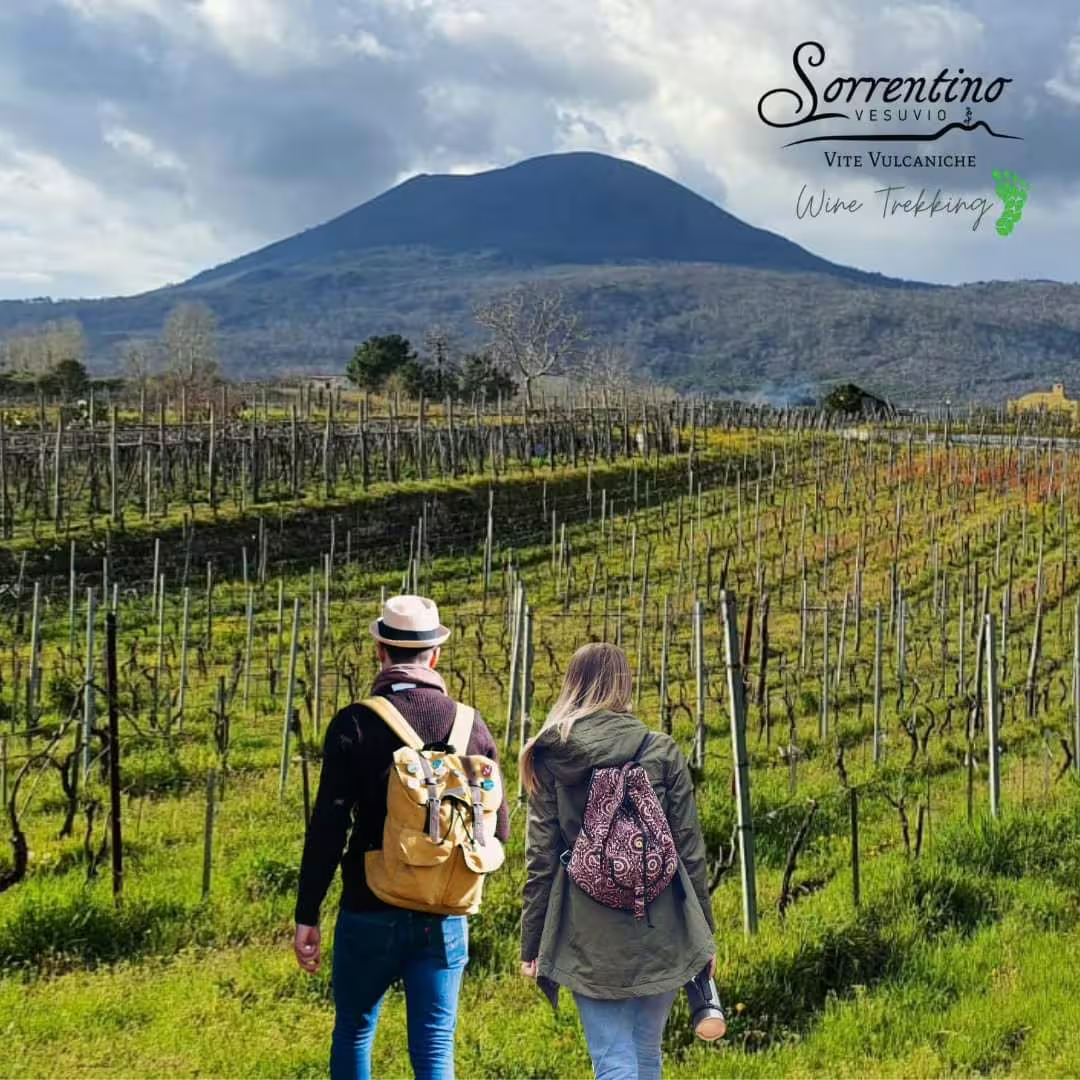
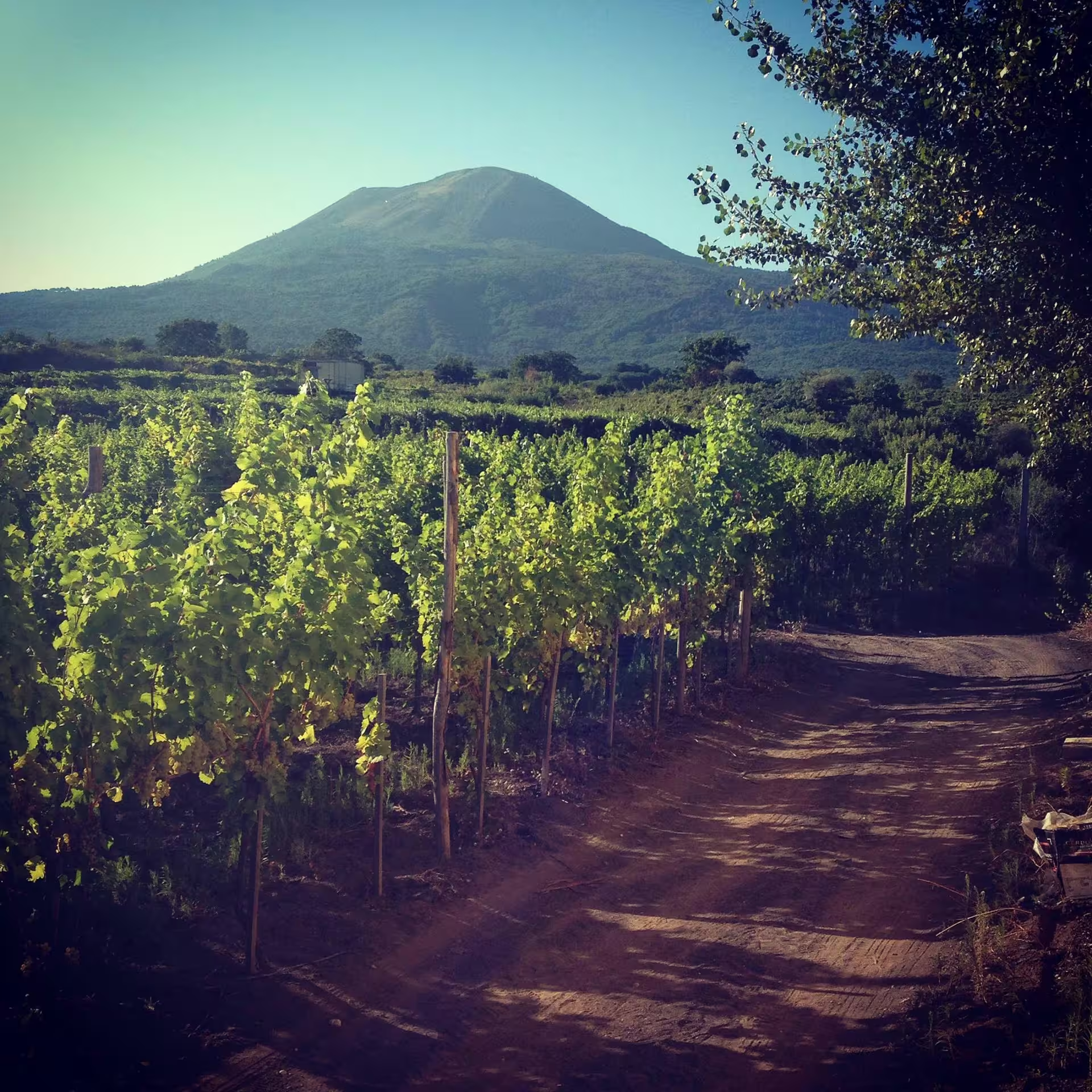
The signature experience near Boscotrecase is the sense of scale you get from the volcano, with wide views over the Bay of Naples. It adds context to the region’s history and geology, and it is one of the most memorable landscapes in Italy. Practical tip, aim for clear-weather days for the best visibility, and bring water and a light layer since conditions can shift with elevation.
Pompeii day trip planning
Pompeii is a cornerstone of the region’s identity, and staying near Boscotrecase helps you approach it with less stress than a longer commute. The site rewards slow exploration because the details, streets, and preserved spaces tell the story better than a quick loop. Practical tip, plan a route before you arrive so you do not waste energy zigzagging, and prioritize shade and breaks in warmer months.
Herculaneum for a tighter archaeological visit
If you want Roman history with a more compact footprint, Herculaneum can feel easier to navigate than larger sites. It is a strong choice when you want depth without committing an entire day. Practical tip, go earlier in the day for a calmer experience, and pace your visit so you can still enjoy a relaxed meal afterward.
Naples for museums, street life, and pizza culture
Naples adds intensity and variety, from historic streets to major cultural institutions and food traditions. It is ideal for travelers who want to contrast small-town calm with big-city energy. Practical tip, keep your day structured with a few anchor stops, and leave room for unplanned discoveries, since Naples often rewards curiosity.
Bay of Naples coastal scenery
The wider bay delivers classic Italian coastal views, shifting light, and a sense of place that ties together volcano, sea, and city. This is the kind of experience that makes photos feel secondary to simply being there. Practical tip, time your viewpoints for late afternoon light, and keep an extra battery or charger for your phone if you plan to shoot a lot.
Sorrento Peninsula as a slower scenic escape
The Sorrento area is a natural counterbalance to busier hubs, with a more resort-like rhythm and easy access to panoramas. It works well as a day trip when you want a change of pace and a longer lunch. Practical tip, pair a scenic walk with a set meal plan so you are not searching for food at peak dining times.
Amalfi Coast as a high-impact day trip
The Amalfi Coast is famous for dramatic cliffs, seaside towns, and postcard-scale views. It can be logistically demanding, but the visual payoff is huge for many travelers. Practical tip, start early, keep your schedule realistic, and focus on fewer stops rather than trying to see everything in one day.
Local Campania food and everyday life
One of the best reasons to base in Boscotrecase is the chance to experience daily Campania life away from the most touristic streets. Even simple routines like a morning coffee or an evening stroll can become highlights. Practical tip, follow local timing for meals, and choose places that look busy with residents, it is often a reliable quality signal.
Start with a morning focused on the volcano context, prioritize a Vesuvius viewpoint or trail while the day is fresh. Midday, shift into archaeology with a structured visit to Pompeii, choosing a clear route and a few must-see areas rather than trying to cover everything. End with a relaxed evening back near Boscotrecase, keeping dinner simple and unhurried so you are not carrying big-city intensity into the night.
Day 1, pair Vesuvius with a slower local evening, focusing on scenery and orientation. Day 2, dedicate time to Pompeii or Herculaneum, then add a Naples segment for museums or street life, depending on your interests. Day 3, choose a coastal contrast, either the Sorrento Peninsula for a gentler day or the Amalfi Coast for maximum visual impact, then return to Boscotrecase for a quieter finish.
Neapolitan-style pizza
Expect soft, airy dough and a balance of tomato, mozzarella, and simple toppings that do not need embellishment. Ordering tip, choose a classic option first, then branch out once you know the local style you prefer.
Pasta with tomato-based sauces
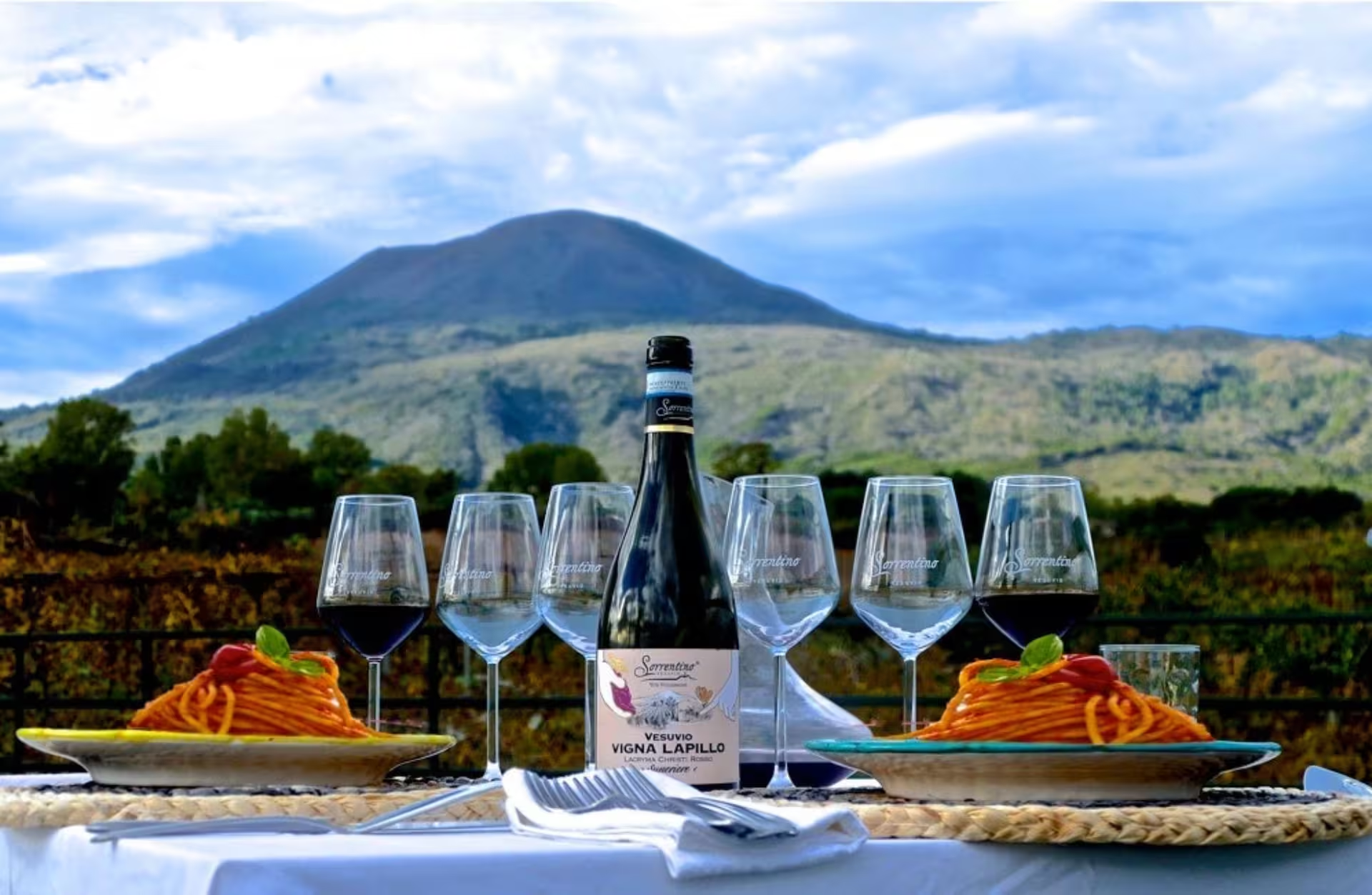
Campania is known for straightforward, ingredient-driven pasta dishes where tomato and olive oil do most of the work. Ordering tip, ask for the house specialty pasta preparation if you want a reliable local choice.
Seafood dishes from the Bay of Naples tradition
The wider region leans into seafood flavors that feel clean and coastal, often paired with citrus and herbs. Ordering tip, pick seafood dishes when you see them featured prominently, it often signals freshness and local demand.
Espresso and café culture
Coffee breaks are quick and social, and they structure the day as much as they fuel it. Ordering tip, keep it simple with an espresso style drink, and follow the pace of the bar rather than expecting a long sit-down experience.
Pastries and sweet bites
Sweet options tend to be rich and satisfying, designed for a small treat rather than a large dessert course. Ordering tip, choose what looks most popular in the display, high turnover usually means better texture and freshness.
Local wine and aperitivo rhythm
Aperitivo is less about strict rules and more about easing into the evening with a drink and something small to eat. Ordering tip, ask what pairs well with your drink choice, and keep the first round light if you have a bigger dinner planned.
Use Boscotrecase as a base where you can mix short local movements with bigger day trips into the Naples area. Walking works best for local routines and short distances, while regional connections are more practical for Pompeii, Naples, and other major stops. If you are planning a packed day, build in extra time for transfers and queues, and keep essentials like water and a phone charger accessible. For safety, use the same common-sense habits you would in any busy tourist region, keep valuables secure, stay aware in crowded transit areas, and plan your return route before it gets late.
Pompeii
Short travel time from the Vesuvius area, and one of the most important archaeological sites in Italy. Go for immersive Roman streets and preserved spaces that make history feel immediate.
Herculaneum
Also close by, and often easier to handle in a shorter visit than larger sites. Go for a concentrated, detail-rich look at Roman life in the shadow of Vesuvius.
Naples
A straightforward regional hub with culture, street energy, and iconic food. Go for museums, historic streets, and the city’s distinct personality.
Sorrento
A scenic peninsula destination that can feel calmer and more resort-oriented. Go for coastal views, a slower pace, and a comfortable day of wandering.
Amalfi Coast
A higher-effort day trip that delivers dramatic landscapes and famous seaside towns. Go for cliffside scenery and a classic Mediterranean coastal experience.
Yes, it is positioned close to the Vesuvius area, which makes it convenient for planning a volcano-focused day. Choose a clear-weather day and bring water and comfortable shoes.
One day covers the essentials if you focus on a volcano viewpoint plus one major archaeological site. Two to three days lets you add Naples and a coastal day trip at a more comfortable pace.
It is possible, but it can feel rushed because both places reward time and slower exploration. If you combine them, pick a few priorities in each and keep your logistics tight.
Carrying some cash is helpful for small purchases, while cards are useful for most larger transactions. A simple approach is to keep a small daily cash amount and rely on your card for everything else in Boscotrecase.
Spring and autumn often balance comfortable conditions with manageable crowd levels across the Bay of Naples. Summer can be hotter and busier, while winter is quieter with a more low-key travel rhythm in Boscotrecase.