Last updated:
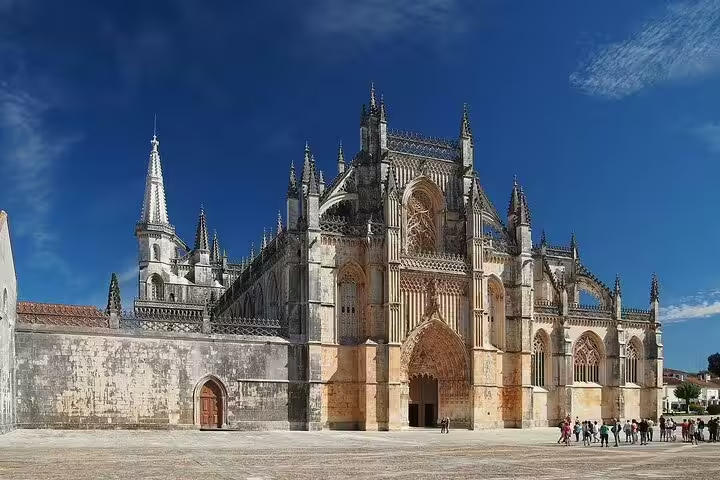
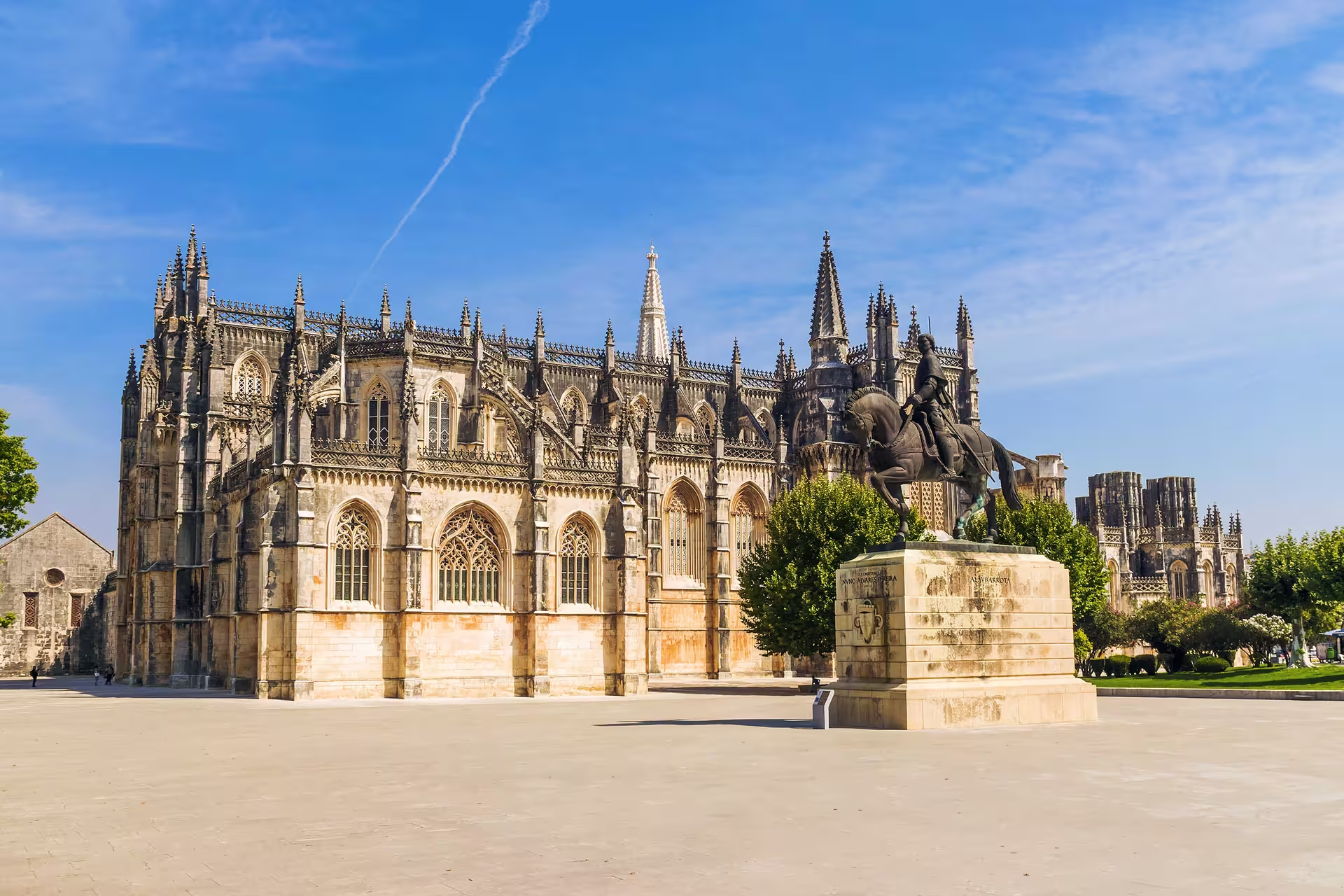
Batalha is a small town north of Lisbon, and its name simply means "battle". It grew up around a single building, consecrated to Santa Maria da Vitória and known to everyone as Batalha Monastery. This page goes from the battle behind its name to the royal tomb inside, then out to the cloister and the chapels that never received a roof.
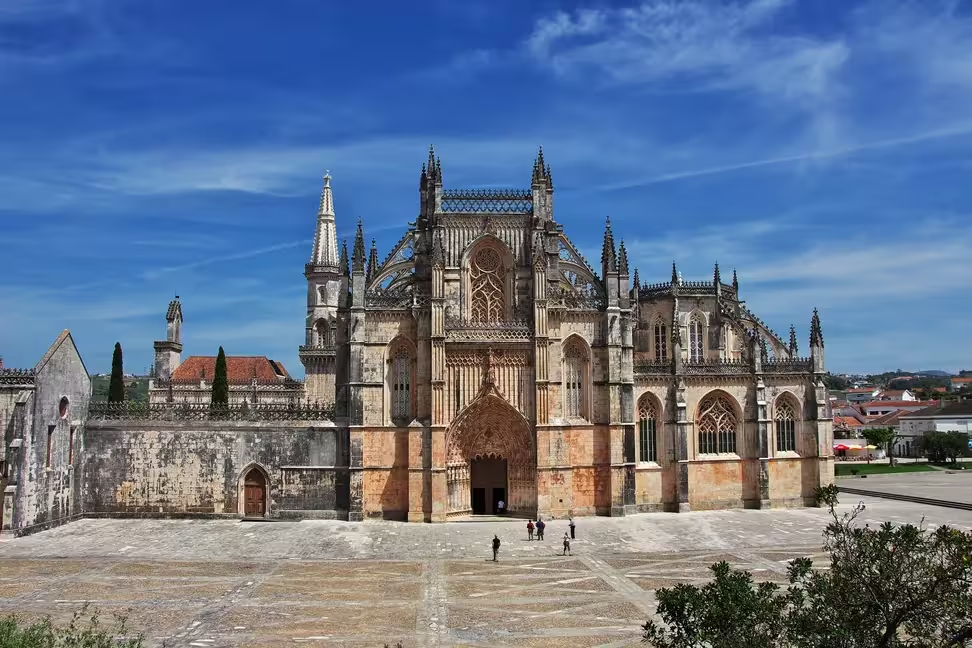
In 1385 the armies of Portugal and Castile met at Aljubarrota. Before the fighting, King John I promised the Virgin Mary a monastery if his side won, and the Portuguese victory turned that promise into stone. The house was dedicated to Saint Mary of the Victory and handed to the Dominican friars. Building went on for well over a century, so the Gothic church and cloisters carry later layers of Manueline carving. The friars are long gone and the monastery is now a former convent, open to visitors.
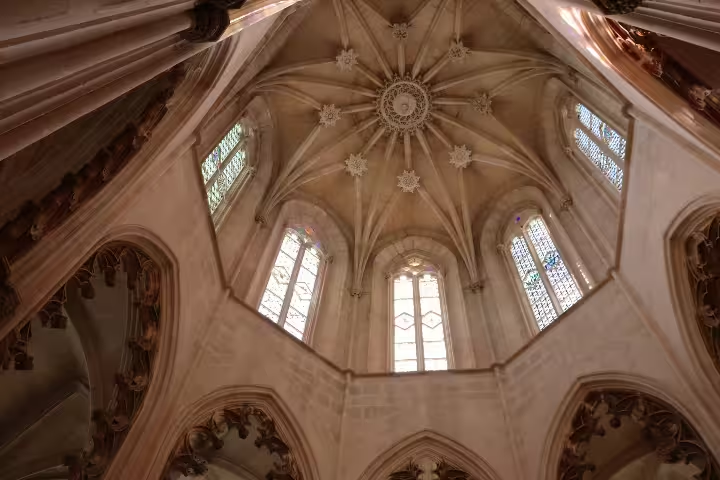
The first great room off the church is the Founder's Chapel (Capela do Fundador). At its centre stands a single tomb shared by John I and his queen, Philippa of Lancaster, a daughter of John of Gaunt. They married on 11 February 1387, and the king, who died in 1433, lies beside her. Around the walls are the tombs of several of their sons, including Prince Henry the Navigator, who died in 1460.
Beyond the church opens the Royal Cloister (Claustro Real), a calm square where Gothic arches were later filled with delicate Manueline stonework. Next to it, the Chapter House is covered by one wide vault that has no column in the middle to carry it. This room also holds the tomb of Portugal's Unknown Soldiers, kept under a military guard.
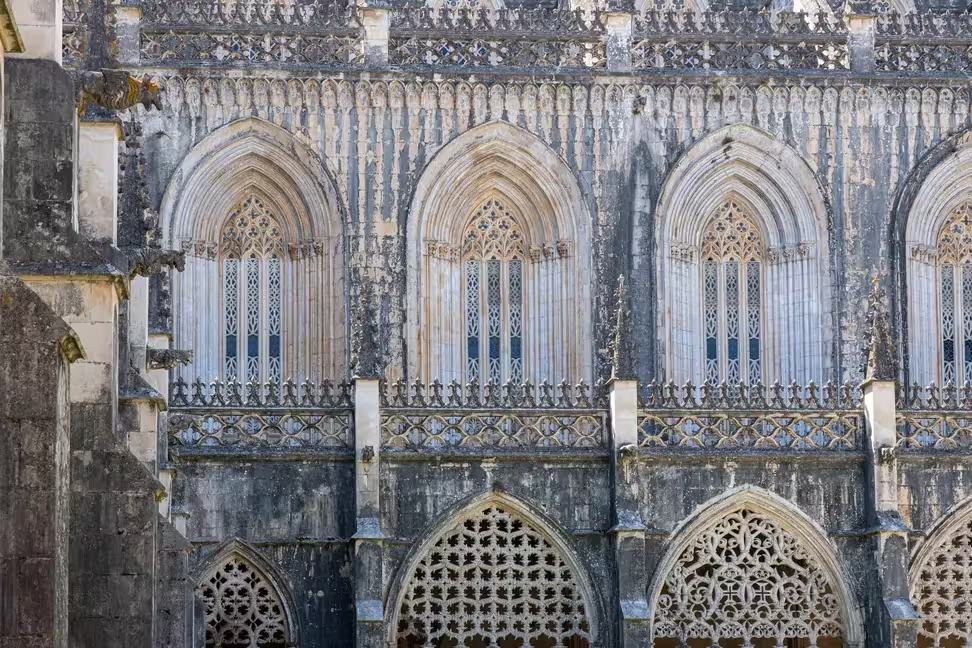
The most surprising corner of the monastery stands apart from the church. The Unfinished Chapels (Capelas Imperfeitas) were begun as a second royal mausoleum in the time of King Duarte, another son of John I and Philippa, who reigned from 1433 to 1438. The work was never completed, so the chapels still stand open to the sky, and the clouds fill the space where a vault was meant to close them.
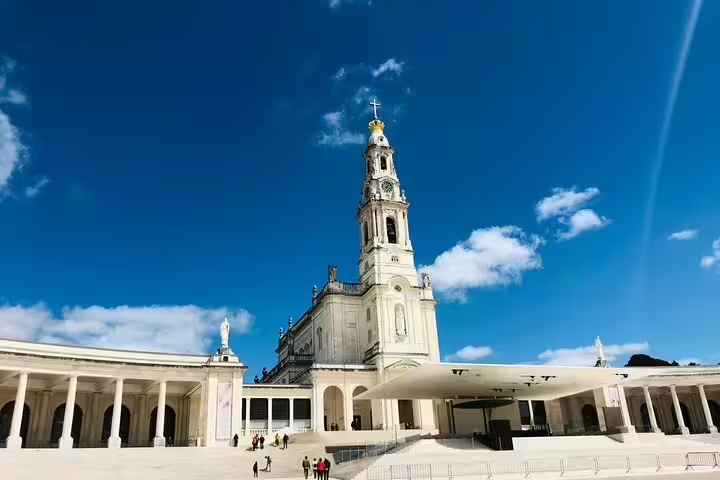
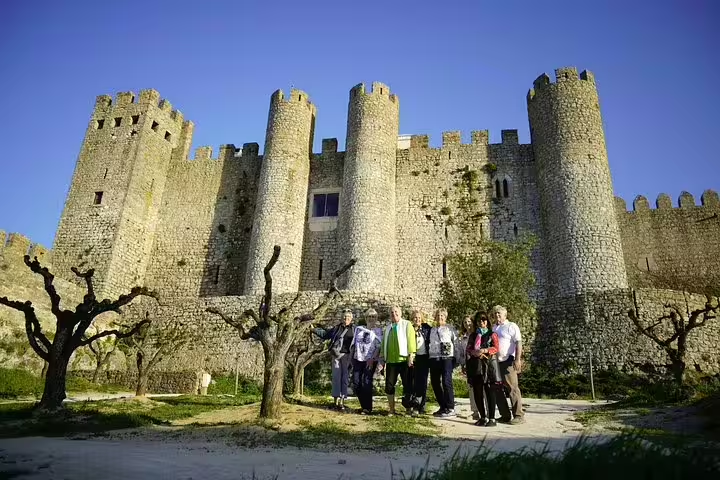
Most visitors come on a day out from Lisbon that also includes Fátima or another historic town nearby. Among the private tours, one starts in Tomar and ends at Batalha with time for the Royal Cloister and the Unfinished Chapels. From Lisbon, a private day includes a guided visit of the monastery between Fátima, Nazaré and Óbidos, and another one pairs Batalha with Fátima and the abbey town of Alcobaça. A longer private route fits Óbidos, Nazaré, Alcobaça, Batalha and Fátima into the same day, while a fifth option keeps to Fátima, Batalha, Nazaré and Óbidos.
Small group trips leave Lisbon in the morning and head north. The first collects travellers from their hotel and visits the monastery after the Sanctuary of Fátima. The second takes eight people at most and makes a guided stop here before Nazaré, and the third also includes a guided visit before the coast and the walled town of Óbidos.
The Batalha page lists every trip that includes the town.
Batalha is the Portuguese word for battle, a reminder of the victory the monastery was founded to celebrate.
The founding king and queen share one tomb in the middle, and several of their sons rest in the side walls.
Work on them stopped before the vault was built, and nobody ever went back to finish it.
Yes. It is a regular stop on full day trips that also visit Fátima, Nazaré, Óbidos or Alcobaça.
Sources: Wikidata (CC0).